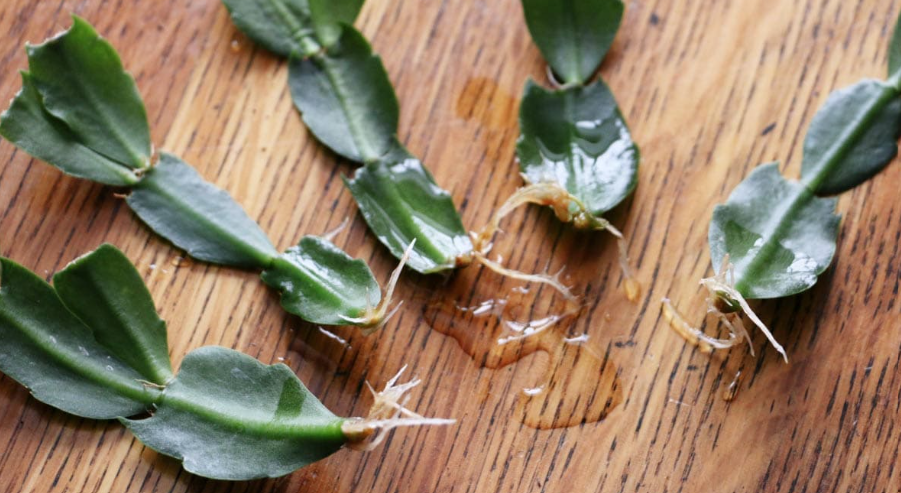
Christmas cactus (Schlumbergera bridgesii) is a popular flowering houseplant belonging to the cactus family, native to the tropical rainforests of southeastern Brazil. Unlike desert cacti, it grows naturally as an epiphyte, anchoring itself to tree branches and rocky outcrops where it absorbs moisture and nutrients from the surrounding humid air. This tropical origin gives it very different care requirements compared to typical desert cactus species.
As a plant, christmas cactus features flattened, segmented stem sections called phylloclades that arch gracefully outward and downward, giving the plant a cascading appearance. Each segment is leaf-like, with slightly toothed or scalloped edges depending on the variety, and the stems can grow quite long over time. This distinctive segmented structure is what makes the plant immediately recognizable among houseplant enthusiasts.
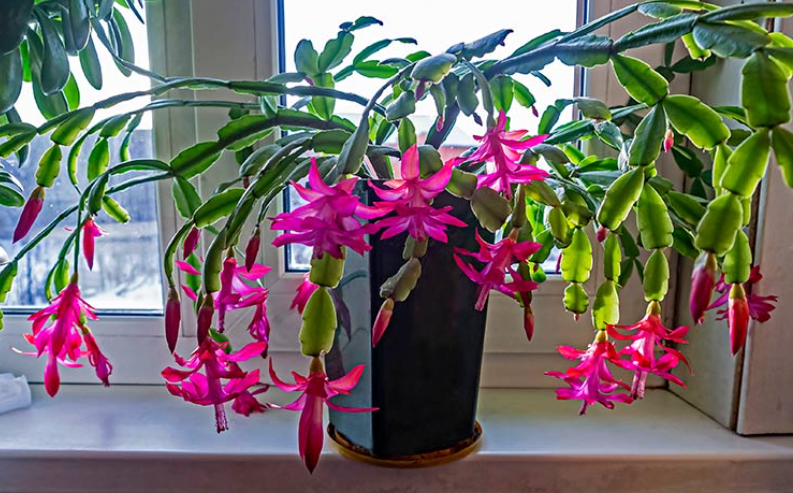
The flowers are tubular and pendulous, appearing at the tips of the stem segments in shades of red, pink, white, purple, orange, and salmon. Blooming typically occurs around the holiday season, hence the common name, triggered by shorter days and cooler nighttime temperatures in autumn. A healthy, well-established plant can produce dozens of blooms simultaneously, creating a spectacular holiday display.
Christmas cactus can live for decades when properly cared for, with some specimens passing through multiple generations of families as cherished heirlooms. Its longevity and reliable annual blooming make it one of the most rewarding houseplants available. Plants often improve in flowering performance as they mature and become more established over the years.
This plant is relatively tolerant of indoor conditions, adapting well to the lower light levels and controlled temperatures found in most homes. It prefers bright, indirect light and moderate humidity, thriving near east or north-facing windows where it receives gentle light without intense direct sun. Proper light management is especially important in the weeks leading up to its bloom period.
Christmas cactus is non-toxic to humans and pets, making it a safe choice for households with curious cats, dogs, or young children. This distinguishes it from many other popular houseplants that carry toxicity risks. Its pet-friendly nature has contributed to its widespread popularity as an indoor plant.
With its exotic appearance, brilliant holiday blooms, and exceptional longevity, christmas cactus remains one of the most beloved houseplants worldwide. Its ability to bloom reliably year after year with relatively simple care makes it an ideal gift plant and a staple of holiday decorating. Few houseplants combine such ornamental beauty with such ease of long-term maintenance.
Also Read: How to Propagate Any Plant From Cuttings
How to Propagate Christmas Cactus From Cuttings
- Choose the Right Time to Take Cuttings: The best time to propagate christmas cactus is in spring or early summer, after the plant has finished blooming and entered its active growing period. Taking cuttings during this time gives them the best chance of rooting successfully. Avoid propagating during the budding or blooming period, as this stresses the parent plant.
- Select Healthy Stem Sections: Choose firm, healthy stem segments from a vigorous parent plant showing no signs of disease or damage. Segments from the tips of actively growing stems tend to root most reliably. Avoid pale, shriveled, or discolored segments, as these are unlikely to produce strong roots.
- Take Y-Shaped Cuttings: For best results, take cuttings consisting of two or three stem segments joined together, ideally in a Y shape. This type of cutting produces fuller, more branched plants more quickly than single-segment cuttings. Using clean, sharp scissors or a knife, cut cleanly at the joint between segments.
- Allow Cuttings to Callous: After taking cuttings, set them aside in a dry, shaded location for one to two days to allow the cut end to dry and callous over. This protective layer reduces the risk of rot when the cutting is inserted into the growing medium. Skipping this step significantly increases the chance of stem rot.
- Prepare a Suitable Rooting Medium: A well-draining mix of perlite and peat moss, or a cactus and succulent potting mix, works well for rooting christmas cactus cuttings. The medium should retain just enough moisture to support rooting without becoming waterlogged. Avoid regular potting soil, which may hold too much moisture for successful rooting.
- Plant Cuttings at the Right Depth: Insert the calloused end of the cutting about half an inch to one inch deep into the prepared medium. Planting too deeply can cause the buried stem sections to rot. Firm the medium gently around the cutting to keep it upright and stable. Also Read: How to Propagate Ice Plants From Cuttings
- Water Lightly After Planting: Give the cutting a light watering immediately after planting to settle the medium around the stem. Subsequent watering should be minimal until roots begin to form. Overwatering at this stage is the most common cause of cutting failure.
- Place in Bright Indirect Light: Position cuttings in a location with bright but indirect light, away from direct sun exposure. A spot near an east-facing window provides the gentle light conditions most favorable for rooting. Too much direct sun can cause dehydration and prevent successful rooting.
- Maintain Warm Temperatures: Christmas cactus cuttings root most reliably at temperatures between 65 and 75 degrees Fahrenheit (18 to 24 degrees Celsius). Avoid placing cuttings near cold drafts, air conditioning vents, or heating elements. Consistent warmth supports steady root development.
- Cover Lightly to Retain Humidity: Placing a loose plastic bag or clear plastic dome over the cutting helps maintain gentle humidity around the stem. Unlike desert succulents, christmas cactus benefits from moderate humidity during rooting. The cover should be removed periodically to allow brief air circulation and prevent mold.
- Monitor for Root Development: After three to eight weeks, gently tug the cutting to feel for resistance indicating root formation. New growth appearing at the tips of stem segments is another reliable sign that rooting has been successful. Avoid checking too frequently, as disturbing cuttings disrupts the rooting process.
- Increase Watering Gradually: Once roots are established, watering frequency can be gradually increased to match the needs of a fully rooted plant. The medium should be allowed to dry slightly between waterings, but not completely. Consistent moisture without waterlogging supports healthy establishment.
- Transplant into a Slightly Larger Pot: Once the cutting has developed a healthy root system and shows signs of new growth, it can be transplanted into a slightly larger container. Use a well-draining potting mix suitable for cacti and succulents. Avoid overly large containers, as excess soil can retain too much moisture.
- Begin Regular Feeding After Establishment: Once the new plant is actively growing, a diluted balanced fertilizer applied monthly during spring and summer supports healthy development. Avoid feeding during the fall and winter rest period. Overfeeding can lead to excessive leafy growth at the expense of flowers.
- Encourage Blooming Through Light and Temperature Control: As the new plant matures, triggering blooming requires exposing it to longer nights and cooler temperatures in autumn. Placing the plant in a room with 12 to 14 hours of darkness and temperatures around 50 to 55 degrees Fahrenheit encourages bud formation. This process typically begins six to eight weeks before the desired bloom period.
- Be Patient with Young Plants: Newly rooted cuttings may take one to two years before producing their first significant bloom display. During this establishment period, focus on providing consistent care rather than pushing early flowering. With patience and proper attention, young christmas cactus plants develop into spectacular, long-lived specimens.
Also Read: Plants That Easily Grow From Leaves