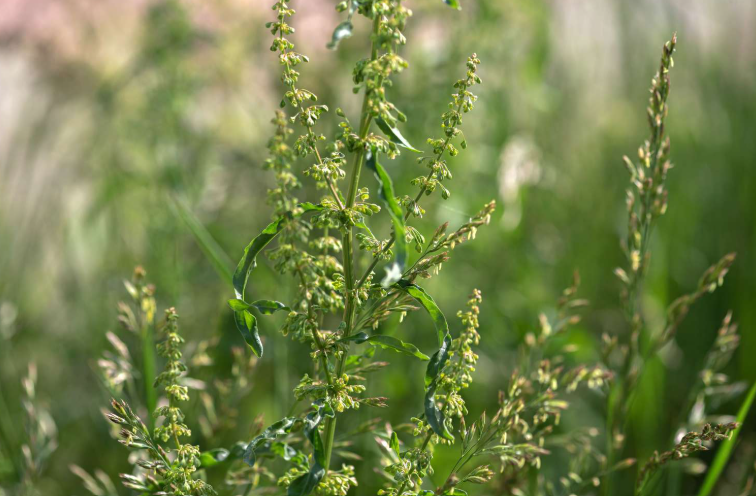
Weeds that grow tall reach that height through a few genuinely different strategies, and according to University of Illinois Extension, some of the tallest native prairie plants in North America, the Silphiums, achieve their impressive stature through deep taproots and rough, sturdy stems built to survive decades in the same spot rather than the explosive single-season growth typical of most tall annual weeds. That distinction between a slow-building perennial and a fast-growing annual matters for anyone trying to manage a towering weed, since pulling a single-season plant before it sets seed solves the problem for good, while a deep-rooted perennial simply regrows from the same base year after year.
Height itself carries a competitive advantage in the plant world, since a taller plant intercepts sunlight before it ever reaches the shorter vegetation below, and several entries on this list use that advantage to overwhelm entire fields or forest edges within just a few growing seasons. A handful are also genuinely dangerous, tall enough to tower over an unsuspecting hiker while carrying sap capable of causing severe skin burns on contact.
These weeds span native tallgrass prairie, disturbed roadsides, and fast-growing invasive trees across most of North America. What follows covers 24 weeds that grow tall, along with where each one grows and the data behind its height.
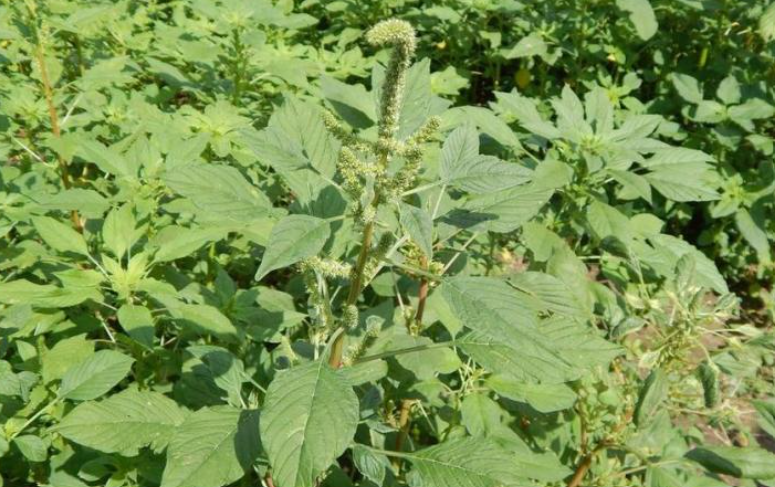
Giant Hogweed
Giant hogweed produces enormous, deeply lobed leaves and a thick, hollow, purple-blotched stem capable of towering 15 to 20 feet, among the largest herbaceous plants found anywhere in North America. Its sap contains compounds that react violently with sunlight on exposed skin, causing severe burns and blistering that can take months to fully heal.
It grows in scattered infestations primarily in the northeastern United States and parts of the Pacific Northwest.
Common Mullein
Common mullein spends its first year as a low rosette of thick, fuzzy leaves before sending up a single towering flower spike reaching 5 to 8 feet in its second year. The dense hairs covering its leaves were historically used as tinder for fire-starting and even as makeshift lantern wicks.
It grows throughout dry, rocky, disturbed ground across most of the United States and Canada.
Joe-Pye Weed
Joe-Pye weed produces dark, hollow stems supporting whorled leaves and domed clusters of pink-purple flowers, with certain species reaching 5 to 7 feet tall in a single growing season. It’s a favorite late-summer nectar source for butterflies, particularly swallowtails drawn to its enormous flower clusters.
It grows throughout the eastern United States and Canada, favoring damp, rich soils along roadsides and stream banks.
Ironweed
Ironweed produces tall, sturdy stems topped with clusters of vivid magenta-purple flowers, typically reaching 4 to 6 feet tall by the time it blooms in late summer. It often flowers alongside goldenrod and Joe-Pye weed in the same autumn meadows, creating a dramatic mix of purple and gold.
It grows throughout the eastern and central United States, commonly found in moist meadows and along roadsides.
Pokeweed
Pokeweed produces large, smooth leaves on thick, reddish-purple stems, capable of reaching up to 10 feet tall in a single growing season from a single perennial root. Its dark purple-black berries are toxic to humans despite being readily eaten by birds, who help spread the plant’s seeds widely.
It grows throughout disturbed fields, fence rows, and woodland edges across most of the eastern and central United States.
Johnsongrass
Johnsongrass produces tall, coarse blades and an extensive underground rhizome system, capable of reaching 8 to 10 feet tall under favorable conditions. According to Kansas State University Research and Extension, it can produce dangerous levels of prussic acid under drought stress or after a frost, and livestock should be kept off frosted or newly regrowing stands until they reach at least 18 to 24 inches tall.
It grows extensively throughout the southern and central United States.
Giant Ragweed
Giant ragweed produces broad, deeply lobed leaves considerably larger than its common ragweed relative, capable of towering 12 to 15 feet tall in rich, disturbed soil. It’s a significant source of late-summer pollen allergies, and its sheer height allows a single infestation to shade out entire sections of a crop field.
It grows throughout the eastern and central United States, particularly along field edges and riverbanks.
Common Sunflower
Common sunflower produces broad, coarse, heart-shaped leaves and large yellow flower heads, capable of reaching 8 to 15 feet tall under favorable wild conditions. Despite being the official state flower of Kansas, it’s classified as a noxious weed in Iowa due to its aggressive growth in cultivated fields.
It grows throughout most of the central United States, particularly common in prairies and disturbed cropland.
Wild Parsnip
Wild parsnip produces yellow, umbrella-shaped flower clusters atop a grooved, hollow stem capable of reaching 4 to 5 feet tall. Its sap contains compounds that react with sunlight to cause severe burns and blistering on exposed skin, a genuine hazard given how commonly it grows along roadsides and trails.
It grows throughout roadsides and disturbed fields across most of the northern and central United States.
Cup Plant
Cup plant, part of the towering Silphium genus, produces large leaves that clasp directly around the square stem, forming a small cup that holds rainwater for days after a storm. According to the North Carolina Extension Gardener Plant Toolbox, it typically grows to around 6 feet but can reach 9 feet tall, and its top-heavy growth means the stem can topple during high winds.
It grows throughout open woods, lake borders, ditches, meadows, and prairies across the Midwest and Upper Midwest.
Compass Plant
Compass plant, the tallest of the Silphium genus, produces large, deeply cut leaves that orient themselves along a north-south axis, an adaptation once used by settlers to help navigate the open prairie. It towers above surrounding vegetation at up to 12 feet tall, with individual plants capable of living for a century or more.
It grows throughout the tallgrass prairie states, from the Great Plains east through much of the Midwest.
Giant Knotweed
Giant knotweed, a larger relative of Japanese knotweed, produces enormous heart-shaped leaves on thick, hollow, bamboo-like stems that can reach 12 to 15 feet tall. Its underground rhizome network can extend well beyond the visible canes, making it every bit as difficult to eliminate as its smaller, more widespread relative.
It grows in scattered infestations throughout the northeastern and Pacific Northwest United States.
Common Reed
Common reed, also called phragmites, forms dense, towering stands that can reach 15 feet tall, with feathery, plume-like flower heads lining each hollow stem. An aggressive introduced lineage of the species has largely displaced the native form across much of its North American range.
It grows throughout wetlands and shorelines across nearly all of North America.
Common Teasel
Common teasel spends its first year as a spiny rosette before sending up a tall, prickly flowering stalk that can reach 6 to 8 feet in its second year, topped with an egg-shaped flower head covered in stiff bristles. Its dried seed heads persist through winter, historically used to raise the nap on wool fabric before modern industrial processing replaced the practice.
It grows throughout roadsides and disturbed fields across much of the eastern and central United States.
Horseweed
Horseweed, also called marestail, produces a single tall, unbranched stem lined with narrow leaves, capable of shooting up 6 to 8 feet in a single season from a small rosette. It’s become notorious among farmers for developing resistance to glyphosate and other common herbicides faster than almost any other agricultural weed.
It grows throughout agricultural fields and disturbed ground across nearly all of the United States.
Velvetleaf
Velvetleaf produces enormous, heart-shaped leaves covered in a soft, velvety fuzz, growing upright on a sturdy stem that can reach 3 to 7 feet tall, often towering over surrounding crop plants. Its seeds can remain dormant yet viable in the soil for decades, occasionally germinating many years after the last mature plant was removed.
It grows throughout cultivated fields across much of the central and eastern United States.
Castor Bean
Castor bean produces large, deeply lobed, star-shaped leaves on a fast-growing plant capable of reaching 6 to 15 feet tall in a single growing season in warm climates. Its seeds contain ricin, one of the most potent natural toxins known, and should never be handled by children despite the plant’s popularity as a dramatic ornamental.
It grows as a warm-season garden annual throughout temperate regions of the United States.
Tree of Heaven
Tree of heaven, and according to Ohio State University’s Ohioline Extension, it’s a moderate-sized deciduous tree reaching 60 to 80 feet tall, with sprouts capable of reaching 6 to 12 feet in their very first year and growing 3 or more feet annually after that. It’s the preferred host plant for the invasive spotted lanternfly, adding a second layer of concern beyond its own aggressive spread.
It grows throughout most of the United States, particularly common along roadsides, fence rows, and disturbed urban lots.
Princess Tree
Princess tree produces enormous, heart-shaped leaves and showy clusters of lavender flowers each spring, capable of growing 15 feet or more in its very first year and reaching 40 to 50 feet at full maturity. Its seed capsules release thousands of tiny, wind-dispersed seeds capable of establishing new trees in the most inhospitable disturbed ground, including cracks in pavement.
It grows throughout much of the eastern United States, commonly found colonizing recently cleared or burned land.
Giant Reed
Giant reed produces thick, bamboo-like canes topped with broad, coarse leaves, capable of reaching 20 feet or more in height and forming dense stands along waterways. It’s considered one of the fastest-growing plants in the world, with individual canes capable of adding several inches of new growth in a single day under ideal conditions.
It grows in scattered invasive stands throughout the southern and western United States, particularly along riverbanks and irrigation canals.
Elephant Grass
Elephant grass, also called Napier grass, produces tall, coarse, bamboo-like stems capable of reaching 10 to 15 feet in height, forming dense stands that can quickly overwhelm surrounding vegetation. Originally introduced as a forage and biofuel crop, its aggressive spread has since made it a significant invasive concern in warmer climates.
It grows throughout the southernmost United States, particularly Florida and the Gulf Coast.
Bull Thistle
Bull thistle spends its first year as a spiny rosette before sending up a heavily branched, second-year flowering stalk that can reach 6 feet tall, topped with vivid purple-pink flower heads. Its dense covering of sharp spines runs along the leaf edges, stems, and even the bracts surrounding each flower.
It grows throughout overgrazed pastures and disturbed roadsides across most of North America.
Wild Lettuce
Wild lettuce, also called prickly lettuce, produces a tall, upright stem that can reach 3 to 7 feet, lined with spiny-edged leaves that twist to align vertically with the sun, earning it the nickname “compass plant” among foragers unrelated to the true prairie Compass Plant. Its milky sap dries into a resinous substance historically dried into a mild folk sedative.
It grows throughout most of North America, commonly found in disturbed fields and roadsides.
Sweet Clover
Sweet clover, in both its yellow- and white-flowered forms, spends its first year as a low, leafy plant before sending up a tall, branching flower stalk that can reach 3 to 8 feet in its second year. Its abundant, fragrant flowers make it a valuable source of nectar for honeybees, even as its height and vigorous seeding make it a persistent problem along roadsides and field margins.
It grows throughout most of the United States and Canada, commonly found in disturbed soil and prairie restoration sites.
Further References
- Weed Identification — University of Minnesota Extension — Provides identification resources for numerous upright weeds, including thistles, tansy, stinging nettle, wild parsnip, and common burdock.
- Common Lambsquarters — Cornell University — Detailed identification information for common lambsquarters, an erect weed that can reach 3–5 feet tall.
- Weed Identification in Pastures, Hayfields, and Sprayfields — NC State Extension — Covers tall weeds including pokeweed, pigweeds, and ragweed, with descriptions of their stems, leaves, flowers, and growth habits.
- Weed Identification — University of Missouri — A useful weed identification database containing tall species such as tall goldenrod, tall green milkweed, tall morningglory, and tall fescue.
- Tall Fescue — UC Statewide Integrated Pest Management Program — Provides detailed identification information for tall fescue, including its clumping growth habit, long leaves, stems, and flowering structures.