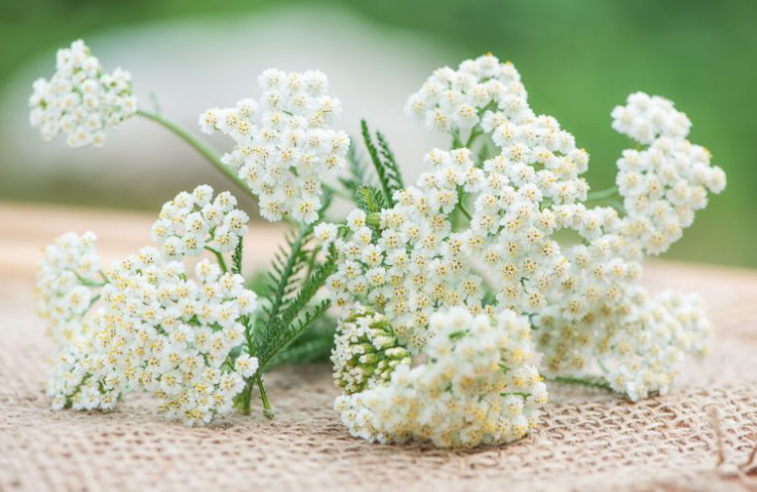
Yarrow (Achillea millefolium) is a hardy perennial flowering plant belonging to the daisy family, Asteraceae, native to temperate regions of the Northern Hemisphere including Europe, Asia, and North America. It is one of the most widely distributed wildflowers in the world, growing naturally in meadows, roadsides, grasslands, and open woodland edges across many climates. With over 140 known species within the Achillea genus, yarrow encompasses a broad range of forms and colors suited to diverse garden styles.
As a plant, yarrow produces feathery, finely divided leaves that are aromatic when crushed, giving the plant a distinctive herbal fragrance. The foliage is typically grayish-green and forms a low, spreading basal mat from which upright flowering stems rise. These stems are strong and self-supporting, reaching heights of 1 to 3 feet (30 to 90 centimeters) depending on the variety and growing conditions.
The flowers are small individually but are arranged in large, flat-topped clusters called corymbs that can measure 3 to 5 inches across. These flower heads appear in shades of white, yellow, pink, red, and orange depending on the cultivar, with the wild species typically producing white blooms. The flat flower clusters provide an ideal landing platform for pollinators and create a strong horizontal element in garden designs.
Yarrow has an exceptionally long history of medicinal use, with its scientific name Achillea referencing the Greek hero Achilles, who according to legend used the plant to treat the wounds of his soldiers. Traditional uses include wound healing, fever reduction, and digestive support, and the plant contains active compounds including flavonoids and alkaloids with documented anti-inflammatory properties. Today yarrow remains a popular ingredient in herbal remedies and natural health products worldwide.
In the garden, yarrow is celebrated for its toughness and adaptability, thriving in poor, dry soils where many other perennials struggle. It is highly drought-tolerant once established, making it a valuable plant for water-wise and xeriscape garden designs. Its resilience and low maintenance requirements have made it a staple in naturalistic and prairie-style planting schemes.
Yarrow thrives in USDA zones 3 through 9, making it one of the most cold-hardy flowering perennials available to gardeners. Its wide climate adaptability means it can be grown successfully across a vast geographic range, from cold northern gardens to warm southern landscapes. This hardiness, combined with its long bloom season from early summer through autumn, gives yarrow outstanding value in mixed borders.
Beyond the garden, yarrow is widely used as a cut flower and dried flower in floral arrangements, where its flat heads and sturdy stems make it extremely practical. It is also an important plant ecologically, supporting over 100 insect species including numerous native bees and beneficial predatory insects. This ecological value, combined with its garden performance and historical significance, makes yarrow one of the most versatile and valuable perennials available.
Also Read: How to Grow and Care for Allium
How to Grow and Care for Yarrow
- Choose a Full Sun Location: Yarrow thrives in full sun and requires at least six hours of direct sunlight daily for compact growth and abundant flowering. Shade causes stems to become weak and floppy, reducing the plant’s ornamental value. An open, sunny border or meadow planting is the ideal setting for most yarrow varieties.
- Plant in Well-Draining, Low-Fertility Soil: Unlike many perennials, yarrow actually performs better in lean, infertile soil with excellent drainage. Rich, fertile soil encourages excessive leafy growth and causes stems to flop. Sandy or gravelly soils that drain quickly are particularly well-suited to yarrow’s natural preferences.
- Plant in Spring or Fall: Yarrow can be planted as young plants or divided clumps in either spring or autumn. Spring planting gives the longest establishment period before summer heat, while fall planting allows roots to settle before winter. Either season works well in most climates within its hardiness range.
- Water Moderately During Establishment: Newly planted yarrow needs regular watering for the first few weeks until roots are established. Once settled, the plant is highly drought-tolerant and requires little supplemental irrigation. Overwatering established plants is one of the most common causes of poor performance and root rot.
- Avoid Excessive Fertilization: Yarrow rarely needs fertilizing and can actually be harmed by overly rich soil or heavy feeding. If soil is extremely poor, a light application of balanced fertilizer in early spring is sufficient. Excessive nitrogen in particular leads to weak, floppy stems and diminished flowering.
- Deadhead Spent Flowers for Continued Blooming: Removing faded flower heads promptly encourages the plant to produce a second or even third flush of blooms during the growing season. Regular deadheading also keeps plants looking tidy and prevents excessive self-seeding. Cutting stems back to a set of healthy leaves below the spent head is the most effective technique.
- Cut Back Stems in Late Autumn: Once flowering has finished and foliage begins to die back, cutting stems to within a few inches of the ground tidies the plant and prepares it for winter. This also reduces the risk of fungal disease developing in old plant material. New basal growth often appears shortly after cutting back in milder climates.
- Divide Clumps Regularly: Yarrow spreads vigorously through underground rhizomes and benefits from division every two to three years to maintain vigor. Overcrowded clumps tend to flower less and develop a bare, woody center over time. Spring division is generally easiest, with outer sections of the clump replanted and the older center discarded.
- Stake Taller Varieties if Needed: Some taller yarrow cultivars may require light staking in exposed or windy positions to prevent toppling. Installing supports early in the season before stems reach full height is most effective. Choosing naturally compact varieties eliminates the need for staking altogether.
- Control Spreading: Yarrow can spread aggressively through both rhizomes and self-seeding if left unchecked. Installing root barriers or dividing regularly helps contain its spread within borders. Deadheading before seed heads mature significantly reduces unwanted self-seeding in the garden.
- Watch for Powdery Mildew: In humid conditions or overly rich soil, yarrow can develop powdery mildew on its foliage. Improving air circulation through proper spacing and avoiding overhead watering helps prevent this issue. Selecting mildew-resistant cultivars is the most reliable long-term solution.
- Monitor for Aphids: Aphids occasionally cluster on new growth and flower stems, particularly in spring. A strong spray of water or an application of insecticidal soap usually controls minor infestations effectively. Beneficial insects such as ladybugs also help keep aphid populations naturally in check.
- Use as a Cut Flower: Yarrow makes an excellent long-lasting cut flower, with stems holding up well in arrangements for up to two weeks when properly conditioned. Cut stems early in the morning when flowers are fully open for the longest vase life. Removing lower leaves before placing in water prevents bacterial buildup.
- Dry for Floral Arrangements: Yarrow dries exceptionally well, retaining both its color and form when hung upside down in a warm, dry, well-ventilated space. Harvesting stems just before flowers reach full maturity produces the best dried results. Dried yarrow adds texture and color to arrangements throughout the winter months.
- Plant as a Companion Plant: Yarrow is widely regarded as one of the best companion plants in the garden, attracting beneficial predatory insects that help control aphids and other pests on nearby plants. Planting yarrow near vegetables, roses, or other pest-prone plants creates a natural pest management system. Its deep roots also help break up compacted soil and improve overall soil health.
- Grow Native Species for Wildlife Value: The wild white-flowered species Achillea millefolium is particularly valuable for supporting native insect populations compared to highly bred cultivars. Incorporating native yarrow into meadow plantings or wildlife gardens provides maximum ecological benefit. Its naturalistic appearance also blends beautifully into informal and prairie-style garden designs.
Also Read: How to Propagate Christmas Cactus Cuttings