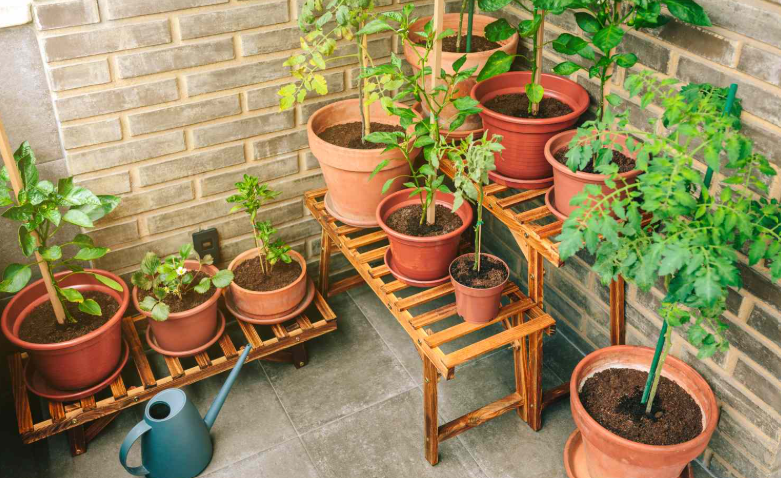
Container gardening has revolutionized vegetable growing for millions of people worldwide, making fresh food production accessible to those with limited or no outdoor garden space. A 2021 survey by the National Gardening Association found that over 35 percent of American households participated in some form of container gardening, with vegetable growing representing the fastest-growing segment. Balconies, patios, rooftops, and windowsills have become productive growing spaces, with container vegetable gardening now practiced in urban environments across every continent.
The advantages of container vegetable gardening extend well beyond space efficiency. Containers allow precise control over soil quality, drainage, and fertility, often producing superior results to garden beds in poor native soil conditions. Container-grown vegetables also tend to suffer fewer soil-borne pest and disease problems than ground-grown crops, and the ability to move containers allows gardeners to optimize sun exposure and protect plants from unexpected weather events throughout the season.
The range of vegetables that can be successfully grown in containers is broader than most gardeners realize, extending well beyond the traditional tomato or herb planter. Modern breeding programs have produced compact, dwarf, and patio-specific varieties of nearly every popular vegetable, specifically developed for container performance. With the right container size, growing medium, watering regime, and variety selection, a productive container vegetable garden can supply a significant proportion of a household’s fresh vegetable needs throughout the growing season.
Also Read: Most Challenging Vegetables to Grow
Vegetables That Grow Well in Containers
Tomatoes
Tomatoes are the most popular container vegetable worldwide, with compact and dwarf varieties bred specifically for pot culture. Varieties such as Tumbling Tom, Balcony, and Patio produce abundant harvests in containers as small as 12 inches in diameter. Indeterminate varieties can also be grown in larger containers of 15 to 20 gallons with adequate support. Regular watering and weekly feeding with a high-potassium fertilizer are essential for consistent production.
Peppers
Peppers are outstanding container vegetables, thriving in pots of 10 to 12 inches in diameter with excellent results in both sweet and hot varieties. Their naturally compact growth habit makes them well suited to container culture without the need for special dwarf varieties. Container-grown peppers can be moved indoors before the first frost, extending the productive season significantly. Both ornamental and culinary varieties perform equally well in containers on sunny patios and balconies.
Cucumbers
Bush cucumber varieties perform excellently in large containers of at least 12 to 15 gallons, producing generous harvests of fresh fruits over an extended season. Compact varieties such as Bush Pickle and Spacemaster are specifically suited to container growing without requiring extensive trellising. A simple upright stake or small trellis attached to the container allows plants to grow vertically, maximizing space. Consistent watering is particularly critical for container cucumbers, as irregular moisture causes bitter fruits and blossom drop.
Also Read: Vegetables That Grow Well In Greenhouses
Lettuce
Lettuce is one of the easiest and most productive container vegetables, growing happily in shallow containers as little as 6 inches deep. Cut-and-come-again loose-leaf varieties are particularly productive in containers, providing multiple harvests from a single planting over several weeks. Lettuce can be grown in window boxes, hanging baskets, and decorative pots, making it as ornamental as it is functional. Successive sowings in small containers every two to three weeks ensure a continuous supply of fresh leaves throughout the growing season.
Also Read: Vegetables that Grow Well In Full Sun
Spinach
Spinach grows very successfully in containers as shallow as 6 to 8 inches, making it one of the most space-efficient container vegetables available. It prefers cooler temperatures and can be grown on partially shaded balconies or patios where other vegetables might not perform as well. Container-grown spinach is particularly convenient for kitchen use, positioned near the door for easy harvesting during meal preparation. Regular cutting of outer leaves encourages continuous production of fresh new growth from the center of each plant.
Radishes
Radishes are among the fastest and easiest container vegetables to grow, maturing from seed to harvest in as little as three to four weeks. They require only 6 inches of soil depth, making them suitable for even the shallowest containers. Their rapid growth cycle makes them ideal for filling gaps between slower-maturing container vegetables. Successive sowings every two weeks in small containers ensure a continuous supply of fresh radishes throughout the growing season.
Kale
Kale grows well in containers of at least 12 inches in diameter and depth, producing abundant leaves over a very long season from spring through winter. Dwarf varieties such as Dwarf Blue Curled are particularly well suited to container culture, remaining compact while producing generous harvests. Container-grown kale can be moved to a sheltered position during cold snaps, extending its productive season even further. Regular harvesting of outer leaves encourages continuous production of fresh, tender new growth.
Swiss Chard
Swiss chard is a visually striking container vegetable, with its brightly colored stems adding ornamental value alongside its culinary productivity. It grows well in containers of 12 inches or more in depth, producing large, nutritious leaves over a very long harvest period. Rainbow chard mixtures, which include stems in red, yellow, orange, and white, are particularly attractive in decorative patio containers. Regular watering and monthly feeding keep container-grown chard productive for many months.
Beans
Dwarf bush bean varieties are ideally suited to container growing, thriving in pots of at least 12 inches in diameter and producing generous harvests of tender pods. They are fast-maturing crops that go from sowing to harvest in as little as seven to eight weeks under warm conditions. Container-grown beans fix atmospheric nitrogen, gently improving the fertility of the growing medium for subsequent plantings in the same container. Regular picking of pods before they become mature encourages continuous production throughout the season.
Also Read: Vegetables That Grow Well With Tomatoes
Peas
Shorter, semi-leafless pea varieties grow successfully in deep containers of at least 12 inches, requiring only a simple twig or small trellis for support. Their attractive flowers add ornamental appeal alongside their culinary productivity, making them a decorative as well as functional container choice. Peas are cool-season crops that can be grown in containers during spring and autumn when warmer-season vegetables are not yet performing. Container-grown peas are largely protected from the pea moth damage that commonly affects outdoor crops.
Zucchini
Compact and bush zucchini varieties grow very productively in large containers of at least 15 to 20 gallons, producing abundant harvests of tender fruits throughout the summer. Their large, dramatic leaves and bright yellow flowers make container-grown zucchini an attractive addition to patio plantings. Hand pollination using a small brush ensures good fruit set in container situations where pollinator access may be limited. Regular harvesting of young fruits every two to three days maintains plant productivity and prevents individual fruits from overwhelming the plant.
Eggplant
Eggplant thrives in containers of 12 to 15 gallons, particularly in warm, sheltered patio positions where the container’s heat retention benefits root development. Compact varieties such as Patio Baby and Fairy Tale are specifically suited to container culture, producing abundant small fruits on manageable plants. The attractive purple flowers and glossy fruits make container-grown eggplant a striking ornamental feature on sunny patios and terraces. Regular feeding with a high-potassium fertilizer from flowering onward supports consistent, high-quality fruit production.
Spring Onions
Spring onions are among the most space-efficient container vegetables, growing successfully in containers as shallow as 6 to 8 inches in tight clusters. They mature quickly from seed, typically within eight to ten weeks, and can be harvested progressively as the container fills with growth. Container-grown spring onions are conveniently positioned near the kitchen for easy use in cooking and salads throughout the growing season. Successive sowings every three weeks in small containers provide a continuous supply without requiring significant space.
Also Read: Vegetables That Are Actually Fruits
Beetroot
Beetroot grows well in deep containers of at least 12 inches, with round or cylindrical varieties performing better in containers than traditional long varieties. Baby beetroot varieties are particularly suited to container culture, reaching harvest size quickly in relatively small pots. Both the nutritious roots and the edible leaves can be harvested from container-grown beetroot, maximizing the productivity of each planting. Consistent watering is important to prevent the roots from becoming woody or splitting due to uneven moisture supply.
Carrots
Short and round carrot varieties such as Chantenay, Paris Market, and Thumbelina are specifically suited to container growing in deep pots of at least 12 inches. Longer varieties require containers of 15 inches or more in depth to develop properly without forking or stunting. Container growing eliminates the main limitations of outdoor carrot cultivation, providing the deep, loose, stone-free growing medium that produces straight, well-formed roots. Container-grown carrots are also largely protected from carrot fly, one of the most damaging outdoor carrot pests.
Potatoes
Potatoes are surprisingly productive container vegetables when grown in purpose-made potato bags or large containers of at least 15 to 20 gallons capacity. A single large container planted with three to five seed potatoes can produce 5 to 10 pounds of new potatoes in a single season. Container growing eliminates the blight pressure that commonly affects outdoor potato crops in wet seasons. Harvesting is particularly simple and satisfying from containers, requiring no digging and causing no disturbance to surrounding plants.
Garli
Garlic grows successfully in containers of at least 8 to 10 inches in depth, planted in autumn for summer harvesting in the same way as garden-grown crops. Individual cloves can be spaced relatively closely in containers compared to garden beds, making efficient use of available growing space. Container-grown garlic is protected from the excessive rainfall that can cause bulb rot in outdoor plantings during wet winters. Harvested garlic bulbs from container plantings are often as large and flavorful as those produced in garden beds.
Also Read: Best Vegetables For Raised Bed Gardening
Chili Peppers
Chili peppers are outstanding container vegetables, with their naturally compact habit and ornamental qualities making them ideal for patio and balcony growing. Even the smallest containers of 8 to 10 inches in diameter can support productive chili plants throughout the summer season. Their attractive fruits in shades of red, orange, yellow, and purple add considerable ornamental value to container displays. Container-grown chilies can be overwintered indoors in frost-free conditions and produce even heavier crops in their second year.
Turnips
Baby turnip varieties grow well in containers of 12 inches in depth, producing tender, mild-flavored roots within just six to eight weeks of sowing. Both the roots and the nutritious leafy tops provide a dual harvest from a single container planting. Container-grown turnips are largely protected from the flea beetle damage that commonly affects outdoor crops. Their fast growth cycle makes them practical for filling temporary gaps in container displays between plantings of slower-maturing vegetables.
Asian Greens
Asian greens including pak choi, mizuna, and tatsoi are outstanding container vegetables, growing quickly in shallow containers of just 6 to 8 inches in depth. Their fast maturity from seed to harvest, often within three to four weeks for baby leaves, makes them highly productive container crops. The ornamental qualities of many Asian green varieties, particularly purple mizuna and tatsoi, add decorative value to container displays. Container growing allows Asian greens to be moved to shadier positions during warmer periods, preventing premature bolting.
Also Read: Vegetables that Grow Well In Desert
Arugula
Arugula is one of the quickest and easiest container salad crops, germinating rapidly and reaching harvest size within three to four weeks of sowing in containers as shallow as 6 inches. Its peppery flavor intensifies pleasantly in cooler weather, making it a particularly valuable autumn and winter container crop. Multiple sowings in small containers positioned near the kitchen provide a convenient and continuous supply for salads and cooking. Container-grown arugula is easily protected from the flea beetle damage that commonly affects outdoor crops.
Mustard Greens
Mustard greens grow quickly and productively in shallow containers of 6 to 8 inches in depth, providing peppery, flavorful leaves within four to six weeks of sowing. Their bold leaf colors, including deep red and burgundy in some varieties, add ornamental value to container displays alongside their culinary productivity. Container-grown mustard greens are convenient for cut-and-come-again harvesting, with new leaves regenerating quickly after cutting. Their tolerance of cool temperatures makes them particularly valuable for extending the container growing season into autumn and winter.
Endive
Endive grows well in containers of at least 8 to 10 inches in depth, producing slightly bitter, flavorful leaves over a long harvest period in cool weather. Its attractive, frilly foliage adds ornamental appeal to container displays while providing a useful salad ingredient. Container growing allows endive to be positioned in partially shaded spots where other vegetables might not perform as well. A light covering of an upturned pot or cardboard over container-grown endive for a week before harvesting blanches the leaves, reducing bitterness.
Kohlrabi
Kohlrabi grows successfully in containers of at least 10 to 12 inches in depth and diameter, with its unusual swollen stem developing fully in the confined space of a pot. Fast-maturing varieties reach harvest size within six to eight weeks of sowing, making them practical and rewarding container crops. Both purple and white varieties add ornamental interest to container displays with their distinctive appearance. Regular watering is important for container-grown kohlrabi, as moisture stress causes the swollen stem to become tough and fibrous.
Celery
Compact celery varieties grow reasonably well in large, deep containers of at least 12 inches, providing the consistent moisture and fertility that this demanding crop requires. Container growing makes it easier to maintain the consistent watering regime that celery needs throughout its long growing season. Self-blanching varieties are most practical for container growing, eliminating the need for earthing-up that traditional varieties require. While celery remains a challenging container crop, the controlled growing environment of a pot can actually improve results compared to outdoor growing in difficult conditions.
Microgreens
Microgreens are among the most productive and space-efficient container crops available, growing from seed to harvest in just one to three weeks in shallow trays as little as 2 to 3 inches deep. A windowsill, countertop, or small shelf space is all that is required to produce nutritious microgreens year-round. Their high nutritional density, with some varieties containing up to 40 times more nutrients than their mature counterparts, makes them exceptional value from minimal growing space. A wide range of vegetables including radish, sunflower, pea, and beet can be grown as productive and flavorful microgreens.
Perpetual Spinach
Perpetual spinach is a more reliable container crop than true spinach, as it does not bolt readily in response to heat or day length changes. It grows well in containers of 10 to 12 inches in depth, producing large, mild-flavored leaves over a very long harvest period from spring through winter. Container-grown perpetual spinach can be moved to a sheltered position during cold snaps to extend its productive season. Its low maintenance requirements make it one of the most practical and rewarding long-season container vegetables available.
Fennel
Florence fennel grows in deep containers of at least 12 to 15 inches, with its feathery, aromatic foliage adding considerable ornamental value to container displays throughout the growing season. Container growing reduces the risk of bolting that makes outdoor fennel so challenging, as soil moisture and temperature can be managed more precisely. Regular watering and feeding support the development of the swollen bulb base that makes Florence fennel such a prized culinary vegetable. Both the bulb and the feathery fronds are edible, maximizing the value of each container planting.
Cress
Cress is one of the simplest and fastest container vegetables available, germinating within a day or two and reaching harvest size in just one to two weeks in the shallowest possible containers or even on damp cotton wool. Its peppery flavor makes it a valuable addition to salads, sandwiches, and garnishes throughout the year. Container-grown cress requires virtually no care beyond keeping the growing medium moist throughout the brief growing period. Successive sowings every week or two in small containers ensure a continuous supply of fresh cress with almost no effort or expense.
Chard and Beet Greens
Young beet greens and chard leaves grown specifically as salad greens rather than for their roots or mature leaves are outstanding container crops, reaching harvest size within three to four weeks of sowing in containers of 6 to 8 inches in depth. Their attractive red, yellow, and green stems add considerable ornamental value to container displays alongside their culinary productivity. Cut-and-come-again harvesting of young leaves encourages continuous production of tender new growth over an extended period. Both crops are exceptionally nutritious, providing high levels of vitamins, minerals, and antioxidant compounds in even small harvested quantities.
Also Read: Cold-Hardy Vegetables For Winter Climates