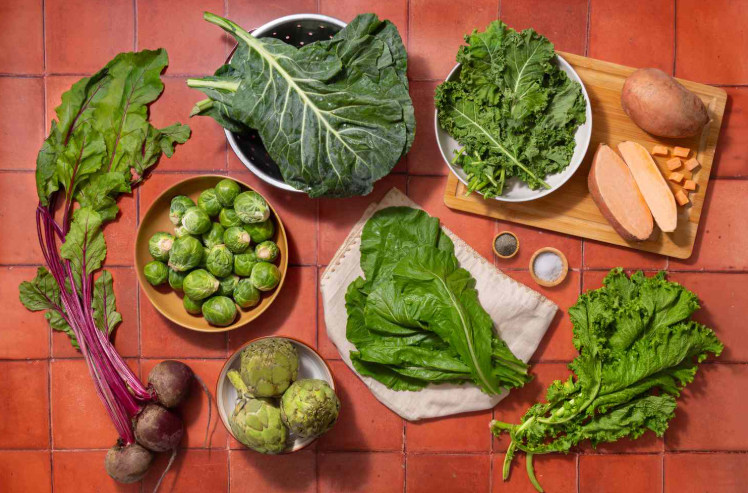
Dietary fiber is one of the most important nutritional components found in vegetables, playing a critical role in digestive health, blood sugar regulation, cholesterol management, and long-term disease prevention. The World Health Organization recommends a daily fiber intake of at least 25 grams for adults, yet studies consistently show that the majority of people in developed countries consume only 15 to 17 grams per day on average, representing a significant and widespread nutritional shortfall. Increasing vegetable consumption is one of the most effective and accessible strategies for closing this fiber gap.
Vegetables provide two distinct types of dietary fiber, soluble and insoluble, both of which offer important but different health benefits. Soluble fiber dissolves in water to form a gel-like substance that slows digestion, helps regulate blood sugar levels, and binds to cholesterol in the digestive tract, reducing its absorption into the bloodstream. Insoluble fiber adds bulk to stools, promotes regular bowel movements, and supports the health of the intestinal lining, reducing the risk of colorectal cancer, which is the third most common cancer globally.
Research has consistently demonstrated that high vegetable fiber intake is associated with significantly reduced risks of heart disease, type 2 diabetes, obesity, and several types of cancer. A landmark study published in The Lancet found that people consuming 25 to 29 grams of fiber daily had a 15 to 30 percent lower risk of dying from cardiovascular disease and cancer compared to those consuming less. With vegetables forming the foundation of virtually every high-fiber dietary pattern associated with longevity and good health, understanding which vegetables deliver the most fiber per serving is valuable knowledge for anyone seeking to improve their diet.
Also Read: Vegetables With Phytonutrients
Vegetables High in Fiber
Artichokes
Artichokes are among the highest-fiber vegetables available, with a single medium artichoke providing approximately 10 grams of dietary fiber. This impressive fiber content comes primarily from inulin, a prebiotic soluble fiber that feeds beneficial gut bacteria and supports digestive health. Artichokes also contain cynarin, a compound that supports liver function and cholesterol management. Their combination of high fiber and valuable phytonutrients makes artichokes one of the most nutritionally significant vegetables available.
Green Peas
Green peas are an outstanding source of dietary fiber, providing approximately 8 to 9 grams per cooked cup, along with substantial amounts of plant-based protein. Their fiber content includes both soluble and insoluble types, supporting both digestive regularity and blood sugar management. Peas are also among the most versatile vegetables, suitable for fresh eating, cooking, freezing, and drying for long-term storage. Their combination of fiber, protein, and essential vitamins makes green peas one of the most nutritionally complete vegetables available.
Lentils
While technically a legume, lentils are widely consumed as a vegetable and provide an extraordinary 15 to 16 grams of fiber per cooked cup, making them one of the highest-fiber foods available in any category. Their fiber content is predominantly soluble, making them particularly effective at lowering cholesterol and regulating blood sugar levels. Lentils are also one of the richest plant sources of iron and protein, making them nutritionally exceptional beyond their fiber content alone. They are among the most widely consumed high-fiber foods globally, forming the dietary foundation of many traditional cuisines.
Black Beans
Black beans provide approximately 15 grams of fiber per cooked cup, placing them among the most fiber-rich foods in the entire vegetable and legume category. Their high resistant starch content acts as a prebiotic, feeding beneficial gut bacteria and supporting long-term digestive health. Black beans are also exceptionally rich in antioxidant compounds, with their deep black color indicating high levels of anthocyanins. Regular consumption of black beans has been associated with significantly reduced risks of heart disease and type 2 diabetes in multiple large-scale studies.
Chickpeas
Chickpeas provide approximately 12 to 13 grams of dietary fiber per cooked cup, along with substantial protein and a range of important micronutrients. Their balanced combination of soluble and insoluble fiber supports both blood sugar regulation and digestive regularity simultaneously. Chickpeas are one of the oldest cultivated legumes in human history, forming the dietary foundation of traditional cuisines across the Middle East, South Asia, and the Mediterranean. Their mild, nutty flavor and versatile texture make them one of the most widely used high-fiber ingredients in global cooking.
Kidney Beans
Kidney beans contain approximately 11 to 13 grams of fiber per cooked cup, with their fiber content primarily consisting of insoluble fiber that promotes digestive regularity and supports intestinal health. They are also an excellent source of plant-based protein, iron, and folate, making them nutritionally significant beyond their fiber content. Kidney beans are particularly associated with reduced risk of colorectal cancer in epidemiological studies, likely due to their high fiber and resistant starch content. Their firm texture and robust flavor make them one of the most satisfying and filling high-fiber vegetables available.
Also Read: Best Vegetables for Making Soup
Split Peas
Split peas provide approximately 16 grams of fiber per cooked cup, making them one of the absolute highest-fiber foods available in any food category. Their very high soluble fiber content makes them particularly effective at lowering LDL cholesterol and improving blood sugar control. Split peas also break down easily during cooking, making their fiber highly bioavailable and easily digestible compared to some other high-fiber legumes. Traditional split pea soup has been a staple high-fiber meal in cold-climate cuisines for centuries.
Edamame
Edamame, or fresh soybeans, provides approximately 8 grams of fiber per cup alongside an impressive 17 grams of complete plant protein. Their combination of fiber and protein makes edamame one of the most nutritionally complete plant foods available. Edamame is also rich in isoflavones, phytoestrogen compounds associated with reduced risks of certain hormone-related cancers. Their pleasant, slightly sweet flavor and easy preparation make them one of the most accessible and appealing high-fiber snack vegetables.
Brussels Sprouts
Brussels sprouts provide approximately 4 grams of fiber per cooked cup, along with exceptional levels of vitamins C and K and potent anti-cancer sulfur compounds. Their fiber content is predominantly insoluble, supporting digestive regularity and intestinal health. Brussels sprouts also contain sulforaphane, one of the most studied and promising anti-cancer compounds found in any vegetable. Regular consumption of Brussels sprouts has been associated with reduced risks of several types of cancer in numerous epidemiological studies.
Broccoli
Broccoli provides approximately 5 grams of fiber per cooked cup, making it one of the higher-fiber brassica vegetables available. Its fiber content is complemented by extraordinary levels of vitamin C, vitamin K, and folate, along with powerful anti-cancer compounds including sulforaphane and indole-3-carbinol. Broccoli is also one of the few vegetables that provides meaningful quantities of calcium, making it particularly valuable in plant-based diets. Its combination of fiber, phytonutrients, and micronutrients makes broccoli one of the most comprehensively nutritious vegetables available.
Also Read: Best Vegetables for Stir-Frying
Carrots
Carrots provide approximately 3.5 to 4 grams of fiber per cup, with their fiber content primarily consisting of pectin, a soluble fiber with particularly strong cholesterol-lowering properties. Carrots are also the richest vegetable source of beta-carotene, the precursor to vitamin A, providing over 200 percent of the daily recommended intake in a single medium carrot. Their natural sweetness, versatility, and exceptional nutritional profile make carrots one of the most widely consumed vegetables globally. Regular carrot consumption has been associated with improved eye health, reduced cancer risk, and better cardiovascular outcomes.
Kale
Kale provides approximately 4 to 5 grams of fiber per cooked cup, alongside extraordinary concentrations of vitamins A, C, and K that make it one of the most nutrient-dense vegetables available. Its fiber content includes both soluble and insoluble types, supporting comprehensive digestive health. Kale also contains lutein and zeaxanthin, two carotenoid compounds associated with significantly reduced risks of age-related macular degeneration and cataracts. Its combination of high fiber and exceptional micronutrient density makes kale one of the most nutritionally powerful vegetables available to gardeners and shoppers alike.
Spinach
Spinach provides approximately 4 grams of fiber per cooked cup, along with exceptional levels of iron, folate, and vitamins A and C. Its fiber content supports digestive health while its rich concentration of nitrates has been shown to improve athletic performance and cardiovascular function in multiple clinical studies. Spinach is also one of the richest vegetable sources of lutein and zeaxanthin, supporting long-term eye health. As one of the most versatile and nutritionally dense leafy greens available, spinach represents outstanding nutritional value per calorie consumed.
Sweet Potatoes
Sweet potatoes provide approximately 4 grams of fiber per medium baked potato, with their fiber content including a particularly beneficial combination of soluble pectin and insoluble cellulose. They are also the richest food source of beta-carotene available, with a single sweet potato providing over 400 percent of the recommended daily vitamin A intake. Sweet potatoes have a lower glycemic impact than regular potatoes despite their natural sweetness, largely due to their fiber content slowing sugar absorption. They are consistently ranked among the most nutritionally complete single foods available in any category.
Butternut Squash
Butternut squash provides approximately 6 grams of fiber per cooked cup, making it one of the higher-fiber vegetables in the squash family. Its fiber content supports digestive regularity while its rich beta-carotene content provides powerful antioxidant protection. Butternut squash is also a good source of vitamin C, magnesium, and potassium, contributing to cardiovascular and bone health. Its naturally sweet, creamy flesh makes it one of the most palatable high-fiber vegetables for people seeking to increase their dietary fiber intake.
Acorn Squash
Acorn squash provides approximately 9 grams of fiber per cooked cup, making it one of the highest-fiber squash varieties available. Its combination of soluble and insoluble fiber supports both blood sugar management and digestive regularity. Acorn squash is also rich in vitamin C, thiamine, and potassium, contributing to immune function and cardiovascular health. Its mild, slightly sweet flavor and easy preparation make it a practical and appealing high-fiber addition to autumn and winter menus.
Parsnips
Parsnips provide approximately 6 to 7 grams of fiber per cooked cup, making them one of the higher-fiber root vegetables available. Their fiber content includes a significant proportion of soluble fiber, contributing to cholesterol lowering and blood sugar regulation. Parsnips are also rich in folate, vitamin C, and potassium, supporting cardiovascular health and immune function. Their sweet, slightly spicy flavor that intensifies after frost exposure makes them a particularly enjoyable high-fiber winter vegetable.
Turnips
Turnips provide approximately 3 to 4 grams of fiber per cooked cup, with their highly nutritious greens providing even greater fiber concentrations than the roots themselves. Turnip greens contain approximately 5 grams of fiber per cooked cup alongside exceptional levels of vitamins A, C, and K. Both the roots and greens of turnips contribute meaningful fiber to the diet, making this a particularly comprehensive high-fiber vegetable. Turnips are also among the most cold-hardy and easy-to-grow high-fiber vegetables available to the home gardener.
Also Read: Tropical and Subtropical Vegetables To Grow
Beets
Beets provide approximately 3.5 to 4 grams of fiber per cooked cup, with their fiber content supporting digestive health and the growth of beneficial gut bacteria through prebiotic activity. Beets are also exceptionally rich in dietary nitrates, betalain pigments, and folate, contributing to cardiovascular health and athletic performance. Research has shown that beet consumption can measurably reduce blood pressure and improve exercise endurance in healthy adults. Both the roots and the highly nutritious beet greens contribute to overall fiber intake from this versatile vegetable.
Celery
Celery provides approximately 2 grams of fiber per cup of chopped stalks, primarily in the form of insoluble fiber that supports digestive regularity. Its high water content, approximately 95 percent, makes it one of the lowest-calorie high-fiber vegetables available, with a large stalk providing fewer than 10 calories. Celery also contains phthalides, compounds that have been shown to lower blood pressure by relaxing arterial muscles. Its crisp texture and mild flavor make celery one of the most accessible and convenient high-fiber snack vegetables available.
Corn
Sweet corn provides approximately 3.5 to 4 grams of fiber per ear, with its fiber content primarily consisting of insoluble cellulose that supports digestive health and regularity. Corn is also a good source of thiamine, folate, and several antioxidant carotenoids including lutein and zeaxanthin. Popcorn, the whole grain form of corn, provides even higher fiber concentrations, with approximately 4 grams per serving. Its widespread popularity and versatility in cooking make corn one of the most consumed high-fiber vegetables globally.
Asparagus
Asparagus provides approximately 3 to 4 grams of fiber per cooked cup, with a significant portion consisting of inulin, a prebiotic soluble fiber that feeds beneficial gut bacteria. Asparagus is also an exceptional source of folate, vitamin K, and the antioxidant glutathione, one of the most important cellular antioxidants produced by the human body. Its unique flavor and brief seasonal availability make fresh asparagus one of the most anticipated and prized spring vegetables in temperate climates. Regular asparagus consumption has been associated with improved digestive health and reduced inflammatory markers in clinical studies.
Cabbage
Cabbage provides approximately 4 grams of fiber per cooked cup, with its fiber content supporting digestive regularity and the health of the intestinal lining. Raw cabbage, as used in coleslaw and fermented as sauerkraut, retains even higher fiber concentrations than cooked forms. Fermented cabbage products like sauerkraut and kimchi combine the fiber benefits of raw cabbage with probiotic cultures that further support digestive health. Cabbage is also one of the most affordable and widely available high-fiber vegetables globally, making its nutritional benefits accessible to virtually everyone.
Cauliflower
Cauliflower provides approximately 3 grams of fiber per cooked cup, alongside exceptional levels of vitamin C and powerful anti-cancer sulfur compounds. Its mild flavor and versatile texture have made it one of the most popular vegetables for low-carbohydrate cooking, where it substitutes for rice, mashed potatoes, and pizza bases. Cauliflower is also an excellent source of choline, a nutrient important for brain health and liver function that is frequently undersupplied in plant-based diets. Its combination of fiber, micronutrients, and versatility makes cauliflower an outstanding addition to any high-fiber dietary pattern.
Garlic
Garlic provides approximately 0.6 grams of fiber per clove, but its prebiotic inulin fiber content has disproportionate benefits for gut health relative to the small quantities typically consumed. Regular garlic consumption has been shown to significantly increase populations of beneficial Lactobacillus and Bifidobacterium bacteria in the gut. Garlic’s sulfur compounds also provide powerful anti-inflammatory, antibacterial, and cardiovascular protective effects that complement its fiber benefits. As one of the most widely used culinary ingredients globally, garlic contributes meaningful prebiotic fiber to the diets of billions of people daily.
Onions
Onions provide approximately 2 to 3 grams of fiber per medium onion, with a significant portion consisting of fructooligosaccharides, powerful prebiotic compounds that selectively feed beneficial gut bacteria. Their prebiotic fiber content has been shown to significantly improve gut microbiome diversity in multiple clinical studies. Onions are also rich in quercetin, one of the most potent anti-inflammatory flavonoids found in any food, with demonstrated benefits for cardiovascular health and allergy management. As one of the most universally consumed vegetables globally, onions contribute important prebiotic fiber to diets across virtually every culinary tradition.
Leeks
Leeks provide approximately 2 to 3 grams of fiber per cooked cup, with a significant proportion consisting of prebiotic inulin and fructooligosaccharides that support gut microbiome health. Their mild, sweet onion flavor makes them one of the most palatable high-fiber vegetables for people who find raw onions too pungent. Leeks are also a good source of vitamin K, folate, and manganese, contributing to bone health and metabolic function. Their long harvest season, extending from summer through winter depending on variety, makes them a valuable and practical high-fiber vegetable for home gardeners.
Also Read: Most Popular Chinese Vegetables
Fennel
Fennel provides approximately 3 to 4 grams of fiber per cup of raw sliced bulb, with its fiber content supporting digestive health and the relief of digestive discomfort. Fennel has been used medicinally for centuries to relieve bloating, gas, and intestinal cramping, with its fiber content and volatile oil compounds both contributing to these digestive benefits. It is also a good source of vitamin C, potassium, and the phytonutrient anethole, which has demonstrated anti-inflammatory and anti-cancer properties. Both the bulb and the feathery fronds of fennel are edible and nutritious, maximizing the fiber value of this versatile vegetable.
Okra
Okra provides approximately 3 to 4 grams of fiber per cooked cup, with its distinctive mucilaginous fiber content making it particularly effective at trapping cholesterol and bile acids in the digestive tract. This gel-like soluble fiber also has beneficial effects on blood sugar management, making okra a particularly valuable vegetable for people with or at risk of type 2 diabetes. Okra is also a good source of vitamins C and K, folate, and magnesium, contributing to immune function and bone health. Its unique textural properties, resulting from its high soluble fiber content, make it an indispensable ingredient in traditional cuisines across Africa, Asia, and the American South.
Pumpkin
Pumpkin provides approximately 3 grams of fiber per cooked cup, with its beta-carotene content making it one of the richest orange-pigmented sources of antioxidant carotenoids available. Its fiber content supports digestive regularity while its impressive array of antioxidants provides protection against oxidative stress and inflammation. Pumpkin seeds are an additional source of fiber and provide exceptional concentrations of magnesium, zinc, and plant-based omega-3 fatty acids. The combination of high fiber, low calorie density, and exceptional micronutrient content makes pumpkin one of the most nutritionally efficient vegetables available.
Eggplant
Eggplant provides approximately 2.5 to 3 grams of fiber per cooked cup, with its skin containing particularly high concentrations of nasunin, a powerful antioxidant anthocyanin that protects brain cells from oxidative damage. Its fiber content supports digestive health while its chlorogenic acid content provides anti-inflammatory and blood sugar-regulating benefits. Eggplant is also one of the lowest-calorie substantial vegetables available, making it an excellent high-fiber, low-calorie addition to weight management diets. The deep purple skin should always be retained during cooking to preserve maximum fiber and antioxidant content.
Zucchini
Zucchini provides approximately 2 to 3 grams of fiber per cooked cup, with its high water content making it one of the most hydrating high-fiber vegetables available. Its mild flavor and versatile texture have made it one of the most popular vegetables for incorporating additional fiber into a wide range of cooked dishes. Zucchini is also a good source of vitamin C, manganese, and lutein, supporting immune function and eye health. Leaving the skin intact during preparation maximizes the fiber content, as much of the insoluble fiber is concentrated in the outer layer.
Kohlrabi
Kohlrabi provides approximately 5 grams of fiber per cup of raw chopped pieces, making it one of the higher-fiber brassica vegetables available. Its crisp texture when raw makes it a satisfying and crunchy high-fiber snack that can be eaten much like an apple. Kohlrabi is also exceptionally rich in vitamin C, providing over 100 percent of the daily recommended intake in a single cup. Its combination of high fiber, low calorie density, and excellent micronutrient content makes kohlrabi an outstanding addition to any high-fiber dietary plan.
Celeriac
Celeriac provides approximately 3 grams of fiber per 100 grams of raw flesh, with its fiber content supporting digestive health and gut microbiome diversity. Its mild, celery-like flavor makes it a versatile ingredient in soups, purees, gratins, and raw salads. Celeriac is also a good source of vitamin K, phosphorus, and vitamin C, contributing to bone health and immune function. Its dense, starchy texture provides a satisfying and filling quality that makes it an excellent high-fiber substitute for potatoes in many culinary applications.
Swiss Chard
Swiss chard provides approximately 4 grams of fiber per cooked cup, alongside extraordinary concentrations of vitamins A, C, and K that make it one of the most micronutrient-dense leafy greens available. Its fiber content supports digestive health while its betalain pigments provide powerful anti-inflammatory and antioxidant protection. Swiss chard is also exceptionally rich in magnesium, a mineral that plays critical roles in over 300 enzymatic reactions in the human body. Regular consumption of Swiss chard has been associated with improved blood sugar regulation and reduced inflammatory markers in observational studies.
Also Read: Popular African Vegetables
Collard Greens
Collard greens provide approximately 5 to 6 grams of fiber per cooked cup, making them one of the highest-fiber leafy green vegetables available. Their insoluble fiber content is particularly effective at binding bile acids in the digestive tract, a mechanism that significantly reduces cholesterol reabsorption and lowers blood cholesterol levels. Collard greens are also one of the richest vegetable sources of calcium and vitamin K, supporting bone health in plant-based diets. As a staple of traditional Southern American and African cuisines, collard greens have nourished populations for centuries with their exceptional nutritional density.
Mustard Greens
Mustard greens provide approximately 3 to 4 grams of fiber per cooked cup, alongside powerful glucosinolate compounds that give them their characteristic pungent flavor and anti-cancer properties. Their fiber content combines with their exceptional vitamin K and vitamin A concentrations to make them one of the most nutritionally comprehensive leafy greens available. Mustard greens have a long history of use in traditional medicine across Asia and Africa, where their digestive and anti-inflammatory benefits have been recognized for centuries. Their bold, spicy flavor makes them one of the most distinctive and memorable high-fiber leafy vegetables.
Radicchio
Radicchio provides approximately 1.5 to 2 grams of fiber per cup of raw leaves, with its distinctive bitter flavor resulting from inulin, a prebiotic soluble fiber that feeds beneficial gut bacteria. Its deep red-purple color indicates exceptionally high concentrations of anthocyanin antioxidants associated with reduced risks of cardiovascular disease and cognitive decline. Radicchio is also a good source of vitamin K and folate, supporting bone health and cardiovascular function. Its bold, bitter flavor complements sweeter ingredients in salads and becomes mellower and more complex when grilled or roasted.
Artichoke Hearts
Artichoke hearts provide approximately 7 to 8 grams of fiber per cooked cup, with their inulin content being particularly beneficial for supporting a diverse and healthy gut microbiome. Their concentration of cynarin and silymarin compounds supports liver health and bile production, complementing the digestive benefits of their fiber content. Artichoke hearts are also a good source of folate, magnesium, and phosphorus, contributing to cardiovascular health and bone integrity. Their rich, slightly sweet flavor and satisfying texture make them one of the most enjoyable high-fiber vegetables to include in Mediterranean-style meals.
Broad Beans (Fava Beans)
Broad beans provide approximately 9 grams of fiber per cooked cup, making them one of the highest-fiber leguminous vegetables available. Their combination of high fiber and high protein content makes them particularly satisfying and nutritionally complete as a standalone vegetable dish. Broad beans are also an excellent source of folate, manganese, and copper, supporting cardiovascular health and metabolic function. As one of the oldest cultivated food plants in human history, broad beans have provided essential fiber and nutrition to populations across Europe, Africa, and Asia for thousands of years.
Runner Beans
Runner beans provide approximately 6 to 7 grams of fiber per cooked cup, with their fiber content supporting digestive health and providing prebiotic benefits for gut microbiome diversity. They are also a good source of plant-based protein, iron, and folate, making them nutritionally comprehensive beyond their fiber contribution. Runner beans are one of the most productive vegetable crops for home gardeners, producing abundant harvests of fiber-rich pods over extended periods from a small planting area. Their bold flavor and satisfying texture make them one of the most enjoyable high-fiber vegetables in traditional British and European summer cooking.