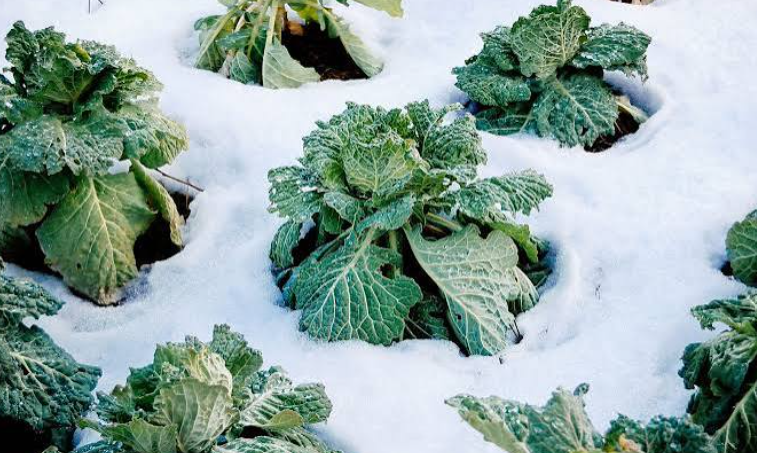
Cold-hardy vegetables are crops capable of surviving and actively growing in temperatures at or below freezing, making them indispensable for gardeners seeking to extend their growing season beyond the traditional frost-free months. Research indicates that a well-planned cold-hardy vegetable garden can extend the growing season by as much as four to six months in temperate climates, dramatically increasing the total annual food production from a given garden space. Some cold-hardy crops not only survive frost but actually improve in flavor after exposure to freezing temperatures, as the plant converts starches to sugars in response to cold stress.
The ability of vegetables to tolerate cold varies considerably across species and even among varieties within the same species. Light frost tolerance generally refers to surviving temperatures down to 28 degrees Fahrenheit (-2 degrees Celsius), while hard frost tolerance extends to 24 degrees Fahrenheit (-4 degrees Celsius) or below. Certain exceptionally cold-hardy crops such as kale, mache, and spinach can survive temperatures as low as 10 to 15 degrees Fahrenheit (-9 to -12 degrees Celsius) when properly hardened off through gradual exposure to cooling temperatures.
Growing cold-hardy vegetables has gained significant popularity in recent years as interest in year-round self-sufficiency and food security has increased among home gardeners worldwide. The global market for season extension products including cold frames, row covers, and polytunnels has grown substantially, reflecting this increased demand for cold-weather growing capability. With the right crop selection and simple protective measures, gardeners in most temperate climates can maintain a productive vegetable garden throughout the entire year.
Also Read: Most Challenging Vegetables to Grow
Vegetables that Can Survive Frost
Kale
Kale is one of the most cold-tolerant vegetables available, capable of surviving temperatures as low as 10 degrees Fahrenheit (-12 degrees Celsius) when properly hardened. Its flavor improves dramatically after frost exposure, becoming sweeter and more complex as starches convert to sugars.
Kale continues producing harvestable leaves throughout winter in most temperate climates with minimal protection. It is also one of the most nutritionally dense vegetables available, making it an exceptionally valuable cold-season crop.
Spinach
Spinach is remarkably cold-hardy for a leafy green, tolerating temperatures down to around 15 to 20 degrees Fahrenheit (-9 to -6 degrees Celsius) with proper hardening. Like kale, its flavor improves noticeably after frost exposure, with leaves becoming sweeter and more tender.
Spinach can be sown in autumn and overwintered successfully under a cold frame or row cover in most temperate climates. It is one of the first vegetables to resume active growth in early spring, providing fresh leaves when little else is available.
Swiss Chard
Swiss chard is a cold-tolerant vegetable that survives temperatures down to around 15 to 25 degrees Fahrenheit (-9 to -4 degrees Celsius) with some protection. Its large, colorful stems and broad leaves continue producing through light to moderate frosts in most climates.
A layer of row cover or cold frame protection significantly extends its productive season into deep winter. Chard is also highly nutritious, providing substantial quantities of vitamins A, C, and K alongside important minerals.
Also Read: Vegetables that Grow Well In Full Sun
Brussels Sprouts
Brussels sprouts are among the most frost-tolerant of all brassica vegetables, with mature plants surviving temperatures down to 10 to 15 degrees Fahrenheit (-12 to -9 degrees Celsius). Exposure to frost dramatically improves the flavor of the sprouts, reducing bitterness and developing a pleasant sweetness that makes them far more enjoyable than those harvested before cold weather arrives.
They are typically planted in spring or early summer specifically to time their harvest for the cold autumn and winter months. Brussels sprouts are one of the few vegetables that genuinely improve with frost exposure rather than merely tolerating it.
Cabbage
Cabbage is a dependably cold-hardy vegetable with mature heads tolerating temperatures as low as 20 degrees Fahrenheit (-6 degrees Celsius) without significant damage. Winter cabbage varieties are specifically bred for cold tolerance and can remain in the garden through hard frosts while maintaining their quality.
The dense, compact heads provide natural insulation for the interior leaves, protecting the edible portion even when outer leaves freeze and thaw repeatedly. Cabbage is one of the most important staple vegetables in cold-climate cooking traditions worldwide.
Broccoli
Broccoli is a cold-hardy brassica that tolerates temperatures down to around 25 degrees Fahrenheit (-4 degrees Celsius), with some varieties showing even greater cold resistance. Autumn-harvested broccoli grown specifically for cold-season production often develops richer flavor and more intense color than summer-grown crops.
Light frost actually improves broccoli’s flavor by triggering sugar production in the developing heads. Winter-hardy varieties such as Purple Sprouting Broccoli can survive through winter in mild climates and produce abundant side shoots in early spring.
Also Read: Vegetables That Grow Well In Greenhouses
Cauliflower
While cauliflower is generally considered a challenging crop, winter-hardy varieties are capable of surviving temperatures down to around 20 to 25 degrees Fahrenheit (-6 to -4 degrees Celsius) with some protection. Overwintering cauliflower varieties planted in late summer are harvested the following spring, providing fresh produce during a period when the vegetable garden is otherwise largely unproductive.
The developing curd benefits from the protection of its surrounding leaves during cold weather, which naturally fold over to shield it from frost damage. Selecting specifically bred overwintering varieties is essential for success with cauliflower in cold conditions.
Carrots
Carrots are surprisingly cold-hardy root vegetables that can remain in the ground through hard frosts, with the soil providing natural insulation for the developing roots. Frost exposure significantly improves carrot flavor, converting starches to sugars and producing a noticeably sweeter, more complex taste than summer-harvested carrots.
In many climates, carrots can be left in the ground throughout winter and harvested as needed, providing fresh vegetables on demand during the coldest months. Covering the bed with a thick layer of straw mulch before hard freezes provides additional protection and makes winter harvesting easier.
Parsnips
Parsnips are among the most cold-hardy of all root vegetables, tolerating ground temperatures well below freezing and actually requiring frost exposure to develop their best flavor. Like carrots, the conversion of starches to sugars in response to cold produces a rich, sweet, nutty flavor that makes winter-harvested parsnips far superior to those dug before the first frosts.
They can remain in the ground throughout winter in most temperate climates, harvested as needed from beneath a protective mulch layer. Parsnips are one of the longest-standing staple winter vegetables in European culinary traditions.
Leeks
Leeks are exceptionally cold-hardy vegetables, with well-established plants tolerating temperatures down to 10 degrees Fahrenheit (-12 degrees Celsius) or even lower in some hardy varieties. Winter leek varieties are specifically bred for cold tolerance and can stand in the garden throughout the coldest months, providing fresh harvests on demand.
Their upright growth habit means they are less susceptible to rotting in wet winter conditions than many other vegetables. Leeks are an indispensable ingredient in cold-climate winter cooking, forming the base of soups, stews, and casseroles across many culinary traditions.
Also Read: Vegetables That Grow Well With Tomatoes
Garlic
Garlic is planted in autumn specifically to take advantage of its exceptional cold hardiness, with well-established plants tolerating temperatures well below freezing throughout the winter months. The cold period is actually necessary for garlic’s development, as vernalization triggers the formation of the separate cloves within the bulb.
Autumn-planted garlic resumes active growth in early spring and is typically harvested in early to midsummer, making it one of the most time-efficient crops in the kitchen garden. Hardneck varieties are generally more cold-tolerant than softneck types, making them the preferred choice for gardeners in colder climates.
Onions
Overwintering onion varieties are cold-hardy enough to be planted in autumn and left in the ground throughout winter, producing earlier and larger bulbs than spring-planted sets. Japanese overwintering onion varieties are particularly cold-tolerant, surviving temperatures down to around 10 to 15 degrees Fahrenheit (-12 to -9 degrees Celsius) in well-drained soil.
The cold period stimulates bulb development, resulting in earlier and more reliable harvests the following summer. Overwintered onions typically produce larger bulbs that store longer than those grown from spring plantings.
Mache (Corn Salad)
Mache, also known as corn salad or lamb’s lettuce, is one of the most cold-hardy salad crops available, surviving temperatures as low as 5 degrees Fahrenheit (-15 degrees Celsius) without protection. Its small, rounded, velvety leaves maintain their quality and flavor throughout the coldest winter months, making it an outstanding year-round salad ingredient.
Mache grows slowly but reliably in cold conditions, providing a steady supply of leaves when most other salad crops have succumbed to winter temperatures. It is one of the very few salad greens capable of producing a genuine harvest in midwinter without any form of protection.
Arugula
Arugula is a cold-tolerant salad green that survives temperatures down to around 20 to 25 degrees Fahrenheit (-6 to -4 degrees Celsius) with minimal protection. Its peppery flavor intensifies slightly in cold weather, producing leaves with an appealing bite that complements winter salad mixes.
Under a simple cold frame or row cover, arugula can produce harvestable leaves throughout winter in most temperate climates. Successive sowings in late summer and early autumn ensure a continuous supply of fresh leaves through the coldest months.
Turnips
Turnips are cold-hardy root vegetables that tolerate temperatures down to around 20 degrees Fahrenheit (-6 degrees Celsius), with both the roots and the nutritious greens remaining in good condition after light to moderate frosts.
Frost exposure improves the flavor of turnip roots, reducing pungency and developing a pleasant mild sweetness. Baby turnips are particularly cold-tolerant and can be harvested throughout winter from beneath a simple row cover. Both the roots and the highly nutritious turnip greens provide valuable cold-season harvests.
Radishes
Winter radish varieties such as daikon and black radish are considerably more cold-hardy than their quick-maturing spring counterparts, tolerating temperatures down to around 25 degrees Fahrenheit (-4 degrees Celsius).
These larger, slower-growing varieties develop their best flavor after frost exposure and can remain in the ground for extended periods without deteriorating. Winter radishes are significantly larger than spring types, with daikon varieties reaching lengths of 12 to 18 inches or more. Their crisp texture and pungent flavor make them valuable ingredients in winter salads, pickling, and Asian culinary traditions.
Peas
Overwintering pea varieties are cold-hardy enough to be sown in autumn and left in the ground through winter in mild to moderate climates, producing very early spring harvests weeks ahead of spring-sown crops.
Established pea plants can survive temperatures down to around 20 degrees Fahrenheit (-6 degrees Celsius) with some protection. The early spring harvest of overwintered peas captures the sweetest, most tender pods before warm temperatures cause quality to decline. In milder climates, overwintered peas can begin producing harvestable pods as early as late winter.
Also Read: Best Vegetables For Raised Bed Gardening
Broad Beans (Fava Beans)
Broad beans are among the most cold-hardy of all legumes, with autumn-sown plants tolerating temperatures down to 15 degrees Fahrenheit (-9 degrees Celsius) or lower in established plantings. Overwintering broad beans develop stronger, more resilient root systems than spring-sown plants and typically produce earlier and heavier harvests.
The cold period also helps control the blackfly aphid infestations that commonly devastate spring-sown crops, as plants are already large and robust by the time aphid populations build up in late spring. Autumn sowing of broad beans is standard practice in many mild and maritime climate regions.
Claytonia (Miner’s Lettuce)
Claytonia is an exceptionally cold-hardy winter salad green capable of surviving temperatures as low as 15 degrees Fahrenheit (-9 degrees Celsius) without protection. Its succulent, mild-flavored leaves provide a tender and refreshing addition to winter salads when grown under a cold frame or polytunnel.
Claytonia is a low-maintenance crop that requires minimal care once established, making it ideal for winter growing when garden attention is naturally reduced. It self-seeds prolifically, often establishing a self-sustaining colony in the vegetable garden over successive seasons.
Sorrel
Sorrel is a cold-hardy perennial vegetable that resumes growth very early in spring, often producing harvestable leaves while frost is still occurring regularly. Established sorrel crowns survive temperatures well below freezing and return reliably each spring without any replanting.
Its distinctive lemony, acidic flavor makes it a unique and valuable ingredient in soups, sauces, and salads during the early spring hunger gap. As a perennial, sorrel requires virtually no management once established, providing reliable cold-season harvests for many years from a single planting.
Also Read: Vegetables That Thrive in Red Soil
Mustard Greens
Mustard greens are cold-tolerant leafy vegetables that survive temperatures down to around 20 degrees Fahrenheit (-6 degrees Celsius), with their bold, spicy flavor intensifying pleasantly in cold weather. They grow rapidly even in cool conditions, providing harvestable leaves within four to six weeks of sowing in most climates.
Under a row cover or cold frame, mustard greens remain productive throughout winter in mild to moderate climates. Their strong flavor adds character to winter salad mixes and is excellent in stir-fries and braised dishes.
Celeriac
Celeriac is a surprisingly cold-hardy root vegetable that tolerates temperatures down to around 20 to 25 degrees Fahrenheit (-6 to -4 degrees Celsius) when well established in the soil. The roots can remain in the ground through moderate frosts and be harvested as needed throughout autumn and early winter.
A covering of straw mulch over the planting area provides additional protection during more severe cold snaps. Celeriac’s rich, celery-like flavor makes it a prized ingredient in winter soups, purees, and roasted vegetable dishes.
Beetroot
Beetroot roots tolerate light to moderate frosts when left in the ground, with the soil providing natural insulation during cold periods. A protective mulch of straw over the planting area extends the in-ground storage period significantly during colder weather.
The leaves of beetroot are more frost-sensitive than the roots, typically dying back at the first hard frost while the roots beneath remain undamaged. Baby beetroot varieties are particularly quick to mature and can be sown in late summer for cold-season harvesting before deep winter arrives.
Endive and Chicory
Endive and chicory are cold-tolerant salad crops that survive temperatures down to around 20 to 25 degrees Fahrenheit (-6 to -4 degrees Celsius) with minimal protection. Their slightly bitter flavor complements other winter salad ingredients and actually mellows somewhat after frost exposure.
Under a cold frame or polytunnel, endive and chicory provide reliable harvests of flavorful leaves throughout the winter months in most temperate climates. Forcing chicory roots in a warm, dark location produces tender, pale chicons that are a prized winter delicacy in European cuisine.
Asian Greens
Asian greens including pak choi, mizuna, tatsoi, and Chinese cabbage are cold-tolerant crops that survive temperatures down to around 20 to 25 degrees Fahrenheit (-6 to -4 degrees Celsius). Their rapid growth rate means they can be sown in late summer and early autumn for winter harvesting under minimal protection.
Tatsoi is particularly cold-tolerant, with its flat, spoon-shaped leaves surviving hard frosts that would damage less hardy Asian green varieties. The diverse flavors and textures of Asian greens add variety and nutrition to the winter diet.
Also Read: Vegetables that Grow Well In Desert
Kohlrabi
Kohlrabi is a moderately cold-hardy brassica that tolerates temperatures down to around 25 degrees Fahrenheit (-4 degrees Celsius), with autumn-sown plants often overwintering successfully in mild climates. Its swollen stem base remains in good condition after light frost exposure, and the flavor becomes milder and slightly sweeter in cold weather.
Purple varieties tend to show somewhat greater cold tolerance than white types, making them a better choice for late-season and overwintering plantings. Kohlrabi is a fast-maturing crop that can be sown in succession through late summer for a continuous cold-season harvest.
Perpetual Spinach
Perpetual spinach, also known as spinach beet, is a close relative of Swiss chard that is considerably more cold-tolerant than true spinach, surviving temperatures down to around 15 to 20 degrees Fahrenheit (-9 to -6 degrees Celsius). Unlike true spinach, it does not bolt readily in response to cold or day length changes, providing a more extended and reliable harvest period.
Its leaves are slightly larger and more substantial than true spinach, with a mild flavor suitable for both raw and cooked applications. Perpetual spinach is an exceptionally low-maintenance crop that provides reliable harvests over a very long season with minimal intervention.
Land Cress
Land cress, also known as American cress or winter cress, is one of the most cold-hardy salad crops available, tolerating temperatures down to around 10 degrees Fahrenheit (-12 degrees Celsius) without significant damage. It provides a peppery, watercress-like flavor to winter salads and continues producing harvestable leaves throughout the coldest months with minimal protection.
Land cress grows well in shaded or partially shaded positions, making it useful in parts of the garden where other cold-hardy crops might not receive sufficient winter sunlight. Its exceptional cold hardiness and low maintenance requirements make it one of the most reliable and underappreciated winter salad crops available.
Also Read: Types of Vegetables With Seeds