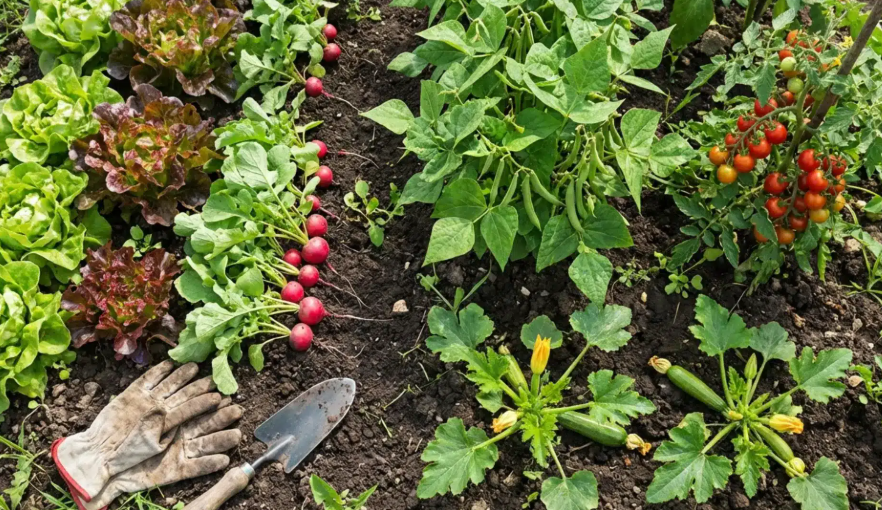
Companion planting is the practice of growing different plant species in close proximity to one another so that each benefits from the presence of the other, creating a mutually supportive growing environment. This ancient agricultural technique has been practiced for thousands of years across diverse cultures, from the Native American Three Sisters planting of corn, beans, and squash to the intricate polyculture systems of traditional Asian and African farming. Today, companion planting has experienced a significant revival among organic gardeners and sustainable agriculture practitioners worldwide.
The benefits of companion planting are numerous and varied, operating through several different mechanisms. Some companion plants repel harmful insects through the release of volatile chemical compounds, while others attract beneficial predatory insects that feed on common garden pests. Additional benefits include improved pollination, enhanced soil fertility through nitrogen fixation, physical support between plants, and the suppression of weeds through dense ground coverage.
One of the most well-documented mechanisms of companion planting is the use of aromatic plants to confuse or deter pest insects. Plants such as basil, marigolds, and nasturtiums release scent compounds that interfere with the ability of pest insects to locate their host plants by smell. This natural pest confusion reduces the need for chemical pesticides and creates a healthier, more balanced garden ecosystem overall.
Companion planting also plays an important role in soil health and fertility management. Leguminous plants such as beans, peas, and clover host nitrogen-fixing bacteria in their root nodules, enriching the surrounding soil with available nitrogen that neighboring plants can utilize. Deep-rooted companion plants like comfrey and dandelion draw up minerals from lower soil layers, making them available to shallower-rooted neighbors through leaf decomposition.
The concept of companion planting extends beyond pest management and soil fertility to include physical and structural relationships between plants. Tall plants provide beneficial shade for heat-sensitive shorter companions during hot summer months, while sprawling groundcover plants suppress weeds and retain moisture around the base of taller neighbors. These physical interactions create more efficient use of garden space and resources.
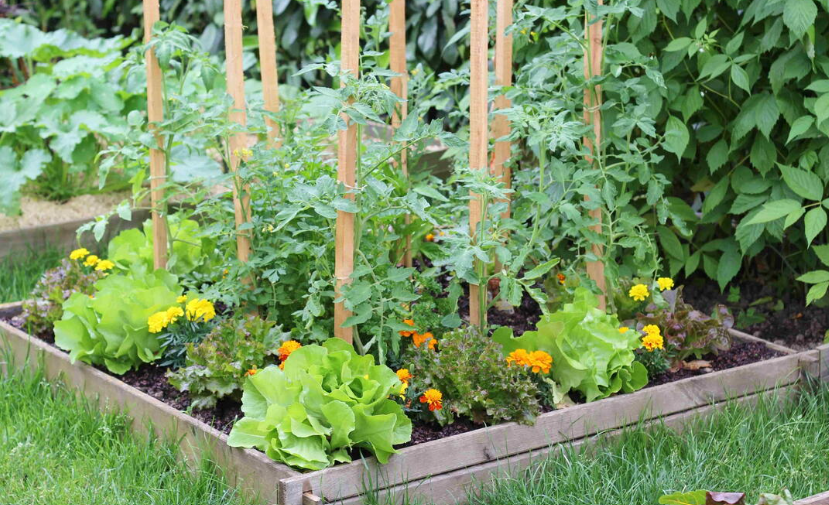
Vegetables That Grow Well With Tomatoes
Basil
Basil is perhaps the most famous tomato companion, with generations of gardeners reporting improved tomato flavor and reduced pest pressure when the two are planted together. Basil is believed to repel thrips, aphids, and whiteflies through the release of its aromatic volatile oils, creating a less hospitable environment for these common tomato pests. Some gardeners also report that basil attracts beneficial pollinators that improve tomato fruit set. Beyond the garden bed, the culinary partnership between tomatoes and basil is equally celebrated.
Carrots
Carrots make excellent tomato companions, as their slender roots penetrate and loosen the soil around tomato root zones, improving aeration and drainage. While carrots planted near established tomatoes may grow somewhat smaller due to light competition, they still produce a usable harvest. In return, tomato plants provide light shade that can help prevent carrot tops from becoming bitter in hot weather. This mutually beneficial relationship makes efficient use of both vertical and underground garden space.
Parsley
Parsley is a valuable tomato companion that attracts beneficial insects, particularly parasitic wasps that prey on tomato hornworm caterpillars, one of the most damaging tomato pests. Allowing some parsley plants to flower produces umbel-shaped blooms that are highly attractive to these beneficial predators. Parsley also attracts predatory beetles and hoverflies whose larvae consume aphids and other soft-bodied pests. Interplanting parsley among tomatoes creates a natural pest management system that reduces the need for intervention.
Also Read: Vegetables that Grow Well Together
Marigolds
Marigolds are one of the most widely recommended tomato companions in both home and commercial growing, with their root secretions shown to suppress soil-dwelling nematodes that attack tomato roots. French marigolds in particular are most effective for nematode control, with studies showing significant reductions in nematode populations when marigolds are grown as a preceding or interplanted crop. Above ground, marigold flowers attract hoverflies and other beneficial insects while their scent is said to deter whiteflies. Their bright flowers also add considerable ornamental value to the vegetable garden.
Garlic
Garlic is a powerful tomato companion whose strong sulfurous compounds are believed to repel spider mites, aphids, and other common tomato pests when planted at the base of tomato plants. Some gardeners also use garlic sprays made from crushed cloves as a natural pesticide around tomato plants, with reported success in deterring a range of insects and fungal pathogens. Garlic is a space-efficient companion that fits easily between tomato plants without competing significantly for light or nutrients. Its harvesting time in early summer also coincides conveniently with the period when tomatoes are beginning their peak growth.
Borage
Borage is a particularly valuable tomato companion, traditionally believed to repel tomato hornworms and attract bumblebees that dramatically improve tomato pollination rates. Its star-shaped blue flowers are among the most attractive blooms to bumblebees in the entire vegetable garden. Borage also accumulates minerals including potassium in its leaves, which release back into the soil as the plant decomposes, potentially benefiting neighboring tomatoes. As an added bonus, borage flowers are edible and make an attractive garnish for summer salads.
Asparagus
Asparagus and tomatoes share a remarkably complementary relationship that benefits both plants over the long term. Tomatoes repel the asparagus beetle through the release of solanine compounds in their leaves and roots, while asparagus releases a chemical called asparagusic acid that has been shown to repel root-knot nematodes harmful to tomatoes. Because asparagus is a perennial and tomatoes are annuals, the two can be planted in adjacent rows where tomatoes shade the soil around asparagus crowns in summer. This long-term planting partnership is particularly valuable for gardeners with dedicated asparagus beds.
Celery
Celery is believed to repel the white cabbage butterfly and other flying insects that might otherwise trouble tomato plants, through the release of its strongly aromatic volatile compounds. The two plants also have complementary root systems, with celery’s fibrous shallow roots occupying different soil layers than tomato’s deeper root system. Celery benefits from the light shade provided by taller tomato plants during hot summer periods, which can prevent the bitterness that develops when celery is exposed to intense heat. This makes them practical neighbors in most vegetable garden layouts.
Lettuce
Lettuce makes an ideal low-growing companion beneath tomato plants, taking advantage of the dappled shade provided by the tomato canopy during hot summer months. Without this shade, lettuce quickly bolts in summer heat, turning bitter and unpalatable. The dense leafy growth of lettuce also acts as a living mulch, suppressing weeds and retaining soil moisture around tomato roots. Because lettuce matures and is harvested relatively quickly, it efficiently uses garden space before tomatoes reach their full spread.
Also Read: Vegetables That Are Actually Fruits
Spinach
Spinach performs a similar role to lettuce as a low-growing tomato companion, thriving in the partial shade created by tomato plants during the warmer parts of the growing season. Its dense foliage suppresses weeds and helps maintain soil moisture levels around the base of tomato plants. Spinach is a light feeder that does not compete significantly with tomatoes for soil nutrients. It can be sown at the base of tomato transplants and harvested before the tomatoes reach full size, making efficient use of available space.
Amaranth
Amaranth is a useful tall companion for tomatoes, attracting predatory ground beetles that feed on soil-dwelling pests harmful to tomato root systems. Its upright growth habit means it does not shade tomato plants excessively while still providing structural diversity in the planting area. Amaranth is also a dynamic accumulator, drawing up nutrients from deep soil layers through its extensive root system. Both the leaves and seeds of amaranth are edible, making it a productive as well as functional companion plant.
Peppers
Peppers and tomatoes belong to the same plant family and share similar growing requirements for sun, water, and soil fertility, making them compatible garden neighbors. Both plants benefit from similar fertilization regimes and irrigation schedules, simplifying garden management. Planting peppers alongside tomatoes also makes efficient use of space and resources in the vegetable bed. While they share some of the same pests and diseases, the benefits of their compatibility generally outweigh the risks when proper crop rotation is practiced across seasons.
Chives
Chives are a compact, easy-to-grow companion for tomatoes, with their onion-scented foliage believed to deter aphids, spider mites, and other soft-bodied pests that commonly affect tomato plants. Their attractive purple or white flowers in summer draw in beneficial pollinators that improve fruit set throughout the tomato bed. Chives are perennial plants that return reliably each year, making them a low-maintenance permanent companion in tomato-growing areas. They require minimal space and can be tucked neatly between tomato plants without competing significantly for resources.
Also Read: Best Vegetables For Raised Bed Gardening
Nasturtiums
Nasturtiums serve a dual role as tomato companions, functioning as both a trap crop and a pest deterrent. As a trap crop, nasturtiums attract aphids away from tomato plants, drawing these pests onto their own foliage where they can be more easily managed or simply tolerated. Simultaneously, nasturtiums are believed to repel whiteflies and squash bugs through the release of airborne chemical compounds. Both the flowers and leaves of nasturtiums are edible, adding ornamental and culinary value to the vegetable garden alongside their pest management function.
Cucumber
Cucumbers and tomatoes grow well together in the garden, sharing similar requirements for warm temperatures, consistent moisture, and full sun exposure. The two plants occupy different vertical spaces when cucumbers are trained up a trellis alongside tomatoes, making highly efficient use of garden area. Cucumbers do not appear to significantly compete with tomatoes for nutrients or water when given adequate spacing. Both plants also benefit from the same pollinator insects, creating a combined attraction that improves fruit set for both crops simultaneously.
Beans
Bush beans and climbing beans are valuable tomato companions that enrich the surrounding soil through nitrogen fixation in their root nodules. This natural nitrogen release reduces the need for supplemental fertilization and supports the heavy feeding requirements of tomato plants. Beans also attract beneficial insects and help suppress weeds around the base of tomato plants. Care should be taken to avoid planting pole beans too close to tall tomato varieties where shading might become an issue.
Squash
Squash plants make effective groundcover companions for tomatoes, with their large leaves covering the soil surface around tomato bases, suppressing weeds and reducing moisture evaporation. This living mulch effect reduces the watering and weeding workload in the tomato bed significantly. Squash and tomatoes also generally ripen at similar times, making harvest management straightforward. Adequate spacing is important to ensure squash vines do not overwhelm tomato stems as they spread.
Mint
Mint is a powerful aromatic companion whose strong volatile oils are widely believed to deter aphids, flea beetles, and other common tomato pests when planted nearby. Because mint spreads aggressively through underground runners, it is most practically grown in containers sunk into the ground near tomato plants rather than planted directly in the bed. This containment approach captures the pest-deterrent benefits of mint while preventing it from overtaking neighboring crops. Mint flowers also attract beneficial parasitic wasps and hoverflies whose larvae prey on common garden pests.
Lemon Balm
Lemon balm is a lightly scented herb whose aromatic foliage is believed to repel various flying insect pests while attracting pollinators and beneficial predatory insects to the tomato bed. Its flowers are particularly attractive to bees, whose presence improves tomato fruit set and overall yield. Like mint, lemon balm can spread vigorously and is often best managed in containers near the tomato bed. The leaves of lemon balm are also harvested for culinary and herbal tea use, making it a productive companion plant beyond its pest management functions.
Radishes
Radishes are fast-growing, space-efficient companions that can be sown between tomato transplants and harvested long before the tomatoes reach their full spread. Their quick growth and harvesting cycle makes them ideal for filling temporary gaps in the vegetable bed efficiently. Radishes are also believed to deter flea beetles and cucumber beetles that might otherwise affect tomato plants and neighboring crops. Some gardeners leave a few radishes to bolt and flower, as the blooms attract beneficial insects to the tomato growing area.
Corn
Corn provides useful structural support and wind protection for tomato plants when grown in adjacent rows, with its tall stems breaking the force of strong winds that can damage tomato foliage and fruit. Corn also attracts certain predatory insects that help control aphid populations in neighboring tomato plants. The two crops have complementary nutrient requirements that allow them to grow together without excessive competition. This combination also makes efficient use of vertical garden space, with corn occupying the tallest tier and tomatoes the middle layer.
Dill
Dill is a particularly valuable tomato companion in its young, vegetative stage, attracting beneficial insects including parasitic wasps, lacewings, and predatory beetles that feed on common tomato pests. However, mature dill that has gone to seed can inhibit tomato growth, so it is important to remove or replace dill plants before they reach full maturity near tomatoes. Young dill also attracts the caterpillars of the black swallowtail butterfly, which may serve as a trap crop diverting butterfly damage from other plants. Managing dill carefully around tomatoes allows gardeners to capture its considerable benefits while avoiding potential growth inhibition.
Thyme
Thyme is a low-growing aromatic herb that serves as an effective groundcover companion beneath tomato plants, suppressing weeds while releasing volatile compounds that deter a range of tomato pests. Its dense, spreading habit makes it an attractive living mulch that reduces soil moisture evaporation around tomato roots. Thyme flowers in summer are highly attractive to bees and other beneficial insects that improve pollination rates throughout the vegetable garden. As a perennial herb, thyme requires minimal maintenance and provides ongoing companion planting benefits year after year.
Also Read: Vegetables That Thrive in Red Soil
Oregano
Oregano is a strongly aromatic Mediterranean herb that makes an excellent groundcover companion for tomatoes, with its pungent volatile oils believed to repel aphids, spider mites, and other common tomato pests. Like thyme, oregano spreads to form a dense, low mat that suppresses weeds and helps retain soil moisture around the base of tomato plants. Its small white or pink flowers in midsummer attract beneficial pollinators and predatory insects to the tomato growing area. Oregano is a perennial in most climates, providing reliable, low-maintenance companion planting benefits season after season.