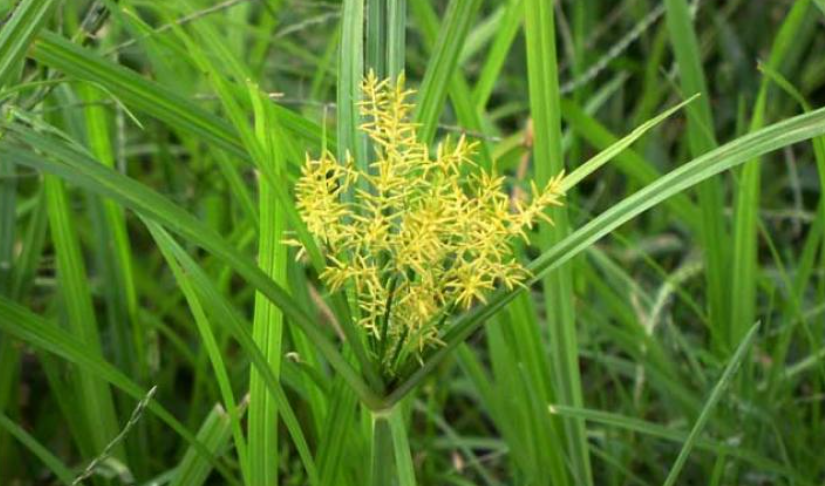
Weeds that grow in wet areas have adapted to conditions that would drown or rot the roots of most ordinary garden and lawn plants, from waterlogged ditches and pond margins to the soggy, poorly drained corner of a yard that never quite dries out. Several of the plants on this list are genuinely dangerous, since a damp ditch is exactly the kind of overlooked spot where a highly toxic species can establish itself for years before anyone notices, so knowing which wetland weeds are worth a wide berth matters just as much as knowing which ones are simply a nuisance.
Not every plant on this list behaves the same way once it takes hold, either. Some, like duckweed and water hyacinth, float freely and can double their coverage of a pond within weeks, while others send roots deep into saturated soil and spread outward through rhizomes that make hand-pulling nearly pointless. That distinction matters for anyone managing a ditch, pond, or low-lying yard, since a technique that clears floating vegetation off open water does nothing at all to slow a rooted colony expanding along the bank.
These plants span floating aquatic species, tall emergent wetland grasses, and low woodland ground cover, with growth habits ranging from a rosette barely an inch across to a shrub several feet tall. What follows covers 24 weeds that grow in wet areas.
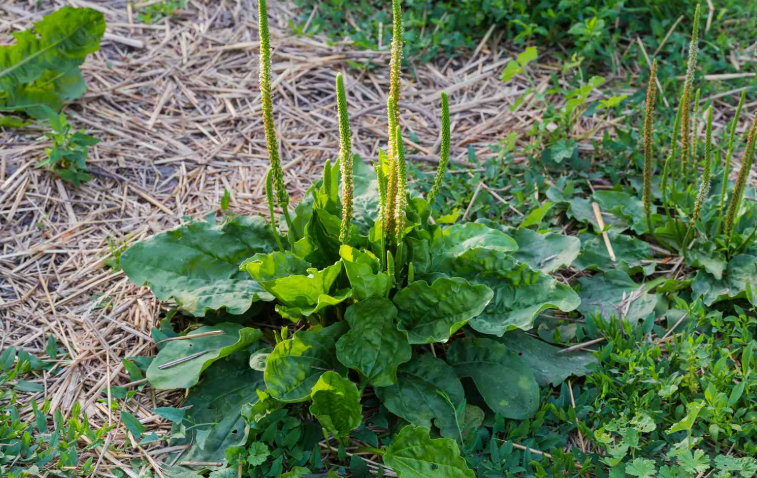
Cattail
Cattail produces tall, flat, sword-shaped leaves and the unmistakable brown, cylindrical seed head that gives the plant its name, forming dense colonies along the edges of ponds and marshes. A single mature plant can release well over 200,000 wind-dispersed seeds from just one seed head, and its extensive underground rhizome network lets a colony expand steadily outward year after year.
It grows throughout wetland margins across nearly all of North America, often the first plant to colonize a newly formed or disturbed patch of standing water.
Purple Loosestrife
Purple loosestrife produces stiff, angular, reddish-tinged stems topped with tall spikes of vivid magenta-purple flowers each summer, a display striking enough that it was originally introduced as a garden ornamental. A single mature plant can produce over 2 million seeds in a season, an output that’s helped it overwhelm native wetland vegetation across huge areas of the country.
It grows throughout wetlands and marsh edges across most of the United States and Canada, absent only from Florida.
Common Reed
Common reed, also called phragmites, forms dense, towering stands that can reach 15 feet tall, with feathery, plume-like flower heads and broad, coarse leaves lining each hollow stem. An aggressive introduced lineage of the species has largely displaced the native form across much of its North American range, forming monocultures so dense that almost nothing else can grow beneath them.
It grows throughout wetlands and shorelines across nearly all of North America.
Water Hemlock
Water hemlock produces finely divided, toothed leaves and flat clusters of small white flowers atop a hollow, purple-streaked stem, closely resembling several safer wetland plants at a casual glance. It’s considered one of the most acutely poisonous plants in North America, with just a small piece of the root capable of killing an adult within a couple of hours of ingestion.
It grows throughout wet, marshy ground along streams and ditches across the United States and Canada, and positive identification before handling any similar-looking wetland plant is genuinely important.
Poison Hemlock
Poison hemlock produces finely divided, fern-like leaves on a smooth, hollow stem marked with distinctive purple blotches, often growing in the same damp ditches and low ground favored by several safer carrot-family relatives. Every part of the plant is highly toxic if ingested, and its purple-spotted stem is one of the most reliable features separating it from the plants it resembles.
It grows throughout roadside ditches and disturbed wet ground across most of the United States and Canada.
Jewelweed
Jewelweed produces translucent, succulent stems and delicate orange or yellow, spurred flowers that dangle from the plant like tiny slippers each summer. Its ripe seed pods burst open at the slightest touch, flinging seeds several feet in every direction, which is how the plant earned its other common name, touch-me-not.
It grows throughout the moist, shaded ground along streams and wet woodland edges across the eastern United States and Canada, and its crushed stem juice has long been used as a folk remedy applied to poison ivy rashes.
Marsh Marigold
Marsh marigold produces glossy, kidney-shaped leaves and bright, waxy yellow flowers that open in very early spring, often while snow still lingers nearby. It’s one of the first wetland plants to bloom each year, sometimes flowering directly at the edge of still-icy water before most other vegetation has even begun to stir.
It grows throughout wet meadows, swamps, and stream banks across the northern United States and Canada.
Skunk Cabbage
Skunk cabbage produces enormous, broad leaves that unfurl from a hooded, mottled purple-brown flower structure appearing even before the snow has fully melted each spring. Its flower generates its own metabolic heat, capable of melting the snow immediately around it, and releases a distinctly unpleasant odor that attracts the early-season flies responsible for pollinating it.
It grows throughout wet, boggy woodlands across the northeastern United States and Canada.
Duckweed
Duckweed consists of tiny, free-floating leaf-like fronds, often just a few millimeters across, that can multiply so rapidly they coat the entire surface of a still pond in a matter of weeks. It’s among the smallest flowering plants in the world, and a single frond can double its population in as little as a couple of days under warm, nutrient-rich conditions.
It grows throughout still or slow-moving ponds and ditches across nearly all of North America.
Soft Rush
Soft rush forms dense, upright tufts of smooth, round, pithy stems without any true leaves, giving the plant a distinctly grass-like appearance from a distance despite belonging to an entirely different plant family. Its stems stay green through much of the year, providing structure in a wetland planting even after surrounding vegetation has died back for winter.
It grows throughout wet meadows, ditches, and pond margins across most of North America.
Sedge
Sedge, a broad group distinct from both true grasses and true rushes, is most reliably identified by its solid, triangular stem, which can be felt by rolling the stem between 2 fingers. Numerous species occupy nearly every wet habitat imaginable, from shallow standing water to consistently damp meadow soil, often forming the dominant groundcover in an undisturbed wetland.
It grows throughout wetlands and moist meadows across nearly all of North America.
Reed Canary Grass
Reed canary grass forms dense, tall stands of coarse, wide blades capable of reaching 6 feet or more, spreading aggressively through both an extensive rhizome system and abundant seed production. It’s considered one of the most difficult wetland grasses to control once established, since it tolerates both flooding and periods of drier soil equally well.
It grows throughout wet meadows, ditches, and streambanks across the northern United States and Canada.
Watercress
Watercress produces small, rounded, peppery-flavored leaves on trailing stems that root directly in the mud of clean, cold-running streams, forming a sprawling, semi-aquatic mat. Its sharp, mustard-like bite comes from the same class of compounds found in horseradish and true mustard, though foragers are advised to harvest only from genuinely unpolluted water.
It grows throughout much of North America wherever clean, cold streams provide the right conditions.
Arrowhead
Arrowhead, also called wapato or duck potato, produces distinctive arrow-shaped leaves that rise above the water’s surface from starchy underground tubers rooted in shallow pond and marsh mud. Its tubers historically floated free once dislodged by wading, allowing them to be gathered directly from the water’s surface rather than dug from the mud by hand.
It grows throughout shallow freshwater habitats across much of North America.
Alligatorweed
Alligatorweed produces thick, sprawling stems and small white flower clusters, forming dense mats capable of growing both rooted in shoreline mud and floating freely across open water simultaneously. That dual aquatic and terrestrial growth habit makes a single infestation unusually difficult to contain within any one management approach.
It grows throughout wetlands and slow-moving waterways across the southeastern United States.
Water Hyacinth
Water hyacinth produces rounded, glossy leaves atop inflated, spongy stems that keep the entire plant afloat, forming dense mats capable of covering the surface of an entire pond or slow-moving river. It was introduced to the United States at the 1884 World’s Fair in New Orleans before spreading into Florida’s waterways, where it eventually choked off river commerce entirely.
It grows throughout warm, slow-moving waterways across the southern United States.
Yellow Flag Iris
Yellow flag iris produces tall, sword-shaped leaves and showy, bright yellow flowers that closely resemble a garden iris, spreading through thick, interconnected underground rhizomes along pond and stream edges. Its dense root mat can alter water flow patterns in a ditch or stream significantly enough to worsen local flooding where it’s allowed to spread unchecked.
It grows throughout wetlands and pond margins across much of the United States, originally introduced from Europe as an ornamental.
Swamp Milkweed
Swamp milkweed produces narrow, lance-shaped leaves and clusters of fragrant pink flowers, distinguished from its drier-habitat relative common milkweed by its clear preference for consistently wet soil. Like other milkweed species, it releases a thin, milky sap when broken and serves as an important host plant for monarch butterfly caterpillars.
It grows throughout wet meadows, marshes, and pond edges across most of the eastern and central United States.
Buttonbush
Buttonbush produces glossy, oval leaves and distinctive spherical white flower clusters that resemble a pincushion, blooming each summer on a shrub capable of tolerating standing water for extended periods. Its unusual round seed heads persist into winter, providing a reliable food source for waterfowl even after the leaves have dropped.
It grows throughout swamps and pond margins across the eastern and central United States.
Water Plantain
Water plantain produces broad, oval leaves rising above shallow water on long stalks, topped with a loose, branching cluster of small white to pale pink flowers each summer. Despite its common name, it’s unrelated to the lawn weed plantain, sharing only a superficial resemblance in leaf shape.
It grows throughout shallow ponds, ditches, and marsh edges across most of North America.
Pickerelweed
Pickerelweed produces broad, glossy, arrowhead-shaped leaves and a dense spike of small violet-blue flowers rising directly from shallow water each summer. Its thick, spreading rhizome allows a single planting to expand steadily along a shoreline, and its flowers are a reliable source of nectar for bees throughout the summer months.
It grows throughout shallow ponds and slow-moving streams across the eastern United States.
Field Horsetail
Field horsetail produces jointed, hollow, leafless stems in 2 distinct forms, a fertile spring stalk that releases spores and a separate, bushier sterile stalk that appears afterward. Its deep, brittle rhizomes make it notoriously difficult to eliminate once established, since even a small broken fragment left behind can regenerate an entirely new plant.
It grows throughout consistently moist, disturbed ground across much of North America.
Poison Sumac
Poison sumac produces smooth-edged, compound leaves arranged in pairs along a reddish stem, developing loose, drooping clusters of whitish berries by late summer, distinguishing it sharply from the harmless, red-berried sumac species found on drier ground. Its sap contains the same oily compound found in poison ivy, but in notably higher concentration, making even brief contact capable of causing a severe skin reaction.
It grows exclusively in swamps and other consistently wet, boggy ground across the eastern United States, a habitat restriction that sets it apart from every other member of its genus.
Smartweed
Smartweed produces lance-shaped leaves marked with a dark blotch near the center and small spikes of pink to white flowers, often growing directly in standing water at the edge of a ditch or pond. Its swollen stem nodes, typical of the broader knotweed family it belongs to, are wrapped in a distinctive papery sheath that helps distinguish it from unrelated wetland plants.
It grows throughout wet ditches and pond margins across most of North America.
Further References
- Weeds as Indicators of Growing Conditions in Landscapes — University of Connecticut — Lists weeds associated with wet soils, including annual bluegrass, common chickweed, curly dock, horsetail, smartweed, and yellow nutsedge.
- Weeds as Indicators of Soil Conditions in Lawns and Landscapes — University of Florida IFAS — Provides a detailed list of weeds common in moist or wet soils, including dollarweed, doveweed, nutsedges, dayflower, pennywort, and Virginia buttonweed.
- What Can Weeds Tell Me About My Garden Soil? — University of New Hampshire Extension — Explains how weeds such as jewelweed, dock, yellow nutsedge, horsetail, ground ivy, and speedwell can indicate consistently wet soil.
- Weeds — NC State Extension — Discusses weeds associated with saturated soils and explains how characteristics such as leaves, stems, growth habit, and root systems can help with identification.
- Weed Profiles — Cornell University — Provides detailed profiles covering weed identification characteristics, ecology, management, and references, making it useful for researching individual wet-area weed species.