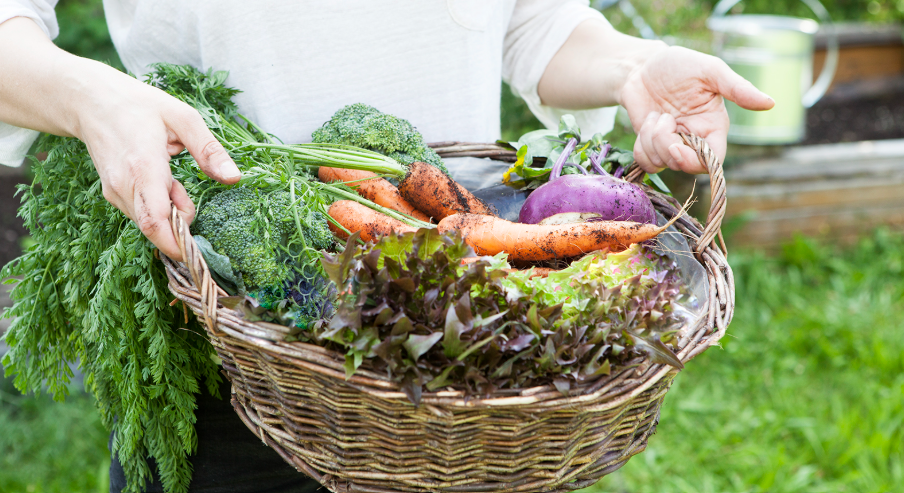
Vegetables in season in November lean heavily on 2 overlapping categories: root crops and hardy greens still standing in the garden after repeated frosts, and the storage crops harvested weeks earlier that are only now reaching their best flavor or widest availability. According to Michigan State University Extension, root crops like carrots, turnips, beets, rutabagas, and parsnips can remain in the garden after a frost and still be removed in good condition later, as long as they’re dug and stored before the ground actually freezes solid.
That distinction between frost and freeze matters enormously in November, since a light frost barely slows most of this list down while a hard, ground-penetrating freeze forces the final harvest of the year. A handful of vegetables are only now becoming ready specifically because of that cold, including horseradish, which according to Kansas State University Research and Extension, grows substantially through late summer and early fall but shouldn’t be dug until just before the ground freezes in November or December.
What follows covers 30 vegetables in season in November, along with where each one grows and the data behind its harvest timing.
Winter Squash
Winter squash, including butternut and other storage varieties, is native to Central America, harvested weeks earlier but reaching wide availability through November thanks to its excellent storage life. A mature fruit can be kept in a cool, dry place for several months without significant quality loss.
It grows throughout most of the United States, with November representing peak demand as it becomes a staple of fall and holiday cooking.
Sweet Potatoes
Sweet potatoes are native to Central and South America, harvested before the first fall frost but only reaching their best flavor after several weeks of curing at warm temperatures. A mature root’s sugar content increases noticeably during the curing process.
They grow throughout much of the southern United States, with November marking a peak point of availability as the cured harvest reaches markets.
Potatoes
Potatoes are native to South America, harvested by the end of October in most regions but remaining widely available fresh from storage throughout November. A mature tuber stores well in cool, dark, humid conditions for months after harvest.
They grow throughout the United States, and November potatoes are typically drawn entirely from the fall storage harvest rather than fresh digging.
Onions
Onions are native to Central Asia, harvested and cured by October but remaining a November kitchen staple thanks to their long storage life. A mature, properly cured bulb can keep for several months in a cool, dry, well-ventilated space.
They grow throughout the United States, with November onions coming almost entirely from cured storage rather than fresh harvest.
Garlic
Garlic is native to Central Asia, harvested in midsummer but reaching peak flavor and full availability once curing finishes, typically well before November. A mature, properly cured bulb can store for several months.
It grows throughout the United States, and November garlic is drawn from the same cured crop that carries a household through much of the winter.
Carrots
Carrots are native to Central Asia, and according to Michigan State University Extension, they can remain safely in the garden after a frost and still be harvested in good condition. A mature root becomes noticeably sweeter the longer it experiences cool fall soil temperatures before harvest.
They grow as a cool-season root crop throughout the United States, with November carrots often the sweetest of the entire year.
Beets
Beets are native to the Mediterranean coast, tolerating frost well enough to remain in the garden into November in many regions before a hard freeze forces final harvest. A mature root continues developing flavor in cool fall soil.
They grow as a cool-season root crop throughout the United States, commonly among the last root vegetables pulled before winter fully sets in.
Parsnips
Parsnips are native to Eurasia, among the most cold-tolerant root vegetables grown, often deliberately left in the ground through several hard frosts specifically to maximize their sweetness. A mature root can remain in mulched soil and be dug gradually through the winter in milder climates.
They grow as a cool-season root crop throughout the United States, and November frequently represents the height of the frost-sweetened harvest.
Turnips
Turnips are native to Europe and western Asia, tolerating frost well and often remaining in the garden into November alongside other hardy root crops. A mature root and its greens are typically harvested together from the same planting.
They grow as a cool-season root crop throughout the United States.
Rutabaga
Rutabaga, a cross between turnip and cabbage believed to have originated in Scandinavia, is among the most cold-hardy root vegetables commonly grown, often harvested in November after an extended period in cool soil. A mature root develops a notably sweeter flavor following repeated frost exposure.
It grows as a cool-season root crop throughout the northern United States and Canada.
Celeriac
Celeriac, also called celery root, is native to the Mediterranean region, tolerating cold well enough to remain in the garden into November in many climates. A mature root can be stored for months in cool, humid conditions once harvested.
It grows as a cool-season root crop throughout temperate regions of the United States, valued for its concentrated celery flavor in soups and purees.
Jerusalem Artichoke
Jerusalem artichoke, a type of native sunflower, is native to North America, and its underground tubers improve in flavor and sweetness following frost exposure in a manner similar to parsnips. A mature tuber can be left in the ground and dug through much of the winter in milder regions.
It grows throughout most of the United States and Canada, often still being harvested well into November and beyond.
Horseradish
Horseradish is native to southeastern Europe and western Asia, and according to University of Minnesota Extension, the plant grows the most during late summer and early autumn, with fall harvest generally delayed until late October or early November, or just before the ground freezes. A mature root can be stored for months in moist sand at a temperature between 32 and 40 degrees Fahrenheit.
It grows as a hardy perennial throughout the northern and central United States, with November representing the traditional main harvest window.
Leeks
Leeks are native to the eastern Mediterranean and Central Asia, among the most cold-hardy alliums grown, often remaining harvestable in the garden well into November and beyond in milder climates. A mature plant’s flavor sweetens somewhat following exposure to cold temperatures.
They grow as a cool-season crop throughout the United States, frequently one of the last fresh vegetables still standing in a November garden.
Cabbage
Cabbage is native to Europe, with late-season varieties often remaining in the garden through November thanks to strong frost tolerance. A mature head can withstand repeated light frosts without significant damage.
It grows as a cool-season crop throughout the United States, with November harvests often storing exceptionally well into winter.
Brussels Sprouts
Brussels sprouts are native to the Mediterranean region, commonly harvested throughout November as their flavor continues to improve following repeated frost exposure. A mature stalk produces sprouts that mature gradually from the bottom upward.
They grow as a cool-season crop throughout much of the United States, and November is widely considered peak season for this particular vegetable.
Broccoli
Broccoli is native to the Mediterranean region, and according to Penn State Extension’s Harvest Calendar, its harvest window extends through the end of November in the mid-Atlantic region. A mature head is generally cut before its individual flower buds begin to open.
It grows as a cool-season crop throughout the United States, with late fall harvests often producing notably sweeter flavor.
Cauliflower
Cauliflower closely follows broccoli in cold tolerance and harvest timing, native to the Mediterranean region, commonly available through November in regions with a mild fall. A mature head needs consistent moisture and cool temperatures to develop properly.
It grows as a cool-season crop throughout the United States.
Kale
Kale is native to the eastern Mediterranean, among the most cold-hardy vegetables grown, commonly still productive in November and often surviving light snow. A mature plant’s flavor is widely considered at its best following several hard frosts.
It grows as a cool-season crop throughout the United States, frequently the last leafy green still standing in an unprotected November garden.
Collard Greens
Collard greens closely resemble kale in cold hardiness, native to the eastern Mediterranean, commonly harvested throughout November in the southern United States. A mature plant continues producing usable leaves well past when more tender greens have finished.
They grow as a cool-season crop, particularly popular throughout the southeastern United States.
Escarole
Escarole is native to the Mediterranean region, tolerating cool November temperatures well, valued for its slightly bitter, sturdy leaves that hold up better to cold than more tender lettuce varieties. A mature head is generally harvested whole.
It grows as a cool-season crop throughout temperate regions of the United States.
Belgian Endive
Belgian endive is native to Belgium, produced through a specialized 2-stage process in which chicory roots are dug in fall and then forced indoors in darkness to produce the pale, tightly furled heads sold in stores. A mature forced head typically reaches harvest within a few weeks of the forcing process beginning.
It’s grown as a specialty crop in cool, dark conditions, with November representing a significant part of the season for freshly forced heads.
Radicchio
Radicchio is native to Italy, developing its characteristic deep red-purple color and sturdy texture as temperatures cool in fall, with many varieties reaching peak flavor after a light frost. A mature head is generally harvested whole, similar to a small, dense cabbage.
It grows as a cool-season crop throughout temperate regions of the United States.
Napa Cabbage
Napa cabbage, also called Chinese cabbage, is native to China, well suited to cool fall growing conditions and commonly harvested through November in much of the country. A mature head is generally more tender and mild-flavored than standard round cabbage.
It grows as a cool-season crop throughout the United States, particularly valued for its crisp texture in fall and winter cooking.
Fennel
Fennel is native to the Mediterranean region, with its swollen bulb base typically reaching harvest in fall as temperatures cool. A mature bulb develops a milder, sweeter anise flavor than the plant’s leaves and seeds.
It grows as a cool-season crop throughout temperate regions of the United States.
Salsify
Salsify, also called the oyster plant for its subtle seafood-like flavor, is native to the Mediterranean region, among the more old-fashioned root vegetables still grown, typically harvested in fall after cool temperatures improve its flavor. A mature root can be left in the ground and harvested gradually into early winter.
It grows as a cool-season root crop in scattered gardens throughout the United States, considerably less common today than in previous generations.
Watercress
Watercress is native to Europe and central Asia, tolerating cool temperatures well and often still harvestable from clean, cold-running streams into November in milder climates. A mature plant grows as a sprawling, semi-aquatic mat.
It grows throughout much of North America, and foragers are advised to harvest only from unpolluted water sources.
Swiss Chard
Swiss chard is native to the Mediterranean region, among the more cold-tolerant leafy greens, often still producing into November before a hard freeze finally ends the season. A mature plant continues regrowing new leaves as older ones are harvested.
It grows throughout the United States as a heat- and cold-tolerant leafy green.
Acorn Squash
Acorn squash is native to Central America, harvested earlier in fall but remaining widely available through November thanks to reasonable storage life. A mature fruit is generally best used within a couple of months of harvest.
It grows throughout most of the United States as a fall-harvested winter squash.
Pumpkins
Pumpkins are native to North America, with fresh field harvest largely concluded by November but storage pumpkins remaining widely available for both cooking and continued decorative use. A mature, properly cured pumpkin can be stored for a couple of months in cool, dry conditions.
They grow throughout most of the United States, with November representing the transition from fresh harvest to storage-based availability.
Conclusion
November brings a variety of vegetables into season, including leafy greens, root vegetables, beans, squash, and other cool- or warm-season crops. Choosing seasonal produce can make it easier to enjoy fresh vegetables while helping gardeners plan their harvests.
The vegetables available in November vary depending on the region, climate, and planting schedule. Checking local growing conditions and harvest calendars can help you determine which crops are ready to pick and enjoy at their freshest.