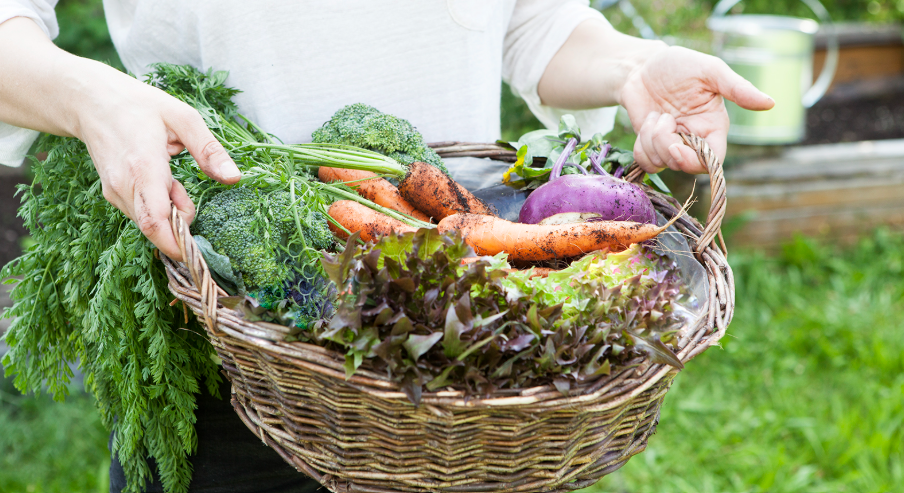
By December, most of the country’s fields have gone quiet under frost or snow, and nearly everything on this list either survived that cold on purpose or was pulled from the ground weeks earlier specifically so it would keep. According to Oregon State University Extension, root vegetables like turnips and beets are sweeter after a frost, since the cold causes the plant to concentrate its sugars, while carrots can often be left in the ground and harvested gradually throughout the winter.
That same publication notes that lettuce and other salad greens slow their growth in cold weather but can remain hardy down to 20 degrees Fahrenheit, which helps explain why a December vegetable list looks so different depending on climate: a mild coastal garden might still be actively producing greens, while a harder winter region is relying almost entirely on what’s already in storage. Either way, this month rewards patience and planning more than any other point in the growing calendar.
What follows covers 30 vegetables in season in December, along with where each one grows and the data behind its winter availability.
Winter Squash
Winter squash, including butternut and other long-storing varieties, is native to Central America, harvested months earlier but remaining a December staple thanks to its exceptional shelf life. A mature fruit can be kept in a cool, dry location for several months without significant quality loss.
It grows throughout most of the United States, with December marking peak demand as it becomes a fixture of holiday cooking.
Sweet Potatoes
Sweet potatoes are native to Central and South America, harvested in fall but reaching their fullest flavor after a lengthy curing period that typically concludes well before December. A mature, properly cured root can store for several months in the right conditions.
They grow throughout much of the southern United States, and December sweet potatoes are drawn entirely from cured fall storage.
Potatoes
Potatoes are native to South America, harvested by the end of October in most regions and remaining widely available fresh from storage throughout December. A mature tuber keeps well in cool, dark, humid conditions for months after harvest.
They grow throughout the United States as a cool-season root crop.
Onions
Onions are native to Central Asia, cured and stored well before winter but remaining a December kitchen essential thanks to their long shelf life. A mature, properly cured bulb can keep for several months in a cool, dry, well-ventilated space.
They grow throughout the United States, with December onions drawn entirely from cured storage.
Garlic
Garlic is native to Central Asia, harvested in midsummer and cured for months before December, when it remains a kitchen staple drawn from that same stored crop. A mature, properly cured bulb can store for several months.
It grows throughout the United States.
Carrots
Carrots are native to Central Asia, and according to Oregon State University Extension, they can often be left in the ground and harvested throughout the winter in regions with mild enough soil conditions. A mature root continues sweetening the longer it sits in cold soil.
They grow as a cool-season root crop throughout the United States, with December carrots often ranking among the sweetest of the year.
Beets
Beets are native to the Mediterranean coast, and according to Oregon State University Extension, they become sweeter after a frost as the plant concentrates its sugars in response to cold. A mature root can be stored for months once properly harvested and cleaned.
They grow as a cool-season root crop throughout the United States.
Parsnips
Parsnips are native to Eurasia, among the most cold-tolerant root vegetables grown, often left in the ground through repeated hard frosts specifically to maximize their sweetness. A mature root can be mulched and dug gradually through the winter in milder climates.
They grow as a cool-season root crop throughout the United States, with December representing peak flavor for many gardeners.
Turnips
Turnips are native to Europe and western Asia, and like beets, become measurably sweeter following frost exposure according to Oregon State University Extension. A mature root and its greens are both part of the harvest from a single planting.
They grow as a cool-season root crop throughout the United States.
Rutabaga
Rutabaga, a cross between turnip and cabbage believed to have originated in Scandinavia, is among the most cold-hardy root vegetables commonly grown, often at its best in December after weeks of cold soil exposure. A mature root can be stored for months in cool, humid conditions.
It grows as a cool-season root crop throughout the northern United States and Canada.
Celeriac
Celeriac, also called celery root, is native to the Mediterranean region, tolerating cold well enough to remain viable in storage or in mulched garden beds through December. A mature root can be kept for months in cool, humid conditions.
It grows as a cool-season root crop throughout temperate regions of the United States.
Jerusalem Artichoke
Jerusalem artichoke, a type of native sunflower, is native to North America, its underground tubers improving in sweetness following frost exposure similar to parsnips. A mature tuber can be left in the ground and dug through much of the winter in milder regions.
It grows throughout most of the United States and Canada.
Black Radish
Black radish, a winter storage variety, is native to the Mediterranean region and western Asia, considerably more pungent and long-storing than typical spring radishes. A mature root can keep for months in cool, humid storage conditions.
It grows as a cool-season root crop throughout temperate regions of the United States, historically a common winter staple before refrigeration became widespread.
Daikon Radish
Daikon radish is native to continental Asia, grown as a long, mild-flavored winter storage radish considerably larger than typical spring varieties. A mature root can reach well over a foot in length and stores considerably longer than spring radishes.
It grows as a cool-season root crop throughout the United States, particularly valued in Asian cuisine.
Leeks
Leeks are native to the eastern Mediterranean and Central Asia, among the most cold-hardy alliums grown, frequently still harvestable directly from the garden through December in milder climates. A mature plant’s flavor sweetens somewhat following cold exposure.
They grow as a cool-season crop throughout the United States.
Cabbage
Cabbage is native to Europe, with late-season storage varieties remaining available throughout December thanks to strong cold tolerance. A mature head can be stored for weeks to months depending on the variety and conditions.
It grows as a cool-season crop throughout the United States.
Savoy Cabbage
Savoy cabbage closely resembles standard cabbage but with distinctively crinkled, ruffled leaves, native to Europe, valued for its more tender texture and milder flavor. A mature head is generally more perishable than smooth-leaved storage cabbage varieties.
It grows as a cool-season crop throughout temperate regions of the United States.
Brussels Sprouts
Brussels sprouts are native to the Mediterranean region, widely considered at peak flavor in December after repeated frost exposure, and closely associated with holiday cooking throughout much of the country. A mature stalk produces sprouts that mature gradually from the bottom upward.
They grow as a cool-season crop throughout much of the United States.
Purple Sprouting Broccoli
Purple sprouting broccoli is native to the Mediterranean region, a distinct type bred specifically to overwinter in the garden and produce small, tender flower spears in late winter rather than a single large head in fall. A mature plant continues producing spears over several weeks once it begins.
It grows as a hardy overwintering crop primarily in milder regions of the United States, historically more popular in the United Kingdom than in American gardens.
Cauliflower
Cauliflower closely follows broccoli in cold tolerance, native to the Mediterranean region, available through December in regions with a sufficiently mild fall and early winter. A mature head needs consistent moisture and cool temperatures to develop properly.
It grows as a cool-season crop throughout the United States.
Kale
Kale is native to the eastern Mediterranean, among the most cold-hardy vegetables commonly grown, often still standing and harvestable in December under snow cover. A mature plant’s flavor is widely considered best following several hard frosts.
It grows as a cool-season crop throughout the United States.
Collard Greens
Collard greens closely resemble kale in cold hardiness, native to the eastern Mediterranean, commonly harvested throughout December in the southern United States. A mature plant continues producing usable leaves well past when more tender greens have finished.
They grow as a cool-season crop, particularly popular throughout the southeastern United States.
Mâche
Mâche, also called corn salad, is native to Europe, and according to the UC Master Gardener Program of Sonoma County, it’s a cool-season crop that tolerates winter temperatures well, historically harvested as a weed growing between rows of grain crops in Europe. A mature plant forms a small rosette generally 3 to 6 inches across.
It grows as a hardy winter salad green throughout temperate regions of the United States, among the few fresh greens reliably available in an unprotected December garden.
Spinach
Spinach is native to Central Asia, tolerating cold considerably better than heat, with properly hardened plants surviving well into December under mild winter conditions or basic protection. A mature plant slows its growth substantially in cold weather without necessarily stopping entirely.
It grows as a cool-season crop throughout the United States.
Radicchio
Radicchio is native to Italy, developing its deep red-purple color and firm texture as temperatures cool, with many varieties reaching peak quality in December. A mature head is generally harvested whole.
It grows as a cool-season crop throughout temperate regions of the United States.
Napa Cabbage
Napa cabbage, also called Chinese cabbage, is native to China, tolerating cool December conditions well in milder regions. A mature head is generally more tender and mild-flavored than standard round cabbage.
It grows as a cool-season crop throughout the United States.
Cardoon
Cardoon is native to the Mediterranean region and northwest Africa, and according to University of Florida IFAS Gardening Solutions, it should be planted in fall or winter in Florida and protected from freezes, grown for its edible stalks that are typically cooked once harvested. A mature plant can produce leaves reaching several feet in length.
It grows as a specialty winter vegetable in milder regions of the United States, closely related to the globe artichoke.
Microgreens
Microgreens, harvested from a wide range of vegetable and herb seedlings just after their first true leaves emerge, are grown indoors or in protected structures year-round, making them a reliable source of fresh, nutrient-dense greens regardless of outdoor conditions. A mature crop is typically ready for harvest within a couple of weeks of seeding.
They’re grown throughout the United States in indoor and greenhouse settings, particularly valued in December when field-grown fresh greens are scarce in colder regions.
Bean Sprouts
Bean sprouts, most commonly grown from mung beans, are produced indoors year-round regardless of outdoor season or climate, offering a fresh, crunchy vegetable available throughout even the coldest winter months. A mature batch is typically ready for harvest within about a week of soaking the beans.
They’re produced throughout the United States in indoor and commercial sprouting operations.
Acorn Squash
Acorn squash is native to Central America, harvested in fall but remaining available through December thanks to reasonable storage life. A mature fruit is generally best used within a couple of months of harvest.
It grows throughout most of the United States as a fall-harvested winter squash.
Conclusion
December brings a variety of seasonal vegetables, from leafy greens and root crops to beans, squash, and other garden favorites. These vegetables can add freshness and variety to meals during the month.
Seasonal availability depends on the climate, region, and planting schedule. A vegetable that is ready for harvest in December in one area may be available at a different time elsewhere.
Checking local harvest calendars and growing conditions can help gardeners choose the right crops and enjoy December vegetables when they are at their freshest.