I have been growing pumpkins for quite some time, and one thing I have learned is that no two varieties behave exactly the same in the garden. Some spread aggressively and need plenty of room, while others are more compact. The pumpkins can also differ greatly in size, shape, color, skin texture, and the time they take to mature.
Through growing different types over the years, I have had the opportunity to see how various pumpkins perform from planting to harvest. This experience has helped me understand the practical differences between varieties, including which ones are easier to manage, which produce larger fruits, and which are better suited to different garden conditions.
Statistical Facts About Pumpkins
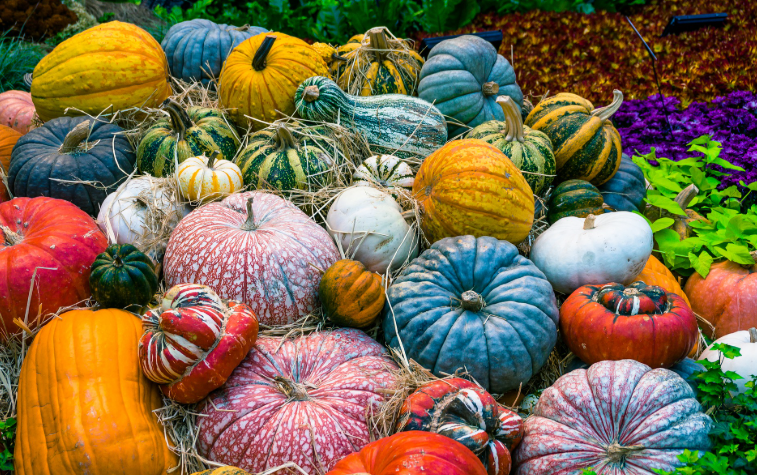
Pumpkin is botanically a fruit, technically a type of winter squash within the genus Cucurbita, even though it’s cooked and marketed almost entirely as a vegetable and, especially in the United States, as a seasonal decoration. The plant is genuinely native to the Americas, and Indigenous peoples cultivated it for thousands of years before European contact, often growing it alongside corn and beans in the intercropping method known as the Three Sisters, where each plant supported the other 2 in a genuinely cooperative growing arrangement.
According to the USDA Economic Research Service, total American pumpkin acreage reached 68,900 acres in 2024, with Illinois maintaining its dominant lead at 15,400 acres, more than twice the acreage of any other state, largely because the town of Morton, Illinois, packs the vast majority of the world’s canned pumpkin. The total value of American pumpkin production climbed to $274 million in 2024, and more than 15,000 farms across all 50 states now grow pumpkins specifically for the fresh and ornamental market rather than for canning or processing.
Giant pumpkin competitions have pushed the outer limits of what the plant can genuinely produce, and the current world record stands at 2,819.3 pounds, set by twin brothers Ian and Stuart Paton in Wargrave, England in October 2025, a specialized Atlantic Giant variety capable of gaining as much as 50 pounds of weight in a single day under ideal growing conditions. That’s a genuinely staggering contrast to the small, ornamental mini pumpkins sold by the dozen in the very same autumn markets.
Jack-o’-lanterns themselves trace back to Irish immigrants who originally carved turnips for the tradition before discovering that pumpkins, native to their new home and considerably easier to hollow out, made a genuinely better canvas. The University of Illinois Extension’s pumpkin production resources document American pumpkin variety and growing information in more agricultural detail than a general overview can.
In this guide, I share the practical differences I have noticed between pumpkin types, along with useful facts to help you decide which varieties may be suitable for your garden. What follows covers 75 types of pumpkins, including their origin.
Connecticut Field
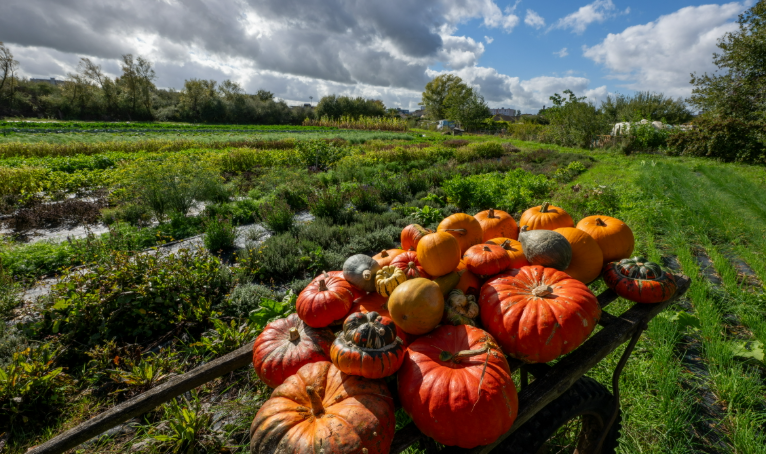
Connecticut Field is a genuine American heirloom, believed to have been grown by Indigenous peoples in the Connecticut River Valley long before European settlers arrived and adopted it as their own regional staple. Its large, ribbed, deep orange fruit became the genuine ancestor of most modern jack-o’-lantern pumpkin varieties bred in the centuries since.
It thrives in full sun and rich, well-drained soil, requiring considerable space to sprawl across a garden bed. Its long history as an American heirloom has made it a genuine benchmark variety still grown today for its classic carving shape.
Howden
Howden is a genuine American variety, developed in New York in the 1960s specifically to improve upon Connecticut Field’s shape and handle strength for the commercial jack-o’-lantern market. Its considerably more uniform, deeply ribbed shape and sturdy handle made it an instant favorite among growers supplying pumpkin patches and grocery stores.
It thrives in full sun and rich soil, its considerable productivity and reliable shape having made it one of the most widely grown carving pumpkins in America today. Most pumpkins sold at a typical roadside stand each October genuinely trace back to Howden or one of its close descendants.
Also Read: Types of Edible Gourds
Autumn Gold
Autumn Gold is a genuine American hybrid, bred for its ability to turn a rich golden-orange color considerably earlier in the season than most other carving varieties. Its early color change has made it a popular choice for growers wanting pumpkins ready well before the traditional late-October rush.
It thrives in full sun and rich, well-drained soil, maturing reliably across a range of growing conditions. Its genuinely early ripening gives growers real flexibility for an earlier harvest and sale window.
Gladiator
Gladiator is a genuine modern hybrid, bred for disease resistance and a sturdy, deeply ribbed shape well suited to commercial carving pumpkin production. Its considerable resistance to powdery mildew has made it a dependable choice for growers in a humid climate where that disease commonly threatens a pumpkin crop.
It thrives in full sun and rich soil, its genuine disease resistance reducing crop losses that might otherwise affect a less resistant variety. Its reliable, uniform shape has made it a popular commercial choice across a range of growing regions.
Magic Lantern
Magic Lantern is a genuine hybrid carving variety, bred for a notably smooth, deep orange rind and strong, easy-to-carve walls. Its considerable wall thickness makes it a favorite among growers and carvers wanting a pumpkin that holds its shape well once cut.
It thrives in full sun and rich, well-drained soil, producing reliably uniform fruit across a planting. Its genuine carving-friendly texture has made it a specific favorite among pumpkin carving competition entrants.
Aspen
Aspen is a genuine modern hybrid, bred specifically for a compact plant habit that allows for higher-density planting without sacrificing individual fruit size. Its considerable space efficiency has made it an appealing choice for a grower with limited acreage wanting to maximize yield.
It thrives in full sun and rich soil, its compact vine habit genuinely allowing more plants per acre than a traditional sprawling variety. Its reliable, classic jack-o’-lantern shape has kept it popular despite its more efficient growing footprint.
Spirit
Spirit is a genuine semi-bush hybrid variety, bred for a considerably more compact vine than traditional pumpkin varieties, making it well suited to a smaller home garden. Its manageable size hasn’t compromised its fruit size, still producing a genuinely respectable carving pumpkin.
It thrives in full sun and rich, well-drained soil, its semi-bush habit taking up considerably less garden space than a sprawling vine variety. Its practical size has made it a favorite for a home gardener without acreage to spare.
Also Read: Types of Gourds
Racer
Racer is a genuine early-maturing hybrid, bred specifically to reach harvestable size considerably faster than standard carving varieties. Its quick turnaround has made it a useful choice for a grower in a region with a shorter growing season.
It thrives in full sun and rich soil, its genuinely fast maturity offering real flexibility for an earlier harvest. Its reliable, classic shape has kept it a practical choice despite its accelerated growing timeline.
Sorcerer
Sorcerer is a genuine hybrid carving variety, bred for a notably rich, dark orange color and considerable disease resistance suited to commercial production. Its deep color has made it a popular choice for growers wanting a particularly vivid jack-o’-lantern display.
It thrives in full sun and rich, well-drained soil, its genuine disease resistance helping protect yield in a challenging growing season. Its rich color has made it a standout choice among growers supplying a fall pumpkin patch.
Frankenstein
Frankenstein is a genuine novelty hybrid, bred with a distinctive squared-off, blocky shape reminiscent of the classic monster’s head that gives the variety its playful name. Its unusual shape has made it a specialty item specifically sought out for a themed Halloween display.
It thrives in full sun and rich soil, its considerable novelty shape developing most reliably with even, consistent watering throughout fruit development. Its unusual silhouette has made it a genuine conversation piece at a fall pumpkin display.
Small Sugar
Small Sugar, also called Sugar Pie, is a genuine American heirloom pie pumpkin, its considerably denser, sweeter flesh compared to a carving pumpkin making it the classic choice for homemade pumpkin pie. Its modest size and thick walls have kept it a favorite among home bakers for generations.
It thrives in full sun and rich, well-drained soil, its compact size making it practical for a smaller garden. Its genuinely superior flavor and texture for baking have kept it in continuous cultivation since the 19th century.
New England Pie
New England Pie is a genuine American heirloom, closely related to Small Sugar and sharing that variety’s dense, sweet flesh prized specifically for baking rather than carving. Its considerable regional association with New England reflects generations of specific local cultivation and use.
It thrives in full sun and rich soil, its compact size and reliable productivity making it a practical choice for a home baking garden. Its genuine culinary reputation has kept it a favorite among gardeners specifically growing pumpkins for the kitchen rather than decoration.
Winter Luxury
Winter Luxury is a genuine American heirloom, its distinctive netted, russeted skin texture setting it apart visually from most other pie pumpkin varieties. Its dense, smooth flesh and considerable sweetness made it a prized baking variety throughout the late 19th and early 20th centuries.
It thrives in full sun and rich, well-drained soil, its genuinely distinctive netted skin developing as the fruit matures on the vine. Its historical reputation for exceptional pie quality has kept it in cultivation among heirloom seed savers today.
Cinderella
Cinderella, also known by its French name Rouge Vif d’Etampes, originated in France, its flattened, deeply ribbed shape and vivid red-orange color inspiring the fairy tale carriage reference in its common name. Its considerable ornamental appeal alongside genuinely good eating qualities have made it a popular dual-purpose variety.
It thrives in full sun and rich, well-drained soil, its distinctive flattened shape developing reliably under consistent growing conditions. Its considerable visual drama has made it a favorite for a fall display that still delivers genuine culinary value.
Long Island Cheese
Long Island Cheese is a genuine American heirloom, its pale tan, flattened, ribbed shape resembling a wheel of cheese, which gives the variety its distinctive common name. Its dense, sweet flesh has made it a favorite among bakers seeking an alternative to the more common orange pie pumpkin varieties.
It thrives in full sun and rich soil, its considerable storage life allowing it to keep well into winter under proper conditions. Its genuine culinary reputation has helped it remain a heirloom seed-saving favorite despite falling out of mainstream commercial production.
Fairytale
Fairytale, also known by its French name Musquee de Provence, originated in France, its deeply lobed, flattened shape and warm tan-to-orange color making it as visually striking as it is genuinely good for cooking. Its dense, sweet flesh has made it a favorite among chefs specifically seeking superior pumpkin flavor.
It thrives in full sun and rich, well-drained soil, requiring a genuinely long growing season to reach full size and color. Its considerable culinary reputation has made it increasingly popular at specialty produce markets beyond its French origin.
Musquee de Provence
Musquee de Provence originated in the Provence region of France, sharing Fairytale’s genuine identity as the same variety marketed under 2 different names depending on the region selling it. Its deeply ribbed, musky-sweet flesh has made it a genuine favorite in French culinary tradition for generations.
It thrives in full sun and rich soil, requiring considerable warmth and a long season to fully mature and develop its characteristic tan color. Its genuine French heirloom pedigree has helped sustain its popularity among gardeners seeking authentic European varieties.
Baby Pam
Baby Pam is a genuine compact pie pumpkin hybrid, bred for a small, uniform size and notably sweet, dense flesh suited to baking. Its considerable consistency in size has made it a popular choice for commercial pie pumpkin production.
It thrives in full sun and rich, well-drained soil, its compact vine habit making it practical for a smaller garden space. Its genuinely reliable size and flavor have made it a dependable choice for both home and commercial bakers.
Amish Pie
Amish Pie is a genuine heirloom variety, preserved within Amish farming communities for generations specifically for its dense, sweet flesh well suited to traditional pie baking. Its considerable historical continuity within a single cultural tradition reflects careful, deliberate seed saving over many decades.
It thrives in full sun and rich soil, its reliable productivity making it a practical choice for a household baking a genuine volume of pumpkin pies each fall. Its heirloom status has kept it a favorite among gardeners specifically seeking traditional American varieties.
Spookie
Spookie is a genuine small hybrid pie pumpkin, bred to combine a classic jack-o’-lantern appearance with the dense, sweet flesh more typical of a dedicated baking variety. Its dual-purpose appeal has made it popular among gardeners wanting a single pumpkin suited to both carving and cooking.
It thrives in full sun and rich, well-drained soil, its compact size making it manageable for a smaller garden. Its genuine versatility for both decoration and the kitchen has broadened its appeal beyond a purely specialized baking variety.
Ghost Rider
Ghost Rider is a genuine hybrid variety, bred for a notably smooth, dark orange rind and sweet, dense flesh suited to both carving and cooking. Its considerable versatility has made it a practical dual-purpose choice for a home garden with limited space for multiple varieties.
It thrives in full sun and rich soil, its reliable productivity and uniform shape making it a dependable choice across a range of growing conditions. Its genuine dual-purpose nature has kept it a popular, practical variety among home gardeners.
Tan Cheese
Tan Cheese is a genuine heirloom variety, closely related to Long Island Cheese and sharing that variety’s distinctive pale, flattened, wheel-like shape. Its dense, sweet flesh has kept it a favorite among heirloom bakers specifically seeking that classic cheese-pumpkin flavor and texture.
It thrives in full sun and rich soil, its considerable storage life making it a practical choice for extending pumpkin use well past the fall harvest season. Its genuine heirloom pedigree has helped sustain interest among dedicated seed savers.
Atlantic Giant
Atlantic Giant, also called Dill’s Atlantic Giant after the Canadian breeder who developed it, is genuinely the foundation variety behind nearly every modern giant pumpkin competition record, capable of exceeding 2,000 pounds under ideal growing conditions. Its considerable genetic potential for size has made it the near-universal choice among competitive giant pumpkin growers worldwide.
It thrives in full sun and exceptionally rich, well-amended soil, demanding intensive care, feeding, and vine management throughout the growing season. Its genuinely staggering growth rate, sometimes gaining dozens of pounds in a single day, requires constant monitoring and support to prevent the fruit from splitting under its own weight.
Also Read: Different Types of Eggplants
Big Max
Big Max is a genuine large pumpkin variety, bred for substantial size well beyond a typical jack-o’-lantern though considerably smaller than a dedicated giant competition variety like Atlantic Giant. Its considerable size has made it a popular choice for a grower wanting an impressively large pumpkin without the intensive care a true giant variety demands.
It thrives in full sun and rich, well-drained soil, requiring considerable space to accommodate its substantial mature size. Its genuine balance between manageable care and impressive size has made it accessible to a home gardener rather than only a dedicated competition grower.
Prizewinner
Prizewinner is a genuine large hybrid variety, bred for substantial size and a relatively smooth, uniform shape suited to a fall fair competition entry. Its considerable size potential, while smaller than a true giant variety, still makes it a genuine standout at a local pumpkin weigh-off.
It thrives in full sun and rich soil, benefiting from generous feeding and watering to reach its full potential size. Its reliable, impressive size has made it a popular choice for a gardener wanting competition-worthy results without Atlantic Giant’s extreme care requirements.
Big Moon
Big Moon is a genuine large pumpkin variety, capable of producing fruit in the hundreds of pounds under good growing conditions, positioned between a standard jack-o’-lantern and a true giant competition variety. Its considerable size has made it a popular choice for a fall festival display specifically seeking visual impact.
It thrives in full sun and rich, well-drained soil, requiring substantial space and feeding to reach its considerable potential size. Its genuinely impressive scale without Atlantic Giant’s extreme demands has made it accessible to a more casual grower.
Mammoth Gold
Mammoth Gold is a genuine large, deep golden-orange variety, bred for substantial size and a rich color that stands out distinctly among more traditional orange giant pumpkin types. Its considerable size and striking color have made it a favorite for a grower wanting a visually distinctive large pumpkin.
It thrives in full sun and rich soil, requiring considerable space and consistent feeding to develop its full size and color. Its genuine visual distinctiveness has made it a popular choice for a themed fall display seeking something beyond a standard orange giant.
Lumina
Lumina is a genuine white-skinned pumpkin hybrid, its classic round jack-o’-lantern shape combined with a strikingly pale, ghost-white rind that sets it apart dramatically from traditional orange varieties. Its considerable novelty color has made it a popular choice for a modern, minimalist fall display.
It thrives in full sun and rich, well-drained soil, its white skin developing consistently under normal growing conditions. Its genuinely bright orange flesh beneath that white exterior means it’s still perfectly suitable for cooking despite its unusual outer color.
Casper
Casper is a genuine white pumpkin variety, its smooth, pure white rind and classic round shape making it one of the most popular white-skinned carving pumpkins available. Its considerable resemblance to its ghostly namesake has made it a favorite specifically for a Halloween-themed white pumpkin display.
It thrives in full sun and rich soil, its white coloring developing reliably across a range of growing conditions. Its genuinely good eating quality beneath that pale exterior makes it a practical dual-purpose choice beyond pure decoration.
Cotton Candy
Cotton Candy is a genuine white pumpkin variety, its pale, slightly pinkish-white rind and notably sweet flesh making it a favorite for both decoration and baking. Its considerable sweetness compared to many other white varieties has made it a specific favorite among bakers wanting a lighter-colored pie filling.
It thrives in full sun and rich, well-drained soil, its distinctive pale coloring developing consistently under normal growing conditions. Its genuine culinary quality has broadened its appeal beyond the purely ornamental white pumpkin market.
Snowball
Snowball is a genuine small white pumpkin variety, its compact, rounded shape and pure white rind making it a popular choice for a mixed white pumpkin display alongside larger white varieties. Its manageable size has made it practical for a tabletop arrangement or small basket display.
It thrives in full sun and average soil, its compact vine habit making it suitable for a smaller garden space. Its genuine productivity per vine makes it an efficient choice for a gardener wanting a substantial volume of small white pumpkins.
Blue Doll
Blue Doll is a genuine blue-gray skinned pumpkin variety, its distinctive slate-blue rind setting it apart dramatically from the orange and white varieties more commonly seen. Its unusual color has made it a specialty item specifically sought out for a fall display seeking a more muted, sophisticated color palette.
It thrives in full sun and rich, well-drained soil, its distinctive blue-gray color developing consistently as the fruit matures. Its genuinely sweet, dense flesh beneath that unusual exterior makes it a good choice for baking as well as display.
Jarrahdale
Jarrahdale originated in Australia, its distinctive flattened shape and pale blue-gray skin making it one of the most recognizable blue pumpkin varieties grown internationally. Its dense, sweet flesh has made it a favorite among bakers specifically seeking a variety with genuine Australian heritage.
It thrives in full sun and rich soil, requiring a considerably long, warm growing season to reach full size and characteristic color. Its genuine culinary reputation in its native Australia has helped it gain popularity among American and European gardeners as well.
Australian Blue
Australian Blue, closely related to Jarrahdale, shares that variety’s genuine Australian origin and distinctive blue-gray skin, offering similarly dense, sweet flesh well suited to baking and roasting. Its considerable similarity to Jarrahdale reflects a shared regional Australian breeding tradition around blue-skinned pumpkin varieties.
It thrives in full sun and rich, well-drained soil, requiring a genuinely warm, extended growing season. Its dense flesh and striking color have made it a popular choice for gardeners specifically seeking Australian heirloom varieties.
Also Read: Different Types of Apples
Pink Porcelain Doll
Pink Porcelain Doll is a genuine hybrid variety, its soft, pastel pink rind making it one of the more strikingly colored pumpkins grown for ornamental display. Its considerable novelty color has made it a favorite for a fall display seeking a softer, less traditional color palette than standard orange.
It thrives in full sun and rich soil, its distinctive pink coloring developing consistently under normal growing conditions. Its genuine ornamental popularity has made it a specialty item at farm stands specifically catering to a more design-conscious fall decorating trend.
Galeux d’Eysines
Galeux d’Eysines originated in France, its genuinely distinctive peachy-pink skin covered in warty, sugary-looking bumps caused by sugar deposits pushing through the rind as the fruit matures. Its considerable novelty appearance, alongside genuinely excellent sweet, dense flesh, has made it a favorite among both chefs and ornamental gourd enthusiasts.
It thrives in full sun and rich, well-drained soil, its distinctive warty texture developing progressively as the fruit ages on the vine. Its genuine culinary reputation in French cooking has helped it gain a considerable following among American heirloom vegetable growers as well.
Marina di Chioggia
Marina di Chioggia originated in Chioggia, Italy, its deeply warty, dark green-blue rind and dense, sweet orange flesh making it a prized variety throughout traditional Italian cooking. Its unusual bumpy texture has made it as visually distinctive as it is genuinely valued in the kitchen.
It thrives in full sun and rich soil, requiring a considerably long, warm growing season to fully develop its characteristic warty skin. Its genuine culinary reputation in Italy has made it an increasingly popular specialty item among American gardeners seeking authentic heirloom varieties.
Flat White Boer
Flat White Boer originated in South Africa, its flattened, pale ivory-white shape and dense flesh reflecting a genuine regional South African heirloom tradition distinct from the blue and orange varieties more common elsewhere. Its considerable culinary reputation in South African cooking has kept it a favorite regional staple.
It thrives in full sun and rich, well-drained soil, requiring a genuinely warm growing season to develop fully. Its dense, flavorful flesh has made it valued specifically for traditional South African pumpkin dishes.
One Too Many
One Too Many is a genuine novelty hybrid variety, its bumpy, warty, reddish-orange skin and unusual shape making it a specialty item specifically for a distinctive fall gourd and pumpkin display. Its considerable visual novelty has made it a favorite among gardeners seeking something beyond a standard smooth pumpkin.
It thrives in full sun and rich soil, its distinctive warty texture developing as the fruit matures on the vine. Its genuine novelty appeal has made it popular specifically for a mixed ornamental display alongside more traditional carving pumpkins.
Blaze
Blaze is a genuine hybrid variety, bred for a notably vivid, fiery orange-red color considerably more intense than a standard carving pumpkin. Its striking color has made it a popular choice for a fall display specifically seeking maximum visual impact.
It thrives in full sun and rich, well-drained soil, its vivid coloring developing most fully under consistent sun exposure. Its genuine color intensity has made it a standout choice among growers supplying a competitive fall pumpkin market.
Full Moon
Full Moon is a genuine large white pumpkin variety, its substantial size and pure white rind combining the visual drama of a giant pumpkin with the novelty color of a white variety. Its considerable size sets it apart from most other white-skinned pumpkins, which tend toward more modest proportions.
It thrives in full sun and rich soil, requiring considerable space and feeding to reach its substantial mature size. Its genuine combination of scale and unusual color has made it a favorite for a dramatic fall display centerpiece.
Jack Be Little
Jack Be Little is a genuine miniature pumpkin variety, its tiny, flattened, deeply ribbed shape and considerable productivity per vine making it one of the most popular mini pumpkins sold each fall. Its diminutive size has made it a favorite for a tabletop arrangement, wreath, or craft project.
It thrives in full sun and average soil, its compact vine producing a genuinely large number of tiny pumpkins over a full season. Its considerable storage life, often lasting months, has made it a practical choice for extended fall decorating.
Baby Boo
Baby Boo is a genuine miniature white pumpkin variety, sharing Jack Be Little’s compact size and productivity while offering a pure white rind instead of the classic orange color. Its considerable novelty as a tiny white pumpkin has made it a popular pairing with its orange Jack Be Little counterpart in a mixed mini pumpkin display.
It thrives in full sun and average soil, its compact vine habit making it practical for even a small garden space. Its genuine productivity per plant makes it an efficient choice for a gardener wanting a large volume of tiny decorative pumpkins.
Wee-B-Little
Wee-B-Little is a genuine miniature orange pumpkin variety, its small, round, classic jack-o’-lantern shape making it a popular choice for a child-friendly carving project or a small decorative display. Its manageable size has made it accessible for young gardeners and crafters alike.
It thrives in full sun and average soil, its compact plant habit making it suitable for container growing as well as a traditional garden bed. Its genuine productivity and reliable small size have made it a dependable choice for a mini pumpkin harvest.
Also Read: Best Vegetables to Grow on a Trellis
Munchkin
Munchkin is a genuine miniature pumpkin variety, its small size and deeply ribbed, classic orange coloring making it a popular choice for a decorative fall arrangement or craft project. Its considerable resemblance to a scaled-down standard jack-o’-lantern has made it an accessible entry point for young gardeners.
It thrives in full sun and average soil, its compact vine producing numerous small fruit over a full growing season. Its genuine reliability and manageable size have kept it a popular mini pumpkin choice among home gardeners.
Hooligan
Hooligan is a genuine miniature bicolor pumpkin variety, its small size combined with distinctive orange and cream striping setting it apart from a solid-colored mini pumpkin. Its considerable novelty pattern has made it a favorite for adding visual variety to a mixed mini pumpkin display.
It thrives in full sun and average soil, its compact vine habit making it practical for a smaller garden. Its distinctive striped pattern develops most vividly under consistent sun exposure throughout fruit maturation.
Gremlin
Gremlin is a genuine miniature pumpkin variety, its small size and warty, textured skin offering a more novelty-focused alternative to a smooth mini pumpkin. Its considerable textural interest has made it a popular addition to a mixed decorative gourd and pumpkin basket.
It thrives in full sun and average soil, its compact plant habit suiting it well to container growing. Its genuine textural novelty has made it a favorite among gardeners specifically seeking variety within the mini pumpkin category.
Bumpkin
Bumpkin is a genuine miniature warty pumpkin variety, its small size and bumpy, textured orange skin combining novelty texture with a manageable, decorative scale. Its considerable visual interest has made it a popular choice for a fall craft project or table display.
It thrives in full sun and average soil, its compact vine producing a genuine abundance of small, textured fruit over a season. Its distinctive bumpy skin develops progressively as the fruit matures on the vine.
Lil’ Pump-Ke-Mon
Lil’ Pump-Ke-Mon is a genuine miniature pumpkin variety, its small size and considerable productivity making it a popular choice for a gardener wanting a large volume of tiny decorative pumpkins from a modest planting. Its playful name reflects the broader trend toward whimsically named mini pumpkin varieties in recent seed catalogs.
It thrives in full sun and average soil, its compact vine habit making it practical for even limited garden space. Its genuine reliability and small size have made it a dependable choice for a mini pumpkin harvest.
Touch of Autumn
Touch of Autumn is a genuine miniature bicolor pumpkin variety, its small size and mottled orange-and-green coloring offering a more subdued, seasonal color palette than a solid bright orange mini pumpkin. Its considerable visual subtlety has made it a favorite for a more naturalistic fall display.
It thrives in full sun and average soil, its compact vine producing numerous small fruit over a full season. Its mottled coloring develops most distinctly under consistent sun exposure as the fruit matures.
Moonshine
Moonshine is a genuine miniature white pumpkin variety, its small size and pure white rind making it a popular pairing alongside orange mini pumpkins in a mixed decorative display. Its considerable novelty color at a small scale has made it a favorite for a minimalist, modern fall arrangement.
It thrives in full sun and average soil, its compact vine habit suiting it well to a smaller garden space. Its genuine productivity per plant makes it an efficient choice for a large-volume mini pumpkin harvest.
New Moon
New Moon is a genuine miniature white pumpkin variety, closely related to Moonshine and sharing that variety’s compact size and pure white coloring. Its considerable similarity to its close relative reflects ongoing breeding refinement within the white mini pumpkin category specifically.
It thrives in full sun and average soil, its compact vine producing a genuine abundance of small white fruit over a season. Its reliable size and color have made it a dependable choice among growers supplying the specialty white mini pumpkin market.
Iron Man
Iron Man is a genuine miniature pumpkin variety, its small size and notably deep, rich orange-red coloring making it a standout among other mini pumpkin varieties. Its considerable color intensity has made it a popular choice for a fall display seeking bold, saturated color in a compact package.
It thrives in full sun and average soil, its compact vine habit making it practical for container or small garden growing. Its genuinely vivid coloring develops most fully under consistent sun exposure throughout the growing season.
Triamble
Triamble originated in Australia, its genuinely unusual 3-lobed shape making it one of the most distinctive pumpkin silhouettes grown anywhere, resembling 3 fused sections rather than a single round fruit. Its dense, sweet flesh has made it valued for cooking despite its considerable visual peculiarity.
It thrives in full sun and rich, well-drained soil, requiring a considerably long, warm growing season to develop its unusual mature shape. Its genuine rarity outside Australia has made it a specialty item among heirloom vegetable enthusiasts elsewhere.
Also Read: Vegetables In Season In September
Seminole Pumpkin
Seminole pumpkin is native to Florida, cultivated for centuries by the Seminole people and other Indigenous groups of the southeastern United States, its considerable heat and humidity tolerance reflecting genuine adaptation to that specific growing region. Its dense, sweet, deep orange flesh has made it a valued traditional food crop long before European contact.
It tolerates genuine heat, humidity, and even some drought remarkably well, thriving in exactly the subtropical Florida conditions many other pumpkin varieties would struggle with. Its climbing habit, unusual among pumpkins, lets it scramble up trees and structures in a way most sprawling varieties don’t.
Sweetmeat
Sweetmeat is a genuine American heirloom variety, its blue-gray skin and remarkably dense, sweet orange flesh making it a prized baking pumpkin throughout the 19th and early 20th centuries. Its considerable storage life, often lasting many months, made it historically valuable for a household needing squash through a long winter.
It thrives in full sun and rich soil, requiring a considerably long growing season to reach full size and flavor development. Its genuine culinary reputation has helped sustain interest among heirloom seed savers despite its decline in mainstream commercial production.
Kakai
Kakai is a genuine hull-less seed pumpkin variety, bred specifically for its seeds, which lack the tough outer hull found in most pumpkin seeds and can be eaten directly without shelling. Its considerable value for seed production, rather than flesh quality, sets it apart from most other pumpkin varieties on this list.
It thrives in full sun and rich, well-drained soil, its genuinely distinctive hull-less seeds making harvest and processing considerably easier than a standard pumpkin variety. Its striking dark green and orange striped rind also gives it real ornamental value alongside its practical seed production.
Georgia Candy Roaster
Georgia Candy Roaster is a genuine Appalachian heirloom variety, its elongated, banana-like shape and pink-tan skin reflecting generations of specific regional Southern Appalachian cultivation. Its dense, sweet flesh has made it a beloved traditional variety throughout the mountain communities where it originated.
It thrives in full sun and rich soil, requiring a considerably long growing season to develop its full size and characteristic shape. Its genuine regional heritage has helped it gain wider recognition among heirloom vegetable enthusiasts well beyond Appalachia.
Long Pie
Long Pie is a genuine New England heirloom, its unusually elongated, cylindrical shape distinguishing it dramatically from the round pie pumpkins more commonly grown. Its dense, sweet flesh and considerable storage life made it historically valued for baking well into the winter months.
It thrives in full sun and rich, well-drained soil, its distinctive elongated shape developing along the length of the vine rather than in a compact round form. Its genuine regional New England heritage has kept it a favorite among gardeners preserving traditional American varieties.
Warty Goblin
Warty Goblin is a genuine hybrid variety, its pale, ghostly skin covered in dramatic, prominent warts making it one of the most visually striking novelty pumpkins grown for Halloween display. Its considerable textural drama has made it a favorite for a spooky-themed fall arrangement.
It thrives in full sun and rich soil, its distinctive warty texture developing progressively and unpredictably as the fruit matures. Its genuine novelty appearance has made individual specimens genuinely unique, since no 2 fruits develop quite the same wart pattern.
Knucklehead
Knucklehead is a genuine hybrid variety, its skin covered in dense, knobby, wart-like bumps resembling a cluster of knuckles, which gives the variety its distinctive common name. Its considerable textural novelty has made it a popular choice for a display seeking maximum visual and tactile interest.
It thrives in full sun and rich, well-drained soil, its bumpy texture developing throughout fruit maturation on the vine. Its genuinely unique surface pattern has made it a favorite among growers specifically cultivating novelty pumpkins for competitive or decorative display.
Goosebumps
Goosebumps is a genuine hybrid variety, its skin densely covered in small, uniform bumps resembling the texture that gives the variety its name. Its considerable textural consistency, compared to the more randomly warty varieties, has made it a favorite for a more uniformly textured novelty display.
It thrives in full sun and rich soil, its bumpy texture developing consistently across the fruit’s surface as it matures. Its genuine visual and tactile novelty has made it popular among growers specifically supplying the specialty ornamental pumpkin market.
Superfreak
Superfreak is a genuine hybrid novelty variety, its combination of warts, bumps, and unusual coloring making it one of the most visually extreme specialty pumpkins bred for maximum novelty appeal. Its considerable unpredictability in exact appearance has made growing it something of a genuine surprise each season.
It thrives in full sun and rich, well-drained soil, its dramatic texture and coloring developing unpredictably throughout fruit maturation. Its genuine novelty status has made it a favorite among growers and buyers specifically seeking the most unusual pumpkin available.
Orange Smoothie
Orange Smoothie is a genuine hybrid variety, its notably smooth, glossy orange rind offering a clean, uniform alternative to the warty and textured novelty varieties increasingly popular in recent years. Its considerable visual simplicity has made it a favorite for a classic, traditional fall display.
It thrives in full sun and rich soil, its smooth rind developing consistently under normal growing conditions. Its genuine reliability and classic appearance have kept it a dependable choice among growers supplying a traditional pumpkin patch.
Also Read: Companion Plants For Beans
Autumn Buff
Autumn Buff is a genuine heirloom variety, its pale tan-buff colored rind and elongated shape reflecting a distinctive regional American pie pumpkin tradition separate from the more common bright orange varieties. Its dense, sweet flesh has made it valued specifically for baking.
It thrives in full sun and rich, well-drained soil, requiring a considerably long growing season to reach full size and characteristic color. Its genuine heirloom status has helped sustain its cultivation among dedicated seed savers preserving traditional American pie pumpkin varieties.
Kabocha
Kabocha originated in Japan, its dense, sweet, deep orange-green flesh and notably drier texture making it one of the most prized winter squash varieties throughout Japanese cooking despite being called “pumpkin” in casual usage rather than technically a true pumpkin species. Its considerable culinary versatility, roasted, simmered, or used in tempura, has made it increasingly popular well beyond Japan.
It thrives in full sun and rich, well-drained soil, requiring a considerably long, warm growing season to fully develop its dense flesh. Its genuine popularity in Japanese cuisine has driven considerable international demand for authentic Kabocha varieties in specialty produce markets.
Delica
Delica is a genuine specific Kabocha cultivar, developed in Japan for particularly dense, dry, sweet flesh considered among the finest of any Kabocha type available. Its considerable culinary reputation has made it a favorite among chefs specifically seeking the best possible Kabocha flavor and texture.
It thrives in full sun and rich soil, requiring a genuinely long, warm growing season similar to standard Kabocha. Its refined flavor and texture reflect deliberate Japanese breeding focused specifically on culinary excellence rather than size or yield.
Hokkaido
Hokkaido, also called Red Kuri squash, originated in Japan’s Hokkaido region, its teardrop shape and vivid orange-red skin making it a distinctive and popular winter squash throughout Japanese and increasingly European cooking. Its dense, nutty-sweet flesh requires no peeling, since the skin softens enough to eat once cooked.
It thrives in full sun and rich, well-drained soil, requiring a considerably long growing season to develop its full size and color. Its genuine popularity across both Japanese and European kitchens reflects real cross-cultural culinary appeal for this specific variety.
Also Read: Vegetables that Grow Well In Full Sun
Naples Long
Naples Long originated in Italy, its remarkably elongated, curved shape and pale tan skin reflecting a genuine regional Italian tradition of long-necked squash varieties prized for their dense flesh concentrated in the narrow neck. Its considerable length, sometimes reaching several feet, makes it one of the more visually dramatic varieties on this list.
It thrives in full sun and rich soil, requiring genuinely ample space and a long growing season to develop its considerable length. Its dense, flavorful flesh, concentrated specifically in the seedless neck portion, has made it a favorite in traditional Italian cooking.
Potimarron
Potimarron originated in France, its name a genuine blend of “potiron,” the French word for pumpkin, and “marron,” meaning chestnut, referencing the variety’s distinctly nutty, chestnut-like flavor. Its compact, teardrop shape and edible skin have made it a popular choice throughout French cooking.
It thrives in full sun and rich, well-drained soil, its relatively compact size making it practical for a smaller garden compared to larger winter squash varieties. Its genuine chestnut-like flavor has made it a specific favorite for soups and purees in French culinary tradition.
Musque de Maroc
Musque de Maroc originated in Morocco, its deeply ribbed, tan-orange rind and dense, sweet flesh reflecting a genuine North African culinary tradition distinct from the European and American varieties more commonly known. Its considerable regional specificity has made it a specialty item among gardeners seeking authentic Moroccan heirloom varieties.
It thrives in full sun and rich soil, requiring a considerably warm, extended growing season similar to its climate of origin. Its genuine North African heritage has helped it gain a small but dedicated following among heirloom vegetable enthusiasts elsewhere.
Turk’s Turban
Turk’s Turban is a genuine ornamental and edible variety within the Cucurbita family, its distinctive layered, turban-like shape and vivid orange, white, and green coloring making it as useful for cooking as it is for fall decoration. Its unusual shape sets it apart dramatically from the smoother, rounder pumpkins it’s otherwise related to.
It thrives in full sun and rich, well-drained soil, sprawling widely or climbing given adequate support. Its dense flesh, though it requires some effort to extract given the fruit’s unusual shape, offers genuinely good flavor for cooking beyond its considerable ornamental value.
Buttercup Squash
Buttercup squash, while technically a winter squash rather than a true pumpkin, is called pumpkin in casual usage across parts of the world, its distinctive turban-topped shape and dense, sweet orange flesh making it a genuine favorite for baking and roasting. Its considerable sweetness has drawn frequent comparison to sweet potato in flavor and texture.
It thrives in full sun and rich, well-drained soil, requiring a considerably long growing season to develop its full size and flavor. Its genuine culinary versatility has made it a popular choice regardless of the precise botanical distinction between squash and pumpkin.
Queensland Blue
Queensland Blue originated in Australia, its distinctive blue-gray, deeply ribbed skin and dense, sweet orange flesh reflecting a genuine regional Australian heirloom tradition. Its considerable storage life, often lasting many months, made it historically valuable for Australian households before modern refrigeration was widespread.
It thrives in full sun and rich soil, requiring a considerably long, warm growing season to develop its full size and characteristic blue coloring. Its genuine culinary reputation in Australia has helped it gain a following among gardeners elsewhere seeking authentic Australian heirloom varieties.
Also Read: Vegetables in Season in October
Thelma Sanders
Thelma Sanders, also called Sweet Potato Squash, is a genuine American heirloom, its small, acorn-like shape and pale cream skin offering a dense, sweet flesh reminiscent of sweet potato in both flavor and texture. Its manageable size has made it a practical choice for a smaller household wanting a single-serving winter squash.
It thrives in full sun and rich, well-drained soil, its compact vine habit making it suitable for a smaller garden space. Its genuine culinary reputation and manageable size have kept it a favorite among heirloom vegetable gardeners specifically seeking a sweet potato flavor alternative.
Key Takeaways
- Pumpkins come in a wide range of sizes, shapes, colors, and textures, from tiny ornamental types to giant varieties weighing hundreds of pounds.
- Common pumpkin groups include carving, pie, miniature, ornamental, heirloom, and giant pumpkins, with some varieties serving more than one purpose.
- Pumpkin fruits can be orange, white, green, blue-gray, yellow, or striped, depending on the variety.
- Different pumpkins have different growth habits, with some producing long, vigorous vines while others are more compact and suitable for smaller gardens.
- Most pumpkins grow best in warm weather, full sun, fertile soil, and consistent moisture, with plenty of space for vines to spread.
- Harvest time varies by variety, so gardeners should consider days to maturity and local growing-season length when choosing what to plant.
- The best pumpkin variety depends on its intended use, whether you want pumpkins for cooking, carving, decoration, seed production, or growing competitions.