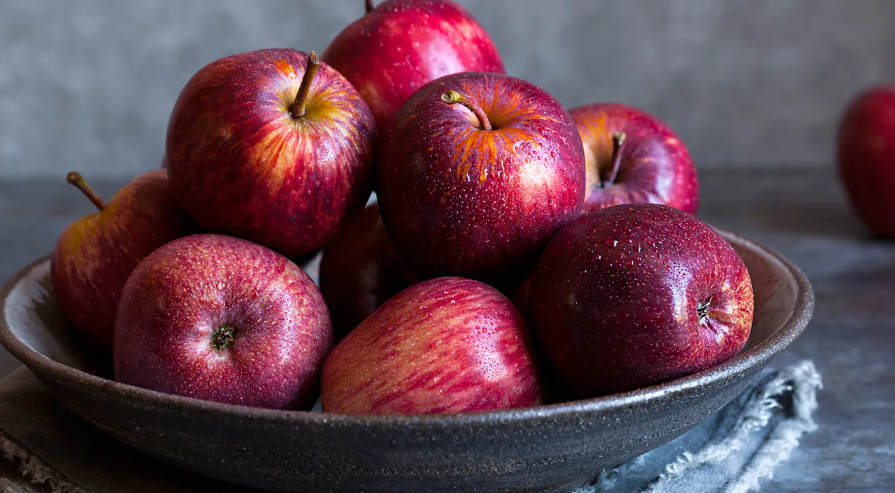
Apples are the most widely cultivated tree fruit in the temperate world, with a history of human cultivation stretching back at least 4,000 to 10,000 years to the wild apple forests of the Tian Shan mountains in Kazakhstan, where the ancestor of all domestic apples still grows today. They belong to the rose family alongside pears, plums, and cherries, and there are estimated to be over 7,500 named apple varieties documented worldwide, ranging from tiny crabapple-sized fruits under an inch across to enormous exhibition varieties exceeding 5 inches in diameter. Global apple production exceeds 80 million metric tons annually, making apples the third most produced fruit in the world after bananas and watermelons, with China alone accounting for approximately 50 percent of world supply.
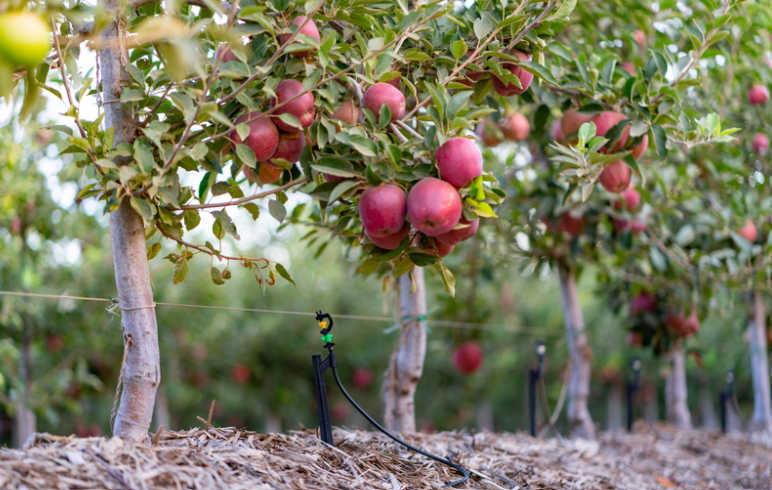
Apple trees vary considerably in size depending on the rootstock used, ranging from ultra-dwarf trees reaching only 4 to 6 feet on the most dwarfing rootstocks to full-sized standard trees reaching 25 to 30 feet on seedling rootstocks. Most commercially grown and home garden trees are maintained on semi-dwarfing rootstocks that produce trees of 8 to 14 feet — a size that balances productivity with ease of management and harvest. Apples are grown commercially across USDA zones 3 to 9 depending on the variety, and most require a period of winter cold — called chilling hours — to break dormancy and produce reliable annual crops, with different varieties requiring between 200 and 1,800 chilling hours below 45°F.
Nutritionally, apples are rich in dietary fiber, vitamin C, potassium, and a range of powerful antioxidant compounds including quercetin, catechin, and chlorogenic acid that have been extensively studied for their potential cardiovascular, metabolic, and cancer-preventive health benefits. A medium-sized apple contains approximately 95 calories and provides around 4 grams of dietary fiber, making it one of the most nutrient-dense, portable, and convenient of all commonly consumed fruits. The popular saying that an apple a day keeps the doctor away has more nutritional basis than most food folklore, with numerous epidemiological studies linking regular apple consumption with reduced risk of cardiovascular disease, type 2 diabetes, and certain cancers.
Apples are consumed fresh, juiced, dried, canned, and fermented into cider across virtually every food culture in the temperate world, and they are one of the most important ingredients in the baking traditions of European and North American cuisine — from French tarte tatin and German apfelstrudel to American apple pie and British apple crumble. The United States produces approximately 10 to 11 billion pounds of apples annually, with Washington State alone accounting for around 60 percent of the national commercial crop. The extraordinary diversity of apple varieties available — spanning every combination of sweet, tart, crisp, soft, aromatic, and complex flavor profiles imaginable — ensures that there is a perfect apple for every eating preference, culinary application, and growing climate on earth.
Also Read: Different Types of Onions
Types of Apples
1. Gala
Gala is the most widely grown apple variety in the United States and one of the top two or three most produced apples globally, producing medium-sized, round fruits with attractive red and yellow-orange striped skin and crisp, sweet, mildly aromatic, pale yellow flesh with very low acidity. It was developed in New Zealand in the 1930s and has become the dominant fresh eating apple in North American supermarkets due to its reliable sweetness, attractive appearance, and long storage life of 4 to 6 months under refrigeration. It is grown across USDA zones 5 to 8 and is one of the most widely planted commercial apple varieties in the world.
2. Fuji
Fuji is the most popular apple in Japan, where it was developed in the 1930s, and has become one of the top-selling apple varieties across North America, Europe, and Asia for its exceptional sweetness, dense, incredibly crisp flesh, and outstandingly long storage life of 5 to 7 months under refrigeration — longer than almost any other commonly grown variety. The fruits are large, round, and predominantly red with a firm, juicy, very sweet flesh that is low in acidity and has a honeyed, complex flavor that improves further with cold storage. It is grown across USDA zones 6 to 9 and is one of the dominant commercial apple varieties in Washington State.
3. Honeycrisp
Honeycrisp is the most popular and highest-valued premium apple variety in the United States, developed by the University of Minnesota and released in 1991, producing large, round fruits with distinctive red and yellow mottled skin and extraordinarily crisp, juicy flesh with a perfectly balanced sweet-tart flavor that has made it the most sought-after fresh eating apple in North American retail. Individual Honeycrisp apples regularly retail for two to three times the price of standard varieties due to the combination of exceptional eating quality and relatively challenging commercial production requirements. It is grown across USDA zones 3 to 7, making it one of the most cold-hardy commercially important apple varieties.
4. Granny Smith
Granny Smith is the world’s most important green apple and one of the most widely grown commercial varieties globally, producing large, round, bright, vivid green fruits with firm, very crisp, tart, refreshingly acidic white flesh that is prized both for fresh eating by those who prefer tart flavors and as the definitive cooking and baking apple for pies, crumbles, and tarts. Originating in Australia in the 1860s from a chance seedling discovered by Maria Ann Smith, it is now grown commercially across USDA zones 5 to 9 on every apple-producing continent. The firm texture, high acidity, and very long storage life of 4 to 6 months make it one of the most commercially versatile apple varieties.
5. Red Delicious
Red Delicious was the most widely grown apple variety in the United States for several decades through the mid-twentieth century, producing large, distinctively elongated fruits with vivid, deep red skin and a classic apple appearance that became the global visual icon of the apple. While its popularity has declined significantly in recent decades as consumer preference shifted toward more flavorful, crispier varieties, it remains one of the most widely produced apple varieties globally and the basis of a significant portion of commercial apple juice production. It is grown across USDA zones 5 to 8.
6. Pink Lady
Pink Lady, also sold as Cripps Pink, is one of the most popular and premium-priced fresh eating apples in the world, producing distinctive, bicolored fruits with vivid pink to red-blushed skin over a yellow-green background and exceptionally crisp, dense flesh with a deliciously balanced sweet-tart flavor and a refreshing, effervescent quality that makes it one of the most universally appealing of all modern apple varieties. Developed in Western Australia and released in the 1970s, it is now grown across USDA zones 6 to 9 and is one of the most commercially important premium apple varieties in European, North American, and Australian retail markets.
7. Golden Delicious
Golden Delicious is one of the most important and widely grown apple varieties in the world, producing large, conical to round fruits with smooth, thin, golden-yellow skin and sweet, mild, honeyed, tender white flesh with a gentle, pleasant flavor well-suited to fresh eating, juicing, and cooking. Discovered as a chance seedling in West Virginia in the early twentieth century, it became one of the most commercially planted apple varieties globally and is the parent of numerous important modern varieties including Gala, Jonagold, and Mutsu. It is grown across USDA zones 4 to 9 and is one of the most adaptable and widely planted commercial apple rootstocks worldwide.
8. Braeburn
Braeburn is a New Zealand-origin apple variety now widely grown commercially across the world, producing medium to large fruits with attractive, irregular red and green-yellow mottled skin and firm, crisp, aromatic flesh with a well-balanced, complex sweet-tart flavor and a spicy, vinous character that gives it one of the most complex and interesting flavor profiles of any widely available commercial apple. It is a consistent bestseller in European retail markets, particularly in the United Kingdom where it is one of the three or four most popular apple varieties, and is grown across USDA zones 5 to 8.
9. McIntosh
McIntosh is one of the most historically important North American apple varieties, discovered as a chance seedling in Ontario, Canada in 1811 and becoming the dominant apple variety across New England and eastern Canada for most of the twentieth century. It produces medium-sized, round fruits with distinctive red and green-striped skin and tender, juicy, white flesh with a mildly tart, wine-like flavor and a pleasant, aromatic quality that is particularly vivid when the fruit is freshly harvested. It is cold-hardy in USDA zones 4 to 7 and remains important in New England fresh cider production.
10. Empire
Empire is a cross between McIntosh and Red Delicious developed by Cornell University and released in 1966, producing medium-sized, round, deep red fruits with crisp, firm, sweet-tart, creamy white flesh that combines the best qualities of both parents — the flavor complexity of McIntosh with the firmness and storage ability of Red Delicious. It is one of the most popular and widely grown apple varieties in the northeastern United States and eastern Canada and is hardy in USDA zones 4 to 7. The excellent eating quality, attractive appearance, and cold hardiness make it one of the finest apples for northern growing regions.
Also Read: Types of Mangoes
11. Jonagold
Jonagold is a widely grown cross between Jonathan and Golden Delicious, producing very large, round to conical, red and yellow-green striped fruits with exceptionally juicy, aromatic, sweet-tart flesh that combines the tangy, wine-like character of Jonathan with the honeyed sweetness of Golden Delicious. It is one of the most popular apple varieties in Belgium and the Netherlands, where it accounts for a very large proportion of commercial apple production, and is grown across USDA zones 5 to 8. The large fruit size, excellent flavor, and attractive appearance make it a consistently popular variety in European retail markets.
12. Cortland
Cortland is a classic New England apple variety developed at the New York State Agricultural Experiment Station, producing medium to large, round, deep red fruits with tender, snow-white flesh that is unusually slow to brown after cutting — making it one of the most valuable apples for fruit salads, cheese boards, and fresh-cut applications where appearance is important. The flavor is sweet, mildly tart, and mildly aromatic with a pleasant, clean character well-suited to fresh eating and sauce production. It is cold-hardy in USDA zones 4 to 7.
13. Winesap
Winesap is one of the most historically significant American heirloom apple varieties, documented in American cultivation since at least the late eighteenth century and remaining an important commercial and home garden variety in the mid-Atlantic and Appalachian regions. It produces medium-sized, round, deep red fruits with firm, crisp, very juicy, wine-flavored, aromatic, spicy flesh that is excellent for fresh eating, cider making, and cooking, with a complex, old-fashioned flavor depth that many collectors and cider enthusiasts consider unmatched by modern varieties. It is grown in USDA zones 5 to 8.
14. Jonathan
Jonathan is a classic American heirloom apple from New York State, one of the most important commercial varieties of the late nineteenth and early twentieth centuries, producing medium-sized, round, bright red to red-striped fruits with tender, juicy, aromatic, pleasantly tart flesh with a distinctive, spicy, wine-like flavor that makes it one of the finest eating apples for those who appreciate tartness and complexity. It is cold-hardy in USDA zones 4 to 8 and remains important in American heirloom apple collections and regional fresh cider production. It is one of the parent varieties of Jonagold.
15. Macoun
Macoun is a cross between McIntosh and Jersey Black apple developed in New York in 1923 and widely regarded as one of the finest fresh-eating apples grown in New England, producing medium-sized, round, very dark red to near-black fruits with extraordinarily aromatic, tender, very juicy, sweet-tart, white flesh that is considered by many New England apple enthusiasts to be among the best-flavored apples grown in the region. It is cold-hardy in USDA zones 4 to 7 and is primarily available at farmers markets and farm stands in New England where it enjoys an almost cult-like following among apple connoisseurs.
16. Northern Spy
Northern Spy is one of the most celebrated and long-established American heirloom apple varieties, originating in New York around 1800 and remaining one of the most prized cooking and pie-making apples in North America for its outstanding culinary qualities. It produces large, round, red and yellow-striped fruits with firm, very juicy, aromatic, well-balanced sweet-tart flesh that holds its texture beautifully during cooking and produces pies and crisps of exceptional quality. It is cold-hardy in USDA zones 4 to 7 but is slow to come into bearing, typically requiring 8 to 10 years before producing meaningful crops.
17. Rome Beauty
Rome Beauty is an important American heirloom baking apple originating in Ohio around 1816, producing large, round, uniformly red, smooth-skinned fruits with firm, mildly flavored white flesh that is average for fresh eating but excellent for baking, particularly for whole baked apples where the large size, firm texture, and ability to hold its shape during long cooking make it the traditional favorite. It is grown across USDA zones 5 to 8 and has been an important commercial variety in the mid-Atlantic states for many generations. The exceptionally attractive, uniformly red skin gives it outstanding visual appeal.
Also Read: Types of Bananas
18. Cameo
Cameo is a chance seedling discovered in a Washington State orchard in the 1980s, now grown commercially as a premium fresh eating apple producing medium to large, distinctively red and cream-striped fruits with very firm, crisp, dense, sweet flesh with moderate acidity and a pleasant, clean flavor profile. It has excellent storage quality lasting 4 to 6 months under refrigeration and maintains its crisp texture exceptionally well even after extended storage — a quality that has made it popular with commercial retailers. It is grown primarily in Washington State across USDA zones 6 to 8.
19. Jazz
Jazz is a popular modern commercial apple developed in New Zealand, a cross between Gala and Braeburn, producing medium to large, round, vivid red fruits with exceptionally firm, very dense, crisp flesh and a well-balanced, pleasantly sweet-tart, aromatic flavor with a distinctive, satisfying crunch that is among the most intense of any widely grown modern apple variety. It is grown commercially across USDA zones 5 to 9 and is one of the most popular premium apple varieties in European retail markets, particularly in the United Kingdom, France, and the Netherlands. The exceptional crunch and balanced flavor make it one of the finest modern apple introductions.
20. Envy
Envy is a premium, modern commercial apple variety developed in New Zealand by the same program that produced Jazz, producing large, round, very attractively colored deep red fruits with extraordinarily firm, crisp, sweet, very low-acid flesh and a clean, pure sweetness that makes it one of the most universally appealing apples for consumers who prefer sweeter fruit. It is grown commercially across USDA zones 5 to 9 and commands premium retail prices in supermarkets across North America, Europe, and Asia. The exceptional appearance, sweetness, and firm texture have made it one of the fastest-growing new commercial apple varieties globally.
21. Cosmic Crisp
Cosmic Crisp is the most significant new American apple variety in a generation, developed over 20 years by Washington State University and released commercially in 2019, producing large, round, very dark red fruits with exceptionally firm, extremely juicy, well-balanced sweet-tart flesh and an extraordinarily long storage life of 10 to 12 months under refrigeration — the longest of any commercially grown apple variety. Washington State invested over 10 million dollars in its development and promotion, and it has become one of the fastest-adopted new apple varieties in American commercial history. It is grown in USDA zones 5 to 8.
22. SweeTango
SweeTango is a premium apple developed by the University of Minnesota — the same institution that produced Honeycrisp — producing large, round, red and yellow-orange mottled fruits with exceptionally explosive crunch, extraordinarily juicy flesh, and a vivid, complex balance of intense sweetness and bright, lively acidity that many tasters consider the most exciting and complex eating experience of any widely available modern apple variety. Released in 2009, it is grown under a managed variety program that limits production to licensed growers across USDA zones 3 to 7. It is available for only a limited window each autumn.
23. Ambrosia
Ambrosia is a Canadian chance seedling discovered in British Columbia in the 1990s, now grown commercially across North America, Europe, and South America, producing medium to large, attractive pink-red and cream-yellow bicolored fruits with very firm, extremely juicy, very sweet, low-acid flesh and a distinctive, honey-like, aromatic flavor quality that gives it its evocative name. It is one of the fastest-growing premium apple varieties in commercial production globally, valued for its consistent sweetness, attractive appearance, and reasonable storage life of 3 to 5 months. It is grown in USDA zones 5 to 9.
Also Read: Best Apples that Grow Well In Florida
24. Zestar
Zestar is an early-season apple from the University of Minnesota, producing medium-sized, red and yellow-green striped fruits with exceptionally crisp, very juicy, sweet-tart, refreshing flesh with a brown sugar undertone that gives it a distinctively pleasant, complex flavor unusual in an early-season apple. It ripens in August — approximately 6 weeks ahead of Honeycrisp — making it one of the finest early-season apples available to northern gardeners who want high eating quality as early as possible in the season. It is cold-hardy in USDA zones 3 to 7.
25. Autumn Glory
Autumn Glory is a managed commercial apple variety producing medium to large, deep red fruits with firm, very sweet, dense flesh and a distinctive, warm, cinnamon and caramel flavor note that is immediately recognizable and quite unlike any other widely available commercial apple variety. The warm spice character makes it particularly popular for autumn seasonal eating and pairs beautifully with caramel dips, cheese, and warm baked goods. It is grown primarily in Washington State and distributed as a premium apple in North American retail markets from autumn through winter.
26. Mutsu (Crispin)
Mutsu, also sold as Crispin, is a Japanese-origin cross between Golden Delicious and Indo, producing very large, round to slightly irregular, greenish-yellow fruits with firm, very crisp, juicy, sweet-tart flesh with a mild, pleasant, honeyed flavor that is excellent for both fresh eating and cooking. It is one of the largest-fruited of all commonly grown apple varieties and a popular choice for gardeners who want impressive fruit size. It is grown across USDA zones 5 to 8 and is valued in the northeastern United States for its cold hardiness and reliable productivity.
27. Stayman Winesap
Stayman Winesap is an important American heirloom variety developed from a Winesap seedling by Dr. J. Stayman of Kansas in the 1860s, producing medium to large, round, deep red fruits with firm, very juicy, spicy, wine-flavored, aromatic flesh of outstanding complexity that is among the finest flavored of all American heirloom apples for both fresh eating and traditional cider making. It is grown in USDA zones 5 to 8 and remains important in Appalachian and mid-Atlantic heritage apple orchards. The distinctive, complex flavor profile has given it an enthusiastic following among heirloom apple collectors.
28. Cox’s Orange Pippin
Cox’s Orange Pippin is widely considered the finest eating apple in the world by British apple connoisseurs and has been the dominant premium apple variety in the United Kingdom for over 150 years, producing medium-sized, round, orange-red and yellow-green fruits with firm, very juicy, intensely aromatic, sweet-tart flesh with a complex, multifaceted flavor that includes notes of pear, melon, and fresh-cut hay. Originated by Richard Cox in Buckinghamshire, England around 1830, it is grown across USDA zones 5 to 8 but performs best in the cool, maritime climate of southern England where the combination of warmth and moisture produces its finest flavor.
29. Bramley’s Seedling
Bramley’s Seedling is the most important culinary apple in the United Kingdom, accounting for the majority of all cooking apple sales in British supermarkets and considered by British cooks to be the definitive baking, sauce, and pie apple for its outstanding culinary qualities. It produces very large, flattened, green to yellow-green fruits with very firm, extremely acidic, tart white flesh that collapses to a fluffy, intensely flavored purée when cooked — a quality unique to Bramley among widely grown apple varieties. It is grown across USDA zones 4 to 7 and is the parent tree, still alive in Nottinghamshire, England, from which all Bramley trees are descended.
30. Honeygold
Honeygold is a cold-hardy apple developed specifically for production in the extreme cold of Minnesota and the upper Midwest, producing medium to large, golden-yellow fruits similar in appearance to Golden Delicious but on a significantly hardier tree that survives winter temperatures to -30°F in USDA zones 3 to 6. The flavor is sweet, mild, and pleasant with a gentle, honeyed character and moderate acidity, and the fruits are good for both fresh eating and cooking. It was developed to bring the Golden Delicious type flavor to gardeners in cold northern climates where the standard Golden Delicious cannot reliably survive.
31. Liberty
Liberty is one of the most important disease-resistant apple varieties developed by Cornell University’s apple breeding program, producing medium-sized, round, deep red fruits with firm, crisp, juicy, mildly sweet-tart flesh of good to excellent eating quality on a tree that shows outstanding resistance to apple scab, cedar apple rust, fire blight, and powdery mildew — the four most damaging apple diseases in eastern North American production. It is grown across USDA zones 4 to 7 and is one of the most widely recommended apple varieties for organic and low-spray home garden production. The combination of good fruit quality and exceptional disease resistance makes it extraordinarily practical.
Also Read: Apples that Are Red Inside
32. Freedom
Freedom is another important disease-resistant apple from Cornell University producing medium to large, round, bright red fruits with firm, crisp, sweet-tart flesh of very good eating quality on a tree with excellent resistance to all four major apple diseases. Released in 1983, it is one of the foundational disease-resistant apple varieties in North American horticulture and remains one of the most recommended choices for organic orchards and home gardens where spraying is impractical. It is grown across USDA zones 4 to 7.
33. Enterprise
Enterprise is a widely grown disease-resistant apple developed jointly by four Midwest universities, producing medium to large, round, very attractively deep red fruits with firm, crisp, aromatic, mildly sweet-tart flesh on a tree with excellent resistance to all four major apple diseases. The flavor improves noticeably with several weeks of cold storage after harvest and the fruits store well for 4 to 6 months under refrigeration. It is grown across USDA zones 4 to 8 and is one of the most popular low-spray and organic apple varieties for home garden and small commercial orchard production.
34. Pristine
Pristine is an early-season disease-resistant apple developed jointly by Purdue University, Rutgers University, and the University of Illinois, producing medium-sized, round, bright yellow fruits with crisp, juicy, very sweet, mild, mildly tart flesh with a pleasant, fresh flavor that is exceptional quality for an early-ripening variety that matures in late July to early August. The disease resistance, early season, and outstanding eating quality for a summer apple make it one of the most highly recommended early-season apple varieties for home garden production. It is grown across USDA zones 4 to 8.
35. Pink Pearl
Pink Pearl is one of the most visually striking apple varieties available, producing medium-sized, pale yellow-green to pink-blushed fruits with extraordinary, vivid deep pink to raspberry-red flesh that makes it one of the most unusual and eye-catching apples in existence. The flavor is tart, berry-like, and refreshing with a pleasing, distinctive character unlike any standard apple variety, and the intensely pink flesh creates spectacular visual impact in fresh-cut fruit salads, pink applesauce, and pink apple cider. It is grown across USDA zones 5 to 8 and is a popular specialty variety at farmers markets.
36. Black Oxford
Black Oxford is an extraordinary American heirloom apple from Oxford County, Maine, documented since the early nineteenth century and producing medium-sized, round fruits with distinctive, very dark, deep purple to near-black skin and sweet, firm, aromatic, pleasantly flavored white flesh. The nearly black skin color is unique among commonly grown heirloom varieties and makes it one of the most visually striking apples in the American heirloom apple collection. It is cold-hardy in USDA zones 4 to 6 and stores exceptionally well, with some accounts suggesting it keeps until spring under proper cold storage conditions.
37. Ashmead’s Kernel
Ashmead’s Kernel is one of the most celebrated English heirloom apple varieties, originating in Gloucester, England around 1700 and widely regarded as one of the finest-flavored apples ever grown for those who appreciate complex, aromatic, intensely flavored fruit. It produces medium-sized, slightly russeted, golden-brown fruits with firm, dense, very juicy, aromatic, intensely sweet-tart flesh with a rich, complex, nutty, pear-like flavor that many apple connoisseurs consider among the very best of any apple variety. It is grown across USDA zones 5 to 8 and is a prized heirloom in the collections of serious apple enthusiasts.
38. Newtown Pippin
Newtown Pippin is one of the oldest surviving American apple varieties, originating in Newtown (now Elmhurst), New York around 1700 and once the most widely exported American apple to Europe where it was greatly admired by Benjamin Franklin and Queen Victoria. It produces medium to large, round, greenish-yellow fruits with firm, very crisp, dense, aromatic, pleasantly tart flesh with excellent, complex flavor that improves significantly with several months of cold storage. It remains important in Pacific Northwest artisan cider production and is grown across USDA zones 5 to 9.
39. Gravenstein
Gravenstein is one of the oldest and most historically important early-season apple varieties in North America, originating in Europe and widely grown in California, the Pacific Northwest, and New England since the nineteenth century. It produces medium to large, red-striped, yellow-green fruits with tender, very juicy, aromatic, sweet-tart flesh of outstanding flavor that is particularly prized for applesauce production where no other variety matches its exceptional intensity and complexity. It is grown across USDA zones 4 to 8 but must be consumed or processed quickly after harvest as it does not store well.
40. Baldwin
Baldwin was the most widely grown commercial apple variety in New England for much of the nineteenth and early twentieth centuries, producing large, round, deep red fruits with firm, crisp, very juicy, sweet-tart, pleasantly spicy, aromatic flesh that is excellent for fresh eating, cider making, and cooking. The catastrophic 1934 New England winter killed most Baldwin orchards and the variety was never replanted at commercial scale, but it remains an important part of New England apple heritage and is treasured in heirloom orchards and home gardens across USDA zones 4 to 7.
41. Esopus Spitzenburg
Esopus Spitzenburg is an American heirloom variety reportedly Thomas Jefferson’s favorite apple, originating in Esopus, New York around 1800 and producing medium-sized, elongated, vivid red fruits with firm, very crisp, very juicy, richly aromatic, spicy, complex sweet-tart flesh that is considered among the finest flavored of all American heirloom varieties. Jefferson grew it extensively at Monticello, and its exceptional flavor quality has given it an enduring following among heirloom apple collectors and enthusiasts. It is grown across USDA zones 4 to 7.
Also Read: Apples that Store Well
42. Roxbury Russet
Roxbury Russet is the oldest apple variety of American origin still in commercial cultivation, originating in Roxbury, Massachusetts in the early colonial period and producing medium-sized, round, distinctively rough-skinned, golden-brown russeted fruits with firm, dense, slightly dry, sweet-tart flesh with a rich, nutty, complex flavor that improves dramatically with several months of cold storage. It is primarily valued today for heirloom cider making where its high sugar content, good acidity, and complex flavor make it an important component of traditional New England hard cider blends. It is grown in USDA zones 4 to 7.
43. Calville Blanc d’Hiver
Calville Blanc d’Hiver is one of the most important and celebrated French heirloom apple varieties, documented in French cultivation since at least 1598 and the traditional choice for the finest French tarte tatin due to its exceptional cooking qualities — it holds its shape beautifully during cooking while developing an extraordinary, complex, rich, aromatic flavor that is considered unmatched by any other variety in a properly made tarte. It produces medium to large, irregularly shaped, pale yellow to greenish-white fruits and is grown across USDA zones 5 to 8. It contains more vitamin C per fruit than almost any other apple variety.
44. Ribston Pippin
Ribston Pippin is an eighteenth-century English heirloom apple from Ribston Hall, Yorkshire, England, widely regarded as one of the finest flavored of all traditional English apple varieties and the parent of Cox’s Orange Pippin. It produces medium-sized, round, russet-tinged, red-orange and yellow-green fruits with firm, very juicy, rich, complex, aromatic, sweet-tart flesh with extraordinary depth and complexity of flavor that is particularly vivid and intense shortly after harvest. It is grown across USDA zones 4 to 7 and is treasured in heirloom apple collections.
45. Egremont Russet
Egremont Russet is the most widely grown and commercially available russet apple in the United Kingdom, producing medium-sized, round, golden-brown, rough-skinned fruits with firm, crisp, sweet, distinctively nutty, aromatic flesh with a pleasant, dry quality and a complex, old-fashioned flavor depth that differs fundamentally from any modern commercial variety. It is a classic component of traditional British cheese and charcuterie boards and is grown across USDA zones 5 to 7 where it performs best in cool, maritime climates similar to its native England.
46. Blenheim Orange
Blenheim Orange is a large, important British heirloom apple of dual-purpose character, outstanding for both fresh eating and cooking, originating near Blenheim Palace in Oxfordshire around 1740 and producing very large, flattened, orange-yellow fruits with deep red flushing and firm, crisp, juicy, aromatic, rich sweet-tart flesh of exceptional complexity. It is widely regarded as one of the greatest and most versatile of all British heirloom apple varieties and remains a prized possession in heritage orchards and the collections of serious apple enthusiasts. It is grown across USDA zones 5 to 7.
47. James Grieve
James Grieve is one of the most popular early-season eating apples in northern Europe, particularly in Scotland where it was bred, producing medium-sized, pale yellow to red-flushed fruits with very tender, extremely juicy, refreshing, mildly sweet-tart flesh that is at its best eaten directly from the tree in late August and early September. The very tender flesh deteriorates quickly and the variety does not store well, making it essentially a pick-and-eat apple that is best appreciated in the garden or at a farm stand. It is grown across USDA zones 4 to 7.
48. Discovery
Discovery is an important English early-season apple widely grown across the United Kingdom and northern Europe, producing medium-sized, vivid red fruits with white to faintly pink-stained flesh of crisp, refreshing, mildly sweet-tart, pleasantly aromatic character that is at its finest eaten fresh from the tree in August. It was the first English apple to receive the Royal Horticultural Society’s Award of Garden Merit for garden performance and has been enormously popular with home gardeners in the United Kingdom for several generations. It is grown across USDA zones 4 to 7.
49. Worcester Pearmain
Worcester Pearmain is a classic English early-season apple producing medium-sized, vivid scarlet to deep red fruits with tender, very juicy, sweet, distinctly strawberry-flavored white flesh that is among the most unusually and pleasantly flavored of any early-season apple. The distinctive strawberry flavor note that characterizes perfectly ripe Worcester Pearmain apples is unlike any other apple variety and makes it one of the most immediately memorable first tastes of the early autumn apple season. It is grown across USDA zones 5 to 7.
50. Lord Lambourne
Lord Lambourne is an early-season English heirloom apple producing medium-sized, red and green-striped fruits with tender, very juicy, rich, aromatic, sweet-tart flesh of outstanding quality considered by many British apple enthusiasts to be the finest of all early English eating apples. It is grown primarily in traditional orchards and heritage apple collections across USDA zones 5 to 7 and is treasured for the brief but extraordinary eating window it provides in early autumn when the fruit is at the peak of its flavor. It is rarely available commercially but widely grown in home gardens.
51. Spartan
Spartan is an important Canadian apple variety developed in British Columbia, producing medium-sized, round, very deep red to near-black fruits with crisp, very juicy, sweet-tart, slightly aromatic white flesh with a pleasant, clean character and an attractive appearance that has made it a popular commercial variety in Canada, the United Kingdom, and northern Europe. It is cold-hardy in USDA zones 4 to 7 and is a consistent, reliable producer that adapts well to cool, maritime climates. The very dark, nearly black-red skin color makes it one of the most visually striking of the standard fresh eating apple varieties.
52. Elstar
Elstar is one of the most important and widely grown commercial apple varieties in the Netherlands and Belgium, where it consistently ranks as the most popular eating apple, producing medium-sized, round, red and yellow-orange striped fruits with firm, very juicy, aromatic, pleasantly sweet-tart flesh with a vivid, bright flavor that is refreshing and clean. It is a cross between Golden Delicious and Ingrid Marie and is grown across USDA zones 5 to 8, performing particularly well in the cool, maritime conditions of northwestern Europe where it achieves its finest flavor expression.
53. Topaz
Topaz is an important disease-resistant Czech-origin apple variety that has become widely planted across Central and northern Europe, producing medium-sized, round, red to red-orange fruits with firm, crisp, juicy, aromatic, well-balanced sweet-tart flesh of very good eating quality on a tree with very good resistance to apple scab and other fungal diseases. It is grown across USDA zones 4 to 8 and is one of the most recommended disease-resistant apple varieties for organic and low-spray production in European growing conditions. The combination of good disease resistance and excellent eating quality has made it one of the most successful European disease-resistant varieties.
54. Reine des Reinettes
Reine des Reinettes, meaning Queen of the Pippins, is one of the most widely grown and historically important French heirloom apple varieties, producing medium-sized, round, golden-yellow to orange-yellow fruits with vivid red striping and very firm, very juicy, aromatic, sweet-tart flesh with a rich, complex, spicy character considered by French apple enthusiasts to be among the finest of all traditional French eating apples. It has been grown in French orchards since at least the eighteenth century and remains popular in French home orchards and heritage collections across USDA zones 5 to 8.
Also Read: Apples that Taste Like Pink Lemonade
55. Lobo
Lobo is an important Canadian apple variety developed in Ontario, producing medium to large, round, deep red fruits with tender, very juicy, sweet, mildly aromatic white flesh of good eating quality that is at its best consumed fresh within a few weeks of harvest. It is cold-hardy in USDA zones 4 to 6, making it one of the better choices for very cold northern growing regions, and produces consistent, heavy annual crops of attractive, large, well-colored fruits. It is grown primarily in Canada and the northeastern United States.
56. Akane
Akane is a Japanese apple variety widely grown in North America, Europe, and Japan, producing small to medium, round, bright red fruits with very crisp, juicy, sweet-tart, refreshing flesh with a distinctive, clean, sharp flavor that is at its best when eaten fresh from the tree in late August. It is a cross between Jonathan and Worcester Pearmain and inherits the vivid red color of Jonathan combined with the early season and crisp texture of Worcester Pearmain. It is grown across USDA zones 4 to 8 and is a popular early-season apple for home orchards.
57. Sunrise
Sunrise is an early-season Canadian apple variety producing medium-sized, round, bright red fruits with firm, crisp, juicy, sweet-tart flesh of good to excellent eating quality for an apple that ripens as early as late July in warm growing regions. Developed from Splendour and McIntosh parents, it combines reasonable cold hardiness with good early season fruit quality and is grown primarily in Canada and the cooler regions of the northeastern United States in USDA zones 4 to 7. The early ripening and good fruit quality make it a valuable variety for northern apple growers.
58. Melrose
Melrose is the official state apple of Ohio, developed at the Ohio Agricultural Research Center, producing large, round, red and green-striped fruits with firm, dense, sweet-tart, slightly spicy, very aromatic flesh that improves significantly with cold storage and is at its finest 2 to 3 months after harvest. It is a cross between Jonathan and Red Delicious that successfully combines the flavor complexity of Jonathan with the storage qualities and size of Red Delicious. It is grown across USDA zones 5 to 8 and is a popular choice for late-season and storage apple production in the Midwest.
59. York Imperial
York Imperial is an important American heirloom apple from York, Pennsylvania, one of the most widely grown commercial apple varieties in the mid-Atlantic states through the mid-twentieth century, producing large, slightly lopsided, deep red fruits with firm, crisp, mildly tart, mildly sweet flesh that is excellent for long-term storage and commercial applesauce and cider production. The distinctively lopsided, one-sided shape is the most recognizable characteristic of York Imperial and makes it immediately identifiable among apple varieties. It is grown across USDA zones 5 to 8.
60. Idared
Idared is an important commercial apple developed in Idaho, producing large, round, vivid red fruits with firm, crisp, mildly sweet-tart, white to cream flesh that stores exceptionally well for 6 to 9 months under refrigeration — making it one of the finest long-season storage apples for both commercial and home production. It is widely grown across USDA zones 4 to 8 and is an important variety in the commercial processing and fresh market storage apple trade across North America and Europe. The very long storage life and consistent, reliable productivity make it a highly practical commercial variety.
61. Lodi
Lodi is one of the most widely grown early-season yellow apple varieties in the northeastern United States and eastern Canada, producing medium to large, round, bright yellow-green fruits with very tender, juicy, mildly sweet, mildly tart white flesh that is best consumed fresh or used immediately for applesauce as it does not store well. It is cold-hardy in USDA zones 4 to 7 and is typically the first apple to ripen in northeastern orchards, making it a valued early-season variety for those who want fresh homegrown apples as early in the season as possible.
62. Transparent (Yellow Transparent)
Yellow Transparent is one of the earliest-ripening of all apple varieties, producing small to medium, pale greenish-white to clear yellow fruits with very tender, juicy, tart, very fragile flesh that is at its best for only a few days around peak ripeness in early to mid-July — the earliest of any widely grown apple variety. It is cold-hardy in USDA zones 3 to 7 and produces reliable heavy crops of early-season fruit that is excellent for fresh eating at peak ripeness and outstanding for fresh applesauce. The very early season and extreme cold hardiness make it invaluable in northern growing regions.
63. Pixie
Pixie is a compact, naturally dwarf English apple variety producing small to medium, round, bright red and yellow-green fruits with crisp, very juicy, sweet, pleasantly aromatic flesh of excellent eating quality on a naturally small tree that rarely exceeds 6 to 8 feet in height even without dwarfing rootstocks. The naturally compact habit makes it one of the most practical apple varieties for small gardens, patio containers, and restricted growing spaces where full-sized trees would be impractical. It is grown across USDA zones 5 to 7 and is widely available from British specialist apple nurseries.
64. Arkansas Black
Arkansas Black is one of the most dramatically colored of all American heirloom apple varieties, producing medium-sized, very round, extremely dark, near-black to deep burgundy-purple fruits that are among the darkest of any apple variety and have a strikingly unusual and beautiful appearance. The flesh is very firm, dense, sweet, and mildly flavored when freshly harvested but develops a rich, complex, spicy, aromatic character with several months of cold storage. It is grown across USDA zones 5 to 8 and is particularly valued in the southern Appalachian region where it has been grown since the nineteenth century.
Also Read: Apples that Are Good for Baking
65. Wealthy
Wealthy is an important American cold-hardy heirloom apple developed in Minnesota in the nineteenth century from a cherry crabapple cross, producing medium-sized, round, red and yellow-green striped fruits with tender, very juicy, tart, slightly spicy white flesh tinged faintly pink near the skin. It is cold-hardy in USDA zones 3 to 6, making it one of the best-flavored apples for the coldest growing regions, and was one of the most important commercial apple varieties in Minnesota and the upper Midwest during the late nineteenth and early twentieth centuries. It remains popular in northern heirloom apple collections.
66. Haralson
Haralson is one of the most popular and widely grown apple varieties in Minnesota, developed by the Minnesota Fruit Breeding Farm and released in 1922, producing medium-sized, round, red and green-striped fruits with very firm, crisp, very tart, juicy, aromatic flesh that is excellent for fresh eating, baking, and cider making. It is cold-hardy in USDA zones 3 to 6, tolerating extreme Minnesota winter temperatures that would kill most apple varieties, and remains one of the most important and widely planted apple varieties for cold-climate production across the upper Midwest. It stores well for 4 to 6 months.
67. Haralred
Haralred is a more highly colored sport of Haralson, producing the same excellent fruit quality and extreme cold hardiness of the parent variety but with a more uniformly and deeply red-colored skin that improves the visual appeal of the fruits at harvest and in storage. It is grown across USDA zones 3 to 6 and is popular as a more visually attractive alternative to standard Haralson in Minnesota and upper Midwest home orchards and small commercial operations. The flavor, texture, and cold hardiness are essentially identical to the parent.
68. Sweet Sixteen
Sweet Sixteen is a University of Minnesota apple variety released in 1977, producing medium to large, round, red and yellow-orange striped fruits with very firm, dense, very sweet, aromatic flesh with a distinctive, unusual flavor that includes notes of vanilla, cherry, and anise — one of the most complex and unusual flavor profiles of any cold-hardy apple variety. It is cold-hardy in USDA zones 3 to 6 and is a popular and widely grown variety in Minnesota and the upper Midwest where it is prized for the combination of cold hardiness and genuinely interesting, complex flavor that most other cold-hardy varieties lack.
69. Fireside
Fireside is a large-fruited Minnesota apple variety producing very large, round, red-striped, yellow-green fruits with firm, crisp, sweet, very juicy, mildly aromatic flesh of good to very good eating quality on a cold-hardy tree that performs reliably in USDA zones 3 to 6. The very large fruit size is one of the most notable characteristics of Fireside, with well-grown fruits regularly exceeding 3 to 4 inches in diameter, and the mild, pleasant sweetness of the flesh makes it broadly appealing as a fresh eating apple. It is widely grown in Minnesota and the upper Midwest.
70. Prairie Spy
Prairie Spy is a cold-hardy apple variety developed in Minnesota, producing large, round, yellow-green fruits with red striping and firm, crisp, very juicy, sweet-tart, spicy, complex aromatic flesh of very good to excellent eating quality that improves significantly with cold storage and is at its finest 2 to 3 months after harvest. It is cold-hardy in USDA zones 3 to 6 and is one of the finest-flavored cold-hardy apples available for northern growing regions, with a complexity of flavor that approaches the finest temperate climate varieties. It stores well for 5 to 7 months under refrigeration.
71. Keepsake
Keepsake is a University of Minnesota apple variety developed as the parent of Honeycrisp, producing medium-sized, round, red fruits with very firm, crisp, very sweet, dense flesh and outstanding storage quality in USDA zones 3 to 6. While Keepsake itself never achieved the commercial success of its famous offspring Honeycrisp, it is historically important as the cold-hardy parent that contributed the extraordinary crispness gene to Honeycrisp. It stores exceptionally well for 6 to 9 months and is grown primarily in Minnesota and the upper Midwest.
72. Goodland
Goodland is one of the most cold-hardy apple varieties in commercial cultivation, developed in Manitoba, Canada and producing medium-sized, round, red and yellow-green striped fruits with tender, juicy, sweet-tart, mildly aromatic flesh of good eating quality on a tree that survives winter temperatures to -40°F in USDA zone 2 to 4. The extraordinary cold hardiness of Goodland makes it one of the very few apple varieties that can be reliably grown in the harshest continental climates of the Canadian prairies and the northernmost United States. It is grown almost exclusively in the coldest growing regions where few other varieties survive.
73. Karmijn de Sonnaville
Karmijn de Sonnaville is a Dutch heirloom apple variety widely regarded by European apple enthusiasts as one of the finest and most complex-flavored of all twentieth-century European apple introductions, producing medium to large, round, vivid red and orange-yellow bicolored fruits with very firm, very crisp, very juicy, intensely aromatic, sweet-tart flesh with an extraordinary depth and complexity of flavor that includes strong notes of Cox’s Orange Pippin — one of its parent varieties — alongside a richer, spicier, more intense character. It is grown across USDA zones 5 to 8 and is a treasured variety in the collections of serious European apple enthusiasts and artisan cider producers who prize it for the remarkable intensity and complexity it contributes to premium apple ciders.
Also Read: Apples that Don’t Brown When Cut
74. Reinette Grise du Canada
Reinette Grise du Canada is an important traditional French heirloom apple producing large, flattened, heavily russeted, grey-brown to golden-brown fruits with very firm, dense, sweet, richly aromatic, complex flesh with a distinctive nutty, spicy depth of flavor that is considered by French apple connoisseurs to be among the finest of all traditional French russet varieties. It has been grown in French orchards since the seventeenth century and remains a prized component of traditional Norman calvados apple brandy blends as well as a treasured fresh eating apple in traditional French kitchen orchards. It is grown across USDA zones 4 to 8.
75. Antonovka
Antonovka is one of the most important and widely grown traditional apple varieties in Russia and Eastern Europe, producing medium to large, round, pale yellow to greenish-white fruits with very firm, very tart, very juicy, intensely aromatic flesh that is exceptional for both traditional Russian apple preserves and fermented apple beverages. It is extraordinarily cold-hardy in USDA zones 3 to 5, surviving Russian winter temperatures that eliminate virtually every other apple variety, and is widely used as a rootstock for grafting other varieties onto in extreme cold-climate production. It is primarily grown in Russia, Poland, and the Baltic states.
76. Sekai Ichi
Sekai Ichi, meaning World’s Number One in Japanese, is one of the largest apple varieties grown commercially, producing enormous, round fruits that can exceed 2 pounds in weight and measure up to 5 inches in diameter, making them among the most impressive-sized apples available anywhere in the world. The flavor is sweet, mild, and pleasant with crisp flesh and the fruits are individually hand-pollinated, hand-thinned, and individually bagged on the tree during development — a labor-intensive Japanese production method that produces perfect, blemish-free, enormous fruits. It is grown in USDA zones 5 to 8.
77. Kanzi
Kanzi is a popular European commercial apple variety developed in Belgium, a cross between Gala and Braeburn, producing medium to large, vivid red and orange-yellow bicolored fruits with very firm, very crisp, very juicy, sweet-tart, aromatic flesh of excellent eating quality and a pleasant, lively, refreshing character. It is grown commercially across Europe and is a consistent top seller in Belgian, Dutch, and German retail markets, valued for the combination of attractive appearance, excellent eating quality, and good storage life. It is grown across USDA zones 5 to 8.
78. Pinova
Pinova is an important German apple variety developed at the Dresden-Pillnitz fruit research station, producing medium-sized, round, vivid red and greenish-yellow bicolored fruits with very firm, crisp, very juicy, sweet-tart, aromatic flesh with a pleasant, clean, balanced flavor of consistently good quality. It is grown commercially across Central and northern Europe and is particularly popular in Germany, Austria, and Switzerland where it has become one of the most important domestic commercial apple varieties. It is grown across USDA zones 4 to 8.
79. Rubinette
Rubinette is a Swiss apple variety widely regarded by European apple enthusiasts as one of the finest-flavored of all modern apple varieties, producing small to medium, round, red-striped, golden-orange fruits with very firm, very crisp, very juicy, intensely aromatic, sweet-tart flesh with extraordinary complexity and depth of flavor that compares favorably with the finest Cox’s Orange Pippin. It is a cross between Golden Delicious and Cox’s Orange Pippin and inherits the complexity of the Cox parent with greater reliability and productivity. It is grown across USDA zones 5 to 8.
80. Florina
Florina is an important disease-resistant French apple variety developed at the INRAE fruit research center in France, producing medium to large, round, vivid deep red fruits with firm, crisp, juicy, mildly sweet-tart, pleasantly aromatic flesh of good to very good eating quality on a tree with very good resistance to apple scab — the most economically damaging apple disease in European production. It is grown commercially across France, Spain, and other European apple-producing countries and is one of the most widely planted disease-resistant apple varieties in European organic and low-spray commercial orchards. It is grown across USDA zones 4 to 8.
Also Read: Apples that Taste Like Pears
81. Sundowner
Sundowner, also known as Cripps Red, is an important Australian commercial apple variety developed in Western Australia by the same program that produced Pink Lady, producing large, round, very firm, very dense, deep red and yellow-green bicolored fruits with crisp, sweet, mildly tart flesh of good eating quality and outstanding storage life of 6 to 9 months under refrigeration. It is grown across USDA zones 6 to 9 and is an important commercial variety in Australia, South Africa, and parts of Europe. The very long storage life and good eating quality make it a valued late-season commercial variety.
82. Opal
Opal is a managed commercial variety developed in the Czech Republic and now widely grown in Washington State, producing medium to large, round, distinctive, vivid golden-yellow to golden-orange fruits with very firm, crisp, sweet, very aromatic flesh with a complex, floral, honeyed flavor that sets it apart from other yellow-skinned varieties. One of the most notable characteristics of Opal is that it does not brown when cut — retaining its pale yellow, fresh appearance far longer than most apple varieties — making it particularly valued for fresh-cut fruit applications. It is grown in USDA zones 5 to 8.
83. Sunrise Magic
Sunrise Magic is a recently developed Australian apple variety producing medium to large, vivid, bright red fruits with very firm, crisp, sweet, aromatic flesh of excellent eating quality on a tree that is more heat-tolerant than most premium apple varieties. It is grown commercially in Australia and is an emerging variety in the premium fresh market segment. The bright red coloring, firm texture, and sweet flavor make it an appealing modern variety for warm-climate apple production.
84. Shinano Gold
Shinano Gold is an important Japanese apple variety producing large, round, vivid golden-yellow fruits with very firm, crisp, sweet, aromatic, mildly tart flesh of excellent eating quality — widely considered one of the finest yellow-skinned apple varieties developed anywhere in the world. It is a cross between Golden Delicious and Senshu and is grown commercially in Japan and increasingly in Washington State and other North American apple-growing regions across USDA zones 5 to 8. The outstanding eating quality and attractive golden-yellow color have made it a rapidly growing variety in premium apple markets globally.
85. Shinano Sweet
Shinano Sweet is a Japanese apple variety closely related to Shinano Gold but producing red-skinned fruits rather than yellow, with similarly firm, very sweet, aromatic, mildly tart flesh of excellent eating quality. It is widely grown in Japan and is exported as a premium apple variety to Asian markets where Japanese apple quality standards are particularly highly valued. It is grown across USDA zones 5 to 8 and represents the continuation of Japan’s tradition of developing world-class apple varieties with outstanding eating quality.
86. Rubin
Rubin is an important Czech disease-resistant apple variety developed at the Prague fruit research institute, producing medium to large, round, very dark, vivid deep red fruits with firm, crisp, sweet-tart, pleasantly aromatic flesh of good eating quality on a tree with very good resistance to apple scab. It is widely grown across Central and Eastern Europe as one of the most reliable and productive disease-resistant apple varieties for the continental climate conditions of the region. The very dark, vivid red coloring is one of its most visually striking characteristics and it is grown across USDA zones 4 to 8.
87. Maigold
Maigold is a Swiss apple variety producing large, round, golden-yellow to orange-yellow, partly russeted fruits with very firm, very crisp, very juicy, rich, complex, sweet-tart, aromatic flesh with a depth and intensity of flavor that is considered by Swiss apple enthusiasts among the finest of any Swiss-developed variety. It is a cross between Golden Delicious and Maigold and performs particularly well in the cool alpine climate conditions of Switzerland and neighboring Central European countries. It is grown across USDA zones 4 to 8 and is available from specialist European apple nurseries.
88. Smeralda
Smeralda is an Italian apple variety developed by the CIV fruit breeding consortium in Italy, producing medium to large, round, vivid bright green to yellow-green fruits with very firm, crisp, very juicy, pleasantly sweet-tart, refreshing flesh with a clean, bright flavor character that is unusual in a green-skinned variety and provides a refreshing, distinctive alternative to the standard Granny Smith. It is grown commercially in Italy and is an emerging variety in European premium apple retail, valued for its vivid green color, firm texture, and refreshing flavor. It is grown across USDA zones 5 to 8.
89. Juliet
Juliet is a compact, naturally columnar apple variety producing medium-sized, round, vivid red fruits with firm, crisp, sweet-tart, pleasantly aromatic flesh of good eating quality on a naturally upright, column-forming tree that grows to only 8 to 10 feet in height with a spread of only 18 to 24 inches — making it one of the most space-efficient apple varieties available for very small gardens, narrow borders, and patio container growing. It is cold-hardy in USDA zones 4 to 8 and is widely available from mainstream European and North American nurseries as one of the most popular columnar apple varieties.
90. Calville Rouge d’Hiver
Calville Rouge d’Hiver is a traditional French heirloom winter apple closely related to the celebrated Calville Blanc d’Hiver, producing medium to large, irregular, ribbed fruits with vivid red skin flushed over a greenish-yellow background and firm, very juicy, aromatic, sweet-tart flesh with a complex, slightly spicy character excellent for both fresh eating and cooking. It is one of several traditional Calville-type apple varieties that have been grown in French orchards since the seventeenth century and remains important in French heirloom apple collections. It is grown across USDA zones 5 to 8.
Also Read: Types of Red Apples
91. Pitmaston Pineapple
Pitmaston Pineapple is a charming English heirloom apple producing very small, golden-yellow, heavily russeted fruits with very dense, very sweet, very firm, intensely aromatic flesh with a distinctive, strong, unusual pineapple-like flavor note that makes it one of the most immediately memorable and unusual-flavored of all heirloom apple varieties. The tiny fruit size and extraordinary flavor make it primarily a specialty garden and collectors’ variety rather than a commercial fruit, but it is widely treasured in British heirloom apple collections. It is grown across USDA zones 5 to 7.
92. Medaille d’Or
Medaille d’Or is a traditional French heirloom cider apple variety producing small, round, yellow to golden-orange fruits with very high sugar content, good acidity, and complex tannins that make it an outstanding traditional cider variety of the Norman cider-making tradition in Normandy, France. France is one of the world’s leading producers of traditional apple cider and calvados apple brandy, and varieties like Medaille d’Or represent the extraordinary diversity of French cider apple varieties developed specifically for traditional fermented beverage production. It is grown across USDA zones 5 to 8.
93. Dabinett
Dabinett is one of the most important and widely grown traditional English cider apple varieties, producing small, round, red and green-striped fruits with very high tannin content and good sugar levels that give it the classic, full-bodied, bitter-sweet character that is the foundation of traditional West Country English hard cider. It is widely grown in the cider orchards of Somerset, Herefordshire, and Devon in England and is increasingly planted by American artisan cider producers seeking authentic English cider character. It is grown across USDA zones 5 to 8.
94. Kingston Black
Kingston Black is widely regarded as the finest single-variety cider apple in the world, producing small, dark red fruits with an almost perfectly balanced combination of high tannins, good acidity, and reasonable sugar content that creates cider of extraordinary complexity and balance without blending with other varieties. It is grown primarily in the traditional cider orchards of Somerset and Herefordshire in England and is the benchmark cider apple against which all other cider varieties are measured. It is grown across USDA zones 5 to 8 and is increasingly sought by North American artisan cider producers.
95. Yarlington Mill
Yarlington Mill is an important English cider apple variety producing medium-sized, round, golden-yellow fruits with red flushing and the high sugar and tannin content typical of the finest traditional West Country cider varieties. It is grown extensively in the traditional cider orchards of Somerset, England and contributes body, sweetness, and tannin structure to traditional West Country cider blends. It is increasingly grown by North American artisan cider producers across USDA zones 5 to 8 seeking to produce authentic English-style traditional cider.
96. Foxwhelp
Foxwhelp is one of the oldest and most historically important English cider apple varieties, documented in cider production since at least the seventeenth century and producing small, red, intensely tannin-rich fruits with high acidity and complex flavor that contribute structure, astringency, and complexity to traditional English cider blends. It is grown in USDA zones 5 to 8 and is increasingly valued by North American artisan cider producers working with traditional English cider apple varieties to produce authentic, complex, full-bodied traditional ciders.
97. Hewes Crab
Hewes Crab, also called Virginia Crab, is one of the most historically important American cider apple varieties, the primary cider apple of colonial Virginia and reportedly grown at Monticello by Thomas Jefferson alongside his preferred eating apple Esopus Spitzenburg. It produces very small, vivid red, crab-apple-sized fruits with very high tannin content, high sugar, and good acidity that produce a rich, complex, full-bodied traditional American cider of remarkable quality. It is grown across USDA zones 4 to 8 and is increasingly sought by American artisan cider producers.
Also Read: Types of Yellow Apples
98. Golden Russet
Golden Russet is an important American heirloom apple producing medium-sized, round, golden-yellow to amber-brown, heavily russeted fruits with very firm, dense, very sweet, very juicy, aromatic, complex flesh with a rich, honeyed, nutty flavor depth that makes it one of the finest flavored of all American russet apple varieties for both fresh eating and traditional cider making. It is grown across USDA zones 4 to 8 and is highly valued both as a fresh eating specialty apple and as a premium ingredient in American artisan hard cider production where its high sugar content and complex flavor are particularly prized.
99. Chisel Jersey
Chisel Jersey is a traditional English cider apple from Somerset, England, producing medium-sized, greenish-yellow to red-flushed fruits with the very high tannin content and moderate sugar levels characteristic of the finest traditional West Country bittersweet cider apple varieties. It is grown in the traditional cider orchards of Somerset and Herefordshire and is one of the important supporting varieties in traditional West Country cider blends, contributing tannin structure, body, and keeping quality to the final product. It is grown across USDA zones 5 to 8.
100. Peasgood’s Nonsuch
Peasgood’s Nonsuch is a magnificent Victorian English heirloom apple variety producing some of the largest fruits of any heirloom variety, with individual apples regularly reaching 4 to 5 inches in diameter and an outstanding, beautiful appearance of vivid red-orange flushing over golden-yellow that makes freshly harvested fruits among the most visually spectacular of any apple variety. The flavor is sweet, richly aromatic, and pleasantly mild with a gentle acidity that suits both fresh eating and baking, and the enormous fruit size makes it one of the most impressive exhibition and show apples in British horticultural tradition. It is grown across USDA zones 5 to 7.