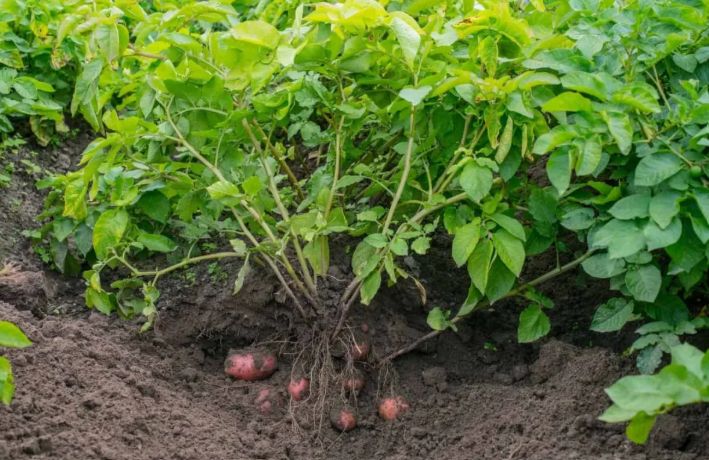
Potatoes are one of the most productive crops a home gardener can grow, with a single seed potato capable of producing 5 to 10 pounds of tubers under good conditions. Because potatoes grow underground and are vulnerable to pests such as the Colorado potato beetle, which can defoliate a plant in a matter of days, choosing the right companion plants for potatoes can make a significant difference in overall yield. Thoughtful pairings can help repel pests, improve soil structure, and make more efficient use of garden space above the developing tubers.
Companion planting with potatoes generally focuses on a few key goals: pest deterrence, soil improvement, and space efficiency. Certain herbs and flowers release strong scents that confuse or repel the insects most likely to target potato foliage, while nitrogen-fixing plants can help feed the relatively heavy-feeding potato crop. Shallow-rooted companions are especially useful since they avoid disturbing the developing tubers below the soil surface. Some companions also attract beneficial insects that prey on common potato pests, offering an additional layer of natural protection.
Certain plants are best avoided near potatoes, particularly other nightshade family crops such as tomatoes, which share vulnerability to similar blights and pest pressures. Cucumbers and squash are also generally kept at a distance, as they can increase humidity around the potato foliage and encourage fungal problems. The 50 companions below instead draw from the legume, brassica, herb, and flowering ornamental groups, each offering a distinct advantage. Many of these pairings have been used in traditional potato-growing systems for generations and remain popular choices for gardeners today.
Also Read: Companion Plants For Beans
Plants That Grow Well Together With Potatoes
Bush Beans
Bush beans are one of the most effective companions for potatoes, largely because they help repel the Colorado potato beetle, a pest capable of destroying a significant share of unprotected foliage. As nitrogen-fixing legumes, bush beans can add as much as 100 pounds of nitrogen per acre to the soil, benefiting the relatively heavy-feeding potato crop. Their compact growth, rarely exceeding 20 inches, means they do not compete significantly for space above the developing tubers. This pairing is one of the most traditional combinations in vegetable gardening.
Corn
Corn provides some structural benefit to a potato bed, particularly when spaced to avoid excessive shading of the lower-growing potato foliage. Its tall stalks, often reaching 6 to 8 feet, can serve as a windbreak that protects potato plants from damaging gusts. Corn is a heavy feeder and can benefit from being planted near legume companions that also share space with the potatoes. This pairing works best when corn is planted along the edges of a potato bed rather than directly among the rows.
Cabbage
Cabbage is a traditional companion for potatoes, with both crops thriving in similarly rich, well-drained soil. Cabbage typically takes 70 to 120 days to mature, overlapping well with a full potato growing season. Its dense leaves can help shade the soil, reducing moisture loss around nearby potato plants. This pairing is common in traditional crop rotation systems used by generations of gardeners.
Broccoli
Broccoli grows well alongside potatoes, with both crops sharing similar soil pH preferences of around 6.0 to 6.5. It typically matures within 60 to 90 days, aligning reasonably well with the potato growing timeline. Broccoli’s broad leaves can provide some ground shading that helps retain soil moisture around potato plants. This pairing is frequently used in traditional vegetable garden layouts.
Cauliflower
Cauliflower shares similar growing requirements with potatoes, including a preference for consistently moist, well-drained soil. It typically takes 55 to 100 days to mature depending on the variety, overlapping with much of the potato season. Cauliflower’s broad leaves can help shade soil and reduce evaporation near potato rows. Both crops also benefit from similar fertilization schedules, simplifying garden bed planning.
Brussels Sprouts
Brussels sprouts are a long-season crop, often taking 90 to 180 days to mature, which allows them to remain in the garden well after early potato varieties have already been harvested. Their tall, upright growth habit means they take up relatively little horizontal space near potato rows. Brussels sprouts also tolerate cooler temperatures well, making them a useful companion for extending garden productivity into fall. This pairing is common in cool-climate vegetable gardens.
Kale
Kale is a heavy feeder that benefits from rich, well-drained soil similar to what potatoes require. It typically matures within 55 to 75 days, allowing for multiple harvests throughout a single potato growing season. Kale’s cold tolerance also makes it useful for extending garden productivity into cooler months after potatoes have finished producing. Its upright growth habit takes up relatively little horizontal space near potato rows.
Marigolds
Marigolds are widely recommended for potato beds because their roots release compounds that suppress harmful soil nematodes, with some studies showing population reductions of more than 90 percent. Their strong scent also helps repel certain beetles that commonly target potato foliage. Marigolds bloom quickly, often flowering within 45 to 50 days of planting, making them a fast-acting companion. Their compact size allows them to be tucked easily along potato rows.
Also Read: Companion Plants For Strawberries
Nasturtiums
Nasturtiums function as a trap crop for aphids, luring them away from potato foliage and onto their own leaves instead. Some gardeners report pest reductions of over 40 percent on crops grown near nasturtiums. Their vining growth can spread up to 10 feet in a single season, offering dense groundcover that helps retain soil moisture. Their peppery, edible flowers and leaves also make them a popular dual-purpose addition to the garden.
Horseradish
Horseradish is one of the most traditionally recommended companions for potatoes, believed to improve disease resistance and repel the Colorado potato beetle when planted at the corners of a potato bed. A single horseradish root can produce a new plant within one growing season, spreading modestly but reliably. Its deep taproot, which can reach over 24 inches into the soil, helps break up compacted earth without competing with potato tubers closer to the surface. Because horseradish can be invasive if left unchecked, it is typically confined to a small area.
Catnip
Catnip’s strong aromatic oils have been shown to help repel the Colorado potato beetle and certain aphids from nearby potato plants. As a hardy perennial, catnip can live for several years once established, providing long-term pest-repelling benefits. Its purple flower spikes also attract pollinators that support the broader garden ecosystem. Catnip is drought tolerant, requiring significantly less water than potatoes, making it easy to place along bed borders.
Tansy
Tansy’s strong-smelling foliage has traditionally been used to repel the Colorado potato beetle, along with certain other beetles and ants. Its clusters of small yellow flowers bloom for 6 to 8 weeks, attracting beneficial insects such as ladybugs and parasitic wasps. Tansy can grow quite tall, often reaching 3 feet, so it works best planted at the border of a potato bed. Because tansy spreads aggressively through its roots, many gardeners keep it contained.
Flax
Flax has long been used as a traditional companion for potatoes, believed to help repel the Colorado potato beetle through its fine, fibrous foliage. It typically matures within 90 to 100 days, overlapping closely with the potato growing season. Flax’s slender stems and delicate blue flowers add visual diversity to a potato bed without significantly shading the crop below. This pairing dates back to older European farming traditions.
Petunias
Petunias help repel certain beetles and aphids through their sticky leaf hairs, which can trap and deter small pests before they reach nearby potato foliage. Some gardeners specifically use petunias to help manage populations of the Colorado potato beetle. Their blooms continue from late spring through the first frost, offering months of garden color. Petunias are low-growing, rarely exceeding 12 inches, so they do not compete with potatoes for sunlight.
Calendula
Calendula produces bright orange and yellow blooms that attract ladybugs and hoverflies known to prey on aphids affecting potato plants. It blooms prolifically over a period of 8 to 10 weeks, one of the longest flowering windows among common companion flowers. Calendula petals also contain mild antifungal compounds that may help support soil health near potato rows. Its bushy growth habit, usually under 18 inches, makes it easy to interplant along potato beds.
Also Read: Companion Plants For Zucchini
Yarrow
Yarrow attracts ladybugs, lacewings, and other predatory insects known to feed on aphids at rates of up to 50 per day for a single ladybug. Its flat-topped flower clusters bloom for 4 to 6 weeks, providing a steady food source for beneficial insects throughout the potato growing season. Yarrow is drought tolerant, requiring minimal supplemental watering once established. Its finely divided leaves add texture that helps diversify the potato bed’s microclimate.
Chamomile
Chamomile is often described as a “physician plant” for its reputation of improving the health of nearby crops, including potatoes. Its essential oils have mild antifungal properties that may help reduce the spread of certain soil-borne diseases. Chamomile blooms repeatedly over a 6 to 8 week period, attracting hoverflies and other beneficial insects. Its low, feathery growth habit, rarely exceeding 12 inches, allows it to be tucked between potato plants.
Sage
Sage’s strong aromatic oils are effective at repelling certain beetles and moths that might otherwise damage potato foliage. It thrives in well-drained soil with a similar pH range to potatoes, typically between 6.0 and 6.5. Sage plants can live for 4 to 5 years once established, providing long-term pest protection without needing frequent replanting. Its silvery leaves also help reflect sunlight, reducing heat stress during peak summer months.
Thyme
Thyme works well as a low, spreading groundcover around potato beds, helping to retain soil moisture during dry spells. Its strong aromatic oils are known to help repel certain beetles that would otherwise target potato foliage. A single thyme plant can spread to cover nearly 12 inches of ground within a season. Because thyme thrives in well-drained soil, it pairs easily with the growing conditions potatoes prefer.
Oregano
Oregano is a low-growing, spreading herb that works well as living mulch around potato plants, helping to retain soil moisture and suppress weeds. Its strong aromatic oils have shown some effectiveness at repelling certain beetles in small garden trials. Oregano is a hardy perennial capable of living for 5 or more years once established. Because it tolerates poor soil and minimal watering, it rarely competes with potatoes for nutrients.
Parsley
Parsley, when allowed to flower in its second year, attracts parasitic wasps and hoverflies that help control aphid populations near potato plants. It grows well in partial shade, making it useful for planting on the shadier side of a potato bed. Parsley typically takes 70 to 90 days to reach full size from seed. Its low, clumping growth habit, usually under 12 inches, ensures it does not shade out nearby potato foliage.
Cilantro
Cilantro, when allowed to bolt and flower, produces small white blooms highly attractive to hoverflies and parasitic wasps that prey on potato pests. The plant grows quickly, often ready for leaf harvest within 45 days, after which it can be left to flower. Hoverfly larvae attracted by cilantro blooms can consume dozens of aphids daily during their development. Because cilantro bolts quickly in hot weather, it works especially well as an early-season companion.
Also Read: Companion Plants For Cucumbers
Dill
Dill attracts beneficial predatory insects such as parasitic wasps and ladybugs, both of which help control aphids and certain beetles near potato plants. It typically matures in 40 to 60 days, offering relatively quick pest-attracting benefits early in the growing season. Dill’s tall, feathery growth, often reaching 2 to 3 feet, works best planted at the back of a potato bed. Because dill can attract pollinators for weeks once it flowers, it provides extended support for the broader garden.
Catmint
Catmint produces a strong aromatic oil that has been shown to repel aphids and certain beetles at rates comparable to some synthetic repellents in small-scale trials. Its silvery-green foliage and purple flower spikes bloom for 6 to 8 weeks, providing consistent nectar for pollinators. Catmint is highly drought tolerant, needing significantly less water than potatoes. Its mounding growth habit, usually 12 to 18 inches tall, adds structure without shading potato foliage.
Borage
Borage attracts pollinating bees in large numbers, with its blue star-shaped flowers blooming continuously for up to 10 weeks. This extended bloom period benefits the broader garden ecosystem surrounding a potato bed. Borage’s deep taproot also pulls trace minerals up from lower soil layers, making them available to shallower-rooted plants nearby. Some gardeners have reported general improvements in nearby crop vigor when borage grows close by.
Cosmos
Cosmos flowers attract a wide range of pollinators and beneficial insects, including ladybugs and lacewings that prey on common potato pests. A single cosmos plant can produce dozens of blooms over a season lasting from early summer until the first frost. Its height, often reaching 3 to 4 feet, makes it best suited for the back of a potato bed. Cosmos is also relatively drought tolerant, requiring less frequent watering than potatoes.
Zinnias
Zinnias bloom within 60 to 70 days of planting and continue producing new flowers throughout the summer, drawing in bees and butterflies that support the broader garden. Their bright colors make them particularly attractive to a wide range of pollinating insects. Zinnias also attract ladybugs, which can consume as many as 5,000 aphids over their lifetime. Because zinnias come in a range of heights, they can be positioned at the back or sides of a potato bed.
Sweet Alyssum
Sweet alyssum blooms almost continuously from spring through fall, often producing hundreds of tiny flowers per plant that attract hoverflies and other beneficial insects. Its mat-like growth habit, usually under 6 inches tall, makes it an excellent living mulch that helps retain soil moisture around potato rows. Hoverfly larvae attracted by its blooms can consume large numbers of aphids during the growing season. Because it self-seeds readily, a single planting can continue providing benefits across multiple seasons.
Nigella
Nigella, also known as love-in-a-mist, produces delicate blue flowers that attract a range of small pollinators beneficial to the broader garden. It typically blooms within 65 to 70 days of planting and continues flowering for several weeks after that. Its fine, feathery foliage adds textural diversity to a potato bed without significantly shading nearby plants. Nigella also self-seeds readily, often returning on its own in subsequent seasons.
Sweet Peas
Sweet peas are climbing flowers that can be trained onto a trellis at the edge of a potato bed, keeping their footprint compact. Their fragrant blooms attract bees and other pollinators that benefit the surrounding garden. Sweet peas typically flower within 60 to 70 days of planting and continue blooming for several weeks afterward. Because sweet peas prefer cooler temperatures, they are often planted early in the season alongside young potato plants.
Also Read: Companion Plants For Peppers
Radishes
Radishes mature quickly, often ready for harvest within 20 to 30 days, making them useful for marking potato rows before the plants fully establish. Their fast root growth helps loosen compacted soil, improving drainage for nearby potato tubers. Radishes are also sometimes used as a trap crop for flea beetles, which prefer radish leaves over potato foliage. Because they are harvested so quickly, radishes rarely compete with potatoes for space.
Spinach
Spinach reaches harvestable size within 40 to 45 days, allowing it to be grown and removed before potato foliage needs the full space to spread. Its broad leaves help shade the soil, keeping the top layer cooler during hot spells. Spinach has relatively shallow roots, so it does not compete significantly with developing potato tubers. Many gardeners plant spinach in early rows between potato plants to make efficient use of garden space.
Lettuce
Lettuce grows quickly, typically ready for harvest within 30 to 70 days depending on the variety, allowing it to fill in gaps between young potato plants. Its low, spreading growth helps shade the soil and reduce moisture evaporation near the surface. Lettuce and potatoes share similar watering needs, simplifying irrigation planning. Because lettuce matures and is removed quickly, it rarely competes with potatoes for long-term space.
Swiss Chard
Swiss chard grows well in the same rich, well-drained soil conditions that potatoes prefer, typically reaching harvestable size within 50 to 60 days of planting. Its broad leaves provide some ground shading that helps retain soil moisture near potato rows. Chard can be harvested repeatedly by cutting outer leaves, allowing continued production for several months. Because chard has a relatively small footprint at the base, it can be interplanted closely with potatoes.
Celery
Celery grows slowly, often taking 85 to 120 days to reach full maturity, overlapping well with a full potato growing season. Its upright, narrow growth habit means it takes up relatively little horizontal space near potato rows. Celery prefers consistently moist soil, sharing similar watering needs with potatoes. The two crops are commonly interplanted in raised beds where space is limited.
Beets
Beets grow well alongside potatoes, with their root development benefiting from loose, well-drained soil similar to what potatoes require. Beet roots typically mature within 50 to 70 days, allowing for an efficient harvest cycle. Their compact above-ground growth, rarely exceeding 12 inches, means they do not compete significantly for sunlight. Beets and potatoes also share similar soil pH preferences, generally between 6.0 and 6.5.
Buckwheat
Buckwheat is a fast-growing cover crop that reaches flowering stage within 4 to 6 weeks, quickly attracting pollinators and beneficial insects to a potato bed. Its dense root system helps improve soil structure and can suppress weed germination. Buckwheat flowers are particularly attractive to hoverflies, whose larvae can consume up to 400 aphids over their development period. Because it is not frost hardy, buckwheat is typically grown as a seasonal companion rather than a permanent fixture.
Clover
Clover is a nitrogen-fixing groundcover that can add significant amounts of usable nitrogen to the soil, benefiting the relatively heavy-feeding potato crop. Its low, spreading growth habit, usually under 6 inches tall, makes it an effective living mulch that suppresses weeds. Clover flowers also attract bees and other pollinators, supporting the broader garden ecosystem. Because clover can compete for space if left unchecked, it is often mowed or trimmed periodically.
Garlic
Garlic’s pungent sulfur compounds are believed to help repel aphids and certain beetles from nearby potato plants. A single garlic clove planted in autumn will typically mature into a full bulb within 8 to 9 months, coinciding well with the potato growing calendar. Garlic’s antifungal properties in the surrounding soil may also help reduce certain fungal issues. Its narrow, upright leaves make it easy to plant along the borders of a potato bed.
Onions
Onions release sulfur compounds that are effective at repelling aphids and certain beetles that commonly affect potato plants. Their upright, narrow growth habit means they take up minimal horizontal space, allowing them to be tucked between potato rows. Onions typically mature in 90 to 120 days, giving them enough time to establish strong pest-repelling properties throughout most of the potato season. Studies on companion planting have shown pest damage reductions of up to 25 percent in beds where alliums are interplanted with other crops.
Chives
Chives produce a mild onion-like scent that helps mask the aroma of potato foliage from pests such as aphids and certain beetles. This perennial herb can be harvested repeatedly, with regrowth occurring within 2 to 3 weeks after cutting. Chives also produce edible purple flowers that attract pollinating bees, supporting the broader garden. Their clumping growth habit, rarely exceeding 12 inches, makes them easy to fit into tight spaces along potato bed borders.
Leeks
Leeks share the same sulfur-based pest-repelling compounds found in onions and garlic, helping to deter aphids and certain soil-borne pests. They have a long growing season, often taking 120 to 150 days to mature, remaining in the ground for most of the potato fruiting period. Their upright, narrow leaves take up very little horizontal space, allowing them to be planted closely alongside potato rows. Leeks also tolerate cooler temperatures well, making them a useful companion for early spring and late fall potato beds.
Also Read: Companion Plants For Tomatoes
Peas
Peas are nitrogen-fixing legumes that add usable nitrogen to the soil, benefiting the relatively heavy-feeding potato crop. They typically climb using tendrils and can be trained onto low trellises, keeping their footprint compact. Pea plants mature in about 60 to 70 days, allowing an early harvest before potato foliage fully establishes across the bed. Their flowers also attract early-season pollinators that support the broader garden.
Bee Balm
Bee balm’s vivid red, pink, or purple flowers attract bees, butterflies, and hummingbirds, all of which support the broader garden ecosystem near a potato bed. A well-established plant can produce over 50 individual blooms in a single season, offering an extended nectar source. Its strong minty scent also has mild pest-repelling properties against certain aphids and gnats. Bee balm prefers consistent moisture, needing about 1 inch of water per week.
Phlox
Phlox produces dense clusters of fragrant flowers that attract butterflies and moths, some of which act as nighttime pollinators benefiting the broader garden. Depending on the variety, phlox can bloom for 6 to 10 weeks, providing a long-lasting nectar source through much of the potato growing season. Its moderate height, generally 12 to 24 inches, allows it to be planted near potato rows without casting excessive shade. Phlox also prefers similar moisture levels to potatoes, simplifying irrigation planning.
Verbena
Verbena produces small, colorful flowers that bloom continuously from late spring through the first frost, offering one of the longest nectar sources available to garden pollinators. Its sprawling, low growth habit makes it a useful groundcover that helps shade soil and retain moisture around potato rows. Verbena is particularly attractive to butterflies, with a single plant capable of hosting multiple visits per hour during peak bloom. Because verbena tolerates heat and drought well, it pairs easily with potatoes without requiring extra irrigation.
Dead Nettle
Dead nettle is a low, spreading groundcover often used to suppress weeds and retain soil moisture around potato plants. Its small purple or pink flowers bloom in early spring, providing an early nectar source for pollinators emerging from winter dormancy. Dead nettle typically stays under 8 inches tall, so it does not compete with potato foliage for sunlight. Because it spreads readily through creeping stems, it is often used as living mulch along potato bed edges.
Basil
Basil’s strong scent can help mask the smell of potato foliage from certain pests, including aphids and some beetles. It grows well in full sun and consistently moist soil, conditions that align reasonably well with potato growing requirements. Basil typically reaches harvestable size within 60 to 90 days and can be trimmed repeatedly to encourage bushier growth. Its flowers, when allowed to bloom, also attract pollinators that benefit the broader garden.
Winter Savory
Winter savory is a hardy, low-growing herb whose strong aromatic oils have been noted to help repel certain beetles from nearby plants. It thrives in the same well-drained soil conditions preferred by potatoes and requires minimal additional care once established. Winter savory is a perennial capable of living for several years, providing long-term groundcover and pest-repelling benefits. Its compact size, usually under 12 inches, allows it to be tucked easily between potato rows.
Marjoram
Marjoram is a fragrant, low-growing herb whose aromatic oils have mild pest-repelling properties against aphids and certain beetles. It thrives in the same well-drained, sunny conditions preferred by potatoes, making the two easy to grow together. Marjoram can be harvested repeatedly throughout the season, with new growth typically appearing within 2 to 3 weeks after trimming. Its compact size, usually staying under 12 inches tall, makes it a convenient border plant along potato beds.