Cold-hardy berry bushes are among the most rewarding food plants for northern gardens. Berry bushes are woody shrubs that bear small, soft fruits, and most begin producing within two or three years of planting. They take far less space than fruit trees and are easier to protect from birds and frost.
Many of the world’s berries come from cold places to begin with. Blueberries, cranberries, currants and lingonberries all evolved in northern forests, bogs and tundra. Alaska alone has almost 50 kinds of edible wild berries.
Northern berries are also unusually rich in beneficial plant compounds. Researchers found that Alaska’s wild blueberries scored nearly double the antioxidant level of berries from the lower 48 states. Lingonberries and highbush cranberries scored higher still.
The coldest gardening regions of the United States and Canada see winter lows of -40°F to -50°F. Every bush on this list tolerates at least -20°F, and many survive the worst cold on the continent. Each entry describes the plant and notes where it is grown.
1. Haskap
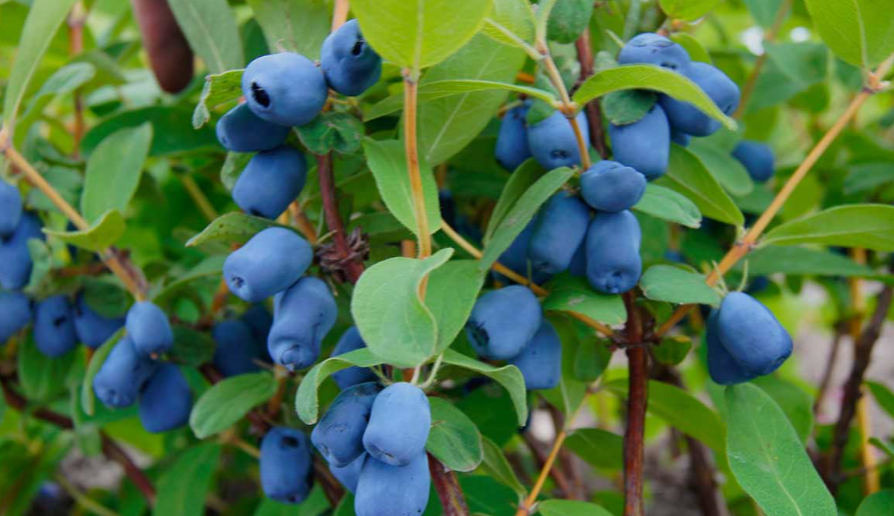
The haskap, also called honeyberry, is a blue-fruited honeysuckle from Siberia and northern Japan. Its berries are long, soft and dusty blue. The flavor is often described as a mix of blueberry and raspberry. It is the first fruit of the season, ready from late June to early July. The bush has no thorns and does not send up suckers.
The University of Saskatchewan began collecting haskap plants in 1997 and started its breeding program in 2002. The university rates its varieties as hardy to the coldest garden zone. Its breeder reports no damage after a winter low of -47°C, or about -53°F. Two unrelated varieties must be planted together for pollination. Haskap is grown across Canada, the northern United States, Russia and Japan.
2. Saskatoon Berry
The saskatoon berry is a native shrub of the northern Great Plains. It is also known as juneberry and serviceberry. The fruit looks like a blueberry but is actually related to the apple. It is sweet, with a mild almond note from the seeds. The bush grows 6 to 15 feet tall.
It handles extreme cold and grows wild as far north as Alaska. North Dakota State University calls it one of the most promising fruit crops in its trials. The berries ripen in July and are used for pies, jam and syrup. White spring flowers and orange-red fall color make it ornamental as well. It is grown commercially on the Canadian prairies and in North Dakota, Minnesota and Michigan.
3. Lingonberry
The lingonberry is a low, evergreen shrub only 4 to 12 inches tall. It bears small, bright red, tart berries. In Alaska it is called lowbush cranberry. The fruit is made into sauce, jam and juice. It keeps for months because of natural preservatives in the berries.
It is among the hardiest fruit plants on Earth and thrives in the far north. In university tests it scored the highest antioxidant level of any Alaska berry. It needs acidic, well-drained soil and dislikes hot summers. It spreads slowly by underground stems. It grows wild across Scandinavia, Russia, Canada and Alaska and is cultivated in Sweden, Germany and the Pacific Northwest.
4. Bog Cranberry
The bog cranberry is the familiar cranberry of sauce and juice. It is a trailing, evergreen shrub with thin, wiry stems. The berries are firm, glossy and deep red. They are very tart and are almost always sweetened or cooked. The plant stands only a few inches high.
It is native to acidic bogs in northeastern North America. It tolerates winter lows of -40°F. Commercial growers flood the beds at harvest so the berries float. Home gardeners can grow it in a moist, peaty bed without flooding. It is grown in Wisconsin, Massachusetts, New Jersey, Oregon, Washington, Quebec and British Columbia.
5. Highbush Cranberry
The highbush cranberry is not a true cranberry but a tall native shrub. It bears hanging clusters of translucent red berries. Each berry holds one large, flat seed. The fruit is tart and high in vitamin A. It is used for jelly, juice, sauce and even ketchup.
The shrub survives -50°F. It grows 8 to 12 feet tall, with maple-like leaves that turn red in fall. The berries hang on through winter and soften after frost. They give off a musty smell when cooked, though the flavor is good. It grows wild and in gardens across Alaska, Canada and the northern United States.
6. Nannyberry
The nannyberry is a large native shrub related to the highbush cranberry. Its berries are blue-black and sweet. The flavor is often compared to dates or prunes. Each fruit contains a single flat seed. The berries ripen in fall and are best after a frost.
It tolerates winter lows of -40°F and colder. It grows 10 to 18 feet tall and can be trained as a small tree. Creamy white flower clusters appear in late spring. The foliage turns maroon in autumn. It is native to the northeastern and north-central United States and southern Canada.
7. Lowbush Blueberry
The lowbush blueberry is the wild blueberry of the Northeast. It grows only 6 to 24 inches tall. The berries are small, dark and intensely flavored. They are favored for baking because they hold their shape. The plants spread by underground stems to form wide mats.
It survives -40°F, helped by the snow that covers its low stems. Growers do not plant it in rows but manage wild stands. Fields are mowed or burned every second year to renew the plants. It needs very acidic, sandy soil. It is harvested in Maine, Quebec, Nova Scotia, New Brunswick and Newfoundland.
8. Highbush Blueberry
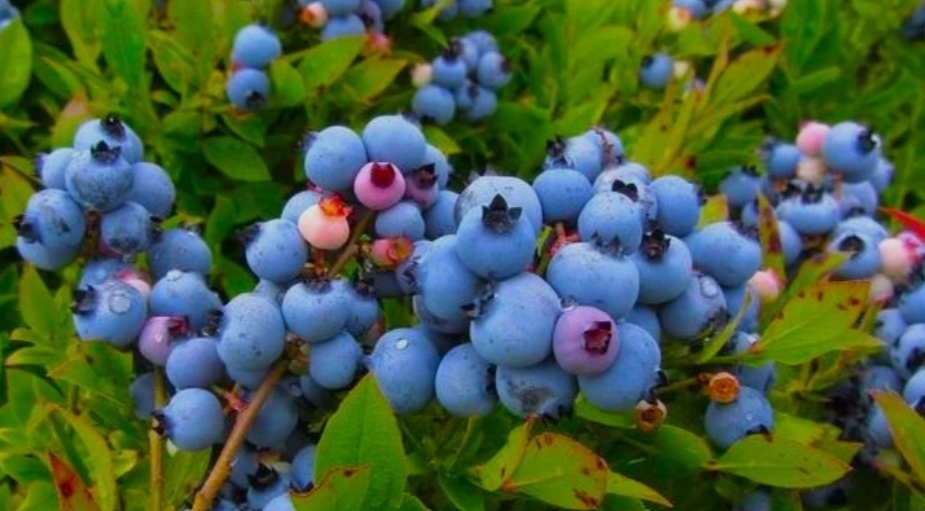
The highbush blueberry is the source of most fresh blueberries in stores. It grows 5 to 8 feet tall. The berries are large, sweet and light blue. White, bell-shaped flowers appear in spring. The leaves turn brilliant red in fall.
Hardiness varies by variety, and the toughest tolerate about -30°F. It requires acidic soil, which often means adding peat or sulfur. Two varieties planted together give larger crops. A well-kept bush can bear for decades. It is grown in Michigan, New Jersey, Washington, Oregon, British Columbia and New England.
9. Half-High Blueberry
Half-high blueberries are crosses between the highbush and lowbush types. They combine large fruit with a short, hardy plant. Most grow 2 to 4 feet tall. The berries are medium to large, with a sweet, wild-blueberry flavor. A single bush can yield 3 to 12 pounds of fruit.
The University of Minnesota began breeding them in 1967. The first varieties avoid winter injury through cold-tolerant buds and a low stature that lets snow cover much of the plant. The university’s extension service says they offer growers in the coldest zones the potential for 30 years or more of production. They are attractive enough to use as landscape shrubs. They are grown in Minnesota, Wisconsin, the Dakotas, Manitoba and northern New England.
10. Red Raspberry
The red raspberry is one of the most widely grown berry bushes in cold climates. It bears soft, red, hollow fruits that slip off a central core. The canes live for two years, while the roots live for many more. Some types fruit in summer, and others fruit in fall. The canes are lightly prickly.
The hardiest varieties survive -40°F. Several were bred in Manitoba specifically for prairie winters. Wild raspberries grow as far north as Alaska. The bushes spread by suckers and need to be kept in rows. They are grown across Canada, the northern United States, Russia, Poland and Scotland.
11. Black Raspberry
The black raspberry is native to eastern North America. Its berries are small, purple-black and richly flavored. They have a distinct, almost winey taste. The canes arch over and root where their tips touch the ground. The stems have a whitish bloom and stout thorns.
It is less hardy than the red raspberry and tolerates about -20°F to -25°F. It does not spread by suckers. The fruit is prized for jam, ice cream and pies. It ripens in early summer over a short season. It is grown in Oregon, Ohio, Pennsylvania, New York and the Midwest.
12. Thimbleberry
The thimbleberry is a thornless relative of the raspberry. It has very large, soft, maple-shaped leaves. The berries are bright red and shaped like a shallow thimble. They are so soft that they cannot be shipped. The flavor is tart and intense.
It tolerates winter lows of about -40°F. It grows 3 to 6 feet tall and spreads into thickets. The fruit makes a celebrated jam on Michigan’s Upper Peninsula. Large white flowers appear in early summer. It is native from Alaska to California and east to the Great Lakes.
13. Black Currant
The black currant bears clusters of glossy, purple-black berries. The fruit has a strong, musky flavor and very high vitamin C. It is used for juice, jam, syrup and liqueur. The leaves and stems are aromatic. The bush grows 4 to 6 feet tall.
It survives -40°F and colder. It flowers early and prefers cool summers. Some American states restrict it because it can carry a disease of white pine trees. Resistant varieties are available. It is grown in Russia, Poland, Britain, New Zealand, Canada and the northern United States.
14. Red Currant
The red currant carries long, hanging strings of translucent, scarlet berries. The fruit is tart and juicy. It is the classic berry for jelly. The bush has no thorns and grows 3 to 5 feet tall. It fruits well even in part shade.
It tolerates -40°F. Plants reach full production in 3 to 4 years. A healthy bush lives 10 to 15 years. The berries hang on the plant for weeks after ripening. It is grown in northern Europe, Canada and the northern United States.
15. White Currant
The white currant is a pale form of the red currant. Its berries are translucent and cream to pale yellow. They are sweeter and less acid than red ones. The fruit is pleasant to eat fresh. It also makes a delicate jelly and wine.
It is as hardy as the red currant. The bushes are slightly smaller and less vigorous. Birds are less attracted to the pale fruit. It is less common in nurseries than red types. It is grown in northern Europe, Canada and the northern states.
16. Clove Currant
The clove currant is a native shrub of the Great Plains. It bears yellow flowers with a strong scent of cloves. The berries are black and larger than garden currants. They are sweet and mild enough to eat fresh. The bush grows 5 to 7 feet tall.
It is hardy to the coldest garden zones. It tolerates drought and poor soil better than other currants. The best-known variety was found in Kansas and introduced in 1888. The leaves turn red and purple in fall. It is grown across the central and northern United States and the Canadian prairies.
17. Gooseberry
The gooseberry is a thorny bush closely related to the currant. Its berries are larger and are borne singly or in small groups. They may be green, yellow, pink or red. The fruit is tart when green and sweeter when fully ripe. It is a traditional pie and jam fruit.
It survives -40°F. American varieties resist disease better than the large European types. The bush grows 3 to 5 feet tall. It crops well in part shade. It is grown in Britain, northern Europe, Canada and the northern United States.
18. Jostaberry
The jostaberry is a cross between the black currant and the gooseberry. Its berries are dark purple-black and larger than currants. The flavor falls between its two parents. The bush is thornless. It is very vigorous and can reach 6 feet or more.
It was developed in Germany and released in the 1970s. It tolerates about -30°F to -40°F. It resists mildew and several other diseases. It bears heavily once established. It is grown in Germany, Britain and the northern United States.
19. Aronia
Aronia, or black chokeberry, is a native North American shrub. It bears clusters of glossy, black, pea-sized berries. The raw fruit is so astringent that it dries out the mouth. It is used for juice, wine and jam, usually blended with sweeter fruit. The berries are high in tannins and antioxidants.
North Dakota State University rates it hardy to the second-coldest garden zone and describes it as very productive. The plant was developed into a commercial fruit in Eastern Europe. It has white spring flowers and brilliant red fall leaves. It has few pests and tolerates wet soil. It is grown in Poland, Russia, Iowa, Nebraska and the Dakotas.
20. Elderberry
The American elderberry is a large shrub with flat-topped clusters of tiny, purple-black berries. It grows 6 to 12 feet tall. The fruit is used for syrup, jelly, pie and wine. The cream-colored flowers are also edible. It fruits in late summer.
It tolerates winter lows of about -40°F. The berries must be cooked, because raw fruit, stems and leaves can cause nausea. It grows quickly and spreads by suckers. Two varieties give better crops. It is native to eastern North America and is grown in Missouri, the Midwest and the Northeast.
21. Chokecherry
The chokecherry is a native shrub or small tree found across North America. It bears long clusters of small, dark red to black fruit. The raw fruit is very astringent. Cooked with sugar, it makes outstanding jelly, syrup and wine. It is the state fruit of North Dakota.
It survives -50°F. The pits, leaves and stems contain a toxin and should not be eaten. Plains peoples pounded the dried fruit into pemmican. It suckers freely to form thickets. It grows wild and in shelterbelts across Canada and the northern United States.
22. Nanking Cherry
The Nanking cherry is a dense shrub from northern China and Mongolia. It bears bright scarlet fruits about half an inch across. They are juicy and sweet-tart. The fruit is eaten fresh or made into jelly and juice. Pale pink flowers cover the branches in very early spring.
It survives -40°F and colder. It grows 6 to 10 feet tall and wide. Two plants are needed for good fruit set. It is often planted as a hedge or windbreak. It is grown across the Canadian prairies, the northern Plains and the Mountain West.
23. Western Sand Cherry
The western sand cherry is a low shrub native to the Great Plains. It grows 3 to 6 feet tall. The fruit is purple-black and about the size of a small cherry. It ranges from astringent to pleasantly sweet. It is used mainly for jelly, jam and pies.
It is hardy to the coldest garden zones. It thrives in dry, sandy soil where little else will fruit. Plant breeders have crossed it with plums to create hardy hybrids. The gray-green leaves turn red in fall. It is grown in the Dakotas, Nebraska, Montana and the Canadian prairies.
24. Sea Buckthorn
Sea buckthorn is a thorny shrub with narrow, silvery leaves. Female plants are crowded with bright orange berries. The fruit is sour and very high in vitamin C. It is used for juice, jam and skin-care oil. Male and female plants are both needed.
It tolerates extreme cold, drought and salty soil. North Dakota State University found it vigorous and aggressive and does not recommend it, since it may become invasive. Its roots add nitrogen to the soil. The berries cling tightly and are hard to pick. It is grown in China, Russia, Germany and the Canadian prairies.
25. Buffaloberry
The silver buffaloberry is a thorny native shrub of the northern Plains. Its leaves are silvery on both sides. Female plants bear small, red, tart berries. The fruit turns sweeter after frost. It makes a fine jelly.
It is hardy to -50°F. It tolerates drought, wind and alkaline soil. Plains peoples ate the berries with bison meat, which gave the plant its name. Like sea buckthorn, it adds nitrogen to the soil. It is grown in shelterbelts across the Dakotas, Montana and the Canadian prairies.
26. Goji Berry
The goji berry is a sprawling shrub from China. It bears small, oval, orange-red berries. The fruit is usually dried and has a sweet, slightly herbal taste. The plant belongs to the tomato family. Its long, arching canes reach 6 to 10 feet.
It is hardy to about -15°F to -20°F, and some growers report colder. It tolerates drought and poor soil. The plants spread by suckers and benefit from a trellis. It fruits from midsummer until frost. It is grown commercially in China and in home gardens across the northern United States.
27. Rugosa Rose
The rugosa rose is grown for its fruit, called hips, as well as its flowers. The hips are round, red-orange and as large as cherry tomatoes. They are very rich in vitamin C. They are made into tea, jelly and syrup. The flowers are pink or white and strongly fragrant.
It survives -50°F. It comes from the coasts of northeastern Asia and tolerates salt and wind. The leaves are wrinkled and resist disease. It has naturalized along the shores of New England. It is grown across Canada, Alaska, the northern United States and northern Europe.
28. Bog Bilberry
The bog bilberry is a low shrub that circles the far north. In Alaska it is called bog blueberry or alpine blueberry. It grows 6 to 24 inches tall. The berries are blue, sweet and juicy. They are a staple wild food in Alaska Native communities.
The University of Alaska Fairbanks has studied how to cultivate and manage wild stands of this berry. Researchers found its pigment content well above that of the commercial lowbush blueberry. It grows in tundra, bogs and open forest. It forms its flower buds the year before it fruits. It is found across Alaska, northern Canada, Scandinavia and Siberia.
29. Mountain Huckleberry
The mountain huckleberry is the prized wild berry of the northern Rockies. It grows 2 to 6 feet tall. The berries are purple-black and intensely flavored. They are sweeter and more aromatic than blueberries. It is the state fruit of Idaho.
It grows at high elevations where winters are long and snowy. It has resisted nearly all attempts at cultivation. The entire crop is picked from the wild. Bears depend on the berries in late summer. It is found in Idaho, Montana, Washington, Oregon, Wyoming and British Columbia.
30. Black Huckleberry
The black huckleberry is a low shrub of eastern woodlands. It grows 1 to 3 feet tall. The berries are shiny black and sweet. Each holds 10 small, hard seeds that give a slight crunch. Tiny golden resin dots cover the leaves.
It tolerates winter lows of about -40°F. It grows in dry, acidic, sandy or rocky soil. The foliage turns brilliant red in fall. It spreads slowly into colonies. It is native from Newfoundland and Ontario south to Georgia.
Key Takeaways:
– Many berry bushes tolerate freezing winters: Cold-hardy berry plants such as currants, gooseberries, honeyberries, and certain blueberry varieties can survive harsh winter conditions when grown in suitable climates.
– Several berry bushes thrive in colder regions: Popular options include blackcurrants, redcurrants, gooseberries, haskaps (honeyberries), and aronia. Each has different temperature tolerances, fruit characteristics, and growing requirements.
– Winter hardiness varies by species and cultivar: Some berry bushes withstand extremely low temperatures, while others need milder winters or additional protection. Check recommended USDA hardiness zones before selecting plants.
– Chilling requirements influence fruit production: Many temperate berry bushes need a period of winter cold to flower and fruit properly. Choosing varieties suited to your local climate helps support reliable harvests.
– Proper growing conditions improve berry production: Most berry bushes benefit from suitable sunlight, well-drained soil, adequate moisture, and regular pruning. Blueberries need acidic soil, while currants and gooseberries tolerate some partial shade.
– Choose varieties suited to your garden: Consider winter temperatures, soil type, pollination requirements, disease resistance, and ripening season. Growing several compatible varieties can extend the harvest period and, in some cases, improve fruit production.
Sources:
- University of Saskatchewan: Haskap
- University of Minnesota: Blueberries
- North Dakota State University: Fruit Research at Carrington
- University of Alaska Fairbanks: Wild Berry Research
- University of Minnesota Extension: Commercial blueberry production
- University of Saskatchewan: Growing Haskap in Canada
- North Dakota State University: fruit project recommendations
- University of Alaska Fairbanks: Highbush Cranberries
- Food Dive: Haskap berries
- Fruit Growers News: hardy specialty fruit
- Bureau of Land Management: berries and bears
- Anchorage Daily News: Alaska wild berries
- PMC: Alaska wild berry study