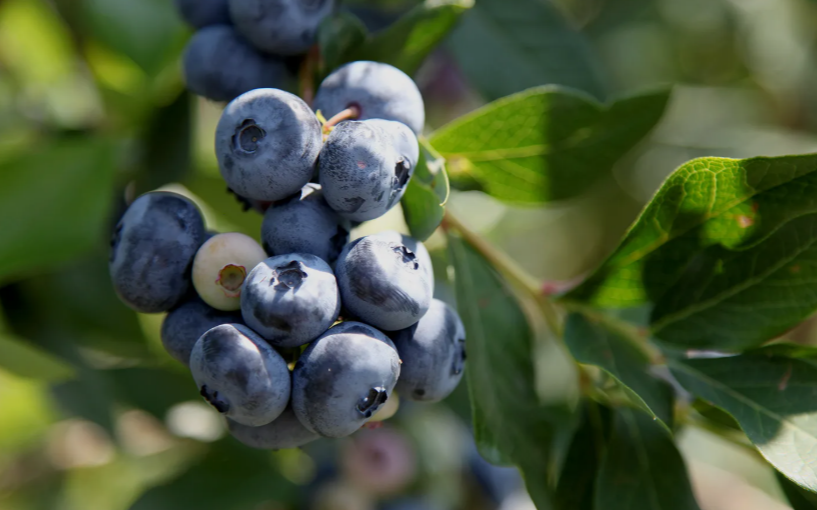
Cold hardy blueberry varieties have opened northern gardens to a fruit that once stopped short of the coldest regions. The blueberry is native to North America and was first brought into cultivation in the early 1900s. It grows as a woody shrub with white, bell-shaped flowers, blue fruit and brilliant red fall foliage.
Blueberries are unusual in the soil they demand. They need acidic ground, with a pH of about 4.5 to 5.5, and they fail in ordinary garden soil unless it is amended. Three types are grown, the tall highbush, the ground-hugging lowbush and the half-high, which is a cross between the two.
Ordinary highbush blueberries have real limits. Michigan State University notes that they need a growing season of about 160 days and are badly injured by winter lows of -20°F to -25°F. For years that kept blueberries out of the upper Midwest and northern New England.
The half-highs changed that. Bred mainly at the University of Minnesota, they stay short enough for snow to cover much of the plant, and they can produce for 30 years or more in the coldest garden zones. The 15 varieties below include half-highs and the hardiest highbush types, and each entry notes where they are grown.
1. Northblue
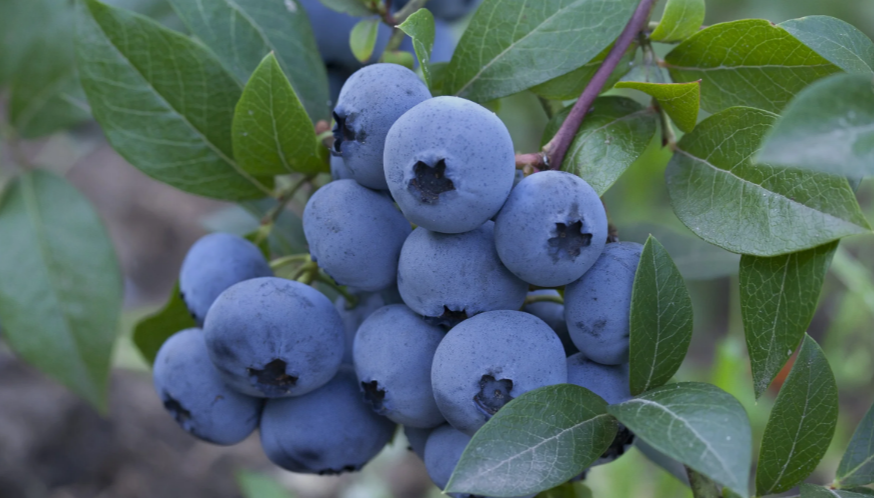
Northblue is the standard half-high blueberry. Its berries are large, dark blue and firm. The fresh flavor is good, and the flavor when cooked or processed is superior. The bush grows only 20 to 40 inches tall. A mature plant yields 3 to 12 pounds of fruit.
It was one of the first varieties released from the breeding program that the University of Minnesota began in 1967. These first releases avoid winter injury through cold-tolerant buds and a low stature that lets snow cover part of the plant. It is rated for the three coldest zones where blueberries are grown. The leaves turn deep red in fall. It is grown in Minnesota, Wisconsin, Michigan, the Dakotas, New England and Canada.
2. Northsky
Northsky is the shortest and one of the hardiest blueberries. The bush stands only 10 to 30 inches tall. Its berries are medium-sized and sky-blue. The flavor is sweet, mild and aromatic. It ripens at the same time as Northblue.
Its low height means it is almost always buried in snow, which protects the flower buds. Yields are modest, at 1 to 5 pounds per plant. Planting it with another variety improves both yield and berry size. It makes a neat, compact landscape shrub. It is grown in Minnesota, northern Wisconsin, the Dakotas, northern New England and Canada.
3. Northcountry
Northcountry bears medium-sized, sky-blue berries. The flavor is sweet and similar to that of wild lowbush blueberries. The bush grows 15 to 40 inches tall and spreads wider than it is high. It yields 2 to 6 pounds per plant. It ripens about 5 days ahead of Northblue.
It was released by the University of Minnesota in the 1980s. The University of New Hampshire rates it very hardy. The foliage turns a fiery red in autumn. It does best with a second variety nearby. It is grown in the upper Midwest, New England and eastern Canada.
4. St. Cloud
St. Cloud is a taller half-high with firm, crisp fruit. Its berries are medium-sized and dark blue. The flavor is sweet. The fruit stores better than that of most half-highs. The bush grows 30 to 50 inches tall.
The University of Minnesota bred it to be closer to chest height for easier picking. It yields 3 to 9 pounds per plant. It ripens about 5 days before Northblue. It must have a second variety for pollination. It is grown in Minnesota, Wisconsin, Michigan and the northern Plains.
5. Polaris
Polaris is prized for its flavor and firmness. Its berries are medium to large and very crisp. The flavor is intense and aromatic. The fruit stores exceptionally well. It ripens about a week before Northblue.
It grows 20 to 50 inches tall and yields 3 to 10 pounds per plant. It was released by the University of Minnesota in the 1990s. It requires a second variety for pollination. Its early ripening suits areas with short summers. It is grown in Minnesota, Wisconsin, the Dakotas, Manitoba and New England.
6. Chippewa
Chippewa has the largest berries of the half-highs. The fruit is light blue, firm and sweet. One northern grower describes the flavor as like a wild lowbush blueberry with a little tang. The bush is chest-high and upright. It is productive and easy to pick.
The University of Minnesota released it in the 1990s. It ripens in midseason. It is hardy through the coldest blueberry-growing zones. It pairs well with Polaris or Northblue for cross-pollination. It is grown in Minnesota, Wisconsin, Michigan, Maine and Canada.
7. Superior
Superior is a late-ripening half-high. It matures about a week after the other Minnesota varieties. That extends the picking season. The berries are medium-sized, with a balanced, sweet-tart flavor. The bush is chest-high.
The University of Minnesota describes it as highly productive. It was among the university’s later introductions. Its late bloom helps it avoid spring frost. It is as hardy as the earlier half-highs. It is grown in Minnesota, Wisconsin, the Dakotas and northern New England.
8. Pink Popcorn
Pink Popcorn is the first hardy pink blueberry. Its berries ripen to a blush-pink color, not blue. They have the flavor and crisp texture of a good blue variety. The bush bears showy white flowers in spring. The leaves turn crimson in fall.
It was introduced by the University of Minnesota. It is hardier than other pink-fruited blueberries. The unusual fruit makes it a favorite with children. It doubles as an ornamental shrub. It is grown in home gardens across the upper Midwest and Northeast.
9. Patriot
Patriot is one of the hardiest of the tall blueberries. Its berries are very large, firm and dark blue. The quality is excellent. It ripens in early to mid-season. The bush is short for a highbush, at about 4 to 5 feet.
It was developed in Maine with federal researchers and released in 1976. Penn State Extension credits it with excellent cold hardiness and resistance to root rot. The University of New Hampshire rates it very hardy, though the University of Minnesota recommends it only for milder areas. It blooms early and can lose flowers to frost. It is grown in Maine, New England, New York, Michigan and Wisconsin.
10. Northland
Northland is an older hardy variety from Michigan. Its berries are medium-sized, dark blue and sweet. The flavor is close to that of wild blueberries. The fruit is fairly soft and best for baking and jam. The bush is short, bushy and spreading.
Michigan State University released it in the 1960s. Penn State describes the plants as very winter-hardy. Its branches are flexible and bend under heavy snow without breaking. It yields 3 to 12 pounds per plant. It is grown in Michigan, Minnesota, Wisconsin, New England and Canada.
11. Friendship
Friendship is a selection of a wild blueberry from Wisconsin. Its berries are very small and dark. The flavor is like that of wild blueberries. The bush is upright and of medium height. The fall color is bright red-orange.
Michigan State University notes that it was released because it is unusually cold-hardy for a highbush type. The University of New Hampshire rates it very hardy. Its yields and fruit quality are only fair. It is grown mainly where other tall blueberries fail. It is grown in Wisconsin, Minnesota and northern New England.
12. Blueray
Blueray bears large, light blue berries with good flavor. The fruit is firm and aromatic. It ripens in early to mid-season. The bush is vigorous and spreading. It is very productive.
It was released in 1955. The University of New Hampshire describes it as hardy and productive. Michigan State University suggests it for northern Michigan. About 64% of Michigan growers still raise it, mainly for pick-your-own sales. It is grown in Michigan, New England, New York and the Pacific Northwest.
13. Jersey
Jersey is one of the oldest blueberry varieties still in production. Its berries are small to medium and very sweet. It ripens in mid to late season. The bush is tall and vigorous. The fruit is well suited to baking and processing.
It was released in 1928. For decades it was the leading variety in Michigan, with thousands of acres planted. Michigan State University recommends it among the varieties for the colder northern part of the state. It tolerates a range of soils better than most. It is grown in Michigan, New Jersey, New England and the Pacific Northwest.
14. Bluecrop
Bluecrop is the most widely planted blueberry in the world. Its berries are large, firm and light blue. The flavor is mild and slightly tart. It ripens in midseason. The bush is upright and very productive.
It was released in 1952. Michigan State University calls it the most important variety in the Michigan industry over the past half-century. Nearly all Michigan growers surveyed raise it, and they rate it above average for cold hardiness. It needs well-drained soil. It is grown in Michigan, New Jersey, New England, Washington, Oregon, British Columbia and Europe.
15. Duke
Duke is the leading early-season highbush blueberry. Its berries are medium to large, firm and light blue. The flavor is mild. The crop ripens over a short, concentrated period. The bush is upright and vigorous.
It was released in 1987. It blooms late, so spring frost is usually avoided, yet it still ripens early. It also tolerates swings in winter temperature. Michigan growers give it average marks for cold hardiness and above-average marks for yield and firmness. It is grown in Michigan, New Jersey, the Northeast, the Pacific Northwest and Europe.
Key Takeaways:
– Blueberry varieties differ in cold tolerance: Northern highbush blueberries (Vaccinium corymbosum) and lowbush blueberries (Vaccinium angustifolium) are well suited to many cold climates. Their winter hardiness varies by cultivar and local growing conditions.
– Several varieties thrive in colder regions: ‘Northblue’, ‘Northland’, ‘Patriot’, ‘Bluecrop’, and ‘Polaris’ are popular choices for cold-climate gardens. Check each cultivar’s recommended hardiness zone before planting.
– Blueberries need acidic soil: Most blueberry plants grow best in well-drained, organic-rich soil with a pH of approximately 4.5–5.5. Soil that is too alkaline can limit nutrient uptake and reduce plant growth.
– Chilling requirements affect fruit production: Many blueberry varieties need a certain number of winter chill hours to flower and fruit reliably. Northern highbush and lowbush types generally suit colder regions better than southern highbush varieties.
– Cross-pollination can improve harvests: Many blueberry cultivars can produce fruit on their own, but planting two compatible varieties that flower at similar times often improves pollination, berry size, and overall yields.
– Choose varieties suited to your local climate: Consider USDA hardiness zones, winter temperatures, chill-hour requirements, soil acidity, and harvest timing. Selecting appropriate varieties and providing consistent moisture can help produce healthy plants and abundant berries.
Sources:
- University of Minnesota: Blueberries
- Penn State Extension: Blueberry Variety Selection in the Home Fruit Planting
- Michigan State University: Blueberry Varieties for Michigan
- University of Minnesota Extension: Commercial blueberry production
- University of Minnesota: half-high blueberry varieties
- Michigan State University: Highbush Blueberry Varieties for Michigan, 1980
- Michigan State University: Blueberry Varieties for Michigan, 2001
- Michigan State University: The Michigan Blueberry Industry
- University of New Hampshire Extension: Blueberry Varieties for New Hampshire
- University of Maine Extension: Growing Highbush Blueberries
- Food Forest Nursery: Patriot Blueberry
- Growing Fruit forum: blueberry varieties