A guide to compare bonsai tree species before deciding which one to grow or buy. In this article you’ll find the best Bonsai trees for:
- Beginners
- Indoors
- Outdoors
- Small spaces
- Fast growth
- Flowers or attractive foliage
- Low-maintenance care
- Different climates
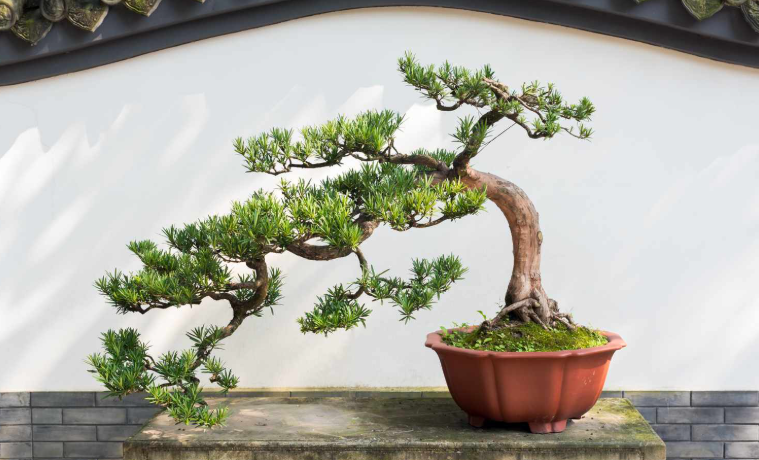
Bonsai tree species range from hardy evergreens that can survive outdoors through freezing winters to delicate tropical varieties that need a warm windowsill year-round, and choosing the right one often determines whether a beginner’s first tree thrives or fails within its first season. As the Virginia Cooperative Extension guide to the art of bonsai explains, bonsai traces its roots to ancient Chinese and Japanese traditions of collecting and shaping naturally dwarfed trees, and the practice has since expanded to include hundreds of species suited to nearly every climate and skill level.
What separates a species that makes a good bonsai from one that doesn’t usually comes down to a handful of traits: small or naturally reducible leaves, a trunk that thickens attractively with age, flexible young branches that respond well to wiring, and a tolerance for the restricted root space of a shallow container. Some species check every box and forgive a beginner’s mistakes, while others demand years of experience before they can be trusted to survive aggressive styling.
This guide covers sixty of the species most commonly worked into bonsai, grouped loosely by how widely each one is grown and how forgiving it tends to be. Evergreen conifers, deciduous shade trees, flowering ornamentals, and tropical houseplants all make an appearance, reflecting just how broad the art form has become since it left its origins in temperate East Asia.
Whether the goal is an outdoor tree that can weather a real winter or an indoor specimen that never sees frost, the species below represent the backbone of bonsai collections worldwide, along with what makes each one distinctive.
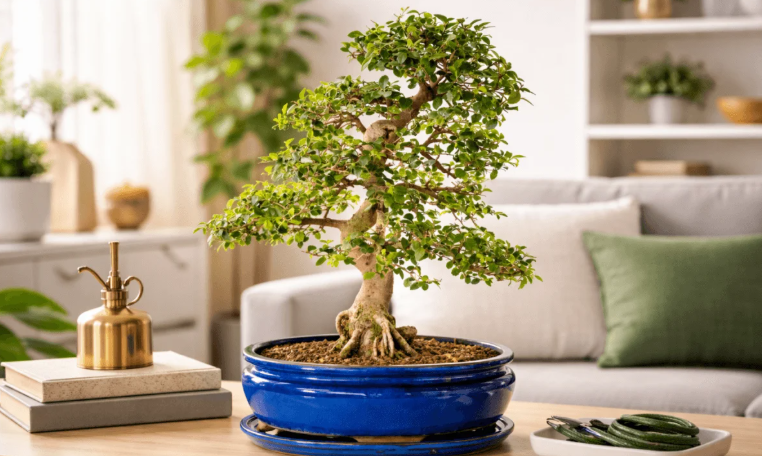
Juniper Bonsai
Juniper is the species most people picture when they imagine a classic bonsai, prized for its scale-like or needle foliage and a trunk that develops rugged, weathered character remarkably quickly compared to other conifers. It tolerates aggressive wiring and deadwood techniques such as jin and shari better than almost any other evergreen, which is why so many dramatic, windswept bonsai styles rely on it. Junipers need full sun and consistent outdoor exposure to stay healthy, making them a poor fit for indoor growing despite their frequent marketing as houseplants.
Chinese Elm Bonsai
Chinese elm ranks among the most recommended species for beginners, thanks to small, glossy leaves that naturally reduce in size with regular pruning and a trunk that develops attractive corky bark within just a few years. It tolerates both indoor and outdoor conditions depending on climate, backbudding reliably even after hard pruning, which makes recovering from styling mistakes far less stressful than with less forgiving species. Its rapid growth rate also means visible progress happens faster than with slower conifers.
Ficus Bonsai
Ficus is the standard recommendation for anyone growing bonsai indoors year-round, valued for its tolerance of lower light, inconsistent watering, and the kind of temperature swings that would stress most other tropical species. Its aerial roots can be trained into dramatic banyan-style formations over time, giving mature specimens a distinctive, ancient appearance unlike almost any other bonsai species. Ficus also heals cut wounds unusually quickly, which helps conceal the pruning scars that come with early-stage styling.
Also Read: Small Trees for Landscaping Near the House
Japanese Maple Bonsai
Japanese maple is grown primarily for its seasonal color, producing delicate, deeply lobed leaves that shift from spring green to brilliant red or orange in autumn. Its fine branching structure and naturally graceful silhouette make it a favorite for formal and informal upright styles, though it requires protection from harsh afternoon sun and strong wind, which can scorch its thin leaves. Because it’s fully deciduous, it also offers a striking bare winter silhouette that many growers value as much as its autumn display.
Trident Maple Bonsai
Trident maple is closely related to Japanese maple but considerably more tolerant of aggressive root pruning and trunk chopping, which has made it a favorite for growers developing thick, powerful trunks from young stock. Its three-lobed leaves reduce well with repeated defoliation, and its bark develops a rough, flaking texture as it matures that adds convincing age to even a relatively young tree. It’s hardier than Japanese maple in most climates, tolerating both full sun and moderate cold.
Japanese Black Pine Bonsai
Japanese black pine is considered one of the classic five great bonsai pines, known for its dark, thick bark and stiff, dark green needles that convey strength and age even on younger trees. Growers use a technique called decandling, removing the spring growth to force a second, shorter flush of needles, to keep its foliage compact and refined. It demands full sun and careful watering, since it dislikes consistently soggy soil far more than most deciduous species.
Japanese White Pine Bonsai
Japanese white pine is often regarded as the most prestigious of all bonsai pines, featuring soft, blue-green needles arranged in clusters of five and a naturally graceful branch structure that requires less aggressive styling than black pine. It grows slowly, which makes mature specimens especially valuable, and its refined appearance has made it a centerpiece species in traditional Japanese bonsai collections for centuries. It’s less tolerant of extreme heat than black pine, preferring cooler, temperate conditions.
Scots Pine Bonsai
Scots pine brings a rugged, windswept character to bonsai collections, with blue-green needles and orange-tinted bark that deepens in color as the tree ages. It tolerates cold winters exceptionally well, making it a popular choice across northern Europe where it grows natively, and its flexible young branches respond well to wiring for dramatic, weathered silhouettes. Older specimens develop a distinctly plated bark texture that’s difficult to replicate in younger trees.
Mugo Pine Bonsai
Mugo pine is a naturally compact, shrubby species that lends itself well to smaller bonsai sizes without requiring the decades of trunk development that larger pines demand. Its short needles and dense branching create a full, bushy canopy relatively quickly, and it tolerates cold climates and rocky, poor soil with little complaint. Because it grows more slowly than Scots pine, careful candle pruning is essential to prevent its foliage from becoming too dense and shading out interior growth.
Japanese Red Pine Bonsai
Japanese red pine shares many characteristics with black pine but carries softer, more delicate needles and reddish bark that becomes increasingly pronounced with age, giving mature trees a striking two-tone appearance. It’s slightly less vigorous than black pine, which some growers actually prefer since it makes maintaining refined, compact foliage somewhat easier. It thrives in full sun and well-draining soil, much like its darker-barked relative.
Cedar Bonsai
Cedar develops a dramatic, sweeping canopy and rugged bark that convincingly mimics the appearance of massive, centuries-old specimens seen in the wild, even at a fraction of the scale. Its slow growth rate rewards patient growers, since major structural changes can take years to fully mature, but its dense, aromatic foliage responds well to selective thinning that reveals the branch structure beneath. Cedar tolerates a range of climates but generally prefers cooler conditions over intense heat.
Larch Bonsai
Larch stands out among conifers for being fully deciduous, dropping its soft, needle-like foliage each autumn after a golden color change that few other bonsai species can match. It backbuds reliably and tolerates fairly aggressive pruning, making it more forgiving than many other conifers for growers still learning wiring and structural techniques. Its bark develops a rugged, fissured texture surprisingly early compared to slower-aging species like pine.
Also Read: Ornamental Trees: Large and Small Trees
Hinoki Cypress Bonsai
Hinoki cypress produces dense, fan-shaped sprays of scale-like foliage in a rich, glossy green that holds its color through most of the year, giving it a naturally tidy, refined appearance. It grows slowly and tolerates shade better than most conifers, though it still prefers bright, indirect light for the healthiest foliage color. Its soft wood makes it easier to carve for deadwood features than harder pines, appealing to growers experimenting with jin and shari techniques.
Shimpaku Juniper Bonsai
Shimpaku juniper is prized above most other junipers for its exceptionally fine, soft foliage and the way its live veins and deadwood contrast dramatically when styled, producing some of the most visually striking bonsai in the art form. It responds well to grafting, which many growers use to introduce Shimpaku foliage onto hardier juniper rootstock. Its slow, controlled growth makes it a favorite for detailed, long-term styling projects rather than quick beginner trees.
Needle Juniper Bonsai
Needle juniper carries sharper, more pointed foliage than Shimpaku, giving it a slightly wilder, more untamed appearance that some growers prefer for naturalistic, windswept designs. It’s notably more cold-hardy than many other junipers, tolerating harsh winter conditions with little dieback. Its bark develops attractive shredding texture as it ages, adding visual interest even before any deadwood work is applied.
Chinese Juniper Bonsai
Chinese juniper is one of the most widely available juniper species in nurseries and garden centers, making it a common entry point for beginners despite carrying coarser, more prickly foliage than Shimpaku or needle juniper. It tolerates heat, drought, and inconsistent care better than most other conifers, which has made it a forgiving choice for growers still learning watering schedules. Grafting Shimpaku foliage onto Chinese juniper rootstock is a common technique for combining its hardiness with finer foliage.
Cotoneaster Bonsai
Cotoneaster is grown for its tiny leaves, delicate white spring flowers, and clusters of bright red berries that persist into winter, giving it seasonal interest that few other small-leaved species can match. Its naturally twisting, gnarled branches develop convincing age relatively quickly, and it tolerates fairly hard pruning without significant stress. It prefers full sun for the best berry production and fall color, and it tolerates cold winters well when grown outdoors.
Boxwood Bonsai
Boxwood offers dense, small, evergreen foliage and a naturally compact growth habit that requires less aggressive pruning than many other broadleaf species to maintain a refined silhouette. Its wood is notably hard, which makes trunk movement more difficult to achieve through wiring but also means mature trunks hold their shape exceptionally well once set. It tolerates both sun and partial shade, making it more flexible in placement than many sun-hungry conifers.
Satsuki Azalea Bonsai
Satsuki azalea is grown specifically for its spectacular late-spring flowering display, capable of producing multiple flower colors and patterns on a single plant depending on the cultivar. Its fine root system tolerates the shallow pots and confined spaces of bonsai better than many other flowering shrubs, and it backbuds readily after flowering ends. Satsuki bonsai are typically pruned immediately after blooming to preserve the following year’s flower buds, a timing detail that trips up many first-time growers.
Jade Bonsai
Jade is one of the most forgiving species available for indoor bonsai, thriving on neglect and tolerating irregular watering far better than nearly any other tropical species used in the art form. Its thick, succulent trunk and rounded leaves give it a distinctive appearance unlike traditional tree-form bonsai, and its resistance to pests and disease makes it especially appealing for beginners nervous about killing their first tree. It requires bright light but very little water compared to other species on this list.
Elephant Bush Bonsai
Elephant bush, closely related to jade in its succulent growth habit, produces small, rounded leaves on a naturally branching, reddish-brown stem that develops convincing trunk taper relatively quickly for a succulent. It tolerates drought exceptionally well and can be shaped with wiring more easily than true jade due to its slightly more flexible stems. Its rapid growth rate makes it a popular choice for growers wanting faster visual progress than slower woody species allow.
Bougainvillea Bonsai
Bougainvillea brings vivid, papery bracts in shades of pink, purple, orange, or red to bonsai collections, offering a level of color intensity that few other flowering species can match. Its thick, twisting trunk develops impressive age characteristics quickly, and it tolerates hard pruning well, often flowering again within weeks of a significant cutback. It needs full sun and warm temperatures to bloom reliably, making it best suited to tropical and subtropical climates or indoor growing with strong light.
Wisteria Bonsai
Wisteria is grown almost entirely for its dramatic, cascading flower clusters, which can appear even on relatively young or small specimens under the right conditions. Its vigorous, twining growth habit requires frequent pruning to prevent it from overwhelming its container, and root restriction is actually used deliberately to encourage more prolific flowering. It needs a period of winter dormancy to bloom well the following spring, which limits it primarily to outdoor, temperate cultivation.
Flowering Quince Bonsai
Flowering quince produces bright red, pink, or white blossoms in early spring, often appearing directly on bare branches before any leaves emerge, which creates a striking visual contrast. Its thorny branches and naturally gnarled growth habit lend themselves to informal, rugged styling that suits older, more weathered trunk shapes. It tolerates hard pruning and responds well to root restriction, both of which are commonly used to encourage heavier flowering.
Chinese Privet Bonsai
Chinese privet is valued for its small, glossy leaves and rapid growth rate, which allows growers to develop thick trunks and dense branch structure faster than with slower deciduous species. It backbuds prolifically after pruning, making it highly forgiving for growers still experimenting with structural pruning and wiring. Its tolerance for both indoor and outdoor conditions, depending on climate, adds to its appeal for beginners without controlled growing environments.
Fukien Tea Bonsai
Fukien tea is one of the most popular tropical species for indoor bonsai, recognized by its small, dark green, glossy leaves and tiny white flowers that can appear throughout much of the year under the right conditions. It tolerates the lower light and drier air of typical indoor environments better than many other flowering tropicals, though it’s notably sensitive to overwatering and root rot. Its rough, textured bark develops attractive character even on relatively young specimens.
Snow Rose Bonsai
Snow rose, more commonly known by growers simply by its species name, produces tiny white flowers nearly year-round in warm conditions, paired with small, glossy leaves that make it a popular choice for detailed, refined styling. Its fine branching habit allows for dense, twiggy growth patterns that mimic the appearance of a much older tree. It’s sensitive to being moved between locations, often dropping leaves in response to sudden changes in light or temperature.
Dwarf Pomegranate Bonsai
Dwarf pomegranate produces vivid orange-red flowers followed by small, ornamental fruit that can persist on the branch for months, giving it multi-season visual interest beyond its foliage alone. Its trunk develops attractive, twisting movement relatively quickly, and its naturally small leaves require minimal reduction work compared to broader-leaved species. It prefers full sun and a distinct dry season to encourage the heaviest flowering and fruit set.
Olive Bonsai
Olive brings a Mediterranean character to bonsai collections, with narrow, silvery-green leaves and a gnarled, weathered trunk that develops convincing age even on relatively young nursery stock. It tolerates drought and poor soil remarkably well, reflecting its origins in hot, dry growing regions, and it responds well to hard pruning and trunk chopping when developing structure. Its slow growth rate means visible changes take patience, but the payoff is a trunk with genuinely ancient character.
Also Read: Small Trees That Grow Well in Shade
Hornbeam Bonsai
Hornbeam is grown for its finely serrated leaves and smooth, muscular-looking bark that develops distinctive fluting and texture as the trunk matures. It backbuds reliably after pruning and tolerates fairly aggressive defoliation, making leaf reduction achievable even on younger specimens. Its dense, twiggy branch structure makes it especially well suited to broom-style and formal upright designs favored in traditional European and Japanese bonsai.
Beech Bonsai
Beech is prized for its smooth, pale gray bark and the way its dried, coppery leaves often persist through winter rather than dropping immediately, giving bare-season trees unusual visual interest. It grows relatively slowly and requires precise pruning timing to maintain fine ramification, since cutting at the wrong point in the growing season can damage delicate buds. Its naturally upright growth habit makes it a favorite for formal and informal upright styling.
Zelkova Bonsai
Zelkova is best known for its distinctive broom-style silhouette, with a single trunk that splits into many fine, upward-branching limbs that form a rounded canopy resembling a full-sized shade tree in miniature. Its small leaves reduce well with regular pruning, and it backbuds prolifically, allowing growers to build dense ramification relatively quickly. It’s fully deciduous and displays attractive yellow to russet fall color before dropping its leaves.
English Elm Bonsai
English elm shares many qualities with Chinese elm but tends to have slightly larger leaves and a more vigorous, upright growth habit that requires more frequent pruning to maintain scale. Its bark develops rugged, deeply fissured texture as it ages, giving mature specimens a convincingly weathered appearance. It tolerates cold winters well, making it a popular outdoor choice across temperate regions where Chinese elm may struggle.
Winged Elm Bonsai
Winged elm gets its name from the distinctive corky ridges, or wings, that develop along its young branches, adding a textural feature that few other bonsai species offer. Its small leaves and naturally twiggy growth habit make it well suited to detailed, fine branch development, and it tolerates hard pruning without significant setback. It’s notably drought-tolerant once established, reflecting its native range across warm, dry regions of North America.
Cork Bark Elm Bonsai
Cork bark elm is a variety of Chinese elm selected specifically for its thick, deeply furrowed bark, which develops a rugged, corky texture far earlier than standard Chinese elm. Its growth habit and care requirements otherwise closely mirror standard Chinese elm, making it just as forgiving for beginners while offering a more dramatic trunk appearance. The contrast between its rough bark and small, glossy leaves is part of what makes it so popular among collectors.
Cypress Bonsai
Cypress develops a tall, elegant silhouette with soft, feathery foliage that responds well to careful pruning to maintain a refined, layered canopy. It tolerates wetter soil conditions better than most conifers, reflecting its natural preference for growing near water, and it generally prefers warmer climates over harsh, prolonged frost. Its trunk develops attractive fluting and buttressing with age, particularly in older, more established specimens.
Bald Cypress Bonsai
Bald cypress is one of the few conifers that’s fully deciduous, dropping its soft, feathery needles each autumn after a rich, coppery color change. It tolerates standing water exceptionally well, a trait tied to its native swamp habitat, and some growers even develop the distinctive root buttressing seen in mature wild specimens by growing young trees partially submerged. Its rapid growth rate in youth makes early trunk development notably faster than with most other conifers.
Yew Bonsai
Yew offers dark, dense evergreen foliage and a trunk that develops striking, sculptural deadwood naturally over time, which many growers enhance further through deliberate carving. It tolerates shade better than most conifers, making it more flexible in placement, and its slow growth rate rewards long-term patience with genuinely ancient-looking specimens. All parts of yew are toxic if ingested, a detail worth noting for households with pets or young children.
Willow Bonsai
Willow is chosen for its graceful, drooping branches and fine, narrow leaves that create a soft, weeping silhouette unlike almost any other bonsai species. It grows extremely quickly and roots easily from cuttings, making it one of the fastest species to develop visible structure, though its rapid growth also demands frequent pruning to prevent it from becoming unruly. It prefers consistently moist soil, tolerating far wetter conditions than most other deciduous trees used in bonsai.
Crabapple Bonsai
Crabapple produces a spring flowering display followed by small, ornamental fruit that persists into autumn, giving it two distinct seasons of visual interest beyond its foliage alone. Its trunk develops attractive, gnarled character with age, and many growers train it in informal upright or slanting styles that echo old orchard trees. It requires full sun and a genuine winter dormancy period to flower and fruit reliably the following year.
Flowering Cherry Bonsai
Flowering cherry is grown almost entirely for its brief but spectacular spring bloom, producing delicate pink or white flowers that appear before the leaves fully emerge. Its bark develops distinctive horizontal lenticels as it matures, adding textural interest even outside the flowering season. It’s less tolerant of aggressive pruning than many other deciduous species, requiring more careful, gradual shaping to avoid dieback.
Camellia Bonsai
Camellia offers glossy, dark evergreen leaves and large, showy flowers in shades of red, pink, or white that bloom during the cooler months when few other flowering species are active. It prefers slightly acidic soil and protection from harsh direct sun, reflecting its origins as an understory shrub in warm, humid forests. Its relatively large leaves and flowers make full miniaturization more challenging than with finer-leaved species, so it’s typically styled at slightly larger bonsai sizes.
Gardenia Bonsai
Gardenia is prized for its intensely fragrant white flowers and dark, glossy leaves, offering a sensory dimension that few other bonsai species provide. It requires consistently warm temperatures and high humidity to thrive, making it best suited to indoor growing in most temperate climates. Its relatively slow growth rate rewards patient trunk development, though its sensitivity to inconsistent watering makes it less forgiving than many other flowering species on this list.
Water Jasmine Bonsai
Water jasmine, a popular tropical species particularly common in Southeast Asian bonsai collections, produces small, fragrant white flowers and glossy leaves on a trunk that develops smooth, attractive deadwood relatively easily. It tolerates both wet and moderately dry soil conditions, reflecting its adaptability across a range of tropical growing environments. Its rapid growth and reliable backbudding make it a forgiving choice for growers working in warm, humid climates.
Also Read: Small Trees With Non Invasive Roots
Star Jasmine Bonsai
Star jasmine offers small, star-shaped white flowers with a strong, sweet fragrance, paired with glossy, twining foliage that requires regular pruning to maintain a tree-like form rather than a sprawling vine. It tolerates both sun and partial shade, giving growers more flexibility in placement than many other flowering species. Its vigorous growth rate means frequent maintenance is needed to keep its silhouette refined.
Bird Plum Bonsai
Bird plum is valued for its small, dense leaves and naturally flaking, textured bark that develops an aged appearance faster than most other broadleaf species. It backbuds prolifically and tolerates hard pruning well, making it a popular choice for detailed, fine ramification. Its tiny white flowers and small berries add subtle seasonal interest without overwhelming the overall structure of the tree.
Dwarf Schefflera Bonsai
Dwarf schefflera is grown for its distinctive umbrella-shaped leaf clusters and thick, sturdy trunk that develops impressive aerial roots when grown in humid conditions. It tolerates lower indoor light better than many other tropical species, making it accessible for growers without strong natural light sources. Its rapid growth and forgiving nature toward inconsistent watering make it another common recommendation for beginners focused on indoor bonsai.
Money Tree Bonsai
Money tree is recognized by its distinctive braided or twisted trunk and glossy, palmate leaves, often marketed as a symbol of good fortune in addition to its ornamental value. It tolerates a range of indoor light conditions and irregular watering schedules, making it relatively forgiving compared to more sensitive tropical species. Its naturally thick trunk base gives even young specimens a mature, substantial appearance.
Norfolk Island Pine Bonsai
Norfolk Island pine offers a distinctive, symmetrical branching pattern with soft, layered foliage that resembles a miniature conifer forest tree despite not being a true pine. It tolerates indoor conditions reasonably well, provided it receives bright, consistent light, and its slow, predictable growth makes long-term shaping relatively manageable. Its unusual branch symmetry makes it visually distinct from nearly every other species on this list.
Chinese Sweet Plum Bonsai
Chinese sweet plum produces small, glossy leaves and tiny, fragrant flowers, paired with a trunk that develops attractive, flaking bark texture relatively early in its development. It tolerates both indoor and outdoor growing depending on climate, and its rapid backbudding makes it forgiving of frequent, aggressive pruning. Small, edible fruit sometimes follows flowering, adding another point of seasonal interest.
Hackberry Bonsai
Hackberry develops rough, warty bark texture and a sturdy, tapering trunk that convincingly mimics the appearance of a full-sized shade tree even at bonsai scale. Its small leaves reduce well with consistent pruning, and it tolerates a wide range of soil conditions and climates, reflecting its adaptability as a native tree across much of North America. It backbuds reliably, making structural correction achievable even several years into training.
Also Read: Evergreen Trees for Small Gardens
Ginkgo Bonsai
Ginkgo is instantly recognizable by its distinctive fan-shaped leaves, which turn a brilliant, uniform gold before dropping all at once in autumn, often within the span of just a day or two. It’s remarkably resistant to pests, disease, and pollution, a trait tied to its status as one of the oldest surviving tree species on Earth. Its growth pattern tends toward straight, upright branches, which makes achieving graceful, curved movement more challenging than with more flexible species.
Dawn Redwood Bonsai
Dawn redwood is a fast-growing, fully deciduous conifer with soft, feathery foliage that turns a warm, coppery color before dropping in autumn. Its trunk develops a distinctive fluted, buttressed base with age, closely resembling the appearance of full-sized redwoods found in the wild. It tolerates wetter soil than most conifers and grows quickly enough that visible trunk thickening can happen within just a few growing seasons.
Coast Redwood Bonsai
Coast redwood brings a genuinely towering, majestic character to bonsai in miniature, with soft, flat needles and reddish, fibrous bark that develops texture relatively quickly compared to other conifers. It tolerates a range of soil moisture levels but prefers consistent humidity, reflecting its native coastal fog belt habitat. Multiple-trunk and forest-style plantings are especially popular with coast redwood, echoing the way it naturally grows in dense stands.
Norway Spruce Bonsai
Norway spruce features short, stiff needles and a naturally conical growth habit that lends itself well to formal upright and forest-style plantings. It tolerates cold winters exceptionally well, making it a reliable outdoor species across northern climates, and its relatively fast growth allows for quicker trunk development than slower pines. Its dense branching requires regular thinning to prevent interior foliage from dying back due to lack of light.
Douglas Fir Bonsai
Douglas fir offers soft, flat needles and a naturally graceful, layered branch structure that many growers find easier to style into convincing, tree-like silhouettes than stiffer conifers. It tolerates a range of climates but generally prefers cooler, more humid conditions over intense, dry heat. Its bark develops deep, corky furrows as it matures, adding rugged texture to older specimens.
Rhododendron Bonsai
Rhododendron, closely related to azalea, produces large, showy flower clusters and broad, leathery evergreen leaves that require more careful leaf reduction work than finer-leaved species. It prefers acidic, well-draining soil and some protection from harsh afternoon sun, reflecting its origins as a woodland understory shrub. Its relatively large flowers mean it’s typically styled at bigger bonsai sizes to keep proportions visually balanced.
Mimosa Bonsai
Mimosa is known for its delicate, fern-like compound leaves and fluffy, pink, thread-like flowers that give it a distinctly soft, feathery appearance unlike most other bonsai species. It tolerates heat and drought reasonably well once established, though it can be more sensitive to cold than many temperate species on this list. Its rapid growth rate makes frequent pruning necessary to maintain refined branch structure.
Pyracantha Bonsai
Pyracantha, commonly known as firethorn, produces small white spring flowers followed by dense clusters of bright orange or red berries that persist well into winter, giving it standout seasonal color. Its thorny branches and naturally twisting growth habit lend themselves to rugged, weathered styling reminiscent of old hedgerow trees. It tolerates hard pruning well and backbuds reliably, though care is needed when handling its sharp thorns during styling.
Also Read: Weeping Trees for Small Gardens
Kurume Azalea Bonsai
Kurume azalea produces smaller flowers than Satsuki azalea but in exceptionally dense clusters, creating a solid mass of color across the entire canopy during its spring bloom. Its fine, small leaves and compact growth habit make it well suited to smaller bonsai sizes than many other flowering shrubs. Like other azaleas, it requires acidic soil and careful pruning timed around its flowering cycle to preserve next season’s buds.
Key Takeaways
The most popular bonsai tree species offer an impressive range of shapes, foliage, flowers, bark textures, and growth habits. From classic junipers and pines to elegant Japanese maples, hardy ficus, flowering bougainvillea, and graceful Chinese elms, each species brings something different to bonsai cultivation. The best choice ultimately depends on your growing conditions, experience level, available space, and the type of appearance you want your bonsai to develop.
When choosing a bonsai tree, it is important to consider whether the species is better suited to indoor or outdoor growing, how much sunlight it needs, and how well it can adapt to your local climate. A suitable species will generally be easier to maintain and more likely to develop into a healthy, attractive miniature tree. With proper watering, light, pruning, feeding, and patience, many popular bonsai species can become beautiful long-term features in a home, garden, patio, or collection.
References
- Royal Horticultural Society (RHS) — Bonsai: Growing and Caring for Bonsai.
Royal Horticultural Society — Bonsai
A highly authoritative horticultural reference covering bonsai selection, growing conditions, pruning, watering, feeding, repotting, and suitable tree species. - Missouri Botanical Garden — Bonsai.
Missouri Botanical Garden — Bonsai
Useful for researching individual bonsai species and their botanical characteristics, including trees commonly cultivated as bonsai. - University of Florida IFAS Extension — Bonsai.
University of Florida IFAS Extension — Bonsai
Provides practical information on bonsai selection, light, watering, pruning, fertilization, and environmental requirements. - University of Minnesota Extension — Bonsai.
University of Minnesota Extension — Bonsai
Helpful for understanding bonsai as miniature trees, selecting appropriate species, and managing light, watering, pruning, and overwintering requirements. - American Bonsai Society — Bonsai Resources.
American Bonsai Society
A specialist bonsai organization providing resources on bonsai species, cultivation, styling, training, and the history and practice of bonsai. - National Bonsai & Penjing Museum — U.S. National Arboretum.
National Bonsai & Penjing Museum — U.S. National Arboretum
An excellent authoritative resource for learning about bonsai species, styles, specimens, history, and the cultural development of bonsai. - North Carolina State University Extension — Bonsai.
NC State Extension — Bonsai
Useful for checking botanical information and growing characteristics of tree species frequently used for bonsai.