
Most gourds throughout history have been grown for their dried, hardened shell rather than for eating, valued as containers, dippers, and instruments long before anyone thought to harvest them for the table. A genuine subset of the broader gourd family breaks from that pattern entirely, cultivated specifically to be picked young and tender, while the flesh is still soft and the seeds haven’t yet hardened, and eaten as a vegetable rather than dried and hollowed once mature.
Bitter gourd is genuinely one of the most researched edible gourds nutritionally, and a cup of cooked bitter gourd contains just 24 calories, 1 gram of protein, 5 grams of carbohydrate, and 2.5 grams of fiber, making it a remarkably low-calorie vegetable by any standard. Multiple clinical studies, including a 12-week randomized controlled trial published in a peer-reviewed nutrition journal, have found that regular bitter gourd supplementation measurably improved fasting blood glucose in prediabetic adults, though researchers are careful to note that larger studies are still needed before drawing firm conclusions about its broader medical use.
Edible gourds are overwhelmingly concentrated in South and Southeast Asian cuisine, where bottle gourd, bitter gourd, snake gourd, and ridge gourd remain everyday vegetables rather than the specialty or ornamental items they’re often treated as elsewhere in the world. That regional dominance reflects thousands of years of continuous cultivation and culinary development specifically around gourds as food, a genuinely different trajectory from the largely utilitarian and later ornamental role gourds took in much of Europe and the Americas.
Interest in these vegetables has been growing beyond their traditional growing regions too, as immigrant communities and increasingly curious home cooks introduce bottle gourd, bitter melon, and luffa into a wider range of kitchens. The University of California Cooperative Extension’s specialty and ethnic crop resources document Asian vegetable varieties, including several edible gourds, in more agricultural depth than a general overview can. What follows covers 18 types of edible gourds, including their origin.
Bottle Gourd
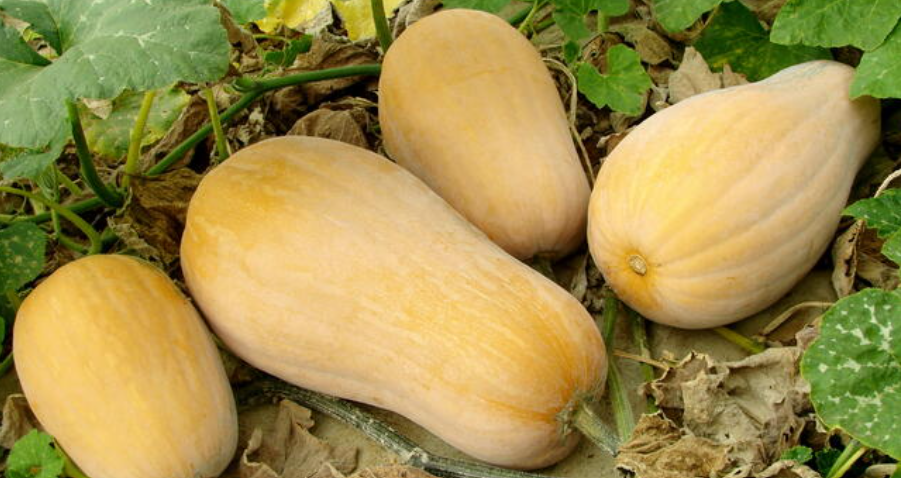
Bottle gourd, called lauki or doodhi in India, is native to Africa and is eaten young and tender across South Asian, Chinese, and Italian cooking long before the fruit hardens into the dried shell most people associate with the plant. Its mild, watery flesh takes on the flavor of whatever it’s cooked with, making it a genuinely versatile base for a curry, stir-fry, or soup.
It thrives in full sun and warm, rich soil, climbing vigorously given a sturdy trellis. Harvesting it while the skin is still soft enough to pierce with a fingernail genuinely determines whether the fruit will be tender enough to cook well.
Cucuzza
Cucuzza is a genuine long, pale green bottle gourd variety strongly associated with southern Italian and Italian-American cooking, its mild, squash-like flavor making it a traditional addition to soups and sautés. Its considerable length, often reaching several feet when trellised properly, has made it a distinctive sight in an Italian-American backyard garden.
It thrives in full sun and rich, well-drained soil, requiring a genuinely tall, sturdy trellis to let the long fruit hang straight as it develops. Harvesting it young and tender, well before the skin toughens, is essential for the texture Italian cooking traditionally calls for.
Smooth Luffa
Smooth luffa is native to South and Southeast Asia, its young fruit eaten as a mild vegetable in stir-fries and soups throughout Chinese and South Asian cooking, distinct from its better-known role as a dried bath sponge once left to mature fully. Its tender, slightly sweet flesh bears little resemblance in texture to the fibrous, scratchy sponge the same plant eventually produces.
It thrives in full sun and warm, humid conditions, climbing vigorously along a trellis. Timing the harvest correctly genuinely matters here, since waiting even a few days too long lets the interior begin toughening into sponge material rather than staying tender enough to eat.
Ridge Gourd
Ridge gourd, also called angled luffa, is native to the same South and Southeast Asian region as its smoother relative, its pronounced ridges peeled away before cooking to reveal a genuinely tender, mild-flavored interior. Its firmer texture compared to smooth luffa has made it a favorite specifically in South Indian and Chinese cooking.
It thrives in full sun and warm, humid conditions, climbing vigorously given adequate trellis support. Peeling the tough ridged skin before cooking is a genuinely necessary step most recipes call for, since the ridges themselves stay fibrous even when the interior is tender.
Wax Gourd
Wax gourd, also called winter melon, is native to South and Southeast Asia, its large fruit’s mild, almost neutral flavor making it a common base for soup throughout Chinese and Southeast Asian cooking. Its considerable size means a single fruit can weigh many pounds, often sold in cut sections rather than whole at a market.
It thrives in full sun and warm, humid conditions, sprawling widely or climbing a sturdy trellis. Its genuinely long storage life once harvested, sometimes lasting months, made it historically valuable in regions without reliable refrigeration.
Fuzzy Gourd
Fuzzy gourd, also called hairy melon, is a genuine smaller, fuzzy-skinned relative of wax gourd, native to the same broader Asian region, its fine surface hair peeled away before cooking to reveal a tender, mild flesh. Its more manageable size compared to a full wax gourd has made it a popular everyday vegetable in Cantonese cooking specifically.
It thrives in full sun and warm, humid conditions, sprawling or climbing given moderate support. Its considerable tenderness when harvested young makes careful, gentle handling worthwhile to avoid bruising the delicate skin.
Also Read: Different Types of Gourds
Bitter Gourd
Bitter gourd, also called bitter melon, is native to South and Southeast Asia, its distinctively warty skin and genuinely intense bitterness central to its role in traditional cooking and, increasingly, nutritional research into blood sugar management. Its bitterness is an acquired taste, though salting and rinsing the sliced flesh before cooking genuinely reduces some of that intensity.
It thrives in full sun and warm, humid conditions, climbing vigorously given a trellis. Harvesting it while still green and firm produces a genuinely milder result than letting the fruit ripen fully to the orange-yellow color it eventually turns.
Spiny Gourd
Spiny gourd, called kantola in India, is native to South Asia, its small, spike-covered fruit related to bitter gourd though genuinely distinct in species, offering a milder version of that family’s characteristic bitterness. Its considerable popularity in eastern Indian cooking has kept it a regular seasonal vegetable despite being less internationally known than its bitter gourd relative.
It thrives in full sun and warm, humid conditions, climbing given a trellis. Its spiny exterior softens somewhat during cooking, though many recipes call for it to be halved or quartered first to help it cook through evenly.
Snake Gourd
Snake gourd is native to South and Southeast Asia, its remarkably long, coiling fruit harvested young and tender for use in South Indian curries and Southeast Asian stir-fries. Its mild flavor and tender texture when picked young make it considerably more versatile in the kitchen than its dramatic, twisting appearance might suggest.
It thrives in full sun and warm, humid conditions, climbing vigorously given a tall trellis. Growers often hang a small weight from the fruit’s tip specifically to encourage it to grow straighter, which makes it genuinely easier to slice evenly for cooking.
Pointed Gourd
Pointed gourd, called parwal or potol in India, is native to South Asia, its small, oval, pointed fruit a genuinely staple vegetable throughout Bengali and broader North Indian cooking. Its mild flavor and firm texture hold up particularly well to frying and slow simmering in a curry.
It thrives in full sun and warm, humid conditions, climbing given a trellis or grown along the ground. Its perennial root system, unusual among gourds, lets an established planting continue producing for several years rather than needing to be replanted annually.
Ivy Gourd
Ivy gourd, called tindora or kovakkai in India, is native to Africa and South Asia, its small, cucumber-like fruit a genuinely common everyday vegetable throughout South Indian and Southeast Asian cooking. Its considerable productivity from a single perennial vine has made it a practical, low-maintenance crop in warmer growing regions.
It tolerates a range of soil conditions and full sun, climbing vigorously given a trellis or fence. Its genuine perennial habit means an established vine keeps producing fruit for years, unlike most other annual gourds on this list.
Chayote
Chayote is native to Mexico and Central America, its pale green, single-seeded fruit a genuinely mild, crisp vegetable used throughout Latin American, Caribbean, and increasingly Asian cooking. Its considerable versatility, eaten raw, sautéed, or stuffed and baked, has made it one of the most widely adopted edible gourds outside its native region.
It thrives in full sun and warm, rich soil, climbing vigorously given a sturdy, large trellis given the plant’s considerable vigor. Its genuinely large single seed can be planted directly, whole fruit and all, to start an entirely new vine.
Tinda
Tinda, also called Indian round gourd, is native to South Asia, its small, round, pale green fruit a genuinely common vegetable in North Indian cooking, typically stuffed or cooked into a dry curry. Its mild flavor and tender flesh when harvested young have made it a reliable staple throughout its native growing region.
It thrives in full sun and warm soil, sprawling along the ground or given light trellis support. Harvesting it while still young and pale is genuinely important, since an overripe tinda develops a tougher skin and less tender interior.
Opo Squash
Opo squash is the common Filipino name for a genuine bottle gourd variety, its pale green, elongated fruit a staple vegetable in Filipino soups and stir-fries under that specific regional name. Its mild flavor and tender texture when young mirror the same characteristics found in bottle gourd varieties grown under different names elsewhere in Asia.
It thrives in full sun and warm, rich soil, climbing vigorously given a trellis. Its considerable popularity in Filipino home cooking has made it a common sight in Filipino grocery stores well beyond the Philippines itself.
Long Bottle Gourd
Long bottle gourd describes the genuinely elongated, cylindrical culinary type of bottle gourd favored in much of Chinese and Southeast Asian cooking, distinct from the rounder types more common in South Asian kitchens. Its uniform diameter along its considerable length makes it easy to slice into even rounds for stir-frying.
It thrives in full sun and rich soil, requiring a genuinely tall trellis to let its considerable length hang straight as it develops. Harvesting it young keeps the skin thin enough to leave unpeeled in many preparations.
Round Bottle Gourd
Round bottle gourd, called kaddu in parts of North India, describes the genuinely rounder, squash-like culinary type of bottle gourd commonly used in North Indian curries and dal preparations. Its considerable flesh-to-skin ratio compared to the longer types makes it a practical choice for dishes needing a larger volume of tender flesh.
It thrives in full sun and rich, well-drained soil, sprawling along the ground or climbing given adequate support. Its rounder shape develops most reliably when the vine has enough room to let the fruit rest without obstruction as it grows.
Buffalo Gourd
Buffalo gourd is native to the arid American Southwest and northern Mexico, and while its bitter flesh isn’t eaten, its oil-rich seeds have genuine traditional culinary and medicinal use among Indigenous peoples of its native range. Its considerable drought tolerance reflects real adaptation to desert conditions few other edible gourds could survive.
It tolerates extreme drought and poor, sandy soil, sprawling widely rather than climbing. Its genuinely edible seeds, distinct from the inedible flesh surrounding them, are traditionally roasted before eating.
Malabar Gourd
Malabar gourd is native to the highlands of Mexico and Central America, and while it’s mostly grown today as cold-hardy squash rootstock, its seeds and young flesh have genuine traditional culinary use in parts of its native range. Its considerable cold tolerance, unusual for a gourd, reflects its high-altitude origin.
It tolerates cooler growing conditions better than most other gourds, thriving in full sun and rich, well-drained soil. Its genuinely edible seeds are traditionally roasted and eaten much like pumpkin seeds, offering a food use beyond its more common role as breeding rootstock.
Key Takeaways
- Edible gourds include several diverse vegetables, with varieties differing in shape, size, color, texture, and flavor.
- Common edible types include bottle gourd, bitter gourd, sponge gourd, snake gourd, ash gourd, ivy gourd, and ridge gourd.
- Some gourds are harvested while young and tender, when their flesh is softer and better suited for cooking.
- Gourds are used in many cuisines and can be stir-fried, steamed, boiled, stuffed, curried, or added to soups and stews, depending on the variety.
- Most edible gourds are warm-season vines that need plenty of sunlight, fertile soil, regular moisture, and sufficient space to spread or climb.
- Harvest timing is important because some varieties can become tough, fibrous, bitter, or less palatable when overmature.
- When choosing an edible gourd, consider flavor, fruit size, days to maturity, growing conditions, available space, and intended culinary use.