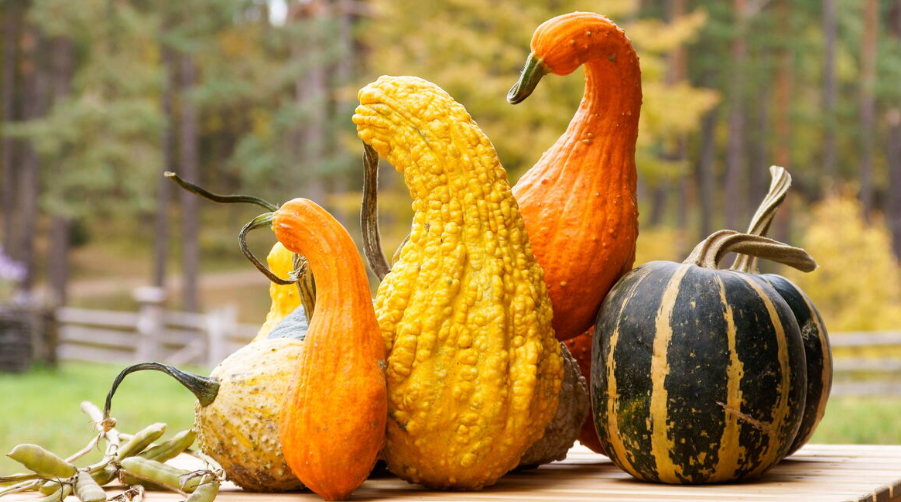
Bottle gourd is genuinely one of the oldest domesticated plants on Earth, with archaeological evidence of human use dating back as far as 13,000 BC, predating the domestication of most food crops by thousands of years. For decades, scientists were genuinely puzzled by how a plant native to Africa turned up in ancient archaeological sites across the Americas nearly 10,000 years ago, and a 2014 genetic study published in the Proceedings of the National Academy of Sciences finally resolved that mystery, finding that wild bottle gourds likely floated across the Atlantic Ocean on their own, buoyant enough to survive the crossing intact before people in the Americas domesticated the plant independently.
The word “gourd” itself covers a genuinely broad range of plants within the Cucurbitaceae family, spanning the genus Lagenaria, which includes bottle gourds, along with Cucurbita, Luffa, and several more distantly related genera that all produce a hard-shelled or fibrous fruit historically valued more for utility than for eating. Unlike most other crops in this family, people have rarely grown gourds primarily as food, instead drying and hollowing the mature fruit into containers, dippers, musical instruments, and even bath sponges long before pottery or plastic offered any alternative.
Ornamental gourds are closely related to and commonly marketed alongside pumpkins in the United States, and while separate national statistics for ornamental gourds specifically are limited, pumpkin acreage offers a useful proxy for the scale of that broader fall gourd market. The USDA reported 68,900 acres of pumpkins harvested nationally in 2024, with more than 15,000 farms across all 50 states growing pumpkins for the fresh and ornamental market specifically, a category that includes the same autumn gourd displays sold alongside them at farm stands each fall.
Beyond decoration, gourds retain genuine practical value today, luffa gourds are still dried and used as natural bath sponges, and bottle gourds remain in active use as traditional water vessels and musical instruments across parts of Africa, Asia, and Latin America. The Purdue University Center for New Crops and Plant Products documents gourd species diversity and historical use in more botanical depth than a general overview can. What follows covers 24 types of gourds, including their origin.
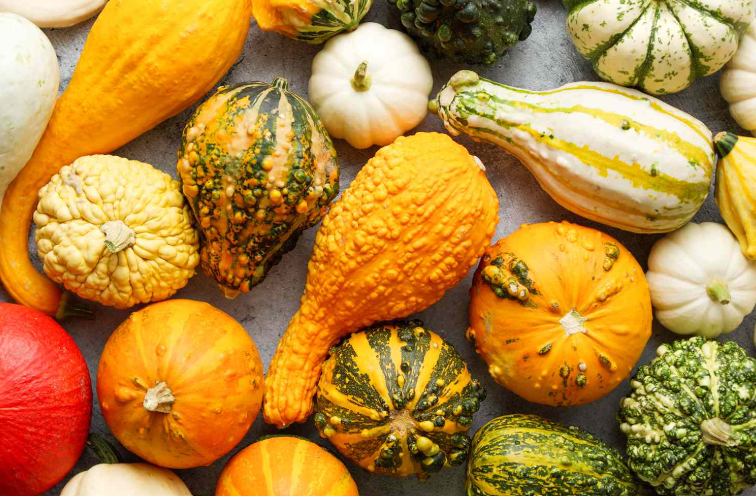
Bottle Gourd
Bottle gourd, also called calabash, is native to Africa and is genuinely among the oldest domesticated plants in human history, with archaeological evidence of its use reaching back over 10,000 years across multiple continents. Its hard, dried shell has served as a water container, bowl, and musical instrument body across an enormous range of cultures throughout history.
It thrives in full sun and warm, rich soil, climbing vigorously given a sturdy trellis. The mature fruit needs to dry for weeks or months after harvest before its shell hardens enough for crafting or long-term storage use.
Birdhouse Gourd
Birdhouse gourd is a specific bottle gourd variety, native to the same African origin as its broader Lagenaria family, bred and selected for its distinctive rounded body and narrow neck that makes it genuinely well suited to hollowing out as a birdhouse. Its shape has made it a favorite among hobbyists who dry and carve the mature fruit into functional nesting boxes for purple martins and other cavity-nesting birds.
It thrives in full sun and warm, well-drained soil, requiring a sturdy trellis or fence to climb. Its considerable vine length means it needs real space to spread before the fruit itself begins developing.
Dipper Gourd
Dipper gourd is a genuine bottle gourd variety, its long, curved neck and rounded bowl-shaped end making it historically valuable as a functional drinking or serving dipper once dried and hollowed. Its practical shape reflects centuries of deliberate selection within Lagenaria breeding specifically for household utility rather than ornamental appeal.
It thrives in full sun and rich soil, climbing vigorously along a fence or trellis. Its curved handle shape develops most reliably when the vine has ample room to let the fruit hang freely as it matures.
Kettle Gourd
Kettle gourd is a genuine bottle gourd type, producing a large, rounded body historically dried and used as a genuine cooking or storage vessel in parts of Africa and Asia before metal cookware became widely available. Its considerable size made it valuable for storing grain, water, or other household staples in a durable, naturally sealed container.
It thrives in full sun and warm, rich soil, needing considerable space to support its substantial mature fruit size. Its vines require a genuinely sturdy support structure capable of bearing the weight of a large, developing kettle gourd.
Bushel Gourd
Bushel gourd is among the largest bottle gourd varieties grown, capable of reaching a truly substantial size that historically made it valuable as a large-capacity storage container once dried. Its considerable volume set it apart from smaller bottle gourd types bred more for handheld or decorative use.
It thrives in full sun and rich, well-drained soil, requiring genuinely ample space and a robust trellis to support its impressive mature size. Growers often let the developing fruit rest on the ground rather than trellising it, given the considerable weight it eventually reaches.
Snake Gourd
Snake gourd, genuinely a distinct species from the Lagenaria bottle gourds, is native to South and Southeast Asia and produces a remarkably long, slender, coiling fruit that can twist dramatically as it grows. Its young, tender fruit is eaten as a vegetable throughout much of South Asian cooking, distinguishing it from most other gourds grown primarily for their dried shell.
It thrives in full sun and warm, humid conditions, climbing vigorously given a tall trellis. Growers often hang a small weight from the developing fruit’s tip to encourage it to grow straighter rather than curling excessively.
Luffa
Luffa, also called sponge gourd, is native to South and Southeast Asia, its young fruit edible as a mild-flavored vegetable while its mature, fully dried fibrous interior becomes the familiar natural bath sponge sold commercially. That dual-purpose life cycle, vegetable when young and sponge when old, makes it one of the more practically versatile plants in the entire gourd family.
It thrives in full sun and warm, humid conditions, climbing vigorously along a sturdy trellis or fence. Harvesting timing genuinely determines its final use, picked young for cooking or left to fully mature and dry for a usable sponge.
Angled Luffa
Angled luffa, genuinely distinct from smooth luffa, produces a fruit with pronounced ridges running its length and is native to the same South and Southeast Asian region as its smoother relative. Its ridged young fruit is a common vegetable throughout Chinese and South Asian cooking, valued for a slightly firmer texture than smooth luffa offers.
It thrives in full sun and warm, humid conditions, climbing vigorously given adequate trellis support. Its ridged mature shell makes a genuinely more textured sponge than the smooth luffa variety once fully dried.
Wax Gourd
Wax gourd, also called winter melon, is native to South and Southeast Asia, its large fruit developing a genuinely waxy, powdery coating on its skin as it matures that helps it store for months without refrigeration. Its mild-flavored flesh is a staple ingredient throughout Chinese, Southeast Asian, and South Asian cooking, particularly in soups.
It thrives in full sun and warm, humid conditions, requiring considerable space to sprawl or a sturdy trellis to climb. Its genuine storage longevity, sometimes lasting many months after harvest, made it historically valuable in regions without reliable refrigeration.
Bitter Gourd
Bitter gourd, also called bitter melon, is native to South and Southeast Asia, its distinctively warty, ridged fruit carrying a genuinely intense bitterness that’s central to its role in traditional Asian cooking and folk medicine. Its considerable bitterness is an acquired taste for many newcomers, though it remains a beloved ingredient throughout the cuisines where it originated.
It thrives in full sun and warm, humid conditions, climbing vigorously given a trellis. Harvesting it while still green and firm genuinely produces a milder flavor than allowing the fruit to ripen fully on the vine.
Buffalo Gourd
Buffalo gourd is native to the arid regions of the American Southwest and northern Mexico, its considerable drought tolerance and deep taproot reflecting genuine adaptation to desert growing conditions few other gourds could survive. Its bitter fruit isn’t eaten but its oil-rich seeds and starchy root have held real traditional use among Indigenous peoples of its native range.
It tolerates extreme drought and poor, sandy soil, sprawling widely across open ground rather than climbing. Its considerable underground taproot can store enough moisture to let the plant survive extended dry periods that would kill most other cucurbits outright.
Malabar Gourd
Malabar gourd, despite its name, is native to the highlands of Mexico and Central America rather than Asia’s Malabar Coast, its genuine origin reflecting a historical naming confusion common among many early-cataloged New World plants. Its cold tolerance, considerably better than most other gourds in its family, has made it valuable for breeding programs seeking hardier squash rootstock.
It tolerates cooler growing conditions better than most other gourds, thriving in full sun and rich, well-drained soil. Its genuine cold hardiness has made it a useful grafting rootstock for extending squash cultivation into cooler climates.
Teasel Gourd
Teasel gourd, also called hedgehog gourd, is native to East Africa, its small, oval fruit covered in genuinely soft, spiky projections that give the variety its common name. Its unusual, spiny appearance has made it more of an ornamental curiosity than a food crop in most modern gardens.
It thrives in full sun and warm, well-drained soil, climbing given a trellis or left to sprawl along the ground. Its considerable novelty appeal has made it a popular addition to a mixed ornamental gourd display specifically for its unusual spiky texture.
Calabash Tree Gourd
Calabash tree gourd is native to the American tropics and is genuinely not part of the Cucurbitaceae family at all, instead growing on a small tree in the unrelated Bignoniaceae family, though it shares gourds’ common hard-shelled fruit and long history of use as a container. Its round, woody fruit has been carved into bowls, cups, and musical instruments across Central and South America and the Caribbean for centuries.
It thrives in a warm, frost-free tropical climate, growing as a genuine small tree rather than a vine like every other gourd on this list. Its fruit develops directly on the trunk and branches, a distinctive habit called cauliflory shared by relatively few other cultivated plants.
Turk’s Turban Gourd
Turk’s Turban gourd is a genuine ornamental variety within the Cucurbita family, its distinctive layered, turban-like shape and vivid orange, white, and green coloring making it one of the most visually striking gourds grown for fall decoration. Its unusual shape sets it apart dramatically from the smoother, rounder pumpkins and squash it’s otherwise related to.
It thrives in full sun and rich, well-drained soil, sprawling widely or climbing given adequate support. Its considerable visual drama has made it a genuine favorite for an autumn harvest display alongside more conventional pumpkins.
Crown of Thorns Gourd
Crown of Thorns gourd is a genuine ornamental Cucurbita variety, its small fruit ringed with a distinctive raised, spiky crown around its stem end that gives the variety its dramatic common name. Its unusual shape has made it a specialty item specifically sought out for an eye-catching fall gourd arrangement.
It thrives in full sun and well-drained soil, sprawling along the ground or climbing a trellis. Its considerable novelty shape makes it a genuine conversation piece wherever it’s displayed alongside more common ornamental gourds.
Spoon Gourd
Spoon gourd is a genuine small ornamental variety, its elongated shape with a bulbous end and narrow handle-like neck resembling the utensil that gives it its common name. Its diminutive size and whimsical shape have made it a popular choice for a decorative fall gourd basket or wreath.
It thrives in full sun and average soil, sprawling or climbing given light support. Its small size means a single vine can produce a genuinely large number of individual gourds over a full growing season.
Nest Egg Gourd
Nest egg gourd is a genuine small, smooth, white ornamental variety, its size and shape closely resembling an actual chicken egg, historically used as a decoy egg placed in a henhouse to encourage laying hens. Its practical farmyard origin sets it apart from most other ornamental gourds bred purely for decorative appeal.
It thrives in full sun and average soil, sprawling readily along the ground. Its genuinely convincing egg-like appearance continues to make it a popular novelty item well beyond its original practical farmyard use.
Pear Gourd
Pear gourd is a genuine small ornamental variety shaped closely like the fruit it’s named for, typically displaying smooth or lightly warted skin in shades of orange, yellow, or green. Its compact, familiar shape has made it one of the more commonly recognized ornamental gourds in a mixed fall display.
It thrives in full sun and average soil, sprawling or climbing given light trellis support. Its considerable productivity per vine makes it an efficient choice for a gardener wanting a large volume of small decorative gourds.
Striped Pear Gourd
Striped Pear gourd shares its solid-colored relative’s familiar pear shape while displaying genuinely distinctive alternating stripes of green and cream or yellow along its skin. Its considerable visual variety compared to a solid-colored pear gourd has made it a popular choice for adding pattern to a mixed decorative gourd arrangement.
It thrives in full sun and average soil, sprawling or climbing given light support. Its striped pattern develops most vividly under consistent sun exposure throughout the fruit’s maturation.
Small Star Gourd
Small Star gourd is a genuine miniature ornamental variety, its diminutive, flattened, star-shaped form making it one of the smallest and most distinctively patterned gourds commonly grown for decoration. Its considerable novelty size has made it a favorite for a small-scale fall centerpiece or craft project.
It thrives in full sun and average soil, sprawling along the ground with minimal space requirements given its small mature size. Its genuinely tiny individual fruit means a single vine can produce dozens of gourds over a full season.
Orange Warted Gourd
Orange Warted gourd is a genuine classic ornamental variety, its bumpy, textured orange skin representing one of the most immediately recognizable gourd types sold each autumn at farm stands and grocery stores. Its considerable textural contrast against smoother pumpkins and squash has made it a longtime staple of fall decorative displays.
It thrives in full sun and rich, well-drained soil, sprawling widely or climbing given a sturdy trellis. Its genuinely bumpy skin texture develops progressively as the fruit matures on the vine through the growing season.
Apple Gourd
Apple gourd is a genuine small, rounded ornamental variety, its compact size and smooth, often two-toned skin resembling a small apple more closely than a typical gourd shape. Its manageable size has made it a popular choice for a tabletop arrangement or a small basket display.
It thrives in full sun and average soil, sprawling readily along open ground. Its considerable productivity and compact individual size make it easy to harvest in real volume from a modest planting.
Speckled Swan Gourd
Speckled Swan gourd is a genuine distinctive bottle gourd variety, its long, dramatically curved neck and speckled green-and-cream body resembling the graceful arch of a swan’s neck. Its unusual, elegant shape has made it one of the most sought-after specialty gourds among dedicated fall decorators and gourd crafters.
It thrives in full sun and rich, well-drained soil, climbing vigorously given a tall trellis to let its curved neck develop properly as it hangs. Its considerable visual drama has made it a genuine premium item compared to more common, simpler ornamental gourd shapes.
Key Takeaways
- Gourds come in a wide range of shapes, sizes, colors, and growth habits, from small ornamental fruits to large varieties grown for food or practical uses.
- Common types include bottle gourds, bitter gourds, sponge gourds, snake gourds, ash gourds, and ornamental gourds.
- Some gourds are primarily grown as vegetables, while others are cultivated for decoration, crafts, utensils, containers, or other traditional uses.
- Gourd fruits can be round, elongated, curved, ribbed, bottle-shaped, or unusually patterned, depending on the species and variety.
- Most gourds are warm-season plants that grow vigorously in sunny locations with fertile, well-drained soil and regular moisture.
- Many varieties are vigorous vines that benefit from ample growing space, while trellising can help support climbing types and keep fruits off the ground.
- When choosing a gourd variety, consider its intended use, mature fruit size, shape, climate, growing space, and days to harvest.