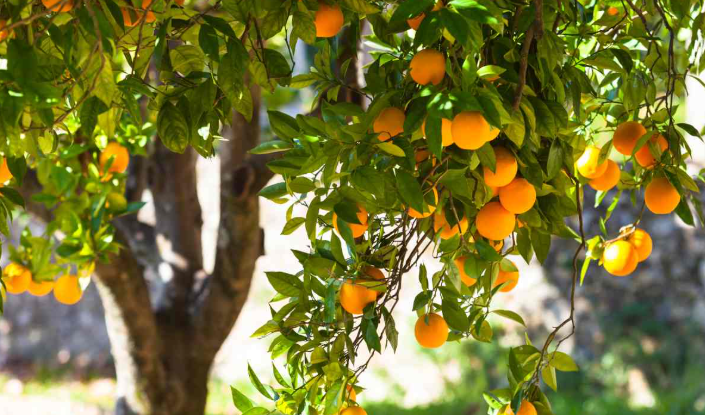
Oranges are believed to have originated in southern China several thousand years ago as a natural hybrid between the pomelo and the mandarin, making the common sweet orange, scientifically classified as Citrus sinensis, a hybrid fruit rather than a truly wild species in its own right. Brazil has grown into the largest orange producer in the world today, harvesting more than 15 million tons annually, an output driven largely by the country’s massive Valencia and common orange plantings dedicated almost entirely to juice production.
The United States, primarily through Florida and California, has developed its own extensive lineup of named orange varieties over the past two centuries, many arising as spontaneous bud mutations discovered on existing trees rather than through deliberate crossbreeding.
Beyond the familiar navel and Valencia oranges found in most grocery stores, the broader orange family includes deeply pigmented Italian blood oranges, nearly sugar-free acidless varieties grown in Egypt and Brazil, bitter oranges used almost exclusively for marmalade and liqueur, and cold-hardy relatives capable of surviving winters that would kill a standard orange tree outright.
This article explores 85 types of oranges, spanning major commercial cultivars, historic regional varieties, and unusual botanical relatives from citrus-growing regions around the world.
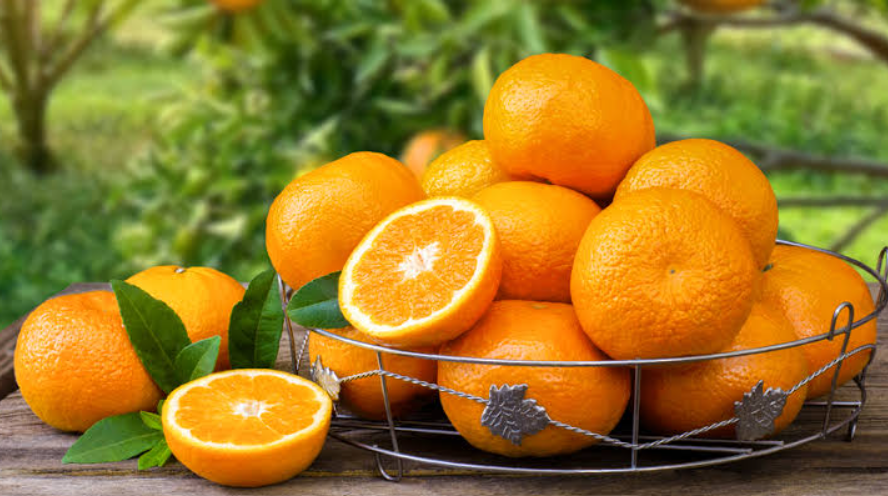
Types of Orange Varieties
Washington Navel
The Washington navel is the foundational navel orange variety from which nearly every other navel orange cultivar eventually descended, first introduced to California from Brazil in 1873 and credited with launching the state’s entire commercial citrus industry. This variety produces seedless, easy-to-peel fruit with a distinctive secondary fruit, or navel, embedded at the blossom end.
Washington navel trees are propagated exclusively through grafting, since the variety’s seedlessness means it cannot reproduce true to type from seed. This orange remains the benchmark against which most other navel varieties and mutations continue to be measured today.
Cara Cara Navel
Cara Cara navel is a pink-fleshed mutation of the standard Washington navel, first discovered in Venezuela in the 1970s and now widely grown in California for its striking rosy-red interior color. This variety produces sweet, low-acid fruit with a flavor often described as carrying subtle berry-like notes not found in standard orange varieties.
Cara Cara’s pink coloring comes from lycopene, the same pigment responsible for the red color in tomatoes and watermelon. This orange has become a popular specialty item in grocery stores specifically for its unusual internal color and notably mild, sweet flavor.
Also Read: Different Types of Papaya Fruits
Bahia Navel
The Bahia navel is the original Brazilian navel orange variety discovered near Salvador, Brazil, in the early 1800s, later exported to California and Australia where it became the parent stock for the Washington navel line. This variety produces seedless, sweet fruit consistent with the broader navel orange category it helped establish.
Bahia navel trees have played a foundational historical role in spreading navel orange genetics to citrus industries across multiple continents. This orange remains historically significant as the true origin point of the entire modern navel orange lineage.
Lane Late Navel
Lane Late is an Australian navel orange mutation discovered on a Washington navel tree, selected specifically for ripening several weeks to a month later than standard navel varieties. This variety produces fruit with excellent eating quality and notably good storage life on the tree, allowing growers to extend their harvest window into late spring.
Lane Late has become one of the most widely planted late-season navel varieties in both Australia and other major citrus-growing regions. This orange helps commercial growers fill the gap between the end of standard navel season and the start of Valencia orange availability.
Newhall Navel
Newhall navel is an early-season mutation of the Washington navel, valued specifically for ripening several weeks ahead of standard navel varieties while maintaining comparable fruit quality and flavor. This variety produces medium to large, seedless fruit with the classic navel orange characteristics consumers expect.
Newhall trees have become popular among commercial growers specifically seeking to capture premium early-season market prices before the bulk of the navel harvest arrives. This orange represents one of several early-ripening navel mutations that have helped extend the overall navel orange marketing season.
Fisher Navel
Fisher navel is another early-season Washington navel mutation, selected for its ability to ripen ahead of the standard variety while retaining good size and flavor characteristics. This variety produces seedless fruit similar in most respects to standard Washington navel, differentiated primarily by its earlier harvest timing.
Fisher navel has been grown commercially specifically to extend the early portion of the navel orange season alongside similar mutations like Newhall. This orange illustrates how much of navel orange variety development has centered on adjusting harvest timing rather than fundamentally altering fruit characteristics.
Dream Navel
Dream navel is a modern navel orange variety developed with an emphasis on consistent fruit quality and reliable production, offering growers another option within the extensive navel orange mutation family. This variety produces sweet, seedless fruit generally comparable in flavor and texture to other high-quality navel selections.
Dream navel has been adopted by some commercial growers seeking specific characteristics not fully met by older, more established navel varieties. This orange reflects the continuous, incremental refinement that has characterized navel orange breeding for well over a century.
Robertson Navel
Robertson navel is an early-maturing mutation of the Washington navel discovered in California, valued for its compact tree habit and tendency to produce fruit slightly earlier than the standard variety. This variety produces medium-sized, seedless fruit with good flavor characteristic of the broader Washington navel lineage.
Robertson navel trees are somewhat smaller and more densely growing than standard Washington navel trees, a trait some growers find useful for higher-density orchard planting. This orange remains a minor but historically noted variety within California’s extensive navel orange breeding history.
Summernavel
Summernavel is a late-season navel orange variety bred specifically to extend the navel harvest considerably later into the year than most standard or even late-season varieties like Lane Late. This variety produces fruit that holds its quality on the tree for an extended period, allowing growers to harvest well into early summer in some regions.
Summernavel has been developed specifically to help commercial operations offer fresh navel oranges across a longer portion of the calendar year. This orange represents the far end of the season-extension breeding efforts applied throughout the navel orange category.
Also Read: Different Types of Mangoes You Need To Know About
Navelina
Navelina is an early-season navel orange variety widely grown throughout Spain, valued for ripening several weeks ahead of standard navel varieties while maintaining excellent flavor and easy-peeling characteristics. This variety produces medium-sized, seedless fruit that has become closely associated with Spain’s substantial citrus export industry to other parts of Europe.
Navelina trees are known for reliable, heavy production, contributing to the variety’s widespread commercial adoption throughout Mediterranean growing regions. This orange remains one of the most economically significant early-season navel varieties grown outside the United States.
Thomson Navel
Thomson navel is an early historic mutation of the Washington navel, among the first distinct navel selections identified after the variety’s initial introduction to California. This variety produces seedless fruit generally similar to standard Washington navel, distinguished mainly by subtle differences in ripening time and tree characteristics.
Thomson navel played a role in the early diversification of California’s navel orange plantings during the industry’s formative decades. This orange remains primarily of historical interest today, having been largely superseded by more modern navel selections.
Frost Washington Navel
Frost Washington navel refers to a nucellar, virus-free strain of the standard Washington navel developed through specialized propagation techniques at the University of California, aimed at eliminating viral diseases that had accumulated in older navel orange budwood over decades of grafting. This variety produces fruit essentially identical to standard Washington navel in flavor and appearance, with the primary benefit being improved tree health and vigor.
Frost Washington navel became the preferred source material for establishing new navel orange plantings throughout much of California starting in the mid-20th century. This orange represents an important behind-the-scenes advancement in citrus horticulture rather than a distinct new flavor or fruit type.
Atwood Navel
Atwood navel is a compact-growing mutation of the Washington navel, valued for its smaller tree size, which allows for higher-density orchard plantings compared to standard navel trees. This variety produces fruit generally comparable in size and flavor to standard Washington navel.
Atwood navel has been adopted by some growers specifically interested in maximizing the number of trees per acre without sacrificing meaningful fruit quality. This orange reflects how tree architecture, not just fruit characteristics, has been an important focus of navel orange variety development.
Skaggs Bonanza Navel
Skaggs Bonanza navel is a California mutation of the Washington navel recognized for producing consistently large, high-quality fruit with good commercial appeal. This variety maintains the classic seedless, easy-peeling characteristics associated with the broader Washington navel lineage.
Skaggs Bonanza navel has been grown by commercial operations specifically seeking a dependable large-fruited navel selection. This orange remains one of the many named mutations that collectively make up the extensive genetic diversity found within modern Washington navel plantings.
Autumn Gold Navel
Autumn Gold navel is a later-season navel orange mutation, selected specifically to extend harvest timing beyond standard Washington navel while retaining strong flavor and fruit quality. This variety produces seedless fruit consistent with the broader navel category, differentiated mainly by its later ripening window.
Autumn Gold navel offers growers another tool for staggering harvest timing across an extended navel orange marketing season. This orange continues the broader pattern seen throughout navel orange breeding, where timing adjustments account for much of the meaningful variation between named selections.
Also Read: Types of Passion Fruits
Valencia Orange
The Valencia orange is the world’s most widely grown orange variety overall, prized for its exceptional juice quality, high juice content, and later ripening season that extends well beyond when most navel oranges have finished. This variety produces medium-sized, mostly seedless fruit with a small amount of seeds occasionally present, along with thin, easily juiced rind.
Valencia oranges can occasionally show a phenomenon called regreening, where the peel returns to a light green color during warm weather even though the fruit inside remains fully ripe and sweet. This orange forms the backbone of the global orange juice industry, particularly in Brazil and Florida, where it is grown on a massive commercial scale.
Delta Seedless Valencia
Delta seedless Valencia is a mutation of the standard Valencia orange selected specifically for producing fruit with little to no seed content, addressing one of the few drawbacks of the classic Valencia variety. This variety maintains the excellent juice quality and flavor characteristic of standard Valencia while offering improved eating convenience.
Delta seedless Valencia has been adopted by some commercial growers specifically targeting the fresh-eating market rather than pure juice production. This orange demonstrates how even a globally dominant variety like Valencia continues to see targeted refinement through selective mutation breeding.
Midknight Valencia
Midknight Valencia is a South African mutation of the standard Valencia orange, selected for producing seedless fruit with excellent juice quality suited to both fresh consumption and processing. This variety has become popular in Southern Hemisphere citrus-growing regions specifically for its combination of good flavor and reduced seed content.
Midknight Valencia trees perform well under South Africa’s citrus-growing conditions, contributing to the country’s significant orange export industry. This orange remains an important variety within the broader family of seedless Valencia selections developed across different growing regions worldwide.
Campbell Valencia
Campbell Valencia is an Australian mutation of the standard Valencia orange, recognized for good fruit quality and reliable production under Australian growing conditions. This variety produces fruit consistent with the broader Valencia category, valued primarily for its juice content and flavor.
Campbell Valencia has been grown throughout parts of Australia’s citrus industry as one of several regionally adapted Valencia selections. This orange reflects the pattern seen throughout the citrus world where a single foundational variety like Valencia branches into numerous regionally named mutations over time.
Rhode Red Valencia
Rhode Red Valencia is a Florida mutation of the standard Valencia orange, notable for producing fruit with a deeper orange-red rind and flesh color compared to standard Valencia. This variety maintains the excellent juice quality associated with Valencia oranges generally, while offering a more visually distinctive appearance.
Rhode Red Valencia has been grown throughout Florida’s citrus industry, contributing to the state’s extensive Valencia orange production dedicated largely to juice processing. This orange illustrates how even subtle color mutations within an established variety can become notable enough to warrant a distinct commercial name.
Olinda Valencia
Olinda Valencia is a California mutation of the standard Valencia orange, selected for good fruit quality and reliable production under the state’s specific citrus-growing conditions. This variety shares the excellent juice characteristics and late-season ripening typical of the broader Valencia category.
Olinda Valencia has been an important variety within California’s historic Valencia orange industry, particularly before much of the state’s citrus acreage shifted toward navel oranges in more recent decades. This orange remains part of the foundational Valencia genetics that helped establish California’s early 20th-century citrus industry.
Frost Valencia
Frost Valencia refers to a nucellar, virus-free strain of standard Valencia orange developed through the same University of California disease-elimination program that produced Frost Washington navel. This variety produces fruit essentially identical to standard Valencia in flavor and quality, with the key benefit being improved tree health and long-term productivity.
Frost Valencia became a preferred source for establishing new, disease-free Valencia orchards throughout California following its development. This orange represents another example of how important behind-the-scenes horticultural advances can be even when they don’t change the fruit’s flavor or appearance.
Moro Blood Orange
Moro is widely considered the most deeply pigmented of the major Italian blood orange varieties, producing flesh and rind that can appear nearly maroon or black-red under the right growing conditions. This variety develops its intense anthocyanin pigmentation most fully when exposed to cool nighttime temperatures during the growing season, a climate pattern found in parts of Sicily where the variety is traditionally grown.
Moro’s flavor carries a distinctive berry-like quality alongside standard orange sweetness, setting it apart from most other commercial orange varieties. This orange has become the most recognizable blood orange variety in international specialty produce markets due to its dramatic coloring.
Tarocco Blood Orange
Tarocco is often described by Italian growers as the sweetest and best-flavored of the major blood orange varieties, though it typically develops less intense red pigmentation than Moro. This variety produces fruit with flesh that can range from lightly streaked with red to more fully blushed, depending on growing conditions during a given season.
Tarocco is the most widely grown blood orange variety in Italy by planted acreage, reflecting its strong reputation for flavor among Italian consumers and growers alike. This orange remains a point of considerable regional pride in Sicily, where it has been cultivated for generations.
Sanguinello Blood Orange
Sanguinello is a traditional Italian blood orange variety recognized for producing fruit with a good balance of sweetness and the distinctive berry-like flavor notes characteristic of the broader blood orange category. This variety typically ripens somewhat later in the season than Moro or Tarocco, extending the overall blood orange harvest window in Italian growing regions.
Sanguinello’s pigmentation tends to be moderate compared to the deeply colored Moro, generally showing attractive red streaking rather than solid dark coloring throughout the flesh. This orange remains an important traditional variety within Sicily’s long-established blood orange industry.
Ruby Blood Orange
Ruby blood orange is a term sometimes used for blood orange selections grown outside Italy, including certain California and other New World plantings developed from or inspired by traditional Italian blood orange genetics. This variety produces fruit with red-streaked flesh and the characteristic berry-forward flavor associated with blood oranges generally, though pigmentation intensity can vary considerably depending on local climate conditions.
Ruby blood orange requires the same cool nighttime temperature swings that Italian blood oranges depend on for full color development, limiting where it can be successfully grown with strong pigmentation. This orange reflects the broader international spread of blood orange cultivation beyond its traditional Sicilian home.
Maltese Blood Orange
The Maltese blood orange, sometimes simply called the Maltese orange, is a traditional blood orange variety historically associated with Malta and the broader central Mediterranean region, valued for its distinctive red-tinged flesh and rich flavor. This variety has a long cultivation history in the region and has occasionally been used as a parent or reference variety in blood orange breeding programs elsewhere.
Maltese blood orange fruit generally shows moderate to strong pigmentation depending on the specific growing season’s temperature patterns. This orange remains an important part of the historic blood orange tradition found throughout the Mediterranean basin.
Vaniglia Sanguigno
Vaniglia Sanguigno is an unusual Italian blood orange variety that combines low-acid, nearly acidless flesh with the pigmentation typical of blood oranges, an uncommon pairing of traits within the broader orange family. This variety produces mildly sweet fruit with a notably soft, gentle flavor compared to the more assertive tartness typical of standard blood oranges like Moro.
Vaniglia Sanguigno remains a specialty variety grown on a limited scale, primarily of interest to collectors and enthusiasts of unusual Italian citrus varieties. This orange illustrates how the acidless and blood orange traits, while both relatively unusual on their own, can occasionally be combined within a single variety.
Scarlet Navel
Scarlet Navel is a hybrid variety combining navel orange characteristics with blood orange pigmentation, producing seedless, easy-peeling fruit with reddish-streaked flesh not typically found in standard navel oranges. This variety offers consumers the convenience of a navel orange’s easy peeling and seedlessness alongside the visual novelty and berry-like flavor notes associated with blood oranges.
Scarlet Navel has been developed and marketed specifically to appeal to consumers interested in blood orange flavor without wanting to deal with the occasional seeds found in some traditional blood orange varieties. This orange represents a relatively modern breeding direction aimed at combining the best practical traits of two historically separate orange categories.
Sanguine Washington
Sanguine Washington is a blood-tinged navel orange variety grown commercially in Morocco, combining Washington navel characteristics with red pigmentation in the flesh, developed to suit North African growing conditions and export markets. This variety produces seedless fruit with an appealing visual contrast between its orange exterior and reddish interior coloring.
Sanguine Washington has become an important export variety for Morocco’s citrus industry, which has built a significant reputation in European markets for distinctive, high-quality orange varieties. This orange demonstrates how blood orange genetics have been incorporated into navel-type oranges across multiple different growing regions independently.
Hamlin
Hamlin is an early-season sweet orange variety widely grown in Florida, valued for its cold tolerance, reliable production, and good juice quality despite being a relatively small, sometimes seedy fruit compared to premium fresh-eating varieties. This variety has historically been one of the most economically important oranges grown in Florida specifically for the state’s massive orange juice processing industry.
Hamlin trees are notably productive and tolerate Florida’s occasional freeze events better than many other sweet orange varieties. This orange remains a foundational variety within Florida’s citrus industry, prized more for its practical growing characteristics than for exceptional fresh-eating quality.
Pineapple Orange
Pineapple orange is a traditional Florida sweet orange variety named for a fruity, aromatic quality some tasters detect in its flavor profile, distinct from the more straightforward sweetness of many other common orange varieties. This variety produces medium-sized, seedy fruit with rich, deeply colored flesh well suited to juicing.
Pineapple orange has become less commonly planted in modern commercial orchards due to its seed content, though it maintains a dedicated following among growers and consumers who value its distinctive flavor. This orange remains an important part of Florida’s historic citrus variety heritage.
Parson Brown
Parson Brown is one of the earliest-ripening sweet orange varieties traditionally grown in Florida, historically valued for reaching the market before most other orange varieties each season. This variety produces medium-sized, seedy fruit with good flavor, though generally considered less refined than later-season Florida varieties like Valencia.
Parson Brown’s early ripening made it historically significant for Florida growers looking to capture premium early-season prices before the bulk of the state’s orange harvest became available. This orange remains a historically important variety within Florida’s citrus industry, even as its commercial planting has declined considerably over the past several decades.
Jaffa Orange
The Jaffa orange, named for the port city of Jaffa in what is now Israel, became one of the most internationally recognized orange brands of the 20th century, exported extensively throughout Europe and closely associated with high-quality Middle Eastern citrus. This variety, technically a Shamouti-type orange, produces seedless, easy-peeling fruit with a thick, protective rind well suited to the long-distance shipping that made Jaffa oranges a global export success.
Jaffa oranges became so strongly associated with quality that the name itself functioned almost as a trusted commercial brand rather than simply a variety designation. This orange remains historically significant as one of the first citrus varieties to achieve major international brand recognition.
Also Read: Most Popular Banana Varieties
Shamouti Orange
Shamouti orange is the specific variety underlying the internationally famous Jaffa orange brand, producing large, seedless, oval-shaped fruit with a thick rind and sweet, low-acid flavor. This variety is notable for its relatively short harvest window compared to many other orange varieties, requiring precise timing for commercial harvest.
Shamouti’s thick, sturdy peel made it particularly well suited to the extended shipping times required to export fruit from the eastern Mediterranean to European markets throughout the 20th century. This orange remains an important variety throughout the eastern Mediterranean citrus-growing region.
Pera Orange
Pera orange, meaning pear orange in Portuguese, is the most widely grown sweet orange variety in Brazil, forming a significant portion of the country’s massive orange juice export industry. This variety produces medium-sized, juicy fruit with a good balance of sweetness and acidity well suited to both fresh consumption and processing.
Pera orange trees are known for consistent, heavy production across Brazil’s favorable growing conditions, contributing substantially to the country’s position as the world’s leading orange producer. This orange remains the backbone of Brazil’s domestic fresh orange market as well as a significant contributor to its global juice exports.
Natal Orange
Natal orange is another major Brazilian sweet orange variety, similar in many respects to Pera orange and widely grown throughout Brazil’s extensive citrus-growing regions. This variety produces juicy, well-flavored fruit suited to both fresh eating and the country’s substantial orange juice processing industry.
Natal orange trees contribute meaningfully to Brazil’s overall citrus production alongside Pera and other major Brazilian varieties. This orange reflects the significant scale of Brazil’s orange industry, which relies on several major domestically developed and adapted varieties rather than importing genetics wholesale from other citrus-growing countries.
Salustiana
Salustiana is a Spanish sweet orange variety valued for producing seedless, easy-peeling fruit with good flavor, contributing to Spain’s substantial citrus export industry throughout Europe. This variety ripens in the midseason window, helping fill the gap between Spain’s earlier Navelina harvest and its later Valencia season.
Salustiana trees are known for reliable, consistent production under Spanish growing conditions. This orange remains an important variety within Spain’s diverse and economically significant citrus industry.
Sunstar
Sunstar is a modern sweet orange variety developed with an emphasis on consistent fruit quality and good eating characteristics for fresh market sales. This variety produces medium-sized fruit with a flavor profile generally considered pleasant and well balanced between sweetness and acidity.
Sunstar has been adopted by some commercial growers as an alternative or complement to more established sweet orange varieties. This orange represents part of the ongoing effort among modern citrus breeders to develop new options within the broad common orange category.
Midsweet
Midsweet is a sweet orange variety bred specifically to ripen between the early Hamlin season and the later Valencia season, helping extend Florida’s overall orange harvest calendar. This variety produces fruit with good juice quality suited to the state’s processing-focused citrus industry.
Midsweet has been grown specifically to smooth out the seasonal gaps that can occur between Florida’s major established orange varieties. This orange illustrates how much of Florida’s orange variety development has focused on juice production timing rather than fresh-eating characteristics.
Gardner
Gardner is a Florida sweet orange variety valued for its late-midseason ripening and good juice characteristics, offering growers another option for staggering their harvest calendar. This variety produces fruit generally comparable to other standard Florida processing oranges in flavor and juice yield.
Gardner has been planted throughout parts of Florida’s citrus industry as a complementary variety alongside more dominant selections like Hamlin and Valencia. This orange remains a lesser-known but historically noted part of Florida’s extensive catalog of processing-oriented orange varieties.
Marrs Orange
Marrs orange is an early-season, low-acid sweet orange variety popular in Texas, valued for its mild, sweet flavor and relatively small, compact tree size suited to home garden planting. This variety produces medium-sized fruit that ripens notably early compared to most other common sweet orange varieties.
Marrs orange has become a popular choice for home growers in Texas and other warm regions specifically because of its manageable tree size and early, reliable fruit production. This orange remains one of the more commonly recommended sweet orange varieties for backyard growing in the Gulf Coast region.
Also Read: Different Types of Kumquats
Ambersweet
Ambersweet is a Florida-developed orange-like hybrid, created by crossing several different citrus species to produce a cold-hardy fruit with sweet orange characteristics suited to Florida’s more marginal, cold-prone northern citrus-growing areas. This variety produces medium-sized, easy-peeling, sweet fruit similar in most respects to standard sweet oranges despite its complex hybrid parentage.
Ambersweet was specifically developed to extend viable orange production into parts of Florida where standard varieties face greater freeze risk. This orange demonstrates how modern citrus breeding sometimes blurs the line between a true orange and a closely related hybrid developed to serve orange-like commercial purposes.
Cadenera
Cadenera is a traditional Spanish sweet orange variety, valued for its good flavor and reliable production within Spain’s historic citrus-growing regions. This variety produces medium-sized fruit generally similar in character to other common Spanish orange varieties, contributing to the country’s broader citrus export industry.
Cadenera has been grown for generations in parts of Spain, predating some of the more recently developed navel and Valencia mutations that now dominate commercial plantings. This orange remains a traditional variety of continued regional significance within Spanish citrus horticulture.
Succari Orange
Succari, sometimes spelled sukkari, is an Egyptian sweet orange variety renowned for its exceptionally low acidity, producing fruit so mild that it can taste almost like sugar water compared to standard orange varieties. This variety is popular throughout Egypt and parts of the Middle East, where it is often blended with more acidic orange varieties to create balanced fresh juice.
Succari orange trees perform well under Egypt’s hot, arid growing conditions, contributing to the country’s significant citrus production. This orange represents one of the more extreme examples of low-acid orange breeding found within any major citrus-growing region.
Khalili Orange
Khalili is a traditional Iraqi and broader Middle Eastern sweet orange variety, similarly valued for its notably low acidity and mild, gentle sweetness compared to most internationally traded orange varieties. This variety has been cultivated for generations throughout parts of the Middle East, reflecting a regional preference for milder-flavored citrus compared to the more acidic varieties common in Mediterranean Europe.
Khalili orange remains primarily a regional specialty rather than a widely exported international commercial variety. This orange adds to the considerable diversity of low-acid orange types traditionally favored throughout parts of the Middle East and North Africa.
Lima Orange
Lima orange, also called Brazilian lime orange despite being a true sweet orange rather than any relative of true limes, is an acidless variety grown in Brazil and prized for its exceptionally mild, nearly sugar-water-like flavor. This variety produces fruit that some consumers find almost too bland without any of the tartness typically expected in citrus, while others specifically seek it out for that same gentle mildness.
Lima orange has a long history of cultivation in Brazil, predating the country’s massive modern shift toward Pera and Valencia oranges for its dominant commercial juice industry. This orange remains a smaller-scale specialty crop compared to Brazil’s major commercial orange varieties.
Vaniglia Orange
Vaniglia, meaning vanilla in Italian, refers to a category of acidless or extremely low-acid Italian sweet orange varieties named for their mild, gentle flavor reminiscent of vanilla rather than typical bright citrus tartness. This variety produces fruit generally eaten fresh, since its lack of significant acidity makes it less useful for cooking applications that rely on citrus tang for balance.
Vaniglia oranges remain a specialty item within Italy, grown on a considerably smaller scale than the country’s dominant blood orange varieties. This orange represents Italy’s own regional contribution to the broader category of acidless sweet oranges found in various citrus-growing countries worldwide.
Seville Orange
Seville orange, also called bitter orange or sour orange, is grown almost exclusively for its intensely tart, bitter fruit rather than for fresh eating, historically centered in the Andalusian region of Spain surrounding the city of Seville. This variety produces fruit considered ideal for marmalade production, since its high pectin content and pronounced bitterness create the classic tangy preserve flavor beloved throughout Britain and elsewhere.
Seville orange trees are also grown ornamentally in some regions, valued for their fragrant flowers, which are additionally used to produce neroli essential oil. This orange remains economically significant specifically within the marmalade and flavoring industries rather than as a fresh fruit crop.
Bergamot Orange
Bergamot orange is grown almost entirely for its fragrant peel oil rather than for its notably sour, largely inedible fruit, with the essential oil extracted from its rind used extensively in perfumery and as the defining flavor in Earl Grey tea. This variety is concentrated heavily in the Calabria region of southern Italy, which produces the vast majority of the world’s commercial bergamot oil supply.
Bergamot fruit itself is rarely eaten fresh due to its intense sourness, though it is occasionally used in marmalade production similar to Seville orange. This orange represents one of the more economically specialized members of the broader orange family, valued almost entirely for its aromatic oil rather than for culinary fruit consumption.
Bouquet de Fleurs
Bouquet de Fleurs is an ornamental bitter orange variety grown primarily for its exceptionally fragrant flowers rather than for any meaningful fruit harvest, with its name translating directly from French as bouquet of flowers. This variety produces small, generally inedible fruit, with cultivation focused almost entirely on the plant’s intensely perfumed blossoms.
Bouquet de Fleurs has been grown historically in ornamental gardens and for perfume production, taking advantage of the same aromatic floral qualities found more broadly throughout the bitter orange family. This orange remains a specialty ornamental and fragrance crop rather than a food-focused variety.
Chinotto
Chinotto, also called the myrtle-leaf orange, produces small, intensely bitter fruit primarily used to flavor the Italian soft drink of the same name, as well as various bitter liqueurs and aperitifs. This variety features distinctively small, dense foliage that has also made it a popular ornamental and topiary plant independent of its fruit’s culinary uses.
Chinotto fruit is far too bitter for fresh eating, requiring extensive processing and sweetening before it becomes palatable in commercial beverage production. This orange illustrates how certain bitter citrus varieties have found lasting commercial value specifically through flavoring applications rather than any direct fresh consumption.
Also Read: Different Types of Limes
Daidai
Daidai is a traditional Japanese bitter orange variety used in Japanese New Year decorations and traditional cuisine, valued more for its symbolic and ceremonial significance than for fresh eating due to its notably sour, bitter flavor. This variety’s fruit can remain on the tree for an unusually long time without falling, a trait that led to its association with generational continuity and family prosperity in Japanese tradition.
Daidai fruit is sometimes used in Japanese cooking for its juice and zest, particularly in ponzu sauce and other citrus-based condiments. This orange demonstrates how bitter citrus varieties can carry deep cultural significance well beyond their practical culinary applications.
Trifoliate Orange
The trifoliate orange, sometimes called hardy orange, is a cold-hardy citrus relative capable of surviving winter temperatures far colder than any true orange variety could tolerate, native to parts of China and Korea. This variety produces small, extremely sour, seedy fruit generally considered inedible fresh, though it is occasionally used for marmalade or as a flavoring ingredient after significant processing.
Trifoliate orange’s primary horticultural value lies in its use as cold-hardy rootstock, onto which more tender orange and other citrus varieties are commonly grafted to improve their overall winter survival. This orange relative has become an essential tool in expanding citrus cultivation into regions that would otherwise be too cold to support the crop.
Flying Dragon Trifoliate Orange
Flying Dragon is a dwarf, contorted mutation of the standard trifoliate orange, recognized for its dramatically twisted branches and thorns, making it a popular ornamental plant independent of its use in citrus rootstock breeding. This variety produces the same small, sour, generally inedible fruit typical of standard trifoliate orange.
Flying Dragon’s compact, twisted growth habit has also made it valuable as a dwarfing rootstock, helping produce smaller, more manageable citrus trees when other varieties are grafted onto it. This orange relative serves a dual purpose in horticulture, valued both for its practical rootstock applications and its striking ornamental appearance.
Citrange
Citrange refers to a category of cold-hardy hybrids created by crossing standard sweet orange with trifoliate orange, aiming to combine improved cold tolerance with better fruit quality than trifoliate orange alone provides. This variety produces fruit generally still too sour and seedy for widespread fresh eating, though considerably more palatable than pure trifoliate orange.
Citrange hybrids are used both as cold-hardy rootstock and, in some cases, as marginally edible fruit in regions too cold for standard sweet oranges to survive. This orange relative represents an important breeding bridge between true oranges and their considerably hardier trifoliate relatives.
Thomasville Citrangequat
Thomasville citrangequat is a complex hybrid combining citrange genetics with kumquat, developed specifically for improved cold hardiness while offering a more palatable fresh-eating fruit than citrange alone typically provides. This variety produces small, tart fruit that can be eaten whole, including the peel, similar to how kumquats are traditionally consumed.
Thomasville citrangequat can survive considerably colder winter temperatures than standard orange varieties, making it a popular choice for gardeners in marginal citrus-growing climates hoping to grow something orange-like despite unsuitable winters. This orange relative reflects the extensive hybridization work aimed at pushing citrus cultivation into ever colder climate zones.
Temple Orange
Temple orange, technically classified as a tangor, is a natural hybrid between a mandarin and a sweet orange, producing rich, deeply flavored fruit that many consider among the best-tasting citrus available during its winter harvest season. This variety features a slightly bumpy, orange-red rind and notably juicy, richly flavored flesh with an easy-peeling quality inherited from its mandarin parentage.
Temple orange requires a longer, warmer growing season to develop its full flavor potential, historically limiting its commercial production largely to Florida. This orange remains a beloved specialty citrus fruit specifically prized for its complex, intensely flavored winter harvest.
Ortanique
Ortanique is a tangor hybrid between orange and tangerine, first discovered in Jamaica and now grown commercially in various tropical and subtropical citrus regions, with its name itself blending the words orange, tangerine, and unique. This variety produces fruit with a slightly flattened shape, easy-peeling rind, and rich, sweet flavor inherited from both its orange and tangerine parentage.
Ortanique has become a popular specialty citrus item, particularly in markets seeking an alternative to standard oranges with a more complex, tangerine-influenced flavor profile. This orange hybrid remains an important commercial crop in Jamaica, where it was originally discovered and continues to be closely associated with the island’s citrus industry.
Murcott Honey Orange
Murcott, commonly sold under the name honey tangerine despite technically being a tangor hybrid between mandarin and sweet orange, produces notably sweet, richly flavored fruit with a deep orange color and easy-peeling rind. This variety ripens later in the season than most tangerines, extending the citrus harvest calendar into late winter and early spring in regions where it is commonly grown.
Murcott trees are known for heavy, sometimes alternating production, occasionally bearing unusually large crops one year followed by lighter production the next. This orange hybrid has become one of the most popular specialty citrus items marketed specifically for its intense sweetness.
King Orange
King orange, sometimes classified as a mandarin variety but commonly grouped among orange hybrids due to its larger size and orange-like characteristics, produces a notably large, richly flavored fruit with a thick, slightly bumpy rind. This variety originated in Southeast Asia and has been grown in Florida and other citrus regions specifically valued for its intense, complex sweetness.
King orange requires a fairly long growing season to fully mature, similar to Temple orange, limiting its practical commercial range. This orange hybrid remains a specialty item appreciated by citrus enthusiasts for its distinctively rich flavor profile.
Osceola Tangor
Osceola is a tangor hybrid developed in Florida, combining mandarin and sweet orange genetics to produce fruit with good flavor and easy-peeling characteristics suited to fresh consumption. This variety produces medium-sized fruit with a sweet, well-balanced flavor profile reflecting its mixed parentage.
Osceola has been grown as part of Florida’s broader effort to diversify its citrus offerings beyond standard oranges and grapefruit. This orange hybrid contributes to the considerable variety found within the broader tangor category, which continues to expand as breeders explore new orange and mandarin crosses.
Homosassa Orange
Homosassa is a historic Florida sweet orange variety, named for the Homosassa region of the state, once highly regarded for its exceptional flavor before largely falling out of major commercial production in favor of more processing-suited modern varieties. This variety produces fruit with rich, well-balanced flavor considered by many historic accounts to rival or exceed some of Florida’s more famous named varieties.
Homosassa orange has been preserved primarily by heirloom fruit collectors and historic citrus grove restoration projects rather than through mainstream commercial cultivation. This orange represents an important piece of Florida’s citrus heritage, illustrating how flavor-focused historic varieties have sometimes been overshadowed by more commercially practical modern selections.
Boone’s Early
Boone’s Early is a historic Florida sweet orange variety valued for ripening notably early in the season, allowing growers to bring fruit to market ahead of most other available orange varieties at the time. This variety produces medium-sized, seedy fruit generally considered good but not exceptional in flavor compared to some of Florida’s more celebrated heirloom varieties.
Boone’s Early played a practical economic role for growers specifically seeking early-season market access before mechanized and standardized commercial variety selection became more dominant. This orange remains a piece of Florida’s extensive historical citrus variety catalog, largely superseded by more modern early-season selections today.
Enterprise Orange
Enterprise is a historic Florida sweet orange variety recognized for good flavor and reliable production during Florida’s early commercial citrus development period. This variety produces medium-sized fruit generally consistent with the broader character of Florida’s traditional common orange varieties from that era.
Enterprise orange contributed to the diversity of named varieties grown throughout Florida before the citrus industry increasingly consolidated around a smaller number of dominant commercial selections like Hamlin and Valencia. This orange remains primarily of historical interest to those studying the development of Florida’s extensive citrus variety heritage.
Stark’s Seedless
Stark’s Seedless is a historic sweet orange variety selected specifically for its lack of seeds, an appealing trait for fresh-eating consumers even in an era before seedlessness became standard across most major commercial orange varieties. This variety produces medium-sized fruit with flavor generally comparable to other common oranges of its era.
Stark’s Seedless was notable in its time specifically for offering the seedless eating convenience that later became a defining feature of navel oranges and many modern Valencia selections. This orange remains a historically interesting example of early efforts to breed seedlessness into common orange varieties before more successful mutations achieved wider commercial adoption.
Dillar Orange
Dillar is a historic sweet orange variety grown in Florida, contributing to the state’s extensive catalog of named citrus selections developed during its early commercial citrus expansion. This variety produces fruit generally consistent with the broader character of traditional Florida common oranges from the same historical period.
Dillar orange has largely faded from significant commercial production, similar to many of Florida’s other early named varieties that were eventually replaced by more standardized modern selections. This orange remains part of the historical record of Florida’s remarkably diverse early citrus variety development.
Egyptian Navel
Egyptian navel refers to navel orange selections grown specifically for Egypt’s substantial citrus export industry, adapted to the country’s hot, arid growing conditions along the Nile Delta and surrounding agricultural regions. This variety produces seedless, sweet fruit consistent with the broader navel orange category, suited to Egypt’s significant fresh orange export trade to Europe, Russia, and the Middle East.
Egyptian navel oranges have helped establish Egypt as one of the world’s leading fresh orange exporting countries in recent decades. This orange reflects the successful adaptation of Washington navel genetics to growing conditions quite different from the variety’s original California and Brazilian origins.
Baladi Orange
Baladi orange, whose name translates roughly to local or native in Arabic, is a traditional Egyptian common sweet orange variety grown widely throughout the country both for domestic consumption and export. This variety produces medium-sized, juicy fruit valued for good flavor suited to fresh eating and juicing alike.
Baladi orange has been cultivated in Egypt for generations, representing one of the country’s most established traditional citrus varieties predating some of its more recently developed navel plantings. This orange remains an important part of Egypt’s domestic citrus market alongside its more export-focused navel varieties.
Criolla Orange
Criolla orange is a general term used throughout parts of Latin America for traditional, often seedy common sweet orange varieties grown from long-established local seedling populations rather than from specific named commercial cultivars. This variety produces fruit with flavor and quality that can vary considerably from tree to tree, reflecting its origins in informal, generations-old local growing traditions rather than controlled breeding programs.
Criolla oranges remain an important source of fresh fruit and juice throughout rural Latin American communities, even as more standardized commercial varieties have become dominant in large-scale export agriculture. This orange category reflects the deep, often undocumented diversity of traditional citrus varieties still found growing throughout small farms and home gardens across the region.
Sathgudi Orange
Sathgudi is a widely grown sweet orange variety in India, particularly popular throughout the state of Andhra Pradesh, valued for its good flavor and reliable production under South Indian growing conditions. This variety produces medium-sized, juicy fruit suited to both fresh consumption and India’s growing domestic juice market.
Sathgudi has become one of the most economically significant orange varieties grown in southern India, supporting a substantial regional citrus industry. This orange remains closely tied to South Indian agricultural identity, similar to how certain orange varieties have become strongly associated with specific growing regions elsewhere in the world.
Mosambi Orange
Mosambi, sometimes called sweet lime despite being a genuine sweet orange relative, is an extremely low-acid citrus variety widely grown in India, particularly in Maharashtra, valued for its refreshingly mild, nearly sugar-water-like juice. This variety produces pale yellow-green fruit quite different in appearance from the deep orange coloring typical of most other common orange varieties.
Mosambi juice is an extremely popular street beverage throughout India, often sold fresh-squeezed from roadside vendors specifically because of its cooling, mild flavor well suited to India’s hot climate. This orange remains one of the most commonly consumed fresh citrus juices throughout the Indian subcontinent, despite its relatively low international recognition compared to standard oranges.
Malta Orange
Malta orange, despite its name, is not actually connected to the island nation of Malta but rather refers to a common sweet orange type widely grown and consumed throughout Pakistan, northern India, and parts of Afghanistan. This variety produces medium-sized, juicy, often slightly blood-tinged fruit valued for good flavor and reliable production under South Asian growing conditions.
Malta orange has become deeply embedded in regional culinary and beverage culture throughout Pakistan, where fresh Malta juice is an especially popular seasonal drink. This orange illustrates how a variety’s common name can become geographically detached from its actual growing region over generations of regional use.
Kinnow
Kinnow, though technically a mandarin hybrid rather than a true sweet orange, is commonly grouped alongside oranges throughout Pakistan and northern India, where it has become one of the most economically significant citrus crops in the entire region. This variety produces small to medium fruit with a loose, easy-peeling rind and notably juicy, flavorful segments.
Kinnow has driven substantial growth in Pakistan’s citrus export industry over the past several decades, with the country now ranking among the world’s leading exporters of this specific hybrid. This orange-adjacent fruit demonstrates how the practical, everyday use of the word orange often extends well beyond strict botanical classification in many parts of the world.
Navelate
Navelate is a late-season Spanish navel orange variety, valued for extending Spain’s navel harvest considerably later into the growing season compared to earlier selections like Navelina. This variety produces seedless, sweet fruit with good storage quality, allowing it to remain on the tree in good condition for an extended period after reaching maturity.
Navelate has become an important variety within Spain’s navel orange sector specifically for its ability to fill the later portion of the country’s navel marketing calendar. This orange reflects Spain’s continued investment in developing a full sequence of navel varieties to maximize its overall citrus season length.
Biondo Comune
Biondo Comune, meaning common blonde in Italian, refers to traditional, non-pigmented common sweet orange varieties grown throughout Sicily and other Italian citrus regions, standing in contrast to the island’s more famous blood orange varieties. This variety produces standard orange-fleshed fruit without the red pigmentation associated with Moro, Tarocco, or Sanguinello.
Biondo Comune has historically been grown alongside blood oranges throughout Sicily, providing a standard, widely appealing option for markets or uses where blood orange coloring is not specifically desired. This orange represents the less internationally famous but still commercially significant blonde orange side of Italy’s extensive citrus heritage.
Rohde Navel
Rohde navel is a mutation of the Washington navel discovered and named for the grower who first identified its distinct characteristics, contributing to the extensive family of named navel mutations developed throughout the 20th century. This variety produces seedless fruit generally consistent with the broader Washington navel lineage, distinguished by specific, grower-noted differences in fruit or tree characteristics.
Rohde navel remains a minor but documented part of the navel orange mutation record maintained by citrus researchers and variety collections. This orange illustrates how many navel selections originated from individual growers noticing and propagating unusual branches on their own trees.
Fukumoto Navel
Fukumoto navel is another named mutation within the extensive Washington navel lineage, identified and propagated for specific characteristics noted by the grower or researcher who first discovered it. This variety maintains the core seedless, easy-peeling qualities associated with the broader navel orange category.
Fukumoto navel remains documented within citrus variety collections as part of the historical record tracking the numerous mutations that have arisen from Washington navel plantings worldwide. This orange contributes to the broader pattern of incremental navel orange diversification that has occurred continuously since the variety’s original introduction.
Barnfield Navel
Barnfield navel is an Australian mutation of the Washington navel, selected for characteristics suited to Australian citrus-growing conditions and commercial preferences. This variety produces seedless fruit consistent with the broader navel orange category, contributing to Australia’s diverse navel orange variety lineup.
Barnfield navel has been grown by Australian commercial operations as one of several regionally developed navel selections available to local growers. This orange reflects Australia’s active, ongoing participation in the global navel orange breeding and mutation-selection process.
Leng Navel
Leng navel is another Australian-discovered mutation within the Washington navel family, contributing to the country’s substantial catalog of locally adapted navel orange selections. This variety maintains the essential seedless, easy-peeling characteristics that define the broader navel orange category.
Leng navel has been documented and preserved within Australian citrus variety collections as part of the country’s ongoing citrus breeding and selection efforts. This orange remains primarily significant within Australian citrus horticulture rather than as an internationally recognized variety.
Palmer Navel
Palmer navel is an Australian mutation of the Washington navel, valued for specific fruit or tree characteristics noted by growers evaluating the country’s extensive navel orange variety trials over the decades. This variety produces seedless fruit generally consistent with the broader Washington navel lineage.
Palmer navel has contributed to Australia’s substantial and ongoing effort to identify and propagate locally advantageous navel orange mutations suited to the country’s specific citrus-growing regions. This orange remains part of the extensive global family of Washington navel mutations that collectively illustrate just how much variation a single foundational variety can eventually produce.
Jincheng Orange
Jincheng is a sweet orange variety widely grown throughout China, contributing to the country’s significant domestic citrus production and consumption. This variety produces medium-sized, juicy fruit suited to fresh eating, reflecting China’s status as one of the world’s largest citrus-consuming countries by total population.
Jincheng orange has been cultivated throughout various Chinese growing regions as part of the country’s extensive and diverse citrus agricultural sector. This orange remains primarily significant within Chinese domestic markets rather than as a major internationally exported variety.
Ricalate Navel
Ricalate is a late-season Spanish navel orange variety, similar in purpose to Navelate, developed to further extend Spain’s overall navel harvest season into the later part of the growing calendar. This variety produces seedless, sweet fruit with good storage characteristics on the tree, allowing growers flexibility in timing their harvest.
Ricalate has become part of Spain’s broader strategy of maintaining a sequence of navel varieties spanning early, mid, and late season availability. This orange reflects the considerable commercial value Spanish growers place on extending fresh navel orange availability across as much of the year as possible.
Powell Navel
Powell navel is an Australian late-season mutation of the Washington navel, valued for extending harvest timing similarly to Lane Late while offering growers an additional option for late-season navel production. This variety produces seedless fruit consistent with the broader navel orange category, maintaining good eating quality even when harvested later than standard-season varieties.
Powell navel has become an important component of Australia’s navel orange season-extension strategy, helping the country’s citrus industry supply fresh navel oranges over a longer portion of the year. This orange continues the broader trend seen throughout Australian navel orange breeding, which has placed significant emphasis on developing a full spread of harvest timing options.
Spring Navel
Spring navel is an Australian navel orange mutation valued for its specific harvest timing, contributing to the country’s carefully sequenced lineup of early, mid, and late-season navel varieties designed to maximize the length of Australia’s overall navel orange marketing calendar. This variety produces seedless fruit consistent with the broader Washington navel lineage in flavor and eating quality.
Spring navel has been adopted by Australian growers specifically to help fill particular gaps in the country’s navel orange availability throughout the growing season. This orange represents the culmination of decades of Australian navel orange mutation selection, reflecting an industry-wide effort to offer fresh, high-quality navel oranges across as much of the calendar year as possible.