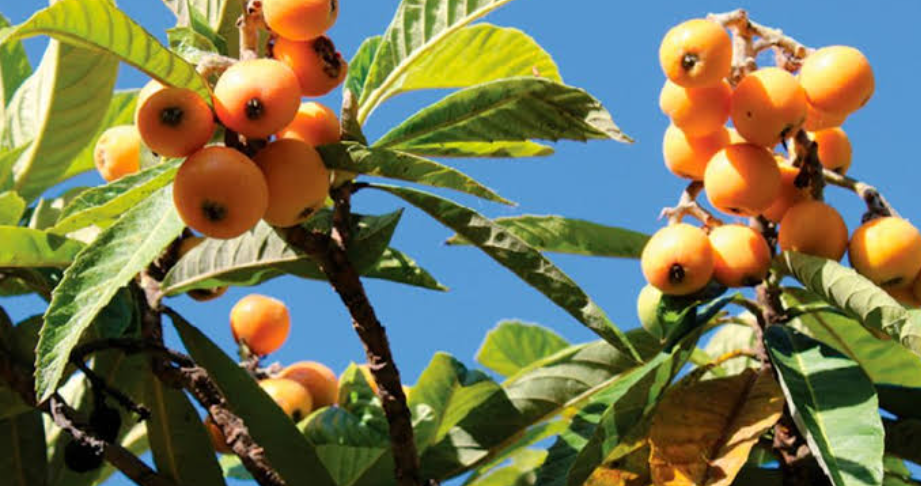
Apricots are small, round to oval stone fruits best known for their golden-orange skin, soft flesh, and sweet, slightly tangy flavor. Their relatively small size and warm color make them easy to recognize, but they are not the only fruits with this appearance. Several other fruits can look surprisingly similar to apricots, particularly when they are ripe and displayed without their leaves or other identifying features.
Some apricot lookalikes are close relatives. Peaches, nectarines, plums, pluots, and apriums all belong to the same broad plant family as apricots and share characteristics such as fleshy fruit and a hard central seed. Other fruits look similar simply because they develop yellow, orange, or golden skin and a rounded or oval shape.
The resemblance can sometimes be strong enough that you need to examine the fruit more closely to tell them apart. Skin texture is one useful clue because apricots generally have fine fuzz, while nectarines and plums have smooth skin. The size, shape, flesh color, number of seeds, and even the texture of the fruit can also help with identification.
Below are 21 fruits that look like apricots, ranging from familiar orchard fruits to unusual tropical species. Each has characteristics that explain why it may be mistaken for an apricot.
1. Peach
Peaches are among the fruits most commonly confused with apricots. Both are stone fruits with rounded shapes, yellow-orange flesh, and a single hard pit in the center.
The main difference is usually size. Peaches are generally larger than apricots, although small peaches can look remarkably similar. Peaches also tend to have more noticeable fuzzy skin.
Depending on the variety, peaches can have yellow, orange, red, or pinkish skin. Their flesh is typically juicy and soft when fully ripe.
2. Nectarine
Nectarines look remarkably similar to peaches and, consequently, can also resemble apricots.
Their rounded or slightly oval shape and yellow-orange coloration are responsible for much of the resemblance. However, nectarines have smooth skin rather than the fuzzy skin associated with apricots.
Nectarines are also generally larger and firmer than apricots. Their flesh may be yellow, white, or reddish around the pit.
3. Yellow Plum
Yellow plums can look almost like apricots at first glance. Some cultivars produce small, round fruits with golden-yellow or orange-yellow skin.
The smooth, sometimes shiny skin is one of the easiest ways to distinguish a yellow plum from an apricot. Yellow plums also tend to have a juicier texture and a more pronounced sweet-tart flavor.
Like apricots, they contain one hard stone in the center.
4. Mirabelle Plum
Mirabelle plums are small golden-yellow plums that can easily be mistaken for miniature apricots.
They are generally round and have smooth skin. When fully ripe, their golden coloration makes them especially similar to some apricot varieties.
Mirabelles are famous for their sweet flavor and are widely used in preserves, jams, tarts, and other desserts.
5. Pluot
Pluots are hybrids involving plums and apricots, so it is hardly surprising that some of them look like apricots.
Depending on the cultivar, a pluot can have yellow, orange, red, purple, or mottled skin. Golden-orange varieties can be especially difficult to distinguish from apricots.
Pluots usually have smooth skin and very sweet, juicy flesh. Their flavor often combines the sweetness of a plum with characteristics of an apricot.
6. Aprium
Apriums are another hybrid involving apricots and plums. They tend to have a stronger apricot influence than pluots.
Many apriums are small to medium-sized, round or oval, and orange or yellow. Some can look almost identical to conventional apricots.
Their skin is often smoother than that of a traditional apricot, while the flesh is sweet, firm, and aromatic.
7. Loquat
Loquats are frequently compared with apricots because of their yellow-orange skin and relatively small size.
They are usually oval or pear-shaped rather than perfectly round. The skin can be smooth or slightly fuzzy, depending on the cultivar.
The biggest difference becomes apparent when you cut one open. Loquats usually contain several large seeds, whereas apricots contain one large central pit.
Their juicy flesh has a sweet and slightly acidic flavor.
8. Cherry Plum
Cherry plums are small fruits that can be yellow, orange, red, or purple. Yellow varieties can look remarkably similar to small apricots.
They are generally smaller than apricots and have smooth, shiny skin. Their round shape is another reason for the resemblance.
Cherry plums contain a single stone and can have flavors ranging from sweet to quite tart.
9. Greengage
Greengages are a group of plum cultivars known for their sweet, juicy flesh.
Although most are green, some can develop yellowish or golden coloration as they ripen. These lighter fruits may resemble pale apricots.
They have smooth skin, a round shape, and a single pit. Greengages are particularly prized for fresh eating and making preserves.
10. Canistel
Canistel, commonly known as eggfruit, is a tropical fruit that can look somewhat like a large, elongated apricot.
Its skin changes to yellow or orange as the fruit matures. The shape can vary considerably, with some fruits being round while others are more pointed.
Canistel is very different from apricot internally. Its ripe flesh is thick, creamy, and somewhat dry, giving it a texture that has inspired the name eggfruit.
11. Yellow Mombin
Yellow mombin is a tropical fruit with yellow to orange skin. Its small, oval fruits can resemble apricots from a distance.
Unlike apricots, yellow mombin belongs to the cashew family. The fruit generally has a more acidic or tangy flavor.
Its large central seed is fibrous and differs considerably from the smooth pit of an apricot.
12. Ambarella
Ambarella is also known as June plum or golden apple. It is a tropical fruit that turns yellow or golden as it ripens.
Its oval shape and warm color can make it look like an elongated apricot. However, ambarella is generally more fibrous and crunchy, particularly when not fully ripe.
The flavor can range from sour and tangy to sweet as the fruit matures.
13. Golden Berry
Golden berries are much smaller than apricots, but their bright orange-yellow color gives them a superficial resemblance.
They are also called cape gooseberries or Physalis. Each fruit develops inside a distinctive papery husk.
Once the husk is removed, the small, round golden fruit can look somewhat like a miniature apricot. However, golden berries contain numerous tiny seeds rather than one central stone.
Their flavor is usually sweet with noticeable tartness.
14. Japanese Plum
Japanese plum is a common name for the loquat. The name can cause confusion because the fruit is not actually a traditional plum.
Its orange-yellow color, oval shape, and relatively small size make it one of the fruits most likely to be compared with an apricot.
Japanese plums have juicy flesh and several large seeds. They are commonly eaten fresh and are also used to make jams, jellies, and desserts.
15. Yellow Mangosteen
Yellow mangosteen is a tropical Garcinia fruit with yellow or golden skin.
Its rounded or oval appearance can produce a superficial resemblance to an apricot, particularly when the fruits are viewed from a distance.
The skin is much thicker than an apricot’s skin, while the interior contains juicy sections surrounding seeds.
It is an unusual fruit compared with the common mangosteen and is mostly associated with tropical growing regions.
16. Yellow Sapote
Yellow sapote is a tropical fruit that can have yellow or orange skin and similarly colored flesh.
Depending on the species or cultivar, the fruit can be round, oval, or somewhat elongated. Smaller specimens can look somewhat like apricots.
The ripe flesh is generally soft and sweet. Yellow sapotes are much less commonly encountered than apricots, especially outside tropical areas.
17. Golden Kiwi
Golden kiwi does not look exactly like an apricot, but some small golden kiwis share a similar oval shape and warm coloration.
The biggest difference is the exterior. Golden kiwis typically have brown skin, while apricots have yellow-orange skin.
Inside, golden kiwi has smooth yellow flesh containing many tiny black seeds. Its flavor is generally sweet and tropical with relatively low acidity.
18. Golden Raspberry
Golden raspberries can look like tiny yellow-orange fruits from a distance.
Their structure immediately separates them from apricots, however. Instead of having one solid piece of flesh surrounding a pit, raspberries are made up of numerous small drupelets.
Golden raspberries are generally sweet and delicate and can be eaten fresh or used in desserts, jams, and fruit salads.
19. Loquat Hybrid and Cultivars
Certain loquat cultivars produce larger, rounder fruits that look particularly similar to apricots.
These fruits can have orange-yellow skin and juicy orange flesh. Their shape may be more rounded than that of typical loquats, increasing the resemblance.
The most reliable way to tell them apart is by looking at the seeds. Loquats generally have several large seeds clustered in the center.
20. Yellow Passion Fruit
Yellow passion fruit is another fruit that can have a yellow-orange exterior, although its shape and texture are somewhat different from an apricot.
The fruits are usually round or oval and have a relatively firm outer skin. When mature, the color can range from yellow to golden-orange.
The inside is completely different from an apricot, containing aromatic pulp and numerous small black seeds.
The intense sweet-tart flavor also makes passion fruit easy to distinguish once cut open.
21. Sea Buckthorn Berry
Sea buckthorn produces small orange berries that can superficially resemble tiny apricots because of their vivid golden-orange color.
The berries grow in clusters along woody stems and are much smaller than apricots. They also have a distinctly tart flavor.
Unlike an apricot, a sea buckthorn berry does not contain a large central stone. Instead, it has a small seed surrounded by juicy flesh.
How to Tell an Apricot From Similar Fruits
Identifying an apricot becomes easier when you examine several characteristics rather than relying on color alone.
1. Examine the Skin
True apricots generally have fine fuzz on their skin. Peaches have more obvious fuzz, while nectarines, plums, pluots, and apriums often have smooth skin.
2. Consider the Size
Apricots are relatively small stone fruits. If a yellow-orange fruit is considerably larger, it may be a peach or nectarine.
Very small fruits may instead be mirabelle plums, cherry plums, or golden berries.
3. Look for the Central Groove
Many apricots have a noticeable vertical groove running from the stem toward the blossom end. This can be a useful identification feature.
4. Cut the Fruit Open
The seed arrangement is one of the best ways to distinguish similar fruits.
Apricots usually have one large, hard pit surrounded by orange flesh. Loquats generally have several large seeds, while golden berries have numerous tiny seeds.
5. Check the Texture
A ripe apricot usually has tender, juicy flesh. Canistel has much denser, creamier flesh, while ambarella can be considerably more fibrous.
6. Taste the Fruit
Flavor can provide another useful clue. Apricots are generally sweet, aromatic, and mildly tart. Plums may be much more acidic, while loquats often have a refreshing sweet-tart flavor.