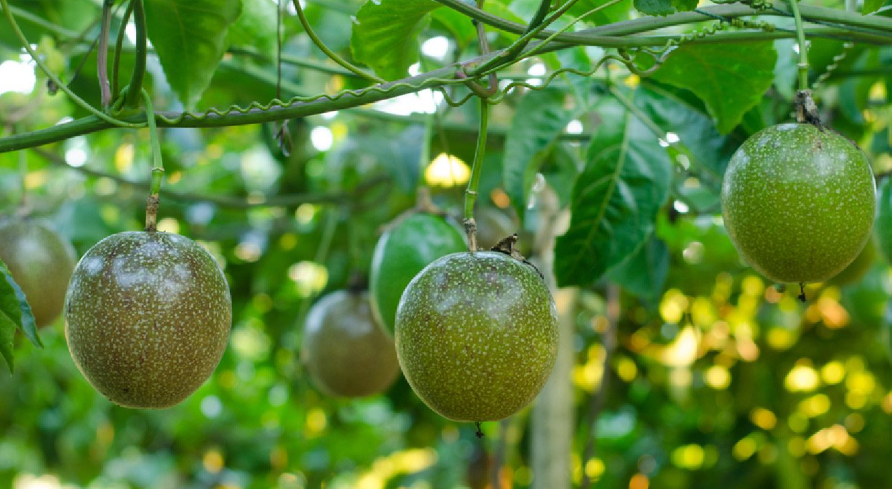
Passion fruits belong to the genus Passiflora, which contains more than 550 documented species, though only a relatively small fraction of these produce fruit that is actually cultivated or eaten by people around the world. The passion fruit’s unusual name has nothing to do with romance and everything to do with 16th-century Spanish missionaries in South America, who saw symbolic representations of the Christian Passion of Christ in the flower’s distinctive structure, interpreting the corona filaments as a crown of thorns and the five petals and five sepals as the ten faithful apostles.
Brazil remains the largest producer of passion fruit in the world today, growing well over 700,000 tons annually, followed by other major tropical growing regions including Colombia, Ecuador, Kenya, and Vietnam, each with their own regionally favored varieties and local names for the fruit.
While the tangy purple and yellow passion fruits found in most grocery stores represent just two forms of a single species, the broader Passiflora family includes giant tropical fruits the size of a small melon, tiny native North American wildflowers, and purely ornamental vines grown for their extraordinary, almost alien-looking blossoms rather than for any fruit at all.
This article explores 40 different types of passion fruit, spanning the major commercial varieties, historic regional cultivars, wild and native species, and ornamental relatives found across the Passiflora genus.
Types of Passion Fruits
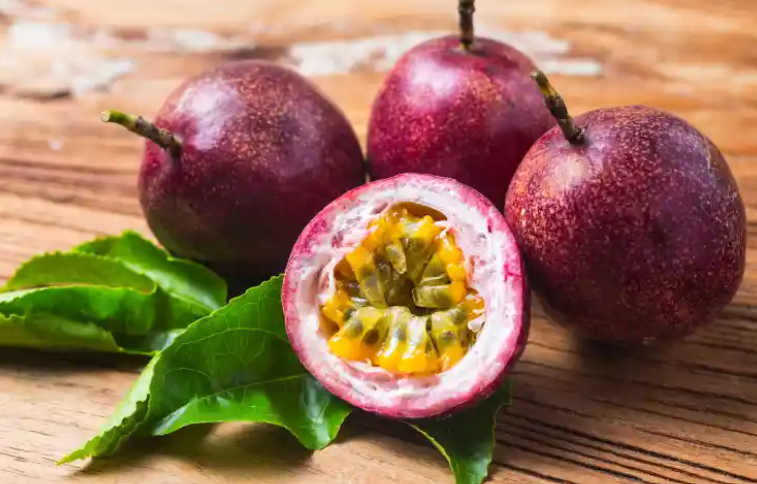
Purple Passion Fruit
The purple passion fruit is the most widely recognized form of the classic species Passiflora edulis, producing a round, deep purple fruit typically 2 to 3 inches in diameter with a wrinkled rind once fully ripe. This variety is generally considered to have a richer, more aromatic flavor than its yellow counterpart, with a lower acidity that many people find more pleasant for fresh eating straight from the shell.
Purple passion fruit performs best in cooler subtropical climates compared to the yellow form, making it the dominant variety grown in regions like Kenya, New Zealand, and parts of South America at higher elevations. This fruit’s tart, aromatic pulp surrounding numerous small black seeds has made it one of the most commercially significant tropical fruits used in juices, desserts, and flavoring worldwide.
Yellow Passion Fruit
The yellow passion fruit, classified as Passiflora edulis forma flavicarpa, is a more vigorous, heat-tolerant variant of the same species that produces purple fruit, distinguished by its bright yellow rind and generally larger fruit size. This variety tends to have a more intensely tart, acidic flavor compared to purple passion fruit, making it especially popular for juice production where its bold, tangy taste holds up well when blended or diluted.
Yellow passion fruit dominates commercial production throughout Brazil, Hawaii, and other tropical lowland regions, since it tolerates heat and humidity considerably better than the purple form. This fruit is the type most commonly used to produce commercial passion fruit juice and concentrate sold internationally.
Giant Granadilla
The giant granadilla, known scientifically as Passiflora quadrangularis, produces by far the largest fruit of any commonly cultivated passion fruit species, with individual fruits sometimes reaching the size of a small football and weighing several pounds. This variety features a thick, fleshy rind surrounding a large cavity of pale, mildly sweet pulp, along with an inner layer that is sometimes cooked and eaten as a vegetable in parts of Latin America and Southeast Asia.
Giant granadilla vines are notably vigorous, with square, winged stems that distinguish them visually from most other passion fruit species. This fruit’s mild flavor is generally considered less intense than purple or yellow passion fruit, making it more commonly used in salads, desserts, and cooked preparations than eaten raw on its own.
Sweet Granadilla
The sweet granadilla, or Passiflora ligularis, produces a round, orange-skinned fruit with a hard, brittle shell that cracks open to reveal a translucent, jelly-like pulp considerably sweeter and less acidic than standard purple or yellow passion fruit. This variety is especially popular throughout the Andean regions of Colombia, Ecuador, and Peru, where it is commonly eaten by cracking the shell and sucking out the sweet pulp and seeds directly.
Sweet granadilla grows best at higher, cooler elevations than most other commercial passion fruit types, thriving in tropical highland climates rather than hot lowland conditions. This fruit’s mild sweetness and lower acidity have made it a popular fresh-eating snack throughout South America, often sold by street vendors already cracked open and ready to eat.
Also Read: Types of Apricots You Can Grow
Banana Passionfruit
The banana passionfruit, encompassing several closely related species within the Passiflora tripartita group, produces an elongated, yellow, banana-shaped fruit quite different in appearance from the round fruit typical of most other passion fruit types. This variety is native to the high-altitude Andes region of South America, where its vines thrive in the cool, misty conditions found at elevations most other passion fruit species cannot tolerate.
Banana passionfruit has become an aggressive invasive species in parts of New Zealand and Hawaii, where the vine’s rapid growth has allowed it to smother native vegetation in favorable climates. This fruit’s soft, aromatic pulp is generally sweeter and less tart than standard passion fruit, commonly eaten fresh or used in juices throughout its native Andean growing regions.
Water Lemon
The water lemon, or Passiflora laurifolia, produces an oval, yellow-orange fruit with a distinctively fragrant, juicy pulp that has earned it a devoted following throughout the Caribbean, where it is a popular backyard fruit. This variety gets its common name from its notably watery, refreshing pulp, which is typically sucked directly from the fruit’s shell rather than scooped out with a spoon.
Water lemon vines produce large, showy purple and white flowers considered especially ornamental even among the visually striking Passiflora genus. This fruit remains largely a regional specialty crop rather than a major commercial export, prized locally throughout Caribbean islands and parts of northern South America for its fragrant, distinctive flavor.
Maypop
The maypop, or Passiflora incarnata, is the most cold-hardy passion fruit species native to North America, naturally found growing wild throughout much of the southeastern and central United States. This variety produces a small, egg-shaped yellow-green fruit with a mildly sweet, tropical flavor, considerably less intensely flavored than commercial purple or yellow passion fruit but notable for growing as far north as Pennsylvania and Ohio.
Maypop vines die back to the ground each winter in colder climates and regrow vigorously from their perennial root system each spring, an adaptation that allows this species to survive winters that would kill most other Passiflora species outright. This fruit has also long been used in traditional herbal preparations, with extracts from the plant’s leaves and flowers commonly marketed for their purported calming properties.
Frederick
Frederick is a purple passion fruit cultivar developed in Florida, selected specifically for improved cold tolerance and disease resistance compared to standard purple passion fruit varieties grown farther south. This variety produces medium-sized, deep purple fruit with good flavor, similar in quality to standard commercial purple passion fruit.
Frederick has become a popular choice among home growers in the warmer parts of the southeastern United States, where standard tropical varieties would struggle with occasional winter cold snaps. This cultivar reflects the ongoing breeding work aimed at pushing commercially viable passion fruit cultivation farther from the plant’s traditional tropical comfort zone.
Possum Purple
Possum Purple is a widely grown purple passion fruit cultivar noted for its exceptionally sweet, rich flavor and reliable production, making it a popular choice among home gardeners in subtropical and warm temperate climates. This variety produces medium to large purple fruit with a notably lower acidity than many other purple passion fruit selections.
Possum Purple is considered relatively cold hardy for a purple passion fruit cultivar, able to tolerate occasional light frost that would seriously damage more tropical varieties. This cultivar has become a favorite in parts of Australia and the southern United States specifically for its combination of excellent flavor and improved cold tolerance compared to standard purple passion fruit.
Black Knight
Black Knight is a purple passion fruit cultivar recognized for producing especially dark, nearly black-purple fruit once fully ripened, distinguishing it visually from the more typical deep purple color of standard varieties. This variety produces good-sized fruit with rich, well-balanced flavor considered comparable to other high-quality purple passion fruit selections.
Black Knight has gained a following among specialty growers and collectors specifically interested in unusual or visually distinctive passion fruit cultivars. This variety demonstrates the considerable color and appearance variation that exists even within a single named form of the passion fruit species.
Nancy Garrison
Nancy Garrison is a purple passion fruit cultivar valued for its good cold tolerance and consistent production, making it a popular selection among growers in regions with occasional winter chill. This variety produces medium-sized, richly flavored fruit typical of high-quality purple passion fruit selections.
Nancy Garrison has become a recommended variety for backyard growers in California and other warm temperate regions where standard tropical passion fruit varieties would face significant winter stress. This cultivar reflects the steady expansion of passion fruit growing into regions once considered unsuitable for the crop, driven largely by selective breeding for cold hardiness.
Kahuna
Kahuna is a passion fruit cultivar recognized for producing especially large, vigorous vines along with good-sized fruit and strong overall productivity. This variety is popular among home gardeners specifically looking for a fast-growing vine capable of quickly covering a trellis, fence, or arbor while also producing a meaningful fruit harvest.
Kahuna tends to perform particularly well in warm, humid subtropical and tropical climates where its vigorous growth habit can be fully expressed. This cultivar’s combination of ornamental vine coverage and reliable fruiting has made it popular for gardeners wanting a dual-purpose landscape and food-producing plant.
Panama Red
Panama Red is a purple passion fruit cultivar known for its notably deep reddish-purple coloring and rich, well-balanced flavor, making it a popular choice among growers focused on both fruit quality and visual appeal. This variety produces medium to large fruit with the classic tart-sweet flavor profile associated with high-quality purple passion fruit selections.
Panama Red has become a popular commercial and backyard variety in parts of the Americas, valued for its dependable production and attractive appearance. This cultivar represents one of several Panama-named passion fruit varieties developed with a focus on strong flavor and reliable yields.
Panama Gold
Panama Gold is a yellow passion fruit cultivar bred as a companion selection to Panama Red, producing large, brightly colored yellow fruit with the more intensely tart flavor typical of yellow passion fruit varieties. This variety is particularly well suited to warmer, more tropical growing conditions than many purple passion fruit cultivars can tolerate.
Panama Gold has become popular among commercial growers specifically interested in juice production, since its bold, tart flavor performs especially well when processed. This cultivar reflects the broader tendency among passion fruit breeders to develop paired red and gold, or purple and yellow, cultivar lines suited to slightly different growing conditions and end uses.
Also Read: Types of Plums
Brazilian Golden
Brazilian Golden is a yellow passion fruit variety recognized for its large fruit size and strong, vigorous growth habit, closely tied to Brazil’s position as the world’s largest passion fruit producing country. This variety produces bright yellow fruit with the bold, tart flavor characteristic of most commercially grown yellow passion fruit types.
Brazilian Golden performs especially well in hot, humid tropical lowland conditions, mirroring the climate found throughout much of Brazil’s major passion fruit growing regions. This variety has become a popular choice for growers in tropical climates worldwide specifically seeking the vigorous growth and heavy production associated with Brazil’s extensive commercial passion fruit breeding history.
Fragrant Granadilla
The fragrant granadilla, or Passiflora alata, produces a fruit similar in size and shape to the giant granadilla but on a considerably less vigorous, more manageable vine, along with notably fragrant, showy red and purple flowers. This variety’s fruit features sweet, aromatic pulp generally considered more flavorful than the milder giant granadilla, though the fruit remains less commonly cultivated commercially than purple or yellow passion fruit.
Fragrant granadilla is native to Brazil and is sometimes grown specifically for its striking, intensely colored flowers as much as for its fruit. This variety’s distinctive winged stems, similar to those of the giant granadilla, help distinguish it visually from the round-stemmed purple and yellow passion fruit vines more commonly seen in cultivation.
Curuba
Curuba is the common name used throughout Colombia for banana passionfruit, referring to the same elongated, yellow, Andean-native fruit known by different regional names across South America. This variety is an important local fruit crop throughout Colombia’s cooler highland regions, commonly juiced or eaten fresh as a popular regional specialty.
Curuba vines thrive in the cool mountain valleys of the Andes, tolerating temperatures that would be far too cold for standard lowland tropical passion fruit varieties. This fruit illustrates how a single Passiflora species can carry entirely different common names depending on the country or region where it is traditionally grown and consumed.
Tarminiana Banana Passionfruit
Passiflora tarminiana is a distinct banana passionfruit species closely related to Passiflora tripartita, producing a similarly elongated yellow fruit but recognized as its own separate species following more detailed botanical study of the banana passionfruit group. This variety is native to the Andean highlands of Colombia and Ecuador, where it has long been cultivated as a regional specialty fruit.
Tarminiana has also become invasive in parts of Hawaii, where its aggressive vining growth has caused ecological concern in areas with favorable cool, moist growing conditions. This fruit shares the sweet, aromatic pulp characteristic of the broader banana passionfruit group, generally eaten fresh or processed into regional juices and desserts.
Red Banana Passionfruit
The red banana passionfruit, or Passiflora antioquiensis, produces a similarly elongated fruit to other banana passionfruit species but is primarily grown for its strikingly vivid red flowers rather than for significant fruit production. This variety is native to Colombia and has become popular among ornamental gardeners specifically for its dramatic, brightly colored blooms.
Red banana passionfruit requires cool, high-elevation growing conditions similar to its Andean banana passionfruit relatives, limiting its cultivation to regions with a suitably mild, temperate climate. This variety represents one of the more ornamentally focused members of the banana passionfruit group, valued more for garden beauty than for its edible fruit.
Perfumed Passionflower
The perfumed passionflower, or Passiflora vitifolia, is grown almost exclusively as an ornamental vine, prized for its large, vivid red flowers rather than for any significant edible fruit production. This variety produces small, generally unpalatable fruit, making it a poor choice for anyone hoping to harvest a meaningful passion fruit crop.
Perfumed passionflower is native to Central and South America and thrives in warm, humid tropical conditions similar to its native rainforest habitat. This variety is a favorite among hummingbird gardeners, since its bright red, tubular-shaped flowers are specifically well suited to attracting hummingbird pollinators.
Red Passionflower
The red passionflower, or Passiflora coccinea, is another ornamental Passiflora species grown primarily for its striking, deep scarlet blooms rather than for fruit, producing small fruit generally considered too bland or seedy for meaningful culinary use. This variety is native to the Amazon basin and thrives in warm, humid, partially shaded conditions similar to the understory of its native tropical rainforest habitat.
Red passionflower has become a popular greenhouse and conservatory plant in cooler climates, where its dramatic flowers can be enjoyed without the plant needing to survive outdoor winter conditions. This variety exemplifies the many Passiflora species valued purely for ornamental impact, contributing to the genus’s broader reputation among gardeners as much for flowers as for fruit.
Also Read: Types of Apples
Blue Passionflower
The blue passionflower, or Passiflora caerulea, is among the most cold-hardy and widely cultivated ornamental passion fruit species, valued for its intricate blue, white, and purple flowers and grown as a garden vine well beyond the tropics. This variety produces small, orange, egg-shaped fruit that is technically edible but generally considered bland and seedy compared to commercial purple or yellow passion fruit.
Blue passionflower tolerates considerably more cold than most other Passiflora species, surviving outdoors in temperate gardens throughout parts of Europe and the milder regions of North America. This variety has become one of the most commonly planted ornamental passionflowers worldwide, prized for its striking blooms rather than any meaningful fruit harvest.
Stinking Passionflower
The stinking passionflower, or Passiflora foetida, gets its unflattering common name from the noticeably pungent odor produced by its leaves and stems when bruised or crushed. This variety produces small, round fruit encased in a distinctive lacy, net-like bract structure unique among commonly encountered passion fruit species.
Stinking passionflower grows as a widespread wild vine throughout many tropical and subtropical regions, often considered a weed in areas where it has become naturalized outside its native range. This fruit is eaten in some regions despite its association with the unpleasant-smelling foliage, valued locally as a foraged wild fruit rather than as a cultivated commercial crop.
Sweet Calabash
The sweet calabash, or Passiflora maliformis, produces a hard-shelled, apple-shaped fruit with sweet, aromatic pulp, historically valued throughout parts of the Caribbean and northern South America as a regional specialty fruit. This variety’s thick, tough rind makes the fruit notably more resistant to bruising and damage during transport compared to the more delicate purple and yellow passion fruit varieties.
Sweet calabash is generally eaten by cracking open the hard shell and scooping out the sweet pulp inside, similar to the eating method used for sweet granadilla. This fruit remains primarily a regional and dooryard crop rather than a major commercial export, valued locally for its distinctive shell and pleasant flavor.
Bell Apple
The bell apple, or Passiflora nitida, produces a smooth, round, yellow-orange fruit valued throughout parts of South America and the Caribbean for its sweet, mildly tart pulp. This variety’s vines are notably vigorous climbers, often found growing along riverbanks and forest edges throughout its native range in the Amazon basin and surrounding regions.
Bell apple fruit is typically eaten fresh, sliced open, and the pulp scooped out directly, similar to how many other lesser-known passion fruit varieties are traditionally consumed. This fruit remains a regional specialty largely unknown outside of South America and parts of the Caribbean, despite its pleasant flavor and relatively easy cultivation.
Andean Banana Passionfruit
Passiflora mixta is another species within the broader banana passionfruit complex, native to the high-elevation Andean regions of South America and closely resembling its relatives Passiflora tripartita and Passiflora tarminiana. This variety produces the characteristic elongated, yellow fruit typical of banana passionfruit species, along with attractive pink or red tubular flowers.
Andean banana passionfruit requires the same cool, high-altitude growing conditions as its close relatives, making it unsuitable for hot lowland tropical climates. This variety adds to the considerable diversity found within the banana passionfruit group, a cluster of closely related species that botanists have only relatively recently sorted into their current, more precisely defined classifications.
Cold-Hardy Banana Passionfruit
Passiflora pinnatistipula is a particularly cold-tolerant member of the banana passionfruit group, native to some of the highest and coolest elevations found within the Andean passionflower species’ overall range. This variety produces the typical elongated yellow fruit associated with banana passionfruit, along with distinctive feathery stipules along its stems that give the species its scientific name.
Cold-hardy banana passionfruit can tolerate temperatures considerably colder than most other edible Passiflora species, making it of particular interest to breeders working to expand the cold tolerance of cultivated passion fruit varieties. This species illustrates how the extensive genetic diversity within the Passiflora genus continues to offer breeding resources for developing hardier cultivated varieties.
Manicata Red Passionflower
Passiflora manicata is an ornamental passionflower species valued for its vivid red blooms, closely resembling the related red banana passionfruit in overall appearance and growing requirements. This variety produces small fruit generally not considered worth harvesting for eating, with the plant grown almost entirely for its striking floral display.
Manicata red passionflower is native to the Andean highlands and requires cool, high-elevation growing conditions similar to many of its closest relatives within the genus. This variety remains a specialty item among dedicated Passiflora collectors and enthusiasts specifically interested in the ornamental diversity found within the broader passionflower family.
Citrine Passionflower
Passiflora citrina is a smaller ornamental passionflower species notable for its distinctive solid yellow blooms, a departure from the more common purple, blue, or red coloring found throughout much of the genus. This variety produces small, generally inedible fruit, with cultivation focused almost entirely on the plant’s unusual flower color.
Citrine passionflower is native to Central America and has become a popular choice among specialty growers and hybridizers specifically interested in expanding the range of available passionflower bloom colors. This variety has also been used in breeding programs aimed at introducing yellow flower coloring into ornamental Passiflora hybrids.
Yellow Native Passionflower
Passiflora lutea is a small-flowered passionflower species native to the eastern and central United States, considerably less showy than its tropical relatives but notable for its cold hardiness and native status. This variety produces tiny, generally inedible fruit, with the plant valued more for its role as a native host plant for certain butterfly species than for any culinary use.
Yellow native passionflower tolerates a range of woodland and edge habitat conditions throughout its native range, often found climbing over fences and low shrubs in the wild. This species serves an important ecological role in its native range, supporting native pollinators and butterfly populations that have coevolved alongside it.
Also Read: Types of Mangoes
White Passionflower
Passiflora subpeltata produces elegant white flowers with a subtle blue-tinged corona, offering a more understated ornamental option compared to the boldly colored blooms typical of many other Passiflora species. This variety produces small, round fruit that is edible but generally considered mild and unremarkable compared to commercially grown passion fruit varieties.
White passionflower is native to South America and has become naturalized in various warm climate regions around the world, sometimes considered a mild garden weed where conditions favor its spread. This variety remains popular primarily among gardeners specifically seeking a more subdued, elegant passionflower option for a moon garden or all-white planting scheme.
Incense Passionflower
Incense is a cold-hardy hybrid passionflower developed by crossing the North American native maypop with a South American Passiflora species, resulting in a vine that combines improved cold tolerance with larger, more strikingly colored purple flowers than maypop alone typically produces. This variety produces some fruit, though it is generally grown more for its exceptional flower display than for significant fruit harvest.
Incense passionflower can survive winters considerably colder than most tropical Passiflora species could tolerate, thanks largely to its maypop parentage. This hybrid has become a popular choice among gardeners in temperate climates who want the dramatic, exotic look of a tropical passionflower vine without the tropical climate requirements.
Lady Margaret Passionflower
Lady Margaret is a passionflower hybrid known for its rich, deep red flowers, a striking departure from the blue and purple tones more commonly associated with many popular ornamental Passiflora varieties. This variety produces attractive but generally not particularly notable fruit, with cultivation focused primarily on the plant’s dramatic floral display.
Lady Margaret performs best in warm, frost-free climates, since it lacks the cold hardiness bred into some of the maypop-derived hybrid varieties. This hybrid has become a popular choice for greenhouse and conservatory growing in cooler climates, where its striking red blooms can be enjoyed without exposure to damaging outdoor winter conditions.
Amethyst Passionflower
Amethyst is an ornamental passionflower hybrid recognized for its rich purple blooms with a notably intricate, detailed corona structure, considered one of the more visually striking hybrids available to home gardeners. This variety is grown almost entirely for its ornamental value, with fruit production considered a secondary, largely incidental feature of the plant.
Amethyst passionflower performs well in warm temperate to subtropical climates and can be grown successfully in a container that is brought indoors during colder months in less favorable regions. This hybrid remains popular among ornamental gardeners specifically drawn to the intricate, almost otherworldly detail found in high-quality Passiflora flower varieties.
Elizabeth Passionflower
Elizabeth is a cold-hardy hybrid passionflower, similar in breeding background to Incense, combining maypop genetics with other Passiflora species to produce a vine with improved winter survival and attractive, richly colored blooms. This variety produces some fruit, generally secondary in importance to its notable flower display for most gardeners who grow it.
Elizabeth passionflower has become a popular choice for gardeners in temperate climates seeking a tropical-looking flowering vine capable of returning reliably from its roots after a cold winter. This hybrid reflects the broader effort among passionflower breeders to combine the ornamental appeal of tropical Passiflora species with the practical cold tolerance of native North American maypop.
Lilikoi
Lilikoi is the Hawaiian name for passion fruit, most commonly referring to locally grown yellow passion fruit varieties that have become deeply woven into Hawaiian food culture, flavoring everything from shave ice syrup to baked goods and cocktails. This variety is essentially the standard yellow passion fruit, Passiflora edulis forma flavicarpa, grown extensively throughout the Hawaiian islands since its introduction in the 19th century.
Lilikoi has become such a defining regional flavor in Hawaii that the name is now used commercially far more often than the more generic term passion fruit within island markets and restaurants. This fruit illustrates how a single widely grown passion fruit variety can develop its own strong regional identity and culinary significance distinct from how the same fruit is perceived elsewhere in the world.
Also Read: Types of Bananas You Can Grow
Nellie Kelly Passionfruit
Nellie Kelly is a popular Australian passion fruit hybrid variety, developed by crossing purple and yellow passion fruit types to combine the superior flavor of purple passion fruit with the improved vigor and disease resistance associated with yellow varieties. This variety produces medium to large, dark purple fruit with excellent flavor and notably strong, reliable production.
Nellie Kelly has become one of the most widely planted passion fruit varieties in home gardens throughout Australia, valued for its dependable harvests and relatively good disease tolerance compared to standard purple passion fruit. This hybrid demonstrates the practical benefits of combining traits from both major passion fruit forms into a single, more resilient garden variety.
Sweetheart Passionfruit
Sweetheart is another notable Australian passion fruit hybrid variety, similarly bred by crossing purple and yellow passion fruit types to achieve improved vigor and disease resistance alongside good fruit quality. This variety produces purple-skinned fruit with a flavor generally considered comparable to standard high-quality purple passion fruit selections.
Sweetheart has become a popular choice among Australian home gardeners specifically seeking a reliable, easy-to-grow vine that produces good yields without the disease susceptibility sometimes associated with pure purple passion fruit varieties. This cultivar reflects Australia’s significant contribution to modern hybrid passion fruit breeding, an effort focused heavily on improving disease resistance for home and small-scale commercial growers.
BRS Gigante Amarelo
BRS Gigante Amarelo is a yellow passion fruit cultivar developed by Brazil’s agricultural research agency specifically for its notably large fruit size, reflecting the country’s position as the world’s leading commercial passion fruit producer and breeder. This variety produces exceptionally large yellow fruit with good flavor and strong yields, developed specifically to meet the demands of Brazil’s substantial domestic and export passion fruit market.
BRS Gigante Amarelo also incorporates improved disease resistance compared to older yellow passion fruit varieties, an important trait given the significant fungal and viral disease pressure passion fruit crops face in Brazil’s humid tropical growing regions. This cultivar represents the kind of formal agricultural research breeding program that has helped Brazil maintain its dominant position in global passion fruit production.
BRS Ouro Vermelho
BRS Ouro Vermelho, meaning red gold in Portuguese, is another Brazilian research-developed passion fruit cultivar, bred specifically for its distinctive reddish-orange skin coloring, a departure from the standard yellow or purple rind found on most commercial passion fruit varieties. This variety produces fruit with good flavor and was developed with an emphasis on disease resistance and strong commercial production suited to Brazil’s large-scale passion fruit industry.
BRS Ouro Vermelho’s unusual coloring has helped it stand out in fresh produce markets, offering both growers and consumers a visually distinctive alternative to standard yellow and purple passion fruit. This cultivar reflects the ongoing formal breeding efforts within Brazil’s agricultural research institutions aimed at continuously improving commercial passion fruit varieties for both flavor and market appeal.