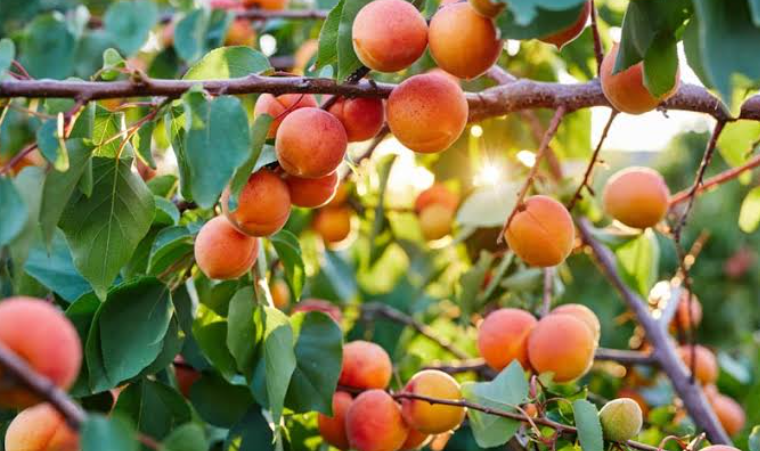
Apricots have one of the more misleading scientific names in the entire fruit world, since the species is officially classified as Prunus armeniaca, a nod to Armenia that stuck after Romans encountered the fruit growing there, even though genetic and archaeological evidence points to the tree actually originating in China more than 4,000 years ago before spreading westward along the Silk Road.
Turkey has grown into the largest apricot producer on Earth today, harvesting more than 800,000 tons in a typical year, with the province of Malatya alone responsible for a significant share of the world’s dried apricot supply. In the United States, California dominates commercial production, growing an estimated 90 percent or more of the nation’s apricot crop, largely concentrated in the Central Valley where the state’s hot, dry summers closely mirror the fruit’s Central Asian origins.
Apricot varieties today reflect this long and geographically sprawling history, ranging from centuries-old Armenian and Persian landraces still grown from traditional orchards, to cold-hardy Siberian types bred to survive winters that would kill a Mediterranean variety outright, to modern American cultivars engineered specifically for shipping, canning, or backyard container growing.
This article explores 80+ different types of apricots, spanning classic commercial varieties, historic regional landraces, cold-hardy hybrids, and ornamental flowering relatives found around the world.
Different Types of Apricots
Blenheim
Blenheim is widely considered the gold standard of American apricots, historically dominating California orchards throughout the 20th century and still prized today for its rich, intensely sweet flavor that many growers argue no modern variety has fully matched. This variety produces a moderately small, golden-orange fruit with a slightly tart edge that balances its sweetness, making it equally suited to fresh eating, drying, and canning.
Blenheim ripens relatively early in the season and has a notably short shelf life, a trait that pushed large-scale commercial growers toward hardier, longer-lasting varieties starting in the 1960s. This variety remains a favorite among home orchardists and farmers market growers specifically because its exceptional flavor outweighs its impractical fragility for large-scale shipping.
Royal Blenheim
Royal Blenheim refers to a particularly well-regarded strain of the classic Blenheim apricot, sometimes marketed under this name to distinguish especially flavorful or true-to-type nursery stock from more generic Blenheim seedlings. This variety shares the same golden-orange skin, rich flavor, and early ripening window as standard Blenheim, and the two names are often used interchangeably by growers and nurseries.
Royal Blenheim trees tend to be moderately vigorous and produce heavy crops in years with adequate winter chill, though a late frost can significantly reduce yield given the variety’s relatively early bloom time. This apricot remains one of the most requested heirloom varieties among backyard gardeners specifically trying to recreate the classic California apricot flavor of previous generations.
Also Read: Different Types of Plums
Tilton
Tilton is a widely planted commercial apricot developed specifically for its firmness and resistance to bruising, traits that made it a mainstay of California’s canning industry throughout much of the 20th century. This variety produces a medium to large orange fruit with a slightly less intense flavor than Blenheim, a tradeoff growers accepted in exchange for the fruit’s considerably longer shelf life and easier handling.
Tilton ripens somewhat later than Blenheim, helping extend the commercial harvest window when both varieties are grown in the same region. This apricot remains popular for drying and canning today, valued more for its practicality and reliability than for standing out as a fresh-eating variety.
Moorpark
Moorpark is a centuries-old English apricot variety, believed to date back to the 1700s, prized for its large size and rich, honeyed flavor that has kept it in cultivation long after many contemporary varieties fell out of favor. This variety produces a deep orange fruit often blushed with red, and its flesh is notably juicy and aromatic when fully ripe.
Moorpark requires a longer, warmer growing season to develop its full flavor potential, making it a better fit for favorable microclimates than for regions with short or unpredictable summers. This apricot remains a favorite among heirloom fruit collectors specifically for its historical pedigree and its reputation as one of the finest-flavored apricots ever developed.
Perfection
Perfection is an early 20th-century apricot variety notable for its unusually large fruit size, often significantly bigger than many other varieties grown during the same era. This variety produces pale yellow-orange skin with a mild, sweet flavor that, while pleasant, is generally considered less complex than richer heirloom varieties like Moorpark or Blenheim.
Perfection trees tend to be vigorous growers and reliable producers, which helped the variety maintain a foothold in orchards even as flavor-focused growers gravitated toward other options. This apricot is still occasionally found in older home orchards, valued more for its dependable size and yield than for standout flavor.
Goldcot
Goldcot is a cold-hardy apricot variety developed in Michigan specifically to withstand harsher winters than most traditional apricot cultivars can tolerate. This variety produces a medium-sized, deep golden fruit with firm flesh well suited to both fresh eating and preserving.
Goldcot blooms slightly later than many other apricot varieties, an important trait that helps the flowers avoid some of the late spring frosts that commonly damage apricot crops in colder climates. This variety has become a popular choice throughout the American Midwest and other regions where standard California and Mediterranean apricot varieties would struggle to survive the winter.
Goldrich
Goldrich is a large, richly flavored apricot developed in Washington State, known for producing some of the biggest fruit of any commonly grown apricot variety. This variety features bright golden-orange skin and firm, sweet flesh that holds up well during shipping, making it a popular choice for commercial growers targeting fresh market sales rather than processing.
Goldrich requires a compatible pollinator variety planted nearby, since it is not reliably self-fertile, an important consideration for anyone planning a small home orchard around this variety. This apricot has become one of the more widely distributed fresh-market varieties in the Pacific Northwest due to its size, flavor, and shipping durability.
Wenatchee Moorpark
Wenatchee Moorpark is a Pacific Northwest strain developed from the classic English Moorpark apricot, adapted specifically for the growing conditions found in Washington’s Wenatchee Valley. This variety retains much of the rich flavor associated with true Moorpark apricots while offering improved reliability and productivity under Pacific Northwest growing conditions.
Wenatchee Moorpark produces medium to large fruit with the same deep orange coloring and red blush typical of the original Moorpark line. This apricot remains a regional favorite among Pacific Northwest growers seeking classic Moorpark flavor without some of the finicky growing requirements of the original English variety.
Katy
Katy is an early-ripening apricot variety developed in California, valued by home gardeners for producing fruit notably earlier in the season than most other commonly available varieties. This variety produces medium-sized, orange fruit with good flavor, though generally considered a step below top dessert varieties like Blenheim in overall complexity.
Katy requires relatively low winter chill hours to break dormancy and bloom successfully, making it a suitable choice for warmer climate regions where many other apricot varieties fail to receive adequate winter cold. This apricot has become popular specifically among backyard growers in mild-winter areas of California and the broader Southwest.
Robada
Robada is a modern commercial apricot variety recognized for its attractive deep orange-red skin and firm flesh, traits that have made it popular among fresh market growers targeting grocery store shelves. This variety ripens in the midseason window and produces fruit with a pleasant, moderately sweet flavor and good size consistency across a crop.
Robada trees are known for reliable, heavy production, an important trait for commercial operations depending on predictable yields year over year. This apricot has become a common sight in supermarket produce sections specifically because of its strong visual appeal and dependable shipping characteristics.
Patterson
Patterson is a California-bred apricot variety developed with commercial canning and drying operations specifically in mind, offering firm flesh that holds its shape well through processing. This variety produces medium to large, deep orange fruit with a pleasant, well-balanced flavor suitable for both fresh eating and preservation.
Patterson ripens in the midseason range and has become one of the more widely planted commercial varieties in California’s Central Valley in recent decades. This apricot’s combination of processing suitability and reasonably good fresh flavor has made it a practical choice for growers who want a single variety serving multiple markets.
Poppy
Poppy is a newer apricot variety bred specifically for the fresh market, prized for its bright color and notably sweet, low-acid flavor profile that appeals to consumers seeking a milder eating experience. This variety produces medium-sized fruit with attractive orange-red skin and has been marketed as a premium option in specialty grocery and farmers market settings.
Poppy’s low-acid flavor sets it apart from many traditional apricot varieties, which tend to carry more tartness alongside their sweetness. This apricot represents a broader trend in modern stone fruit breeding toward sweeter, less acidic flavor profiles aimed at broadening the fruit’s appeal to casual consumers.
Earlicot
Earlicot, as its name suggests, is bred specifically for very early ripening, often producing fruit several weeks ahead of standard midseason apricot varieties. This variety produces small to medium orange fruit with decent flavor, though generally considered secondary to its main selling point of extending the harvest calendar earlier into the growing season.
Earlicot’s early bloom time does carry some risk of frost damage in regions prone to late spring cold snaps, a tradeoff growers accept in exchange for the earliest possible market apricots. This variety is particularly valued by growers looking to capture premium early-season prices before the bulk of the apricot harvest floods the market.
Autumn Royal
Autumn Royal is a late-season apricot variety bred to extend the harvest window considerably beyond the typical early to midsummer apricot season most varieties occupy. This variety produces medium to large fruit with good flavor and firm flesh capable of handling the demands of a later, often warmer harvest period.
Autumn Royal’s extended ripening window has made it valuable to commercial growers looking to lengthen their overall marketing season beyond the crowded peak of standard apricot varieties. This apricot offers a useful late-summer alternative for gardeners who want to stagger their harvest across as much of the growing season as possible.
Harglow
Harglow is part of a series of cold-hardy apricot varieties developed in Canada specifically to withstand the harsh winters found throughout much of the northern United States and southern Canada. This variety produces medium-sized, orange fruit with good flavor and, notably, some resistance to brown rot and perennial canker, two diseases that commonly plague apricot trees in humid climates.
Harglow blooms later than many traditional varieties, helping its flowers avoid the late frosts that frequently damage apricot crops in colder growing regions. This apricot has become a popular choice throughout the northern United States and Canada, where standard California varieties would struggle to survive.
Also Read: Different Types of Apples
Harcot
Harcot is another member of the Canadian-bred Har-series of cold-hardy apricots, recognized for producing some of the best fresh-eating flavor among disease-resistant varieties developed for northern climates. This variety produces medium to large orange fruit with a rich, sweet flavor that has earned it a strong reputation among home gardeners in colder regions.
Harcot shows good resistance to bacterial spot and brown rot, making it more reliable in humid growing conditions than many older heirloom apricot varieties. This apricot is frequently recommended as a starting point for gardeners in cold climates who want strong flavor without sacrificing the disease resistance needed to survive in less than ideal apricot-growing conditions.
Hargrand
Hargrand is a large-fruited member of the Canadian Har-series, bred specifically to combine cold hardiness with an unusually large fruit size compared to many other disease-resistant northern varieties. This variety produces bright orange fruit with good flavor and firm flesh, making it suitable for both fresh eating and preserving.
Hargrand requires a compatible pollinator variety for reliable fruit set, an important consideration for gardeners planning a small orchard around this cultivar. This apricot has become a popular choice for northern growers who want the size and quality typically associated with California varieties without sacrificing the cold hardiness needed to survive harsher winters.
Harogem
Harogem rounds out the well-known members of the Canadian Har-series, valued for its bright orange color, good flavor, and strong overall disease resistance in humid growing conditions. This variety produces medium-sized fruit that ripens in the midseason window, offering northern growers another reliable option alongside its Har-series relatives.
Harogem shows particularly good resistance to perennial canker, a disease that can be especially damaging to apricot trees in regions with wet springs. This apricot has helped expand successful apricot growing considerably farther north than would have been possible relying solely on traditional Mediterranean and Central Asian varieties.
Harval
Harval is a lesser-known member of the cold-hardy Har-series developed in Canada, sharing the series’ overall focus on disease resistance and reliable production in colder climates. This variety produces medium-sized orange fruit with solid, dependable flavor rather than standing out as an exceptional dessert apricot.
Harval’s primary value lies in its combination of cold tolerance and disease resistance, traits that matter more to northern growers than achieving the absolute peak of apricot flavor. This apricot remains a practical, if less celebrated, option within the broader Har-series lineup developed for challenging northern growing conditions.
Veecot
Veecot is a Canadian-bred apricot variety developed for cold hardiness, similar in purpose to the Har-series though developed through a separate breeding program. This variety produces medium-sized fruit with good flavor and reasonable disease resistance, making it a viable option for growers in regions with harsh winters.
Veecot blooms at a time that helps reduce, though does not eliminate, the risk of frost damage common to apricot trees in colder climates. This apricot serves as one of several northern-adapted options available to gardeners outside the traditional apricot-growing regions of California and the Mediterranean.
Puget Gold
Puget Gold is an apricot variety specifically bred for the cool, wet growing conditions of the Pacific Northwest, an environment generally considered poorly suited to most standard apricot varieties. This variety produces medium-sized, golden-orange fruit with good flavor and shows notably better resistance to the fungal diseases that thrive in the region’s damp spring weather.
Puget Gold blooms relatively late, an adaptation that helps its flowers avoid some of the persistent spring rain and cool temperatures common throughout western Washington and Oregon. This apricot has become one of the most reliable options for home gardeners in the maritime Pacific Northwest, a region where apricot growing is otherwise considered genuinely challenging.
Chinese Apricot
The Chinese apricot, sometimes called the Mormon apricot in parts of the American West due to its introduction by early Mormon settlers, represents one of the oldest and most cold-hardy apricot lineages still commonly grown today. This variety typically produces smaller, more tart fruit than modern commercial varieties, though it remains valued for its exceptional hardiness and reliable production even in marginal climates.
Chinese apricot trees are notably long-lived and drought tolerant once established, reflecting thousands of years of adaptation in the fruit’s original Central Asian and Chinese growing regions. This variety continues to be planted throughout parts of the western United States specifically for its toughness rather than for competing with modern varieties on flavor alone.
Manchurian Apricot
The Manchurian apricot is an extremely cold-hardy species closely related to the common apricot, native to the harsh continental climate of northeastern China and parts of Korea and Russia. This variety produces smaller, more tart fruit generally considered inferior for fresh eating compared to standard commercial apricots, but its exceptional cold tolerance has made it valuable in breeding programs aimed at developing hardier hybrid varieties.
Manchurian apricot trees can survive winter temperatures that would kill most standard apricot cultivars outright, a trait breeders have worked to introduce into more commercially desirable varieties. This apricot is more commonly grown today as an ornamental or breeding stock tree than as a primary fruit-producing variety.
Siberian Apricot
The Siberian apricot is among the most cold-hardy apricot species in existence, native to the harsh climate of Siberia and parts of Mongolia and northern China. This variety produces small, notably tart fruit that is generally considered too sour for enjoyable fresh eating, though it has significant value in cold-climate breeding programs.
Siberian apricot trees can withstand extreme winter cold that would be fatal to nearly every other apricot variety, making the species a critical genetic resource for developing hardier cultivars. This apricot is also grown ornamentally in some cold climates specifically for its attractive spring blossoms rather than for its fruit.
Sungold
Sungold is a cold-hardy apricot variety developed in Minnesota, specifically bred to survive the extreme winters found throughout the upper Midwest. This variety produces medium-sized, golden-yellow fruit with good flavor, often grown alongside its companion variety Moongold to ensure adequate cross-pollination.
Sungold requires a compatible pollinator to produce fruit reliably, since it is not self-fertile, making the pairing with Moongold a common recommendation among nurseries in cold climates. This apricot has become a staple recommendation for gardeners throughout the northern Great Plains and upper Midwest who want to grow apricots despite consistently brutal winter conditions.
Also Read: Types of Mangoes
Moongold
Moongold is the companion variety to Sungold, developed through the same Minnesota breeding program specifically to provide reliable cross-pollination in the region’s harsh climate. This variety produces medium-sized, deep golden fruit with good flavor, generally ripening around the same time as Sungold to ensure the pairing works effectively for fruit production.
Moongold shares Sungold’s exceptional cold hardiness, allowing both varieties to survive winters that would eliminate most standard apricot cultivars. This apricot is almost always recommended and sold in combination with Sungold, since planting either variety alone in a small home orchard typically results in poor or nonexistent fruit set.
Scout
Scout is a cold-hardy Canadian apricot variety developed for reliable production in regions with short growing seasons and harsh winters. This variety produces small to medium fruit with decent flavor, prioritizing survival and consistent yield over the exceptional taste found in warmer-climate dessert varieties.
Scout blooms relatively late in spring, a helpful trait for avoiding some of the late frosts common in the northern regions where this variety is typically grown. This apricot remains a practical choice for prairie and northern growers specifically seeking a dependable, low-maintenance tree over one bred purely for flavor.
Westcot
Westcot is a cold-hardy apricot variety developed for the Canadian prairies, valued primarily for its ability to survive extreme winter cold rather than for exceptional fruit quality. This variety produces small to medium fruit with acceptable flavor for fresh eating, drying, or preserving in regions where few other apricot options exist.
Westcot trees are notably resilient, tolerating both harsh winter cold and the significant temperature swings common throughout the prairie growing region. This apricot serves an important role in expanding the practical range of home apricot growing considerably farther north than traditional varieties would allow.
Debbie’s Gold
Debbie’s Gold is a modern apricot variety bred for excellent fresh-eating flavor, often cited by growers as one of the sweetest and most aromatic apricots currently available to home gardeners. This variety produces medium to large golden-orange fruit with juicy, richly flavored flesh that has earned it a strong following among backyard fruit enthusiasts.
Debbie’s Gold ripens in the midseason window and performs well in a range of climates with adequate winter chill. This apricot has become an increasingly popular choice specifically among gardeners prioritizing peak flavor over commercial shipping durability.
Tomcot
Tomcot is an early-season apricot variety known for producing notably large fruit considerably earlier than most comparable varieties, giving growers an appealing combination of size and early timing. This variety produces bright orange-red skin with firm, flavorful flesh well suited to fresh eating.
Tomcot has become popular among commercial growers specifically because it allows them to bring large, attractive apricots to market well ahead of the bulk of the harvest season. This apricot’s combination of early ripening and impressive size has made it one of the more commercially significant early-season varieties grown today.
Flavorcot
Flavorcot is a premium apricot variety developed specifically for its outstanding sweetness and rich flavor, often marketed as one of the best-tasting apricots available in commercial production. This variety produces medium to large fruit with deep orange skin and notably high sugar content compared to many standard commercial varieties.
Flavorcot has gained popularity in specialty and premium produce markets, where consumers are often willing to pay more for a noticeably sweeter, more flavorful apricot. This variety reflects the ongoing trend among modern apricot breeders toward prioritizing eating quality alongside the more traditional commercial concerns of size, color, and shipping durability.
Flavor Delight Aprium
Flavor Delight is technically an aprium, a stone fruit hybrid bred to be roughly three-quarters apricot and one-quarter plum, though it is frequently grouped alongside true apricots due to its predominantly apricot appearance and flavor. This variety produces sweet, richly flavored fruit with smooth, apricot-like skin and notably high sugar content compared to most standard apricot varieties.
Flavor Delight ripens early in the season and has become popular in specialty produce markets specifically for its intense sweetness. This fruit represents a broader category of apricot-plum hybrids that has grown considerably in commercial popularity over the past few decades.
Cot N Candy Aprium
Cot N Candy is another popular aprium variety, bred predominantly from apricot genetics with a smaller plum influence, producing fruit that looks and tastes remarkably close to a traditional apricot while offering enhanced sweetness. This variety produces smooth-skinned, deep orange fruit with a notably candy-like sweetness that has made it popular with consumers seeking a low-acid, dessert-style stone fruit.
Cot N Candy ripens in the early to midseason window and has found a steady following in premium grocery and farmers market settings. This fruit continues the broader trend in modern stone fruit breeding of blending apricot and plum genetics to create sweeter, more consumer-friendly hybrid varieties.
Helena
Helena is a European apricot variety valued for its rich flavor and attractive deep orange coloring, commonly grown throughout parts of Central Europe. This variety produces medium to large fruit with good balance between sweetness and acidity, making it well suited to both fresh eating and traditional European preserving methods.
Helena performs well in temperate European growing conditions, adapted over generations to the region’s specific climate patterns. This apricot remains a common choice in traditional European orchards, particularly in regions with a long-standing history of apricot cultivation for jams and brandies.
Orangered
Orangered is an apricot variety recognized for its vivid orange-red skin coloring, a trait that makes it particularly appealing for fresh market sales where visual presentation matters considerably. This variety produces medium-sized fruit with good, reliable flavor and firm flesh suited to handling and short-distance shipping.
Orangered ripens in the midseason range and has been grown commercially in various regions specifically for its strong visual appeal on grocery shelves. This apricot demonstrates how modern commercial breeding often balances flavor considerations against the practical realities of retail presentation and consumer purchasing behavior.
Rival
Rival is a commercial apricot variety developed for consistent production and solid all-around fruit quality rather than standing out in any single characteristic. This variety produces medium-sized, orange fruit with balanced flavor suitable for both fresh eating and processing applications.
Rival has been grown in various commercial orchards as a dependable, if unremarkable, option among the wide range of available apricot cultivars. This apricot represents the type of workhorse commercial variety that keeps orchards productive without necessarily generating the enthusiasm reserved for premium dessert cultivars.
Stella
Stella is a European-influenced apricot variety appreciated for its balanced sweet-tart flavor and attractive appearance, commonly grown in home orchards and smaller commercial operations. This variety produces medium to large fruit with good juiciness and a flavor profile considered well suited to fresh eating.
Stella performs reliably across a range of temperate growing conditions, making it a flexible choice for growers without highly specialized climate requirements. This apricot has maintained a steady, if modest, presence among the many varieties competing for attention in the broader apricot market.
Chinese Golden
Chinese Golden refers to a category of traditional apricot varieties grown throughout China for centuries, generally producing smaller, deep golden fruit with a distinctive sweet-tart flavor tied closely to the country’s long history of apricot cultivation. These varieties are often grown from seedling populations passed down through generations rather than as a single standardized commercial cultivar.
Chinese Golden apricots are valued in their region of origin both for fresh eating and for drying, a preservation method with deep historical roots in Chinese agriculture. This apricot lineage represents some of the closest living connections to the wild ancestral apricot populations believed to have originated in China thousands of years ago.
Shipley’s
Shipley’s, sometimes called Shipley’s Blenheim, refers to a specific strain of the classic Blenheim apricot associated with particular historic orchards, occasionally distinguished by name among heirloom fruit enthusiasts and specialty nurseries. This variety shares the rich flavor, golden-orange skin, and relatively short shelf life characteristic of standard Blenheim apricots.
Shipley’s has been preserved and propagated specifically by growers interested in maintaining historic strains of beloved heirloom fruit varieties. This apricot illustrates how even a single named variety like Blenheim can carry multiple regionally distinct strains cultivated and preserved over generations.
Hemskirke
Hemskirke is a historic English apricot variety, closely related to Moorpark and similarly prized for its rich, sweet flavor and juicy flesh. This variety produces medium to large fruit with pale orange skin and a flavor profile many heirloom fruit enthusiasts consider comparable to, or even better than, the more famous Moorpark.
Hemskirke requires a warm, sheltered growing site to perform well, reflecting its origins in carefully managed English garden orchards rather than open commercial fields. This apricot remains a specialty item among collectors of historic English fruit varieties, valued for both its flavor and its considerable horticultural heritage.
Alfred
Alfred is a cold-hardy apricot variety developed in New York, bred specifically to perform well in the cooler, more humid growing conditions found throughout the northeastern United States. This variety produces medium-sized, orange fruit with good flavor and reasonable disease resistance for a region where fungal pressure on stone fruit tends to be significant.
Alfred blooms at a time that offers some protection from the late frosts common throughout the Northeast’s unpredictable spring weather. This apricot has become a recommended choice for home gardeners in the northeastern United States looking for a reliable variety suited to the region’s specific challenges.
Farmingdale
Farmingdale is another cold-hardy, disease-resistant apricot variety developed with northeastern United States growing conditions in mind, sharing many of the same practical goals as the Alfred variety. This variety produces medium-sized fruit with solid flavor and improved resistance to some of the fungal diseases that commonly affect apricot trees in humid climates.
Farmingdale performs well in regions where standard California and Mediterranean varieties would struggle considerably with disease pressure and inconsistent winter chill. This apricot remains a practical option for growers in the northeastern United States seeking dependable production over exceptional but fragile flavor.
Sundrop
Sundrop is an Australian-bred apricot variety developed for the country’s distinct growing conditions, valued for producing attractive, well-flavored fruit suited to both fresh eating and commercial sale. This variety produces medium to large fruit with bright orange skin and a pleasant balance of sweetness and acidity.
Sundrop has become an important commercial variety in parts of Australia, contributing to the country’s domestic apricot production and export markets. This apricot reflects how apricot breeding programs have developed independently across different apricot-growing regions of the world, each tailored to local climate and market demands.
Also Read: Different Types of Bananas
Zard
Zard is a traditional Iranian apricot variety, and its name is closely tied to the Persian word for yellow, reflecting the fruit’s pale golden coloring commonly seen throughout Iranian orchards. This variety produces fruit valued highly for drying, contributing to Iran’s long-standing tradition of producing high-quality dried apricots for both domestic consumption and export.
Zard apricots are often grown using traditional orchard methods passed down through generations in the fruit’s historic Persian growing regions. This variety represents part of the deep, centuries-old apricot cultivation tradition found throughout Iran, one of the fruit’s most historically significant growing regions.
Hunza Apricot
The Hunza apricot comes from the remote Hunza Valley in northern Pakistan, a region famous for its apricot orchards and the traditional practice of sun-drying the fruit whole, often including the edible kernel inside the pit. This variety produces small to medium fruit with a distinctively sweet, concentrated flavor that intensifies considerably once dried using the region’s traditional methods.
Hunza apricots have gained international attention in recent years partly due to claims about the health benefits associated with the region’s diet, contributing to growing demand for the dried fruit in specialty and health food markets. This apricot represents one of the more culturally significant traditional varieties still grown largely using centuries-old agricultural practices.
Turkish Apricot
The Turkish apricot, closely associated with the Malatya region that produces the majority of the world’s dried apricot supply, refers to the traditional varieties grown throughout this historically significant apricot-producing area. This variety produces medium to large fruit well suited to drying, a process central to Turkey’s massive commercial apricot industry.
Turkish apricots are typically sun-dried using sulfur treatment to preserve their bright orange color, producing the familiar dried apricots found in grocery stores worldwide. This variety underscores Turkey’s position as the largest apricot producer on Earth, with Malatya province alone responsible for a substantial share of global dried apricot exports.
Nikitskiy
Nikitskiy is a Russian apricot variety developed at the historic Nikitsky Botanical Garden in Crimea, one of the oldest and most significant fruit breeding institutions in the region. This variety produces medium-sized fruit adapted to the specific climate conditions found throughout parts of the former Soviet Union.
Nikitskiy reflects the substantial apricot breeding work conducted at Russian and Ukrainian research institutions throughout the 20th century, aimed at developing varieties suited to the region’s challenging continental climate. This apricot remains primarily known within Eastern European growing regions rather than in Western commercial markets.
Krasnoshchekiy
Krasnoshchekiy, whose name translates roughly to red-cheeked in Russian, is one of the most widely grown apricot varieties throughout Russia and other parts of the former Soviet Union. This variety produces medium to large fruit with a distinctive red blush over its golden-orange base color, along with rich, well-balanced flavor.
Krasnoshchekiy has proven adaptable across a range of growing conditions throughout Eastern Europe and Central Asia, contributing to its widespread popularity in the region. This apricot remains one of the most commonly planted varieties throughout Russia, valued for its dependable combination of flavor, appearance, and adaptability.
Ananasnyi
Ananasnyi, meaning pineapple in Russian, is a distinctive apricot variety named for its unusual flavor profile, which many growers and tasters describe as carrying a noticeable pineapple-like note alongside typical apricot sweetness. This variety produces medium-sized, pale yellow fruit with a flavor considered unusually complex compared to more standard apricot varieties.
Ananasnyi has developed a dedicated following among collectors and enthusiasts specifically interested in unusual or historically significant Russian fruit varieties. This apricot represents one of the more flavor-distinctive entries among the extensive catalog of historic Russian apricot cultivars.
Shalakh
Shalakh is a traditional Armenian apricot variety, grown in a country whose very name became permanently attached to the apricot species through the scientific label Prunus armeniaca. This variety produces fruit valued for its rich flavor and its deep cultural association with Armenia’s long apricot-growing history, which some historians trace back thousands of years.
Shalakh apricots are grown using traditional methods in orchards throughout the Ararat Valley, a region considered central to Armenian apricot cultivation. This variety carries significant cultural weight in Armenia, where the apricot remains closely tied to national identity and culinary tradition.
Ashtarak
Ashtarak is another traditional Armenian apricot variety, named for the city of Ashtarak, a historically significant area for fruit cultivation within Armenia’s broader apricot-growing region. This variety produces fruit prized for its sweetness and aromatic quality, characteristics long associated with Armenian apricots specifically.
Ashtarak apricots continue to be grown using orchard practices developed over many generations within this traditional Armenian agricultural region. This variety, like Shalakh, reflects the deep historical roots connecting Armenia to apricot cultivation, a relationship that predates the country’s namesake association with the fruit’s scientific classification.
Zard Sefid
Zard Sefid, meaning white-yellow in Persian, refers to a pale-skinned traditional Iranian apricot variety valued for its delicate, less acidic flavor compared to more deeply colored varieties. This variety produces fruit commonly used both for fresh eating and for traditional Persian dried fruit preparations.
Zard Sefid apricots are grown throughout various regions of Iran using cultivation techniques refined over centuries of apricot production in the country. This variety adds to the considerable diversity of traditional Iranian apricot types, each adapted to slightly different growing conditions found across the country’s varied terrain.
Nakhichevan Apricot
The Nakhichevan apricot takes its name from the Nakhchivan region, an area historically significant for apricot production located along the broader Armenian and Persian apricot-growing corridor. This variety produces fruit well regarded for its flavor and has contributed to the region’s long-standing reputation for high-quality apricot cultivation.
Nakhichevan apricots reflect the historical overlap between Armenian, Persian, and broader Caucasus apricot-growing traditions, regions whose fruit cultivation histories have intertwined for centuries. This variety remains an important part of the traditional apricot heritage found throughout this historically significant growing corridor.
Bulida
Bulida is a well-known Spanish apricot variety, widely grown throughout Spain and valued for its good size, attractive orange skin, and reliable production. This variety ripens in the midseason range and has become one of the more commercially significant apricot cultivars grown in Spanish orchards.
Bulida performs well in the Mediterranean climate conditions found throughout much of Spain’s fruit-growing regions. This apricot represents Spain’s substantial contribution to European apricot production, an industry with its own long-standing traditions distinct from those found in Armenia, Persia, or Central Asia.
Canino
Canino is another significant Spanish apricot variety, notable for its firm flesh and good suitability for both fresh market sales and processing into jams and preserves. This variety produces medium to large fruit with solid, dependable flavor characteristic of many established Spanish commercial cultivars.
Canino has been grown extensively throughout Spain’s apricot-producing regions, contributing meaningfully to the country’s position as one of Europe’s significant apricot producers. This apricot demonstrates the practical, multi-purpose breeding priorities common among established Mediterranean commercial varieties developed for both fresh and processed fruit markets.
Palsteyn
Palsteyn is a South African apricot variety developed for the country’s distinct growing conditions, valued for its good size and flavor within South Africa’s significant commercial fruit industry. This variety produces medium to large fruit with attractive coloring suited to both domestic sales and export markets.
Palsteyn has become an important variety within South Africa’s apricot industry, which has grown considerably as an exporter of fresh and dried stone fruit to international markets. This apricot reflects the Southern Hemisphere’s growing role in global apricot production, offering fresh fruit during months when Northern Hemisphere apricot orchards remain dormant.
Peeka
Peeka is another notable South African apricot variety, contributing to the country’s expanding commercial apricot industry alongside varieties like Palsteyn. This variety produces fruit valued for its quality and its suitability to South Africa’s specific climate and growing conditions.
Peeka has helped support South Africa’s position as a meaningful global apricot exporter, supplying markets during the Southern Hemisphere’s growing season. This apricot represents the broader development of dedicated Southern Hemisphere apricot breeding programs aimed at competing effectively in international fresh fruit markets.
Soledad
Soledad is a California apricot variety developed for commercial production, named after the Soledad growing region within the state’s extensive Central Valley agricultural belt. This variety produces medium to large fruit suited to both fresh market sales and processing applications common throughout California’s large-scale apricot industry.
Soledad has been grown as part of the broader portfolio of varieties that has historically made California the dominant apricot-producing state in the country. This apricot reflects the practical, production-focused breeding priorities that have shaped much of California’s commercial apricot industry over the past several decades.
Castlebrite
Castlebrite is a California apricot variety recognized for its bright, attractive orange coloring and good size, traits that have made it popular for fresh market sales. This variety ripens in the early to midseason window and produces fruit with solid, reliable flavor suited to direct consumer sales.
Castlebrite has been grown throughout various parts of California’s apricot-producing regions as a dependable fresh-market option. This apricot’s visual appeal has made it a practical choice for growers focused on grocery store and farmers market sales rather than large-scale processing.
King
King is a broadly used apricot variety name applied to several distinct regional cultivars over the years, generally associated with good size and dependable production in the specific regions where each strain has been developed. This variety typically produces medium to large fruit with solid, reliable flavor suited to a range of uses from fresh eating to preserving.
King apricots have appeared in various historical fruit catalogs across different countries, reflecting the fruit’s long and geographically scattered breeding history. This variety name illustrates how common naming conventions have sometimes been applied independently to different apricot selections across different regions and eras.
Royal Rosa
Royal Rosa is an apricot variety noted for its attractive rosy blush over golden-orange skin, a visual trait that has made it appealing for fresh market presentation. This variety produces medium-sized fruit with good flavor and a pleasant balance of sweetness and acidity. Royal Rosa has found a place among specialty and premium fresh apricot offerings, where its attractive appearance helps it stand out on produce displays.
This apricot reflects how visual appeal continues to play a significant role in modern commercial variety selection alongside taste and productivity considerations.
Rouge du Roussillon
Rouge du Roussillon is a traditional French apricot variety named for the Roussillon region in southern France, an area with a long-standing history of apricot cultivation. This variety produces fruit with a notable reddish blush over its orange skin, along with rich flavor associated with the region’s favorable Mediterranean-influenced climate.
Rouge du Roussillon has been grown for generations throughout southern French orchards, contributing to the region’s reputation for high-quality stone fruit production. This apricot remains an important part of France’s traditional apricot heritage, particularly within the Roussillon region specifically named in its title.
Bergeron
Bergeron is one of the most widely grown apricot varieties in France, valued for its firm flesh, good size, and reliable production across a range of French growing regions. This variety produces medium to large fruit with a well-balanced flavor that has made it a mainstay of French commercial apricot orchards for decades.
Bergeron ripens in the midseason window and has become closely associated with France’s broader apricot industry, particularly in the Rhône Valley region. This apricot remains one of the dominant commercial varieties grown throughout France today, reflecting decades of proven performance in French orchards.
Polonais
Polonais is a French apricot variety with a name reflecting historical ties to Poland, though the variety itself has been cultivated for generations within French orchards. This variety produces fruit valued for its flavor and has maintained a place within France’s extensive catalog of traditional apricot cultivars.
Polonais reflects the complex, interconnected history of European fruit varieties, which often traveled and were adapted across national borders over centuries of cultivation. This apricot remains a specialty item primarily of interest to collectors and growers focused on preserving traditional French fruit varieties.
Luizet
Luizet is a well-regarded French apricot variety, valued for its excellent flavor and its long-standing use in traditional French apricot preserves, tarts, and brandies. This variety produces medium-sized fruit with a rich, aromatic quality that has helped it remain popular in French home orchards despite the availability of newer commercial varieties.
Luizet performs particularly well in France’s favorable stone fruit growing regions, where its flavor qualities are given the opportunity to fully develop. This apricot continues to be valued by French growers and cooks specifically for its strong culinary reputation built up over generations of use.
Precoce de Colomer
Precoce de Colomer, meaning early from Colomer, is a traditional French and Spanish apricot variety valued specifically for its early ripening within the broader apricot season. This variety produces medium-sized fruit with good flavor, offering growers an earlier harvest option than many of the season’s standard midseason varieties.
Precoce de Colomer has been grown for generations along the historic apricot-growing corridor spanning southern France and northern Spain. This apricot remains a useful traditional option for growers specifically seeking to extend their harvest season earlier into the summer.
Currot
Currot, sometimes marketed under variations of this name, refers to white or pale-fleshed apricot varieties bred specifically for their unusually delicate, low-acid flavor compared to standard orange-fleshed apricots. This variety produces fruit with pale creamy skin and flesh, a notable departure from the deep orange coloring typical of most commercial apricot varieties.
Currot-type apricots have gained a following among consumers specifically seeking a milder, sweeter stone fruit experience closer to what white peaches offer compared to standard yellow varieties. This apricot category reflects a smaller but growing niche within modern apricot breeding focused on flavor variation beyond the traditional orange-fleshed standard.
Chinese Sweetpit Apricot
The Chinese sweetpit apricot is a specialized type grown specifically for its edible, almond-like kernel rather than primarily for its fruit flesh, a trait most standard apricot varieties do not share since their kernels typically contain higher levels of naturally occurring compounds that make them unsafe to eat in quantity.
This variety produces fruit with a kernel that can be eaten similarly to an almond once properly processed, a practice with a long history in parts of China and Central Asia. Chinese sweetpit apricots represent a specialized breeding direction distinct from the flesh-focused priorities of most commercial apricot cultivars. This variety highlights an often-overlooked aspect of apricot cultivation, since the kernel inside the pit has long held its own culinary value in certain traditional food cultures.
Manchurian Bush Apricot
The Manchurian bush apricot is a compact, shrub-like relative of the standard apricot tree, valued primarily for its extreme cold hardiness and ornamental spring flowers rather than for high-quality fruit production. This variety produces small, tart fruit generally considered more suitable for cooking or preserving than fresh eating.
Manchurian bush apricot thrives in harsh continental climates where standard apricot trees would not survive, making it a valuable option for extremely cold regions. This variety is often planted specifically for its reliable, attractive spring blossoms and its usefulness in breeding programs focused on developing hardier standard apricot cultivars.
Sibirische Ornamental Apricot
The Sibirische, or Siberian ornamental apricot, is grown in many cold climates primarily for its attractive spring flowering display rather than for significant fruit production. This variety produces abundant pink or white blossoms in early spring, offering an ornamental alternative to the flowering cherries and crabapples more commonly planted for this purpose.
Sibirische apricot tolerates extreme winter cold far better than standard fruiting apricot varieties, making it a practical ornamental choice in regions where fruiting apricots cannot reliably survive. This variety demonstrates how apricot relatives are valued in some climates purely for landscape beauty rather than for any meaningful fruit harvest.
Plumcot
The plumcot is one of the earliest deliberately bred plum-apricot hybrids, developed by plant breeder Luther Burbank in the late 1800s and early 1900s as part of his extensive stone fruit hybridization work. This variety combines roughly equal genetic contributions from plums and apricots, producing fruit with characteristics falling between the two parent species in flavor, texture, and appearance.
Plumcot breeding laid important groundwork for the more refined pluot and aprium hybrids that followed decades later, which shifted the genetic balance more heavily toward one parent species or the other. This fruit remains historically significant as one of the foundational achievements in modern stone fruit hybrid breeding.
Black Apricot
The black apricot is a distinctive plum-apricot hybrid recognized by its unusually dark, nearly black skin, a striking departure from the orange coloring typical of standard apricots. This variety produces fruit with reddish-purple flesh and a flavor combining elements of both parent species, generally leaning toward a tangier, more plum-like profile than most standard apricot varieties.
Black apricot trees have been cultivated for centuries in parts of Central Asia and the Caucasus, predating the more recent wave of modern American stone fruit hybrid breeding. This fruit remains a specialty item today, valued by collectors and enthusiasts for its unusual appearance and historical significance as an early natural stone fruit hybrid.
Japanese Apricot
The Japanese apricot, known as ume in Japan, is technically a distinct but closely related species to the common apricot, long cultivated throughout Japan, China, and Korea for both its early spring blossoms and its notably sour fruit. This variety produces small, extremely tart fruit rarely eaten fresh, instead traditionally processed into umeboshi, a salted and pickled preserve central to Japanese cuisine, as well as into ume wine and various syrups.
Japanese apricot trees bloom remarkably early, often while snow is still present in colder growing regions, making them prized ornamental trees celebrated in traditional Japanese and Chinese garden culture. This variety holds deep cultural significance across East Asia, valued as much for its symbolic association with resilience and early spring renewal as for its culinary uses.
Manchurian Flowering Apricot
The Manchurian flowering apricot is grown specifically for its beautiful, fragrant spring blossoms rather than for fruit production, closely related to the Japanese apricot but adapted to somewhat harsher growing conditions. This variety produces abundant pink or white flowers on bare branches in very early spring, often before most other flowering trees have begun to bud.
Manchurian flowering apricot tolerates colder conditions than standard Japanese apricot, extending the range where this type of early spring ornamental display can be reliably grown. This variety remains primarily an ornamental landscape tree, planted for its dramatic early bloom rather than any meaningful fruit harvest.
Garden Annie Dwarf Apricot
Garden Annie is a genetically dwarf apricot variety bred specifically for container growing and small backyard spaces, typically reaching a mature height of just 5 to 6 feet. This variety produces standard-quality, full-sized fruit despite the tree’s notably compact stature, making it a popular option for gardeners without the space for a traditional full-sized apricot tree.
Garden Annie is self-fertile, meaning a single tree can produce a fruit crop without requiring a second pollinator variety, an important convenience for small-space growers. This apricot has become a popular choice for patio container gardening, allowing apartment dwellers and small-yard homeowners to grow their own apricots.
Pixzee Dwarf Apricot
Pixzee is another genetically dwarf apricot variety developed specifically for small gardens and container growing, typically reaching a mature height of only 4 to 5 feet at full maturity. This variety produces full-sized, good-quality fruit on its compact frame, offering home gardeners genuine apricot harvests without the space demands of a standard tree.
Pixzee is self-fertile, further simplifying small-space growing since a single tree can produce fruit without needing a second variety nearby for pollination. This apricot has become a popular choice among urban gardeners and anyone working with a small yard or patio who still wants to grow their own fresh apricots.
Aprigold Dwarf Apricot
Aprigold is a compact, genetically dwarf apricot variety bred for ornamental appeal as well as fruit production, typically growing to just 5 to 6 feet tall, making it well suited to container culture. This variety produces attractive spring blossoms followed by good-quality, medium-sized fruit later in the season, offering both ornamental and edible value in a single small tree.
Aprigold is self-fertile, allowing successful fruit production from a single specimen without requiring a second pollinator tree. This apricot has become a popular multi-purpose option for small gardens, valued for combining an attractive ornamental spring display with a genuine home fruit harvest.