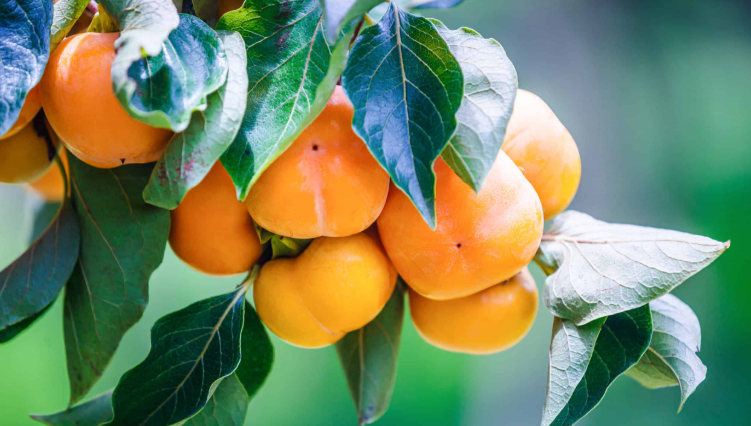
Persimmons are among the easiest fruits to recognize once you become familiar with their distinctive appearance. They typically have smooth, thin skin, a rounded or slightly elongated shape, and colors ranging from yellow-orange to deep reddish-orange. Many varieties also have a prominent leafy calyx at the top, which gives the fruit an especially recognizable appearance. Depending on the species, persimmons can be firm and crisp or extremely soft and jelly-like when ripe.
However, persimmons are not the only fruits that can have this combination of orange or reddish skin, rounded shapes, and smooth surfaces. Several tropical, subtropical, and temperate fruits can look surprisingly similar, particularly when they are photographed from a distance or displayed alongside one another. Some resemble persimmons because of their color, while others share their size, shape, or distinctive crown-like calyx.
There are also important differences between these look-alikes. Some have thin edible skins, while others have tough or inedible rinds. Some contain a single large seed, whereas others have several seeds or almost none. Their flavors can range from sweet and honey-like to tart, acidic, or mildly astringent. A few even belong to completely different plant families despite looking remarkably similar.
The following 18 fruits that look like persimmons include familiar supermarket fruits as well as less common tropical and subtropical species. The comparison focuses mainly on appearance, but each fruit also includes information about its color, shape, texture, flavor, and distinguishing characteristics so you can tell it apart from a true persimmon.
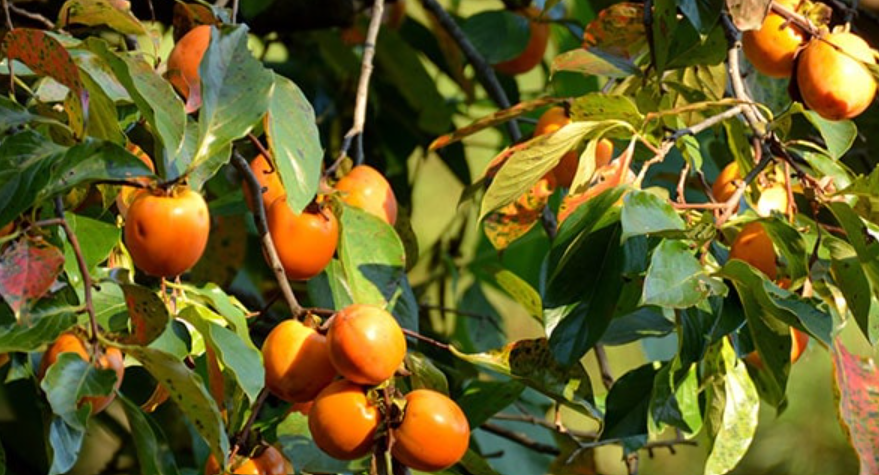
Fruits That Look Like Persimmons
1. Apricot
Apricots are among the fruits most likely to be confused with small persimmons because of their orange-yellow color and rounded shape. A ripe apricot usually has golden-orange skin that may develop a reddish blush on the side exposed to sunlight.
The main difference is size and texture. Apricots are usually smaller than many common persimmons, often measuring around 1.5–2.5 inches across. They also commonly have a noticeable seam running from the stem end down one side.
Apricots contain a single relatively large stone surrounded by juicy flesh. Their flavor is usually sweet, mildly tart, and distinctly aromatic.
Unlike persimmons, apricots belong to the genus Prunus, along with peaches, plums, cherries, and almonds.
2. Plum
Plums come in an enormous range of colors, including yellow, red, purple, green, and orange. Certain orange and reddish plum cultivars can look surprisingly similar to persimmons.
Like apricots, plums usually have a visible seam and contain one hard stone. Their skin is smooth and often slightly waxy.
Some orange-fleshed plum varieties have particularly strong visual similarities to persimmons when viewed from a distance. However, plums generally have a more pronounced groove and tend to be smaller.
Their juicy flesh can range from very sweet to distinctly tart depending on the cultivar and ripeness.
3. Loquat
Loquats are small orange fruits that can easily resemble miniature persimmons.
They generally have an oval, round, or pear-like shape and yellow-orange to orange skin. A cluster of loquats can look particularly similar to a collection of small persimmons.
The difference becomes obvious when the fruit is opened. Loquats typically contain several large, smooth brown seeds, while many persimmon varieties contain few or no seeds.
Loquats also have a somewhat tangy, citrus-like sweetness. They are commonly eaten fresh, but can also be used in jams, jellies, sauces, and desserts.
The loquat tree is an evergreen member of the rose family, making it botanically unrelated to persimmons.
4. Mamey Sapote
Mamey sapote can resemble a very large reddish-orange persimmon, particularly some of the more elongated persimmon varieties.
The fruit is generally oval or somewhat elongated and can reach several inches in length. Its skin develops brownish, reddish, or orange tones as it matures.
Inside, however, the difference is dramatic. Ripe mamey sapote has soft orange-red flesh with a creamy texture and a flavor often compared to sweet potato, pumpkin, almond, or caramel.
It usually contains one large, shiny brown seed.
Mamey sapote is a tropical fruit and therefore has very different growing requirements from temperate persimmons.
5. Tomato
Some tomatoes look remarkably similar to persimmons, especially large orange heirloom tomatoes.
Certain tomato varieties are round, slightly flattened, orange, and smooth-skinned. From a distance, they can easily be mistaken for an orange persimmon.
Tomatoes usually have a small green stem scar rather than the broad, leafy calyx found on persimmons. When cut open, they also contain numerous small seeds surrounded by juicy pulp.
Interestingly, some tomato cultivars have names that reference persimmons because of their color or shape.
Although tomatoes are botanically fruits, they belong to the nightshade family, Solanaceae.
6. Tamarillo
Tamarillo, also known as the tree tomato, can resemble an elongated persimmon.
Its fruits are usually egg-shaped, with smooth skin that may be red, orange, or yellow depending on the variety.
Orange and yellow tamarillos are particularly convincing persimmon look-alikes because of their color.
The fruit is generally smaller and more elongated than a typical persimmon. Inside, it contains numerous tiny seeds embedded in juicy flesh.
Tamarillo has a distinctly tangy flavor that is usually more acidic than persimmon.
7. Canistel
Canistel, commonly called eggfruit, is a tropical fruit that can have a striking resemblance to yellow-orange persimmons.
The fruit is usually oval or somewhat rounded, and its skin turns yellow-orange as it ripens.
Canistel is generally larger than many persimmons, but smaller specimens can look quite similar.
The biggest difference is the flesh. Ripe canistel has a dense, dry, creamy texture that has earned it the name eggfruit. Its flavor is sweet and custard-like.
Depending on the variety, the fruit may contain several large seeds.
8. Sapodilla
Sapodilla usually has brown skin rather than the bright orange color associated with persimmons, but ripe specimens can sometimes have reddish-brown or orange-brown tones.
The fruits are commonly oval or round and range from roughly 2–4 inches long.
Sapodilla has sweet, soft flesh with a flavor often described as a combination of pear, brown sugar, caramel, or malt.
Its skin is generally rougher than persimmon skin, providing one of the easiest ways to distinguish the two.
9. Rose Apple
Rose apples can sometimes resemble yellow or orange persimmons because of their smooth skin and rounded or slightly bell-shaped form.
The fruits can be yellow, cream, pink, or reddish depending on the species.
Unlike persimmons, rose apples tend to have a hollow or crisp interior with a texture more reminiscent of an apple.
Some species have a distinctive floral aroma, which explains the common name.
They belong to the myrtle family, Myrtaceae, and are unrelated to both persimmons and apples despite their common name.
10. African Star Apple
African star apple can resemble a small persimmon because of its round shape and smooth reddish, purple, or orange-brown skin.
The fruit is generally around 2–3 inches in diameter, depending on the variety.
When ripe, it contains soft, juicy pulp surrounding several seeds.
Its flavor is sweet and slightly acidic, and the fruit is popular in parts of tropical Africa.
The African star apple belongs to the Sapotaceae family, which includes several other tropical fruits such as sapodilla and canistel.
11. Kei Apple
Kei apple produces small yellow-orange fruits that can resemble miniature yellow persimmons.
The fruits are generally round and often measure around 1–2 inches across.
Their skin can become golden yellow as they ripen. The flesh is juicy and acidic, making the fruit particularly useful for jams, jellies, preserves, and beverages.
Kei apple is native to southern Africa and belongs to the willow family, Salicaceae.
Its strongly tart flavor is a major difference from the generally sweeter flavor of ripe persimmons.
12. Satsuma Mandarin
Satsuma mandarins can resemble small, flattened persimmons because of their bright orange color and relatively loose skin.
They are usually flattened or slightly oblate, while many persimmons are round or elongated.
The skin of a satsuma is also much easier to peel. Once opened, the segmented interior immediately distinguishes it from persimmon.
Satsumas are juicy, sweet, and usually seedless or nearly seedless depending on growing conditions and cultivar.
13. Kumquat
Kumquats are much smaller than persimmons, but their orange color and smooth skin make them recognizable as distant relatives in appearance.
Most kumquats are only around 1–2 inches long.
Unlike most citrus fruits, kumquats can be eaten whole, including their skin. The skin tends to be sweet while the interior is more acidic.
Their small size and elongated or oval shape distinguish them from typical persimmons.
14. Date Plum
The date plum (Diospyros lotus) is actually a close relative of the familiar persimmon and therefore one of the most convincing look-alikes.
It belongs to the same genus, Diospyros, and produces small round fruits that turn yellow, orange, or dark reddish-purple as they mature.
The fruits are generally much smaller than cultivated Japanese persimmons.
They have sweet flesh when fully ripe and have historically been eaten fresh or dried.
Because it is a true member of the persimmon genus, its similarities are not surprising.
15. Mabolo
Mabolo, also known as velvet apple, is another member of the genus Diospyros.
The fruit can be round or somewhat flattened and may develop reddish, brownish, or purplish skin.
Its most obvious difference is the fine velvety covering on the skin.
Mabolo is native to the Philippines and other parts of Southeast Asia. Its flesh can be soft and sweet, although the fruit has a distinctive aroma that some people find unusual.
Because it belongs to Diospyros, mabolo is much more closely related to persimmons than most fruits on this list.
16. Black Sapote
Black sapote is another member of the persimmon family, Ebenaceae, making it a botanical relative of persimmons.
Its immature fruits can be green and rounded, while ripe fruits develop darker coloration. The fruit can resemble certain persimmons in overall form.
When fully ripe, however, the flesh becomes dark brown to nearly black and has a soft, pudding-like consistency.
The flavor is relatively mild and sweet, and the fruit is often used in desserts and smoothies.
17. Rosehip
Rosehips are the fleshy fruits produced by rose plants. They are generally much smaller than persimmons, but some varieties produce rounded orange-red fruits that can look similar at first glance.
The fruits commonly measure less than 1 inch across, although size varies considerably.
Rosehips are often harvested for teas, syrups, jams, jellies, and other products.
Their orange-red color makes them especially noticeable in autumn, when many rose plants have finished flowering.
18. Surinam Cherry
Surinam cherry is a small tropical fruit that can range from orange to deep red or almost purple when ripe.
Its shape is distinctive because it has vertical ribs or lobes, giving it a miniature pumpkin-like appearance.
The fruits are usually only about 1 inch across, making them substantially smaller than most persimmons.
Their flavor varies considerably depending on the plant and ripeness, ranging from sweet to tart.
Surinam cherry is native to South America but is cultivated in many tropical and subtropical regions.
How to Tell Persimmons Apart From Similar Fruits
Although many fruits can resemble persimmons, several features can help distinguish them.
Look at the Calyx
The leafy structure attached to the top of a persimmon is one of its most useful identification features.
Persimmons commonly have a prominent four-lobed or leaf-like calyx surrounding the stem. Fruits such as apricots and plums usually have a much less prominent stem attachment.
Check the Fruit’s Shape
Persimmons can be round, flattened, or elongated depending on the species and cultivar.
Fuyu persimmons, for example, tend to be relatively squat and flattened, while Hachiya persimmons are more elongated.
Examine the Interior
Cutting the fruit open provides another useful clue.
Persimmons generally have smooth, soft flesh with relatively few large seeds, depending on the cultivar.
Apricots and plums have a single large stone, while loquats commonly contain several large seeds.
Citrus fruits, such as mandarins, contain clearly separated segments.
Consider the Skin
Persimmon skin is generally smooth and thin.
Mabolo has a velvety surface, sapodilla has rougher brown skin, and citrus fruits have a distinctly aromatic peel.
Color alone is therefore not enough for identification.
Compare the Flavor
Flavor can also provide a clue, although it should not be used as the only method of identifying an unfamiliar fruit.
A ripe persimmon can be exceptionally sweet, with some varieties having a honey-like flavor. Unripe astringent persimmons can instead produce a strong drying sensation in the mouth.
Apricots tend to be aromatic and tangy, plums are juicy and sweet-tart, loquats are mildly acidic, and black sapote has a soft, dessert-like flavor.
Why So Many Fruits Look Like Persimmons
The resemblance between these fruits is mostly the result of shared physical characteristics rather than close botanical relationships.
Round or oval fruits with orange, yellow, or red skin are common because these colors often become more prominent as fruits mature. A smooth surface and compact shape are also widespread among fleshy fruits.
Some of the closest relatives on this list, including date plum, mabolo, and black sapote, belong to the same genus or family as persimmons. Others, such as apricots and plums, belong to entirely different botanical groups but happen to share similar shapes and colors.
For identification, it is therefore better to examine several characteristics together—size, shape, skin, calyx, leaves, seeds, flesh, and growing habit—rather than relying on color alone.