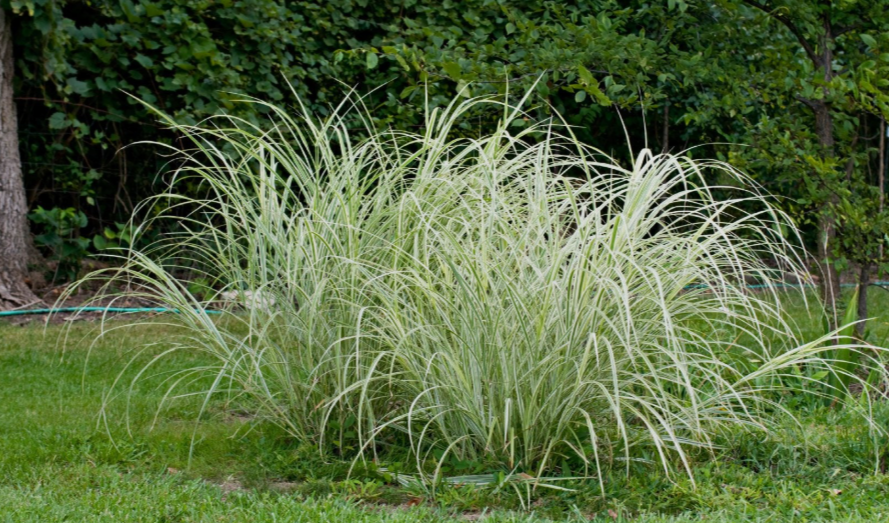
The Sedge Genus That Quietly Does Everything
Carex is one of the largest plant genera on Earth, a group of grass-like perennials called sedges that grow in nearly every habitat from mountaintops to coastal sand dunes. Most gardeners walk past them without a second look, which is a shame, because few plants offer so much for so little work. They can replace turf in shade, hold soil on a slope, feed butterfly caterpillars and ground-nesting birds, and ask for little more than a haircut once a year.
The genus is also a lesson in how much variety hides under a single name. It contains roughly 2,000 species, but the plants gardeners actually buy come from a short list of tough, well-tested performers. A four-year trial of 70 sedges at Mt. Cuba Center in Delaware showed how large the gap is between the best and the merely average, and how a few species do the work of whole lawns.
This guide covers the genus’s classification and history, how to recognize a sedge, and where Carex grows. It then looks at the species worth knowing, their value to wildlife, and the results of the Mt. Cuba trial. It closes with practical advice on using sedges as a lawn alternative and growing them well.
Botanical Classification
Carex belongs to the Cyperaceae family, the sedge family, and it’s the most species-rich genus within it. The Swedish botanist Carl Linnaeus established the genus in his 1753 work Species Plantarum, and an entire branch of botany called caricology is now devoted to studying it. Estimates of the number of species vary from about 1,100 to almost 2,000, with most modern sources citing around 2,000, which makes it one of the largest genera of flowering plants.
Whereas most large genera include a mix of growth forms, all Carex species are herbaceous perennials. Almost all are monoecious, meaning each plant carries separate male and female flowers, and a few are dioecious. The genus also shows the most dynamic chromosome evolution of any flowering plant, with chromosome numbers ranging from 6 to 66 in a single genus.
Sedges Have Edges
The best-known identification rule for sedges is a rhyme: sedges have edges, rushes are round, and grasses have nodes from their tips to the ground. The edges refer to the stems, which are triangular in cross section. If you roll a flowering stem between your fingers, you can feel its three sides, something no true grass or rush will give you.
Beyond the stem, Carex is easy to recognize by its flowers, which are held in spikes rather than the showy heads of most garden perennials. Foliage can be evergreen or deciduous, and the colors range from green to brown, rust, golden, blue, and variegated forms. Texas A&M AgriLife Extension notes that the family name Cyperaceae may remind you of a nuisance lawn weed that belongs to a different genus in the same family, so it’s worth confirming you have a true sedge before you plant or pull anything.
Native Range and Habitat
Carex occurs worldwide and in almost every ecosystem, with sedges found from mountaintops to shady wetlands to coastal sand dunes. About 500 species are native to North America, and Minnesota alone has close to 200. Oklahoma State University Extension notes that most species come from wet areas such as bogs, though others are relatively drought tolerant.
That range of habitats explains why gardeners can find a sedge for nearly every spot. Oklahoma State lists the genus as suited to full sun through full shade and dry to wet soils, with a hardiness range of zones 3 to 10. The challenge is matching the right species to your site, since not all sedges are interchangeable.
Species Worth Knowing
Pennsylvania sedge is the best-known native sedge, a low, fine-textured plant native to thickets and dry woodlands in eastern and central North America. NC State Extension describes it as an ideal turf alternative for dry shade that needs mowing only once or twice a season to maintain a 2-inch height. Heights listed by Wisconsin Extension for popular sedges show how much the genus varies, from Pennsylvania sedge at 8 inches and Wood’s sedge at 14 inches to morningstar sedge at 30 inches and palm sedge at 36 inches.
Other favorites fill different roles. Variegated Japanese types like Evergold, at about 12 inches, brighten a shady border, while Bowles’ golden sedge adds golden color, and New Zealand sedge at 24 inches brings bronze tones. Texas A&M lists two native sedges used as lawn substitutes for areas with infrequent traffic, both with fine-textured foliage and a height of about 12 inches.
Wildlife Value
Sedges feed a surprising range of animals. The seeds of native sedges are eaten by ducks, grouse, wild turkeys, sandpipers, and sparrows, among others. Carex species also serve as larval host plants for skipper butterflies, satyrs, and some moths, according to University of Minnesota Extension specialist Mary Hockenberry Meyer.
Most sedges are wind-pollinated, so they offer little nectar for pollinators, but they support wildlife in other ways. Mt. Cuba Center is working with the state of Delaware to expand habitat for the endangered bog turtle, and sedges are among the plants involved in that effort. Sedges also stabilize soil, which is why they appear in rain gardens, erosion control plantings, and restoration projects.
The Mt. Cuba Trial
Mt. Cuba Center in Hockessin, Delaware, ran a four-year trial of 70 types of Carex, including 65 species and 5 cultivars native to the Mid-Atlantic region. Manager of horticultural research Sam Hoadley ranked each one on vigor and foliage quality in both sun and shade. Wood’s sedge came out on top, followed by Cherokee sedge, common brome sedge, Hayden’s sedge, and upright sedge among the top 16.
The conditions make the results more useful to home gardeners. The trial garden had a clay loam soil with a pH of about 6.5, and the team gave no supplemental water after the first year, no fertilizer, and minimal care. In the final year the plants were mowed every 2 weeks to test lawn potential, and most species tolerated it. Wood’s sedge was the top mowable sedge, and fine-textured rhizomatous species like Pennsylvania sedge also looked the part of a turf lawn.
More Sedges to Try
Wood’s sedge, the trial’s top performer, produces small yellow-green spring flowers that quickly fade as a flush of threadlike leaves takes over. Mt. Cuba describes it as a carpet of straw-colored flowers from April to May that gives way to dense foliage. Greenhouse Grower reports that it’s not yet widely available in the commercial market, so gardeners may need to ask specialty native plant nurseries.
Gray’s sedge, also called morningstar or mace sedge, has strappy leaves about half an inch wide and is easy to recognize. The Delaware Nature Society says it grows well in normal to wet garden soils. Plantain-leaf sedge, nicknamed seersucker sedge for its wide, pleated leaves, stays under a foot tall and stands out for its wide, pleated leaves.
Spreading sedge grows 6 to 12 inches tall and is a clump-forming species that can still spread by rhizomes. The Mt. Cuba trial also named Oehme palm sedge and the Straw Hat form of Pennsylvania sedge among its top 16 performers. Choosing among them comes down to site and purpose, since a tidy edging plant and a thick groundcover are two very different jobs.
Choosing the Right Sedge for Your Site
The Mt. Cuba trial’s top performers all thrived in average soil, neither too moist nor too dry, which makes them a safe starting point for most gardens. For dry shade, Maine Audubon points to Pennsylvania sedge and white-tinged sedge as top performers and woodland groundcovers, both native to Maine. Maine Audubon also named Carex its plant genus of the year for 2025, a sign of how quickly gardeners are discovering these plants.
Maine Audubon stresses that not all sedges are interchangeable, and that regional species adapted to your site conditions perform best. A sedge that thrives in a Delaware clay loam may sulk in sand or in a boggy corner. Reading the plant label for light, moisture, and hardiness, and checking a local extension or native plant society for recommended species, saves money and disappointment.
Sedges in the Garden Design
Oklahoma State University Extension lists several ways to use sedges, including planting them in groups or masses, as a lawn substitute, in naturalized areas, in perennial borders, and for habitat restoration. They’re particularly valued in shady areas, where the variegated varieties really shine. Foliage colors that range from green to golden, blue, and variegated give designers a lot to work with.
Mixing sedges with grasses and perennials adds texture as well as differences in height. Mass plantings of a single sedge create a calm, even groundcover that suppresses weeds, while a few clumps of a taller type like morningstar or palm sedge can anchor a border. Because most need only a late-winter cutback, they suit gardeners who want structure without constant upkeep.
Using Sedges as a Lawn Alternative
Sedge lawns work best in shade, where turfgrass struggles. Pennsylvania sedge and Wood’s sedge spread to form a dense mat, and Mt. Cuba found Wood’s sedge forms a denser mat of foliage than most, which makes it better at suppressing weeds. White-tinged sedge performed well as an alternative to common brome sedge in drier soil.
A sedge lawn needs far less mowing than grass, typically once or twice a season. Expect it to look best under light foot traffic. Texas A&M recommends native sedges as lawn substitutes only for areas with infrequent traffic, so a path or a play area still needs a tougher surface.
Growing Carex
Most Carex species are cool-season plants that grow most actively in spring and fall. They need little maintenance, and most require nothing more than a late-winter cutback to remove old foliage before new growth appears. Fine Gardening notes that sedges contribute ecosystem services by stabilizing soil and feeding and sheltering wildlife while asking for very little in return.
Site matters more than care. Moisture-loving species like upright sedge suit average soil, rain gardens, and the edges of water features, while Gray’s sedge does well in normal to wet soils. Drier shade calls for Pennsylvania sedge or white-tinged sedge, and some species are deer and rabbit resistant and tolerate clay or even dunes.
The Bottom Line
Carex deserves more attention than it gets. A genus of about 2,000 species gives gardeners sedges for sun and shade, wet and dry, lawns and borders, and with real data behind the best choices from a 70-plant trial. Pick species suited to your site, plant them in groups, and cut them back once a year, and you’ll have one of the lowest-maintenance and most useful plants in the garden.