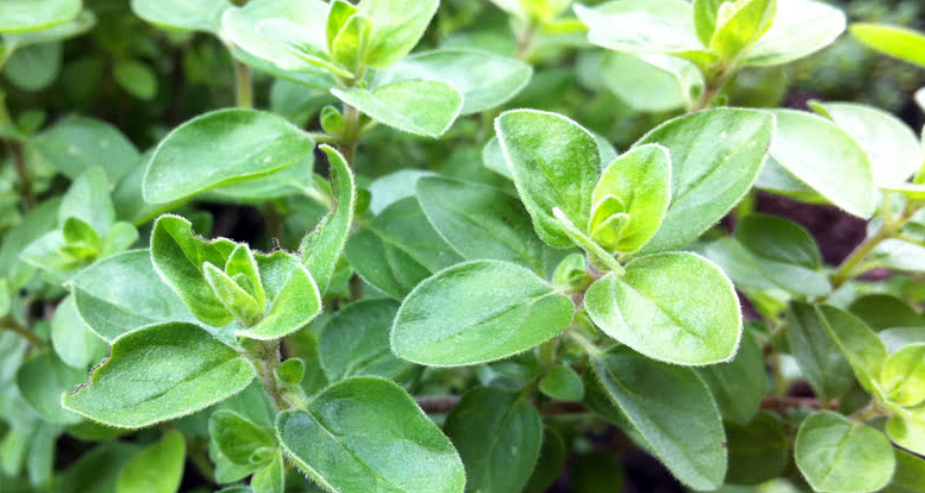
Oregano is the common name for plants in the genus Origanum, a group of aromatic perennial herbs and subshrubs in the mint family native almost entirely to the Mediterranean region and western Asia. Depending on which taxonomic study is consulted, the genus contains somewhere between 38 and 45 recognized species, along with several subspecies, botanical varieties, and naturally occurring hybrids, and people have cultivated Origanum species in Egypt for more than 3,000 years.
Commercially, though, “oregano” turns out to be a considerably looser category than the genus name suggests. According to a review published via ScienceDirect, the commercially valuable spice sold worldwide as oregano actually comes from more than 60 different plant species across multiple families, not just the roughly 40 true Origanum species. As herb historian James A. Duke has put it, “it’s best to think of oregano as a flavor rather than a genus or species,” a view echoed by horticulturists who note that several completely unrelated plants are regularly sold and used as oregano substitutes around the world.
Of the true Origanum species, only 4, Origanum vulgare, Origanum onites, Origanum majorana, and Origanum dictamnus, are formally classified as Generally Recognized as Safe, or GRAS, for food use in the United States. Researchers have also identified 4 major economically important oregano groups based on regional use: Greek oregano, Turkish oregano, Spanish oregano, and Mexican oregano, though only 2 of those 4, Greek and Turkish, actually belong to the true Origanum genus at all.
Given how much genuine confusion surrounds the word “oregano,” this list covers 24 types split into 2 categories: true Origanum species, subspecies, hybrids, and cultivars, and the botanically unrelated plants from entirely different genera that are nonetheless sold, used, and known as “oregano” around the world.
True Oregano (Genus Origanum)
Common Oregano
Common oregano, Origanum vulgare subsp. vulgare, is the wild form found from southern England across Europe to Greece and Turkey, and it’s the plant referenced in ancient Greek medicine and Roman culinary writing. Its square, woody-based stems and fine grayish hairs covering the foliage are characteristic of the species as a whole.
It thrives in full sun and well-drained, often rocky or alkaline soil, tolerating poor ground better than richer, more cultivated conditions. Its genuinely mild flavor compared to its cultivated subspecies relatives means it’s often grown more for ornamental and pollinator value than for serious culinary use.
Greek Oregano
Greek oregano, Origanum vulgare subsp. hirtum, carries the classic pungent, hot, spicy oregano flavor most cooks associate with the name, thanks to a notably high concentration of the aromatic compound carvacrol. It’s considered the gold standard for culinary oregano in both Greek and broader Mediterranean cooking.
It thrives in full sun and lean, well-drained, often rocky soil, genuinely preferring the kind of poor ground that would stress many other culinary herbs. Its intense flavor concentration has made it the benchmark variety against which most other cooking oreganos are compared.
Italian Oregano
Italian oregano, properly Origanum x majoricum, is a naturally occurring hybrid between common oregano and sweet marjoram, genuinely distinct from oregano simply grown in Italy or sold under an Italian-sounding label. Its flavor splits the difference between its 2 parent plants, offering marjoram’s sweetness alongside real oreganic spice.
It thrives in full sun and well-drained soil, and it can be used in most recipes calling for either marjoram or oregano given its intermediate flavor profile. Its genuine hybrid status is worth knowing, since “Italian oregano” sold commercially is just as often simply Greek oregano grown in Italy rather than this specific hybrid.
Also Read: Plants That Look Like Oregano
Russian Oregano
Russian oregano, Origanum vulgare subsp. gracile, is a subspecies with a notably milder flavor than Greek oregano, carrying little to none of the pungent carvacrol concentration that defines true culinary oregano. Its milder character makes it less suited to serious cooking than its Greek relative.
It thrives in full sun and well-drained soil, tolerating cooler conditions consistent with its more northern native range. Its subdued flavor has kept it more of an ornamental and botanical curiosity than a genuine kitchen staple.
Algerian Oregano
Algerian oregano, Origanum glandulosum, is a North African species native specifically to Algeria, considerably less documented in Western horticultural literature than its better-known Mediterranean relatives. Its regional specificity reflects the genuine geographic diversity found across the wider Origanum genus.
It thrives in the dry, rocky conditions typical of its native North African range. Its relative obscurity outside North Africa is a function of limited introduction to cultivation elsewhere rather than any lack of genuine botanical distinctiveness.
Turkish Oregano
Turkish oregano, Origanum onites, also called rigani, is a distinct species native to Turkey, Greece, and Sicily, and it ranks among the handful of Origanum species formally recognized as GRAS for food use. Its flavor is robust and genuinely distinct from Greek oregano despite frequent confusion between the two in casual use.
It thrives in full sun and lean, well-drained soil, reflecting the same rocky Mediterranean conditions Greek oregano favors. Its considerable economic importance has earned it recognition as one of the genus’s 4 major commercially significant oregano types.
Syrian Oregano
Syrian oregano, Origanum syriacum, is the Origanum species most closely associated with za’atar, the iconic Levantine spice blend, and it’s native to an eastern Mediterranean range extending from the Levant into parts of the Arabian Peninsula. Its considerable culinary and cultural importance across Middle Eastern cooking sets it apart from the more Western European associations most other oreganos carry.
It thrives in full sun and dry, rocky, alkaline soil, reflecting genuine adaptation to its hot, arid native range. Its deep cultural significance in the region has kept it an essential component of traditional Levantine cooking for generations.
Sweet Marjoram
Sweet marjoram, Origanum majorana, is technically a separate culinary herb from oregano proper, though it belongs to the very same genus and is frequently discussed alongside true oreganos given how often the 2 names have been historically confused. Its flavor is notably sweeter and more delicate than any true oregano, with little of the sharp, spicy bite carvacrol provides.
It thrives in full sun and well-drained soil, though it’s genuinely less cold-hardy than most true oregano species and is often grown as an annual outside warm climates. Its narrow native range, confined to Cyprus and adjacent parts of southwestern Asia, contrasts with the much broader Mediterranean distribution of true oregano species.
Dittany of Crete
Dittany of Crete, Origanum dictamnus, is a protected, endemic species found only on steep, south-facing gorges in central Crete, its thick, woolly, silver-gray leaves giving it a genuinely distinctive appearance among Origanum species. It’s also known as hop marjoram, a reference to its pink, hop-like flower bracts.
It thrives in full sun and extremely well-drained, rocky soil, reflecting its genuine adaptation to the harsh, dry cliff habitat it occupies in the wild. Its protected status and striking appearance have made it a specialty item among dedicated herb and alpine plant collectors rather than a common kitchen crop.
Showy Marjoram
Showy marjoram, Origanum amanum, is grown primarily for its ornamental value, producing notably large, tubular pink flowers considerably showier than the modest blooms typical of most culinary oregano species. Its visual appeal has made it a favorite for a rock garden or container planting valued more for looks than flavor.
It thrives in full sun and sharply drained soil, tolerating the lean conditions typical of its native Turkish mountain habitat. Its ornamental emphasis sets it apart clearly from the culinary focus of Greek, Turkish, and Syrian oregano.
Spartan Oregano
Spartan oregano, Origanum minutiflorum, is native to Turkey and remains one of the lesser-known culinary Origanum species, carrying genuine aromatic qualities despite limited recognition outside specialist circles. Its restricted native range and modest commercial profile have kept it largely absent from mainstream spice markets.
It thrives in full sun and well-drained, rocky soil consistent with its native Turkish mountain habitat. Its relative obscurity reflects limited cultivation outside its home range rather than any lack of genuine culinary potential.
Hybrid Showy Marjoram
Hybrid showy marjoram, Origanum x hybridinum, is a naturally occurring hybrid grown primarily for ornamental purposes, combining traits from its parent species into a plant valued more for garden display than kitchen use. Its hybrid origin places it alongside Italian oregano as one of several Origanum crosses with genuine horticultural significance.
It thrives in full sun and well-drained soil, performing much like its showier ornamental Origanum relatives. Its decorative value has made it a favorite among gardeners specifically building a collection of ornamental Origanum species.
Golden Oregano
Golden oregano, a cultivar of common oregano sold as Origanum vulgare ‘Aureum,’ is grown specifically for its bright, golden-yellow foliage rather than for any particularly superior culinary flavor. Its vivid leaf color has made it a popular choice for adding visual contrast to an herb garden or mixed border.
It thrives in full sun, which brings out its golden color most vividly, though it can scorch in the most intense summer heat without some afternoon relief. Its ornamental foliage color, more than its flavor, is the reason most gardeners choose this particular cultivar.
Compact Oregano
Compact oregano, Origanum compactum, is native to Morocco and carries a notably high concentration of aromatic compounds, making it of real interest for essential oil production despite being less widely known as a fresh culinary herb. Its considerable aromatic intensity reflects its North African Mediterranean origin.
It thrives in full sun and dry, rocky soil typical of its native Moroccan range. Its concentrated essential oil content has made it more commercially significant in aromatherapy and extract production than as a fresh cooking herb.
Pilgrim Oregano
Pilgrim oregano, Origanum laevigatum ‘Pilgrim,’ is a cultivar grown primarily for its attractive purple-pink flowers rather than culinary use, making it a popular ornamental choice for a perennial border. Its considerable bloom display sets it apart from the more modest flowers typical of culinary-focused oregano varieties.
It thrives in full sun and well-drained soil, tolerating poor ground reasonably well once established. Its ornamental flower display has made it a favorite among gardeners building a pollinator-friendly perennial bed.
Rotundifolium Oregano
Rotundifolium oregano, Origanum rotundifolium, is valued for its showy, rounded, greenish-white to pinkish bracts surrounding the actual flowers, a decorative feature considerably more prominent than the bracts of most other Origanum species. Its distinctive bract display has made it popular specifically among collectors of ornamental hardy perennials.
It thrives in full sun and sharply drained soil, reflecting its native mountainous habitat. Its ornamental bracts, rather than any notable culinary use, are the primary reason this species is cultivated at all.
Ehrenberg’s Oregano
Ehrenberg’s oregano, Origanum ehrenbergii, is a lesser-known wild Origanum species native to the eastern Mediterranean, documented primarily in botanical literature rather than widely available in general cultivation. Its relative obscurity is typical of several of the genus’s less economically significant wild species.
It’s adapted to the specific dry, rocky conditions of its native eastern Mediterranean range. Its limited presence in cultivation reflects how much genuine diversity exists within Origanum beyond the handful of species that dominate the spice trade and garden centers.
Acutidens Oregano
Acutidens oregano, Origanum acutidens, is a wild species native to Turkey, documented primarily within regional botanical surveys rather than widely available through general nurseries or seed catalogs. Its native Turkish range places it among the considerable number of Origanum species concentrated in that country specifically, which hosts more Origanum diversity than almost anywhere else in the genus’s range.
It’s adapted to the dry, rocky mountain conditions typical of its native Turkish habitat. Its limited presence outside specialist botanical collections reflects how much of the genus’s genuine diversity remains outside mainstream cultivation.
Floribundum Oregano
Floribundum oregano, Origanum floribundum, is another wild Mediterranean species within the genus, its species name referencing its notably free-flowering habit compared to some of its more restrained relatives. Its profuse flowering has drawn some interest from growers specifically seeking an ornamental Origanum with a particularly showy bloom display.
It thrives in full sun and well-drained, rocky soil consistent with the broader genus’s Mediterranean adaptations. Its relative obscurity outside specialist circles is typical of many of the lesser-known wild species that make up the bulk of Origanum’s genuine diversity.
Isthmicum Oregano
Isthmicum oregano, Origanum isthmicum, is a narrowly distributed wild species, its name referencing a specific geographic isthmus within its limited native range. Its restricted distribution places it among the more genuinely rare species within a genus that already includes numerous narrowly endemic members.
It’s adapted to the specific dry, rocky conditions of its narrow native range. Its rarity and limited documentation make it more of a botanical curiosity for researchers studying Origanum’s full diversity than a plant most gardeners will ever encounter.
Plants Sold as Oregano But Not True Origanum
Mexican Oregano (Lippia)
Mexican oregano most commonly refers to Lippia graveolens, a shrub native to Mexico and Central America that belongs to the verbena family, Verbenaceae, an entirely different plant family from true oregano’s mint family. Despite that considerable botanical distance, its flavor carries genuine similarities to true oregano, which is exactly why it earned the name in the first place.
It thrives in full sun and well-drained soil in a warm climate, tolerating considerably more heat and drought than most true Origanum species. Its widespread use throughout Mexican and Tex-Mex cooking makes it a genuinely important culinary herb in its own right, regardless of its unrelated botanical origin.
Mexican Oregano (Poliomintha)
A second plant also marketed as Mexican oregano, Poliomintha longiflora, does at least belong to the same mint family as true oregano, Lamiaceae, even though it sits in a completely different genus. Its tubular purple-pink flowers are notably showier than true oregano’s modest blooms.
It thrives in full sun and well-drained soil in a warm climate, similar to its unrelated Lippia counterpart sharing the same common name. Having 2 genuinely different plants both called “Mexican oregano” is one of the clearer examples of just how loosely the common name gets applied across the broader oregano trade.
Cuban Oregano
Cuban oregano, Plectranthus amboinicus, belongs to the mint family but sits in a genus entirely separate from true Origanum, and its thick, fuzzy, succulent-like leaves look nothing like the thin, wiry foliage of true oregano species. Its considerably different appearance hasn’t stopped it from carrying a genuinely oregano-like aroma and flavor.
It thrives in full sun to partial shade and well-drained soil, tolerating considerably more heat, humidity, and drought than true Mediterranean oregano species typically handle. Its succulent, tropical-adapted foliage reflects a native range and growing habit entirely different from the dry, rocky Mediterranean hillsides true oregano calls home.
Spanish Oregano
Spanish oregano most often refers to Coridothymus capitatus, sometimes classified instead as Thymus capitatus, placing it within the thyme genus rather than Origanum despite the shared common name. Its flavor and aroma are genuinely close enough to true oregano to justify the name in regional culinary and commercial use.
It thrives in full sun and dry, rocky Mediterranean soil, reflecting a native habitat genuinely similar to true oregano’s preferred conditions despite the lack of any close botanical relationship. Its economic importance as one of the genus’s 4 major recognized oregano groups reflects real regional culinary significance rather than strict taxonomic accuracy.
Key Takeaways
- Oregano is a common name used for several aromatic herbs belonging to different species and genera, so not every plant called oregano is true oregano.
- Greek oregano (Origanum vulgare subsp. hirtum) is one of the most popular culinary types, valued for its strong, peppery flavor and aromatic leaves.
- Common oregano (Origanum vulgare) is a hardy perennial herb with small leaves and clusters of flowers that can range from pink to purple.
- Italian oregano is often associated with forms or hybrids of Origanum that combine oregano’s flavor with characteristics of sweet marjoram.
- Mexican oregano (Lippia graveolens) is botanically different from Mediterranean oregano but is widely used as a culinary herb, particularly in Mexican and Latin American cooking.
- Cuban oregano (Coleus amboinicus) is also unrelated to true Mediterranean oregano and has thick, fleshy, strongly aromatic leaves.
- Oregano types can differ considerably in leaf shape, plant size, flower color, aroma, flavor, growth habit, and cold tolerance.
- Most Mediterranean oregano varieties grow best in full sun and well-drained soil, while some tropical types prefer warmer conditions.
- Oregano can be grown for culinary use, herbal gardens, containers, borders, and ornamental value, depending on the variety.
- When choosing an oregano plant, consider its botanical identity, flavor profile, climate requirements, growth habit, and intended use rather than relying only on the common name.