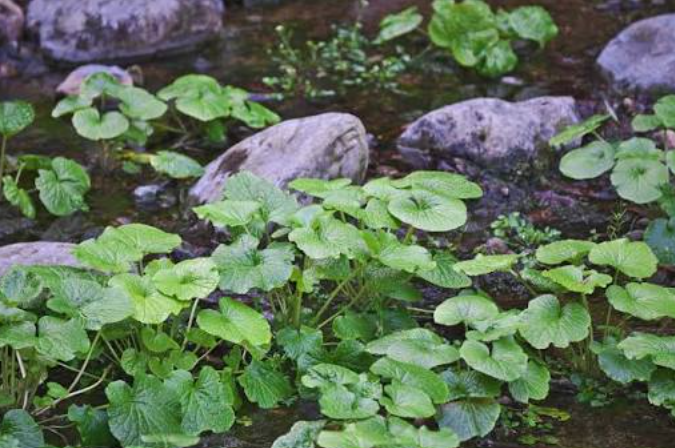
Wasabi has a genuine reputation as one of the hardest commercial crops to grow successfully, and that reputation holds up even for a home gardener working on a much smaller scale. Its native habitat, cold, shaded mountain streams in Japan, is about as far from an average backyard as a growing condition gets, so success comes down to how closely you can recreate that specific environment rather than how much general gardening experience you already have.
This guide covers everything involved in actually growing and caring for a wasabi plant: light, water, soil, temperature, planting, feeding, pests and diseases, and harvesting, along with a few realistic expectations worth setting before you start.
Choosing a Planting Method
You can start wasabi from seed or from a rhizome division taken from an established plant, and the two paths differ considerably. Seeds should be soaked overnight in distilled water to soften their tough outer coating before sowing, which meaningfully speeds up germination, but seed-grown plants take longer to establish and can be less predictable than starting from a division.
Rhizome divisions, cut from a mature plant with at least one healthy growing point attached, tend to establish more quickly and reliably. If you’re buying a starter plant rather than seed, look for one with vigorous, undamaged leaves and a firm, healthy-looking root system before committing it to its permanent spot.
Light Requirements
Wasabi wants shade, and a genuinely significant amount of it. Aim for 50 to 70 percent shade cover, whether that comes from shade cloth, a greenhouse kept in deep shade, or natural placement beneath the canopy of a large deciduous tree.
Direct, unfiltered sunlight is a fast way to stress or outright kill a wasabi plant, especially during the hottest part of the day. If you’re growing it outdoors without a tree canopy already available, shade cloth rated for that 50 to 70 percent range, installed before you ever plant, is worth setting up first rather than improvising after the plant starts to struggle.
Watering
Consistent moisture isn’t optional for wasabi, it’s close to the entire point. In its native habitat the plant grows directly alongside, and sometimes partly within, a constantly moving stream of cold water, and your watering routine should aim to approximate that as closely as your setup allows.
If you have the means to set up a shallow channel with a slow, steady trickle of water, that’s the closest you can get to wasabi’s ideal growing condition outside Japan. Short of that, water generously and frequently enough that the soil never fully dries out, while still avoiding the kind of stagnant, standing water that encourages root rot rather than healthy growth. A container with excellent drainage, watered on a reliably frequent schedule, is a realistic middle ground for most home growers.
Soil Requirements
Wasabi needs soil that manages a genuinely tricky balance: rich in organic matter, loose and well-draining, yet still able to hold onto moisture consistently rather than drying out between waterings. A loose, crumbly, organically rich mix, improved with coarse sand if you need better drainage, is a reasonable starting point.
Soil pH can range from acidic to neutral to mildly alkaline without causing major problems, so pH is generally a lower priority than drainage and moisture retention. Avoid heavy, dense clay on its own, since it holds water in a way that encourages rot rather than the free-draining, consistently moist conditions wasabi actually needs.
Temperature and Humidity
Keep wasabi within a fairly narrow temperature band, roughly 46 to 70 degrees Fahrenheit, for the healthiest growth. Above about 80 degrees, the plant goes into genuine heat stress, so a hot summer location without adequate cooling, shade, or airflow is one of the more common ways a home-grown wasabi plant fails.
High humidity is just as important as temperature control, again reflecting the plant’s native streamside habitat. If you’re growing wasabi somewhere with hot, dry summers, a shaded spot near a water feature, a misting setup, or a greenhouse with good humidity control will all help close the gap between your climate and the cool, damp mountain valleys wasabi evolved in.
Feeding
Wasabi isn’t a particularly heavy feeder, but consistent, modest fertilization supports the slow, steady growth the plant needs over its long maturation period. A balanced, diluted liquid fertilizer applied during the active growing season is generally sufficient.
Avoid heavy-handed feeding, since wasabi’s native growing conditions are naturally nutrient-modest rather than rich, and over-fertilizing is more likely to stress the plant or encourage excess leaf growth at the expense of rhizome development than to meaningfully speed things along.
Pests and Diseases
Wasabi is genuinely susceptible to a fairly long list of problems, including aphids, caterpillars, leaf spot, root rot, rhizome rot, and petiole blight. Consistent monitoring throughout the plant’s extended growing period matters more here than with most other garden plants, simply because by the time a problem becomes visually obvious, it may already have affected the rhizome you’ve spent well over a year waiting on.
Good airflow, careful watering that avoids waterlogged, stagnant soil, and prompt removal of any visibly damaged or diseased foliage all help reduce disease pressure. For aphids and caterpillars, regular visual inspection and early intervention, whether that’s hand removal, an insecticidal soap, or another appropriately mild treatment, is far easier than trying to recover a plant from a heavy infestation later on.
Harvesting
Patience is the single biggest requirement for a wasabi harvest. The rhizome typically needs somewhere around 18 months to 2 or more years of consistent care before it reaches a usable size, a considerably longer timeline than almost any other plant you’re likely to be growing in the same garden.
Once ready, the rhizome is harvested by carefully digging it up, and fresh wasabi is traditionally grated just before serving on a specialized sharkskin grater called an oroshigane, since its distinctive heat and aroma fade quickly once the rhizome is exposed to air. If you’ve grown multiple plants, you can harvest in succession rather than all at once, which gives you fresher rhizome over a longer stretch of time instead of a single large harvest you’d need to use quickly.
Setting Realistic Expectations
Growing wasabi at home is a genuinely interesting long-term project, but it’s worth going in with realistic expectations about the payoff. One detailed grower’s cost breakdown found that a starter plant costing around 13 dollars, combined with roughly 18 months of careful, consistent attention, ultimately produced only about a quarter pound of rhizome, worth somewhere between 25 and 40 dollars at typical retail prices for that quantity.
Treat home-grown wasabi as a hobby with a genuinely satisfying edible result at the end, rather than as a practical way to save money compared to buying it when it’s available. Given how demanding the plant’s requirements are, even a partially successful harvest after faithfully managing shade, water, temperature, and pests for well over a year is a genuine accomplishment worth being proud of.
Key Takeaways
- Wasabi grows best in cool, consistently moist conditions and can struggle in hot, dry weather.
- Choose a location with bright, indirect light or partial shade, especially in warmer climates.
- Plant wasabi in rich, well-drained soil that remains evenly moist without becoming stagnant.
- Consistent moisture is essential, but the roots should not remain in poorly drained, stagnant soil.
- Wasabi prefers cool temperatures and generally performs better when protected from extreme heat and intense afternoon sunlight.
- Feed plants with a balanced fertilizer during active growth, following the product’s recommended application rate.
- Keep the planting area free of competing weeds and remove damaged or declining leaves to maintain healthy growth.
- Wasabi is slow-growing, so patience is important; mature rhizomes can take a significant amount of time to develop.
- Good air circulation and proper watering can help reduce problems associated with excessive moisture and fungal diseases.
- Harvesting should be done carefully once the rhizomes have reached a suitable size, allowing the plant to remain healthy if continued growth is desired.