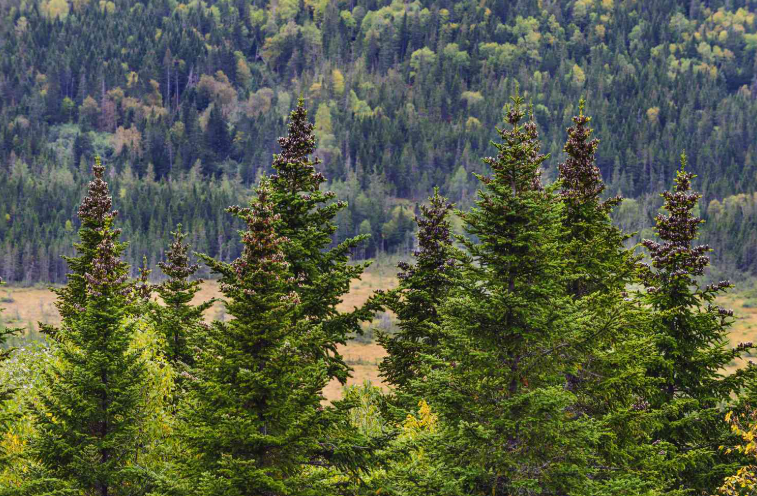
Fir trees belong to the genus Abies, a group of evergreen conifers in the pine family recognized by their needle-like leaves that grow directly from the branch and leave a distinctive round, suction-cup-shaped scar once they fall. The genus contains somewhere between 40 and 56 recognized species depending on the source, with most modern counts settling around 48 to 50, and Abies itself takes its name from the classical Latin word for the European silver fir.
According to Kids Britannica, North America is home to 10 native fir species, found chiefly from the Rocky Mountains westward and reaching their most impressive size in the Sierra Nevada and Cascade ranges, where several species grow as tall as 200 feet. Only 2 fir species occur naturally in the eastern United States and Canada, and the best known of those, balsam fir, remains one of the most popular Christmas tree species in North America.
Fir wood has notably poor natural resistance to decay and insect attack, according to the Wood Database, which is why it’s typically reserved for interior construction and is usually mixed with spruce and pine lumber of similar mechanical properties rather than used on its own for exterior applications. Despite that structural limitation, fir remains commercially important both as timber and, especially, as an ornamental and Christmas tree species, and premium varieties like noble fir and Nordmann fir command noticeably higher prices in the Christmas tree market than more common species like balsam or Fraser fir.
One especially common point of confusion is worth clearing up directly: Douglas-fir is not a true fir at all, despite its name. It belongs to an entirely separate genus, Pseudotsuga, and is actually more closely related to larch than to any of the 40 species covered below.
What follows covers 40 true types of fir trees, organized by native region: North America, Mexico and Central America, Europe and the Mediterranean, and Asia.

North American Fir Trees
Balsam Fir
Balsam fir is native to eastern North America and Canada, one of only 2 true fir species found in that region, and it’s among the most popular Christmas tree species grown in North America thanks to its strong fragrance and attractive shape. Its resin, known as Canada balsam, has historically been used to mount specimens on glass slides for microscopic examination.
It thrives in cool, moist conditions and typically grows 40 to 60 feet tall. Its considerable aromatic quality has made it a longtime favorite for wreaths and other decorative greenery beyond its use as a cut Christmas tree.
Fraser Fir
Fraser fir is native to the Appalachian Mountains of the southeastern United States, closely related to balsam fir and similarly prized as a Christmas tree for its pleasant scent and excellent needle retention after cutting. It typically grows 30 to 50 feet tall in the wild.
It thrives in cool, high-elevation mountain conditions, tolerating the harsher climate typical of its limited native Appalachian range. Its considerable popularity as a cut Christmas tree has made it one of the most commercially significant fir species in the eastern United States.
Grand Fir
Grand fir is native to the Pacific Northwest and northern Rockies, capable of growing to an impressive size and recognized by its glossy, dark green needles arranged in a distinctive flat spray along the branch. Its considerable height potential places it among the larger fir species found in North America.
It thrives in moist, well-drained soil and cooler climates typical of its native range. Its strong, pleasant fragrance and attractive foliage have made it an increasingly popular Christmas tree choice in the Pacific Northwest.
Pacific Silver Fir
Pacific silver fir is native to the coastal mountains of the Pacific Northwest, its needles displaying a notably silvery underside that gives the species its common name. It’s one of the taller fir species found in North America, capable of reaching considerable heights in favorable coastal mountain conditions.
It thrives in cool, consistently moist conditions typical of its native coastal mountain habitat. Its silvery foliage and dense, pyramidal form have made it a valued ornamental in regions with a climate similar to its native range.
Subalpine Fir
Subalpine fir, also called Rocky Mountain fir, is native to high-elevation sites across western North America, its narrow, spire-like crown reflecting genuine adaptation to heavy mountain snow load. It typically grows 50 to 66 feet tall in its native high-mountain habitat.
It tolerates harsh alpine conditions, cold temperatures, and short growing seasons better than most other fir species. Its considerable cold hardiness has made it a valued choice for landscaping in a genuinely cold mountain or northern climate.
California Red Fir
California red fir is native to the mountains of California and southern Oregon, its distinctive reddish-brown bark on mature trees giving the species its common name. It’s among the larger western fir species, capable of growing as tall as 200 feet under favorable conditions.
It thrives at higher elevations with cool temperatures and significant winter snowfall. Its impressive mature size and attractive bark have made it a genuine specimen tree wherever it’s cultivated outside its native mountain range.
White Fir
White fir is native to the mountains of the western United States and northern Mexico, its blue-green to silvery foliage and strong resistance to heat and drought making it one of the more adaptable fir species available for cultivation. Its considerable tolerance for a range of soil conditions has broadened its use well beyond its native mountain habitat.
It thrives in full sun and well-drained soil, tolerating drier conditions better than many other fir species. Its attractive color and adaptability have made it a popular ornamental and Christmas tree choice across a considerable range of climates.
Noble Fir
Noble fir is native to the Pacific Northwest, widely considered the king of Christmas trees in that region thanks to its sturdy branches, excellent needle retention, and distinctive blue-green, hockey-stick-shaped needles. It commands a genuine price premium over more common Christmas tree species specifically for those qualities.
It thrives in cool, moist mountain conditions typical of its native Pacific Northwest range. Its considerable popularity and premium market position have made it one of the most commercially significant Christmas tree species grown in the United States today.
Bristlecone Fir
Bristlecone fir, also called Santa Lucia fir, is native to a small area of California’s Santa Lucia Mountains and is considered the rarest fir tree in North America. Its distinctive, sharply pointed cone bracts set it apart visually from every other fir species on this list.
It’s adapted to the specific, limited mountain habitat of its native range and remains uncommon in cultivation given its rarity in the wild. Its considerable rarity has made it a genuine specialty item among dedicated conifer collectors.
Sacred Fir
Sacred fir is technically native to Mexico and Central America but is included here alongside its northern relatives given its considerable cultural significance across the region, historically used in religious ceremonies and still commonly grown as a Christmas tree throughout Mexico today. Its aromatic foliage and pyramidal form closely resemble those of its northern fir relatives.
It thrives in the cooler mountain conditions typical of its native highland range. Its deep cultural and religious significance in Mexico sets it apart from most other fir species, whose importance is more purely ornamental or commercial.
Fir Trees of Mexico and Central America
Durango Fir
Durango fir is native to the mountains of northern and central Mexico, one of several fir species found in that country’s considerable mountainous terrain. Its native range reflects the genuinely significant diversity of fir species found across Mexico and Central America as a whole.
It thrives in the cooler, higher-elevation conditions typical of Mexico’s mountain ranges. Its relative obscurity outside Mexico reflects limited introduction to cultivation elsewhere rather than any lack of botanical interest in the species.
Guatemalan Fir
Guatemalan fir is native to the mountains of Guatemala and neighboring parts of Central America, and it’s listed as an endangered species by the IUCN Red List of Threatened Species. Its endangered status reflects genuine, ongoing conservation concern for its long-term survival in the wild.
It’s adapted to the specific mountain conditions of its native Central American range. Its endangered status makes habitat protection a more meaningful path forward for the species than widespread cultivation.
Hickel’s Fir
Hickel’s fir is native to the mountains of southern Mexico and Guatemala, another of the region’s several distinct fir species reflecting the considerable fir diversity found across Central America’s mountainous terrain. Its native range overlaps partially with several of its close Mexican and Central American relatives.
It thrives in the cool, high-elevation conditions typical of its native mountain habitat. Its limited documentation in English-language horticultural sources reflects its restricted native range rather than any lack of botanical distinctiveness.
Hidalgo Fir
Hidalgo fir is native to a limited area of the Mexican state of Hidalgo, reflecting the considerable regional specificity found among several of Mexico’s fir species. Its restricted native range has made it one of the less commonly documented fir species found in Mexico.
It’s adapted to the specific mountain conditions of its narrow native range. Its regional specificity is a useful reminder of just how much fir diversity Mexico’s mountainous terrain actually supports.
Jalisco Fir
Jalisco fir is native to the mountains of the Mexican state of Jalisco and neighboring areas, another regionally specific addition to Mexico’s considerable roster of native fir species. Its native range reflects the same pattern of mountain-isolated fir diversity found throughout much of Mexico and Central America.
It thrives in the cooler, higher-elevation conditions typical of its native Mexican mountain habitat. Its relative obscurity outside its native range is typical of several of the more regionally restricted Mexican and Central American fir species.
Fir Trees of Europe and the Mediterranean
European Silver Fir
European silver fir is native to the mountains of Europe, and its species name gave the entire genus Abies its classical Latin root. Its tall, pyramidal shape has made it a traditionally popular Christmas tree species across much of Europe for generations.
It thrives in cool, moist mountain conditions typical of its native European range. Its considerable historical and cultural significance across Europe has made it one of the continent’s most iconic conifer species.
Nordmann Fir
Nordmann fir is native to the Caucasus mountains and is now the single most popular Christmas tree species across much of Europe, prized for its exceptional needle retention and soft, non-prickly foliage. Its considerable popularity has made it a major commercial crop across dedicated European Christmas tree plantations.
It thrives in cool, moist mountain conditions similar to its native Caucasus habitat. Its excellent needle retention after cutting has given it a real commercial advantage over many other Christmas tree species.
Turkish Fir
Turkish fir, closely related to and sometimes classified as a subspecies of Nordmann fir, is native to the mountains of northwestern Turkey. Its close relationship to its more famous Caucasus relative reflects the genuinely close geographic and evolutionary connection between fir populations across the wider Caucasus and Anatolian region.
It thrives in similar cool, moist mountain conditions to Nordmann fir. Its close taxonomic relationship to Nordmann fir means the 2 are frequently grouped together in broader discussions of the region’s fir diversity.
Spanish Fir
Spanish fir is native to a small, isolated area of southern Spain, its distinctive short, stiff, blue-green needles arranged densely around the branch giving it an unusually bottlebrush-like appearance. Its limited native range has made it one of the rarer European fir species in the wild.
It tolerates drier, warmer conditions better than many other fir species, reflecting genuine adaptation to its Mediterranean native climate. Its unusual foliage texture has made it a popular ornamental choice specifically for gardeners seeking a distinctive conifer silhouette.
Greek Fir
Greek fir is native to the mountains of Greece, another of the Mediterranean region’s distinct fir species adapted to a warmer, drier climate than the fir species native to central and northern Europe. Its native range reflects the genuine fir diversity found across the broader Mediterranean mountain region.
It tolerates warmer, drier conditions better than many northern European fir species. Its Mediterranean origin has made it a useful choice for landscaping in regions with a similarly warm, dry climate.
Algerian Fir
Algerian fir is native to a small, isolated mountain range in northern Algeria, making it the only fir species native to Africa found west of the Nile. Its considerable geographic isolation has made it a genuine rarity both in the wild and in cultivation.
It’s adapted to the specific Mediterranean mountain conditions of its narrow native range. Its status as one of only a small handful of African fir species gives it real botanical significance beyond its ornamental value.
Cilician Fir
Cilician fir is native to the mountains of southern Turkey, Lebanon, and Syria, another of the eastern Mediterranean’s distinct fir species adapted to that region’s particular mountain climate. Its native range places it among the more southerly and warm-climate-adapted fir species found anywhere in the genus.
It tolerates warmer, drier mountain conditions typical of its eastern Mediterranean native range. Its relative rarity in cultivation outside its native region reflects limited introduction rather than any lack of ornamental merit.
Fir Trees of Asia
Baishan Fir
Baishan fir is native to a critically limited area of China and is considered one of the rarest conifers in the entire world, with only a handful of individual trees known to survive in the wild. Its extreme rarity has made it a genuine conservation priority within China.
It’s adapted to the specific mountain conditions of its critically restricted native range. Its precarious wild population makes it one of the most conservation-significant fir species covered in this entire list.
Sikkim Fir
Sikkim fir is native to the eastern Himalayas, including Sikkim, Bhutan, and neighboring areas, its considerable cold hardiness reflecting genuine adaptation to high-altitude Himalayan conditions. Its native range places it among the higher-elevation fir species found anywhere in the genus.
It thrives in cool, high-altitude mountain conditions typical of its native Himalayan range. Its considerable cold tolerance has made it of interest for cultivation in genuinely cold mountain climates elsewhere.
Faber Fir
Faber fir is native to the mountains of central and southwestern China, another of the considerable number of distinct fir species found across that country’s mountainous terrain. Its native range overlaps with several of its close Chinese relatives.
It thrives in the cool, high-elevation conditions typical of central Chinese mountain habitat. Its relative obscurity outside China reflects limited introduction to Western cultivation rather than any lack of botanical distinctiveness.
Fanjingshan Fir
Fanjingshan fir is native to a critically limited area around Fanjing Mountain in China’s Guizhou province, and like several other narrowly endemic Chinese fir species, it faces genuine conservation concern given its restricted native range. Its considerable rarity has made it a specific focus of Chinese conservation efforts.
It’s adapted to the specific mountain conditions of its critically restricted native range. Its precarious status reflects a broader pattern among several of China’s most narrowly distributed fir species.
Farges Fir
Farges fir is native to the mountains of central China, another addition to the considerable diversity of fir species found across that country’s extensive mountain ranges. Its native range reflects the genuine botanical richness of China’s mountainous interior.
It thrives in the cool, high-elevation conditions typical of central Chinese mountain habitat. Its relative obscurity in Western cultivation is typical of many of China’s more regionally specific fir species.
Momi Fir
Momi fir is native to Japan, one of that country’s characteristic conifer species and a genuinely important component of certain Japanese forest ecosystems. Its considerable ecological significance within Japan sets it apart from some of the more purely ornamental fir species on this list.
It thrives in the cool, moist conditions typical of its native Japanese habitat. Its ecological role within Japan’s forests gives it real significance beyond any purely horticultural interest.
Forrest’s Fir
Forrest’s fir is native to the mountains of southwestern China and neighboring parts of Southeast Asia, named after the plant collector who documented it. Its native range reflects the considerable fir diversity found across the mountainous borderlands of southwestern China.
It thrives in the cool, high-elevation conditions typical of its native mountain habitat. Its relative rarity in Western cultivation reflects the broader pattern of limited introduction affecting many of the region’s fir species.
Manchurian Fir
Manchurian fir is native to northeastern China, the Korean Peninsula, and parts of the Russian Far East, its considerable cold hardiness reflecting genuine adaptation to that region’s harsh continental winters. Its wide native range across multiple countries sets it apart from many of the more narrowly endemic Asian fir species.
It tolerates severe cold considerably better than many other fir species, reflecting its native continental East Asian climate. Its wood has held genuine commercial timber value across parts of its native range.
Nikko Fir
Nikko fir is native to Japan, named for the mountainous Nikko region and cultivated both as an ornamental tree and occasionally as a Christmas tree outside its native range. Its attractive, dense foliage has made it a genuinely popular landscape choice in regions with a suitable climate.
It thrives in cool, moist mountain conditions typical of its native Japanese habitat. Its ornamental appeal has helped it become one of the more widely cultivated Asian fir species outside its native range.
Taiwan Fir
Taiwan fir is native to the high mountains of Taiwan, representing the southernmost natural extent of the fir genus in East Asia. Its considerable geographic isolation on a single island has made it a genuinely distinct regional fir species.
It’s adapted to the specific high-mountain conditions of its limited Taiwanese range. Its isolated island distribution gives it real biogeographic significance within the broader Asian fir group.
Korean Fir
Korean fir is native to the mountains of South Korea, and the American Conifer Society’s database lists it among the most widely cultivated Asian firs, prized specifically for its attractive purple-blue cones that stand upright on the branch even on young, small trees. Its considerable ornamental popularity has made it one of the most widely available Asian fir species in general cultivation.
It thrives in full sun and well-drained soil, tolerating cultivation considerably better than many other Asian fir species. Its striking cone color and compact size have made it a genuine favorite for smaller garden spaces.
Min Fir
Min fir is native to the mountains of central and western China, another of the considerable number of Chinese fir species reflecting that country’s substantial conifer diversity. Its native range overlaps with several other Chinese Abies species found in the same general mountain region.
It thrives in the cool, high-elevation conditions typical of its native Chinese mountain habitat. Its relative obscurity outside China is consistent with the broader pattern seen among many of the country’s more regionally specific fir species.
Sakhalin Fir
Sakhalin fir is native to the Russian island of Sakhalin, northern Japan, and parts of the Russian Far East, its considerable cold hardiness reflecting adaptation to that region’s severe northern climate. Its native range places it among the more northerly distributed fir species in the entire genus.
It tolerates severe cold and harsh winter conditions considerably better than many other fir species. Its cold hardiness has made it a species of genuine interest for cultivation in cold northern climates elsewhere.
Siberian Fir
Siberian fir is native to a vast stretch of Siberia and parts of northern Russia, among the most cold-hardy fir species in the entire genus and a genuinely significant component of Siberia’s boreal forest. Its considerable geographic range across Siberia makes it one of the most widely distributed fir species found anywhere.
It tolerates extreme cold considerably better than nearly any other fir species, reflecting genuine adaptation to one of the coldest climates any tree in this genus survives. Its resin has held traditional value in producing a form of turpentine and other resin-based products.
Veitch’s Fir
Veitch’s fir is native to the mountains of central Japan, named after the British nursery firm that helped introduce it to Western cultivation. Its distinctive silvery-white needle undersides have made it a genuinely attractive ornamental choice.
It thrives in cool, moist mountain conditions typical of its native Japanese habitat. Its striking foliage color has made it a popular choice among conifer enthusiasts specifically seeking ornamental foliage contrast.
Maries’ Fir
Maries’ fir is native to the mountains of central and northern Japan, another of Japan’s several distinct native fir species, named after the plant collector who documented it. Its native range overlaps partially with several of its close Japanese relatives.
It thrives in cool, moist mountain conditions typical of its native Japanese habitat. Its relative obscurity outside Japan and specialist conifer collections reflects limited introduction to broader Western cultivation.
Yunnan Fir
Yunnan fir is native to the mountains of Yunnan province in southwestern China and neighboring parts of the eastern Himalayas, its considerable variability across its native range having led to the recognition of several distinct varieties. Its relatively wide native range sets it apart from some of the more narrowly endemic Chinese fir species.
It thrives in the cool, high-elevation conditions typical of its native southwestern Chinese and Himalayan mountain habitat. Its considerable variability across its range has made it a species of ongoing interest to conifer taxonomists.
West Himalayan Fir
West Himalayan fir is native to the western Himalayas, including parts of Pakistan, India, and Nepal, its considerable height and cold hardiness reflecting genuine adaptation to high-altitude Himalayan mountain conditions. Its native range places it among the more widely distributed Himalayan fir species.
It thrives in cool, high-altitude mountain conditions typical of its native Himalayan range. Its timber has held genuine local commercial value across parts of its native South Asian range.
Key Takeaways
- Fir trees belong to the genus Abies and are evergreen conifers found naturally across North America, Europe, Asia, and parts of North Africa.
- There are many fir species, ranging from large forest trees to smaller species suitable for ornamental landscapes.
- Fir trees are recognized by their flat, soft needles, which are usually attached individually to the branches rather than growing in bundles.
- Their upright cones are a useful identification feature, developing on the upper branches and breaking apart when mature rather than falling from the tree intact.
- Different fir species vary in color, size, bark, needle arrangement, and habitat, making these features useful when identifying individual species.
- Many firs prefer cool climates and well-drained soils, although growing requirements vary considerably between species.
- Fir trees have important ecological and economic roles, providing wildlife habitat, timber, pulp, and ornamental value.
- Several fir species are popular Christmas trees, including balsam fir, Fraser fir, noble fir, and Nordmann fir.