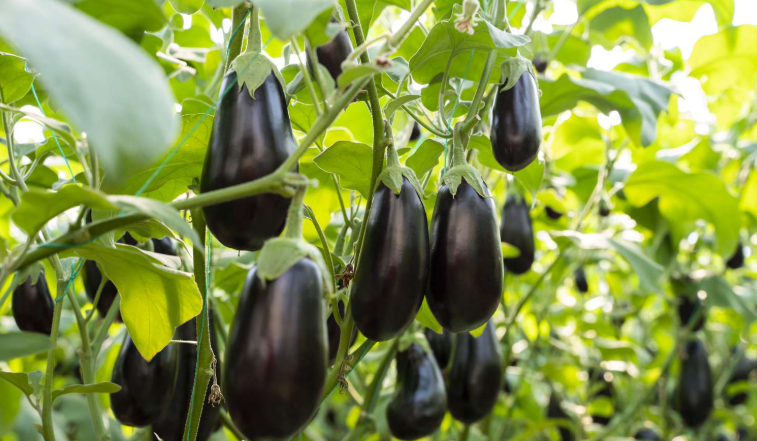
Eggplant is botanically a fruit, technically classified as a berry, even though it’s cooked and eaten as a vegetable in virtually every cuisine that grows it. It belongs to the nightshade family alongside tomato, potato, and pepper, and its glossy skin owes its deep purple color to nasunin, an anthocyanin pigment concentrated specifically in the skin that’s also been studied for its antioxidant properties.
Global eggplant production reached roughly 61 million tonnes in 2023 according to the UN Food and Agriculture Organization, a record high and a substantial jump from around 7 million tonnes in 1961. China alone accounts for close to 39 million tonnes of that total, well over 60 percent of world production, with India a distant second at roughly 13 million tonnes, and Egypt a much smaller third at under 2 million tonnes.
Eggplant is genuinely believed to have originated in South Asia, most likely India, where it was domesticated from a wild, considerably more bitter and thorny ancestor thousands of years ago before spreading east into China and eventually west into the Middle East, North Africa, and the Mediterranean through early trade routes. That long domestication history is part of why so many genuinely distinct regional varieties exist today, shaped by centuries of separate selection across very different cuisines and climates.
The Purdue University Center for New Crops and Plant Products documents eggplant’s origin, domestication history, and considerable varietal diversity in more botanical depth than a general overview can. What follows covers 24 types of eggplant, including their origin.
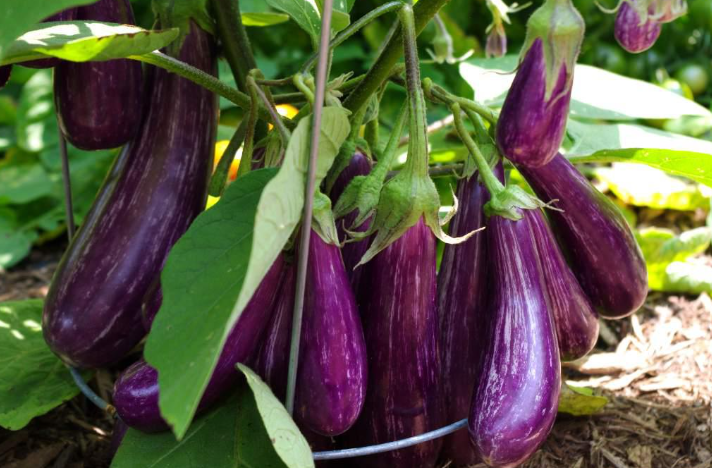
Black Beauty
Black Beauty is genuinely the classic American eggplant variety, its large, glossy, deep purple-black fruit developed in the United States in the late 19th century and still the standard most American grocery store eggplant is bred to resemble. Its considerable size and mild flavor have made it the default choice for dishes like eggplant parmesan.
It thrives in full sun and warm, rich soil, needing a genuinely long, warm growing season to reach its full size before frost.
Violetta di Firenze
Violetta di Firenze originated in Florence, Italy, its round, ribbed fruit displaying a genuinely striking lavender-purple color with pale streaking unlike the solid dark skin of more common varieties. Its considerable historical presence in Italian markets has made it a favorite among heirloom vegetable growers seeking authentic regional varieties.
It thrives in full sun and warm, well-drained soil, its ribbed shape and lighter color making it easy to distinguish from more common eggplant types.
Japanese Eggplant
Japanese eggplant, in varieties like Ichiban, originated in Japan, its long, slender, glossy purple fruit and thin skin producing a genuinely tender flesh with fewer seeds than many rounder varieties. Its considerable popularity in Japanese cooking, particularly grilled or simmered, reflects centuries of specific regional cultivation.
It thrives in full sun and warm, rich soil, its slender shape genuinely cooking faster and more evenly than a larger, rounder eggplant.
Chinese Eggplant
Chinese eggplant originated in China, its long, slender fruit in a lighter lavender-purple shade sharing a similar shape to Japanese varieties though generally a bit longer and milder in flavor. Its considerable tenderness and thin skin have made it a staple in Chinese stir-fry and braised dishes.
It thrives in full sun and warm, rich soil, its genuinely thin skin requiring less peeling than many thicker-skinned Western varieties.
Thai Eggplant
Thai eggplant, in its small, round green-and-white striped form, originated in Thailand, its firm, slightly bitter flesh a genuine staple ingredient in traditional Thai curry dishes. Its considerable firmness holds up well to the long simmering many Thai recipes require.
It thrives in full sun and warm, humid conditions, its compact size making it a practical container option in a warm climate.
Indian Baingan
Indian baingan, in its small, round purple form, originated in India, the eggplant’s genuine ancestral homeland, and remains a staple ingredient in countless regional Indian dishes, particularly stuffed preparations like bharwa baingan. Its compact size makes it well suited to stuffing whole rather than slicing.
It thrives in full sun and warm, rich soil, its origin in the eggplant’s native growing region giving it real, long-established regional culinary importance.
Fairy Tale Eggplant
Fairy tale eggplant is a genuinely modern hybrid variety, developed for its small size and striking purple-and-white striped skin, prized specifically for its tender, virtually seedless flesh. Its considerable popularity among home gardeners reflects both its ornamental appearance and its practical, quick-cooking size.
It thrives in full sun and rich, well-drained soil, its compact plant size making it a genuinely good choice for container growing.
Rosa Bianca
Rosa Bianca originated in Italy, its rounded, pink-and-white blushed fruit offering a genuinely creamy, mild flavor with fewer seeds than many other varieties. Its considerable visual beauty has made it a favorite among heirloom gardeners and farmers market vendors alike.
It thrives in full sun and warm, rich soil, its distinctive pink-tinged color making it easy to identify among other eggplant varieties.
Graffiti Eggplant
Graffiti eggplant is a genuinely modern hybrid, its elongated fruit striped in vivid purple and white in a pattern that gives the variety its name. Its considerable visual appeal alongside a tender, mild flavor has made it popular for both home gardens and specialty produce markets.
It thrives in full sun and rich, well-drained soil, its striking striped skin making it a genuine standout in a mixed vegetable garden.
Casper
Casper, a genuine white-skinned eggplant variety, produces smooth, ivory-white fruit with a notably mild flavor and fewer bitter compounds than many purple varieties. Its unusual color has made it a popular choice for gardeners and cooks specifically seeking a white eggplant option.
It thrives in full sun and warm, rich soil, its pale skin genuinely showing bruising more easily than darker varieties, so careful handling matters.
Listada de Gandia
Listada de Gandia originated in Spain, its rounded fruit striped in deep purple and white displaying a genuinely distinctive appearance similar in pattern to Graffiti eggplant though considerably older as a named heirloom. Its mild, tender flesh has made it a longtime favorite in Spanish and broader Mediterranean cooking.
It thrives in full sun and warm, well-drained soil, its striped skin and rounded shape reflecting centuries of Spanish heirloom cultivation.
Ping Tung Long
Ping Tung Long originated in Taiwan, its notably long, slender lavender-purple fruit capable of reaching considerable length under good growing conditions. Its thin skin and tender, mild flesh have made it a popular heirloom choice among gardeners seeking an especially productive, long-fruited variety.
It thrives in full sun and warm, rich soil, its considerable fruit length requiring a genuinely long, warm growing season to develop fully.
Turkish Orange Eggplant
Turkish Orange eggplant originated in Turkey, its small, round fruit ripening to a genuinely striking orange color unlike the purple or white skin of most other varieties on this list. Its unusual color and slightly bitter flavor have made it more of an ornamental and specialty curiosity than a common cooking variety.
It thrives in full sun and warm soil, its considerable color change from green to orange as it ripens making it a genuine visual novelty in a vegetable garden.
African Garden Egg
African garden egg, a genuine close relative of true eggplant rather than the same species, originated in Africa, its small, round fruit ranging from white to orange and holding real culinary and cultural significance across West African cuisine specifically. Its firmer texture and more bitter flavor compared to true eggplant reflect its distinct, if closely related, botanical identity.
It thrives in full sun and warm, humid conditions, its African origin and continued regional importance distinguishing it from the true eggplant varieties elsewhere on this list.
Kermit Eggplant
Kermit eggplant is a genuinely modern hybrid, its small, round fruit striped in green and white offering a mild flavor and tender texture similar to Thai eggplant varieties. Its playful name and compact size have made it a popular choice for a home garden or specialty produce display.
It thrives in full sun and warm, rich soil, its compact plant size and small fruit making it a practical choice for a smaller garden space.
Applegreen
Applegreen is a genuine American variety, its pale green, apple-shaped fruit offering a notably mild flavor and tender flesh with a productive, reliable growth habit. Its considerable early maturity has made it a popular choice for a shorter growing season.
It thrives in full sun and rich, well-drained soil, its genuinely early maturity making it well suited to a region with a shorter frost-free window.
Little Fingers
Little Fingers is a genuine slender, Japanese-type variety, its narrow, deep purple fruit growing in productive clusters on a compact plant. Its considerable productivity and quick cooking time have made it a favorite for grilling and stir-frying.
It thrives in full sun and warm, rich soil, its compact plant size and clustered fruit making it a genuinely productive container choice.
Diamond
Diamond is a genuine dark-skinned variety, its slender, deep purple-black fruit developed for reliable productivity and a notably tender, mild flesh. Its considerable disease resistance has made it a dependable choice for a home vegetable garden.
It thrives in full sun and warm, rich soil, its considerable disease resistance offering real practical value in a humid growing climate.
Louisiana Long Green
Louisiana Long Green is a genuine American heirloom variety, its pale green, elongated fruit reflecting regional Southern cultivation traditions distinct from the more common purple varieties. Its mild flavor and considerable productivity have kept it in cultivation among heirloom seed savers.
It thrives in full sun and warm, humid conditions, its Southern American heirloom origin suiting it well to a hot, humid growing climate.
Thai Long Green
Thai Long Green originated in Thailand, its slender, pale green fruit offering a genuinely crisp texture and mild flavor used extensively in Thai stir-fries and curries. Its considerable productivity and heat tolerance reflect its origin in a consistently warm growing climate.
It thrives in full sun and warm, humid conditions, its origin in tropical Thailand making it genuinely well suited to a hot summer climate.
Antigua
Antigua is a genuine heirloom variety from Puerto Rico, its pale lavender, rounded fruit reflecting Caribbean culinary tradition and regional home garden cultivation. Its mild flavor and considerable productivity have kept it a valued heirloom among Puerto Rican and broader Caribbean gardeners.
It thrives in full sun and warm, humid conditions, its Caribbean origin suiting it well to a hot, humid growing climate.
Udumalapet
Udumalapet is a genuine regional heirloom variety from Udumalpet, India, its fruit reflecting centuries of specific South Indian cultivation distinct from the more widely distributed baingan varieties. Its considerable regional significance has kept it in cultivation among Indian heirloom seed keepers.
It thrives in full sun and warm, rich soil, its South Indian regional origin giving it real, specific culinary heritage within Indian cooking.
Bianca Ovale
Bianca Ovale originated in Italy, its smooth, ivory-white, oval-shaped fruit offering a mild, creamy flesh similar in character to the Casper variety though with a distinctly Italian heirloom pedigree. Its considerable visual elegance has made it a favorite among gardeners specifically seeking a white Italian heirloom.
It thrives in full sun and warm, rich soil, its Italian heirloom origin and pale color making it a genuine standout in a mixed eggplant planting.
Machiaw
Machiaw, a genuine small, round Thai eggplant variety distinct from the more common green-and-white striped Thai type, originated in Thailand, its fruit used extensively in traditional Thai curry pastes and dishes. Its considerable firmness and mildly bitter flavor reflect its specific regional culinary role.
It thrives in full sun and warm, humid conditions, its Thai origin and specific culinary use distinguishing it from the more widely known striped Thai eggplant variety.
Key Takeaways
- Eggplants come in a wide range of shapes, sizes, colors, and flavors, from traditional large purple fruits to slender Asian varieties.
- Common types include Italian, Japanese, Chinese, Indian, Thai, and classic globe eggplants, each with distinctive characteristics.
- Eggplant colors can range from deep purple and lavender to white, green, striped, and nearly black, depending on the variety.
- Fruit shape varies considerably, including round, oval, elongated, slender, and teardrop-shaped forms.
- Most eggplants grow best in warm weather, full sun, fertile soil, and consistent moisture, making them well suited to summer gardens.
- Some varieties mature faster than others, so days to harvest can be an important consideration when choosing a type for a home garden.
- Selecting an eggplant variety based on climate, available space, preferred fruit size, cooking use, and harvest time can improve the chances of a productive crop.