Plants that attract mosquitoes do it through a genuinely different mechanism than almost any other pest-attracting plant on a list like this, since standing water for egg-laying matters more to a mosquito than scent ever could. A mosquito’s entire life cycle depends on still water, and a plant’s real attractant power usually comes from its physical ability to collect and hold that water, in a leaf rosette, a broad cupped leaf, or the base of an aquatic planting, rather than from any fragrance the plant releases into the air.
It’s worth knowing a genuinely underappreciated fact about mosquito biology here too: both male and female mosquitoes feed on plant nectar for energy throughout their adult lives, and only females bite for blood, which they need specifically for the protein that fuels egg development rather than for basic survival. That means a nectar-rich flowering plant can genuinely draw adult mosquitoes in for a meal completely separate from any water source nearby, a distinct attraction mechanism from the egg-laying habitat most of this list focuses on.
Shelter matters as a third, less obvious factor. Mosquitoes are most active at dawn and dusk and tend to rest through the hottest part of the day in dense, shaded, humid vegetation, which is why a thick planting of broad-leaved shade plants or a tangled groundcover can function as genuine daytime mosquito housing even without holding any water directly.
The Centers for Disease Control and Prevention’s mosquito habitat guidance covers standing water elimination as the single most effective mosquito control strategy available to a homeowner, more so than any plant-related consideration. What follows covers 21 plants that attract mosquitoes, spanning water-holding species, nectar sources, and dense daytime shelter.
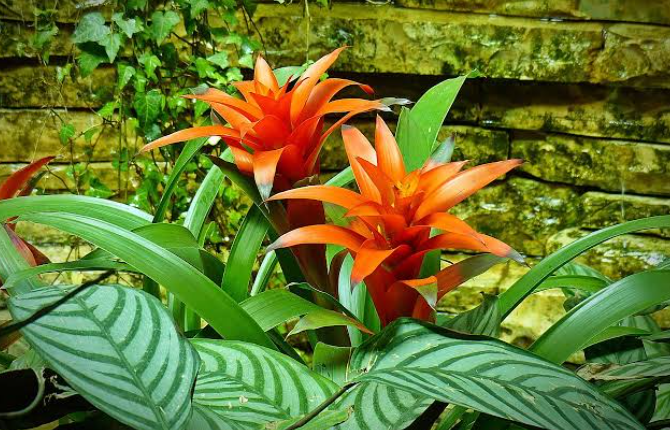
Bromeliad
Bromeliad forms a genuine water-holding structure at the center of its rosette, called a tank, that collects rainwater and stays consistently still enough to support mosquito larvae through their entire aquatic development. Its considerable popularity as an ornamental plant makes this water-holding tendency easy to overlook until mosquito activity around it becomes noticeable.
It tolerates bright, indirect light and a range of humidity levels, its genuine tank structure requiring regular flushing to prevent it from becoming a reliable breeding site. The University of Florida IFAS Extension’s mosquito research program has specifically documented bromeliad tanks as a genuine urban mosquito breeding habitat in warm climates.
Water Lettuce
Water lettuce floats on the surface of a pond or water feature, its dense root system and still surrounding water creating genuinely ideal conditions for mosquito larvae to develop undisturbed. Its considerable coverage across a water surface can also block the movement that would otherwise discourage egg-laying.
It thrives in full sun to partial shade in still or slow-moving water, its floating mat structure creating exactly the calm surface mosquito larvae need.
Water Hyacinth
Water hyacinth shares water lettuce’s genuine floating growth habit, its considerable root mass and still surrounding water creating similarly ideal mosquito larvae habitat. Its rapid spread across a pond surface can quickly expand that still-water breeding area if left unmanaged.
It thrives in full sun and still water, its aggressive floating growth genuinely capable of transforming an open pond surface into extensive mosquito habitat.
Taro
Taro produces genuinely enormous, cupped leaves that collect and hold rainwater in small pools after every storm, creating exactly the kind of still water pocket a mosquito needs to lay eggs. Its considerable leaf size means even a single mature plant can accumulate several distinct water-holding pockets.
It tolerates consistently moist to wet soil and partial shade, its broad, water-collecting leaves requiring regular checking and draining to prevent mosquito breeding.
Canna Lily
Canna lily, particularly when grown at a pond edge or water feature, produces broad leaves capable of holding small rainwater pools similar to taro’s water-collecting tendency. Its considerable popularity in water garden design means this water-holding potential often goes unnoticed.
It thrives in full sun and consistently moist soil, its leaf structure occasionally holding enough water after a storm to support mosquito development.
Water Lily
Water lily anchors in still pond water that, without fish or water movement to disturb it, provides genuinely ideal conditions for mosquito larvae among its floating leaves and pads. Its considerable surface coverage can also shelter developing larvae from predators that would otherwise control the population.
It thrives in full sun and still water, and adding mosquito-eating fish or a small fountain to keep the water moving genuinely helps offset the breeding potential a still pond creates.
Papyrus
Papyrus grows at a pond or water feature margin, its dense base creating still, sheltered pockets of water among its stems that provide genuine mosquito larvae habitat. Its considerable height and thick growth also offer daytime shelter for adult mosquitoes resting near the water’s edge.
It thrives in full sun and consistently wet soil or shallow standing water, its dense stem base genuinely sheltering both larvae and resting adult mosquitoes.
Pitcher Plant
Pitcher plant holds genuine standing water within its modified leaf structure, and while the plant is a true carnivore that traps and digests many of the insects that fall in, some mosquito species have actually evolved to breed specifically within that trapped water despite the danger. Its unusual dual role as both a water-holding habitat and an occasional predator makes it a genuine ecological curiosity.
It tolerates consistently moist, acidic, nutrient-poor soil, its water-filled pitchers creating a specialized habitat that a few mosquito species have adapted to exploit despite the risk.
Sweet Alyssum
Sweet alyssum produces dense clusters of tiny, fragrant flowers that genuinely draw adult mosquitoes seeking a nectar meal, a documented food source separate entirely from any water-related attraction. Its low, spreading habit means that nectar access sits close to the ground where mosquitoes are often already active.
It thrives in full sun to partial shade and well-drained soil, its considerable nectar production drawing mosquitoes alongside a wide range of more beneficial pollinators. Research published through the National Institutes of Health’s PubMed database has documented plant nectar as a genuine energy source for both male and female adult mosquitoes.
Queen Anne’s Lace
Queen Anne’s lace produces genuinely accessible umbrella-shaped flower clusters that studies have documented as a real nectar source for adult mosquitoes, alongside its better-known appeal to beneficial predatory insects. Its considerable self-seeding tendency has made it naturalize widely across much of the country.
It tolerates poor, dry soil and full sun, its umbel flower clusters offering genuine nectar access to mosquitoes among many other visiting insects.
Goldenrod
Goldenrod produces dense, bright yellow flower clusters specifically in fall, and its considerable nectar volume draws adult mosquitoes seeking a late-season meal alongside its far better-known appeal to bees and butterflies. Its bloom timing overlaps with a genuine late-season mosquito activity window in many regions.
It tolerates poor, dry soil and full sun, its nectar-rich fall blooms drawing a genuinely wide range of insects, mosquitoes included.
Water Mint
Water mint grows directly in or at the edge of a pond or water feature, its considerable fragrance and nectar production drawing mosquitoes for a meal while its very location keeps it near genuine breeding habitat as well. That combination of proximity and nectar access makes it a somewhat more direct mosquito attractant than most other plants on this list.
It thrives in consistently wet soil or shallow standing water, its dual role as both a nectar source and a water-adjacent planting genuinely compounding its mosquito appeal.
English Ivy
English ivy spreads into a genuinely dense, low evergreen mat that creates cool, shaded, humid conditions at ground level, exactly the kind of daytime shelter mosquitoes seek out during the hottest part of the day. Its considerable spread across the ground also traps moisture that can linger long after a rain.
It tolerates significant shade and poor soil, its dense growth habit creating a genuinely sheltered, humid microclimate mosquitoes favor for daytime rest.
Hosta
Hosta produces bold, broad leaves that create dense, low shade and trap moisture at ground level once a planting matures, offering the same kind of cool, humid shelter mosquitoes favor during the day. Its considerable leaf coverage also means water collecting on upper leaves can drip down and pool beneath the plant.
It tolerates partial to full shade and consistently moist soil, its dense leaf canopy genuinely sheltering resting mosquitoes from daytime heat.
Ferns
Ferns create dense, low, shaded cover in exactly the cool, moist conditions mosquitoes favor for daytime shelter between active feeding periods at dawn and dusk. Their considerable foliage density at ground level also helps trap humidity that would otherwise dissipate more quickly in open sun.
It tolerates significant shade and consistently moist soil, thriving in the same damp, sheltered conditions that make an area genuinely appealing to resting mosquitoes.
Bamboo
Bamboo forms genuinely dense, spreading stands that create substantial ground-level shade and humidity, often planted near a water feature where its shelter and nearby breeding habitat compound each other. Its considerable density makes a mature stand a genuine daytime mosquito refuge.
It tolerates a range of soil conditions and full sun to partial shade, its dense growth creating real shaded, humid shelter mosquitoes favor during the day.
Pachysandra
Pachysandra forms a dense, evergreen groundcover that creates genuinely cool, shaded conditions at ground level, offering the same kind of daytime mosquito shelter as other low, matting groundcovers. Its thick mat of foliage also traps moisture close to the soil surface.
It tolerates significant shade and a range of soil conditions, filling in dense enough to create real ground-level humidity and shelter within a season or 2.
Cattails
Cattails form dense stands at a pond or wetland edge, their base sitting directly in the still water that provides genuine mosquito breeding habitat while their dense upper growth offers shelter for resting adults. Their considerable density at the water’s edge creates a real combination of both major mosquito attractants in a single planting.
It thrives in consistently wet or standing water, its dual function as both breeding habitat and shelter making it one of the more significant mosquito-supporting plants on this list. The Environmental Protection Agency’s wetland and mosquito management guidance covers the balance between wetland habitat value and mosquito breeding risk relevant to a planting like this.
Pampas Grass
Pampas grass forms an enormous, dense clump of arching foliage that provides genuinely substantial shaded shelter at its base, sheltering resting mosquitoes during the day much as it shelters other small wildlife. Its considerable mature size makes a single established clump a significant habitat feature on its own.
It tolerates a range of soil conditions and full sun, growing into a large enough clump over time to shelter genuine mosquito activity within its dense base.
Banana
Banana produces genuinely large leaves capable of collecting rainwater in their curved surface, and overripe or fallen fruit left to ferment on the ground provides a genuine sugar source some mosquito species are documented to feed on. Its considerable leaf size and fruit drop combine into 2 separate attraction mechanisms from a single plant.
It thrives in full sun and rich, consistently moist soil in a warm climate, its broad leaves and fallen fruit both contributing genuine mosquito appeal.
Impatiens
Impatiens thrives in consistently moist, shaded conditions, and the saucer trays commonly used beneath a container planting often collect standing water that goes unnoticed, creating genuine incidental mosquito breeding habitat. Its considerable popularity as a shaded bedding plant means this overlooked water source shows up in a great many gardens.
It thrives in shade to partial shade and consistently moist soil, and checking and emptying any collecting saucer or tray beneath its container genuinely reduces the incidental breeding risk. The Centers for Disease Control and Prevention’s guidance on eliminating standing water specifically names potted plant saucers among the most commonly overlooked residential breeding sites.
Key Takeaways
- Mosquitoes are attracted to moist, sheltered environments, so some plants can indirectly increase mosquito activity by creating favorable hiding or breeding conditions.
- Plants with broad leaves, dense foliage, or spaces that hold water can provide resting places for adult mosquitoes.
- Overwatered gardens and containers can become more important mosquito sources than the plants themselves, especially when water remains stagnant.
- Plants grown in containers, pots, saucers, or other structures that collect standing water should be monitored and kept free of stagnant water.
- Dense vegetation around patios and other outdoor areas can provide cool, shaded shelter where mosquitoes may rest during the day.
- Not every plant associated with mosquitoes actually attracts them through its scent; in many cases, water availability and habitat structure are the more important factors.
- Reducing standing water, improving drainage, and keeping vegetation from becoming excessively dense can help make outdoor spaces less suitable for mosquitoes.