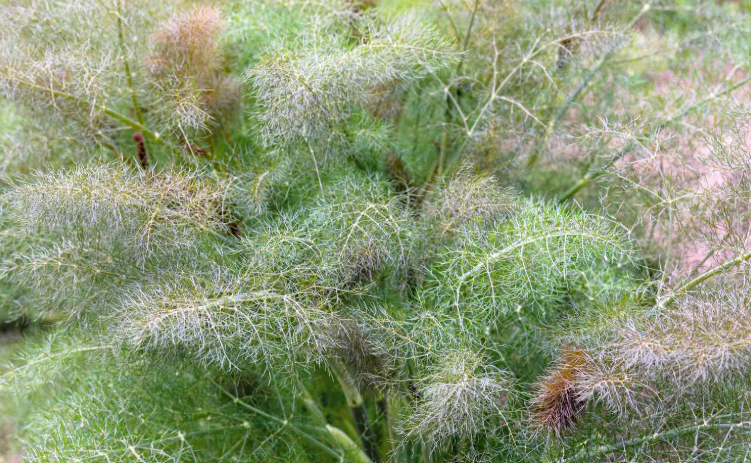
Plants to keep spiders away come with a genuine ecological tension worth acknowledging before anything else, since spiders are overwhelmingly beneficial predators in a garden, consuming real numbers of the actual pest insects a gardener is usually trying to manage in the first place. What most people actually want isn’t a spider-free yard at all, it’s a spider-free doorway, porch corner, or window frame, keeping the beneficial predator working in the garden bed while discouraging it from setting up a web somewhere a person walks through it daily.
There’s also a genuine mechanism problem specific to spiders that most “repellent plant” content skips entirely. Unlike a mosquito or a rodent, which relies heavily on scent to locate food or a host, a spider hunts primarily through touch and web vibration, meaning the direct “spiders dislike this smell” claim rests on considerably shakier ground here than it does for insects or rodents. The more genuinely defensible mechanism is indirect: a plant that repels or reduces the insects a spider would actually hunt makes that spot less appealing simply because the food supply thins out, not because the spider itself is bothered by the scent.
One specific piece of folklore deserves an honest mention given how widely it’s repeated: horse chestnuts, or conkers, placed in window sills and corners have a long, genuinely popular reputation for keeping spiders away, despite controlled testing never having confirmed that the nuts do anything a spider actually notices. Its persistence in gardening advice says more about how compelling a simple, low-effort folk remedy is than about any real chemistry backing it up.
The University of Kentucky Entomology Extension covers spider biology and the evidence, and genuine lack of evidence, behind common deterrent claims in more scientific depth than a general list can. What follows covers 30 plants to keep spiders away, spanning genuinely documented insect-repelling plants that work indirectly and traditional home remedy favorites.
Peppermint
Peppermint produces menthol in a concentration genuinely strong enough to discourage a range of insects, and reducing that available prey population is the most defensible mechanism behind its reputation for keeping spiders at a distance. Its effect fades considerably as the plant material dries, favoring fresh, actively growing foliage near an entryway.
It tolerates more shade and moisture than most other aromatic herbs, and its considerable vigor means container growing is genuinely worth considering near a doorway. The Purdue University Department of Entomology covers spider hunting behavior and the prey-reduction mechanism behind most genuine plant-based deterrent claims.
Spearmint
Spearmint shares peppermint’s genuine insect-deterrent compounds in a milder form, working the same indirect way by reducing the prey a spider would otherwise be drawn to hunt nearby. Its considerable vigor similarly calls for container growing to keep it contained near an entryway.
It tolerates more shade and moisture than most other aromatic herbs, thriving in genuinely damp conditions many other deterrent plants would struggle with.
Eucalyptus
Eucalyptus produces genuinely documented aromatic compounds shown to discourage a range of insects, indirectly reducing the prey base that would otherwise draw a spider to build a web nearby. Its considerable size makes it more of a landscape tree than a compact entryway planting in most climates.
It thrives in full sun and well-drained soil in a mild, frost-free climate, its genuinely potent aromatic oil requiring real warmth to grow successfully outdoors.
Lavender
Lavender produces linalool and linalyl acetate, genuinely documented compounds with reported deterrent activity against several insect species, working indirectly on spider presence by thinning the prey population nearby. Its considerable fragrance intensity develops most strongly in a hot, sun-baked spot near an entrance.
It demands sharp drainage, thriving in exactly the lean, sun-baked conditions that also concentrate its aromatic oils most effectively.
Citronella Grass
Citronella grass produces citronellal, a genuinely well-documented volatile compound recognized as an active ingredient in commercial insect repellent products, indirectly reducing the insect prey a spider would otherwise hunt in the same area. Its considerable oil concentration in the crushed leaf makes it one of the more aromatically intense plants on this list.
It thrives in full sun and warm, humid conditions, growing into a substantial clump near an entryway where its indirect prey-reducing effect can genuinely help.
Lemongrass
Lemongrass shares citronella grass’s genuine citronellal content, working the same indirect way by discouraging the insects a spider would otherwise find worth hunting nearby. Its culinary value in Southeast Asian cooking gives it real dual-purpose appeal beyond any pest-related benefit.
It thrives in full sun and consistently moist soil in a warm climate, growing into a substantial clump with genuine aromatic intensity in its crushed leaves.
Tea Tree
Tea tree produces genuinely documented terpinen-4-ol and other compounds with real, laboratory-confirmed insect-repelling and antimicrobial properties, indirectly thinning the prey base a spider would otherwise find in the same area. Its considerable oil concentration requires a warm, frost-free climate to grow successfully outdoors.
It thrives in full sun and well-drained, slightly acidic soil in a mild climate, its genuinely potent oil requiring extraction and concentration to reach its most effective deterrent strength.
Horse Chestnut
Horse chestnut carries one of the most widely repeated spider-deterrent folk reputations of any plant, its nuts, called conkers, traditionally placed in window sills and corners despite no controlled study ever confirming a spider actually responds to them. Its considerable popularity as a folk remedy persists regardless of the genuinely weak evidence behind the claim.
It grows into a substantial shade tree in full sun to partial shade, its famous but unconfirmed conker reputation holding real cultural weight even without scientific backing. The Royal Horticultural Society’s pest management resources has reviewed the conker folklore specifically and found no controlled evidence supporting the claim.
Basil
Basil produces genuinely documented volatile compounds shown to repel houseflies and other flying insects, working indirectly on spider presence by reducing the prey those insects would otherwise represent. Its considerable culinary value gives it real dual-purpose appeal beyond any pest-related benefit.
It thrives in full sun and consistently moist soil, its aromatic oils releasing most strongly when the leaves are brushed or crushed near a doorway container.
Marigold
Marigold carries a widespread companion planting reputation for discouraging a range of garden insects, and any genuine reduction in that insect population would indirectly reduce the prey a spider is drawn to hunt nearby. Its compact, upright growth also avoids building the kind of dense ground cover that shelters a web-building spot.
It thrives in full sun and average soil, offering genuine landscaping value regardless of how well-supported its specific indirect effect on spiders actually is.
Chrysanthemum
Chrysanthemum is genuinely the source plant of pyrethrin, a broad-spectrum natural insecticide extracted from its flower heads that affects a wider range of arthropods, spiders included, more directly than a purely scent-based deterrent would. Its considerable efficacy has made pyrethrin extract a staple in both organic and conventional pest control products.
It thrives in full sun and well-drained soil, its flower heads containing the genuinely potent compound responsible for its broader arthropod-affecting reputation. The National Pesticide Information Center documents pyrethrin’s confirmed mechanism as a broad-spectrum arthropod neurotoxin, distinct from the purely scent-based deterrents elsewhere on this list.
Citronella Geranium
Citronella geranium produces genuinely aromatic compounds marketed heavily for insect deterrent properties, though independent testing has generally found its actual repellent effect considerably milder than the true citronella grass it’s often confused with. Its pleasant fragrance still makes it a worthwhile container plant near an entryway regardless of the overstated marketing claims.
It thrives in full sun and well-drained soil, offering genuine fragrance value even where its marketed deterrent reputation has been shown to underperform in real testing.
Lemon Balm
Lemon balm produces citronellal alongside its pleasant lemon scent, working indirectly on spider presence through its documented insect-deterrent properties rather than any direct spider aversion. Its considerable vigor means some containment is genuinely worth considering near an entryway bed.
It tolerates a range of soil conditions and full sun to partial shade, its aromatic oils releasing most strongly when the foliage is bruised or crushed.
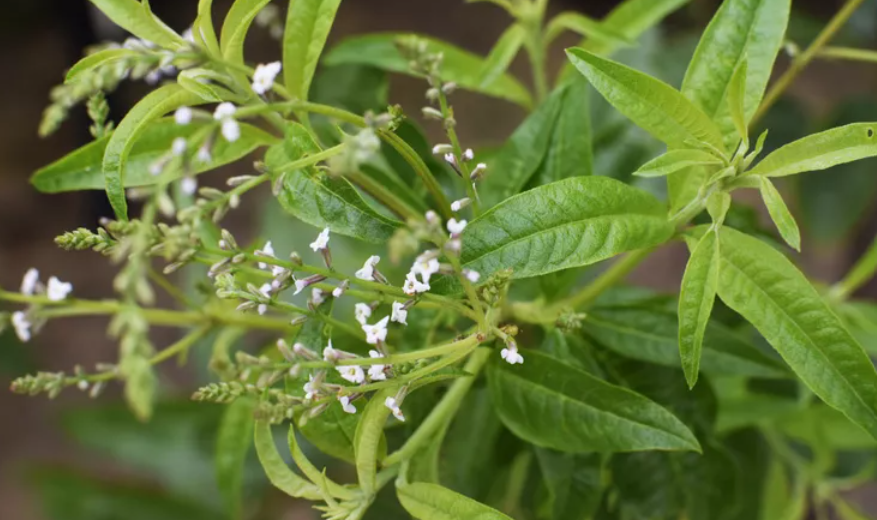
Lemon Verbena
Lemon verbena produces genuinely intense citral compounds, giving it one of the strongest natural lemon scents of any plant and real documented insect-deterrent properties that work indirectly against spider presence. Its considerable fragrance intensity has made it a popular addition to homemade repellent preparations.
It tolerates a range of soil conditions and full sun to partial shade, growing into a substantial shrub over time in a mild climate.
Rosemary
Rosemary produces genuinely aromatic oils that show real deterrent activity against a range of insects, indirectly reducing the prey base that would otherwise draw a spider nearby. Its woody, evergreen structure also provides less inviting cover than a soft, sprawling groundcover would.
It wants full sun and excellent drainage, its concentrated aromatic oils developing most strongly in exactly the lean, dry conditions the plant prefers.
Sage
Sage produces genuinely aromatic compounds with documented insect-deterrent properties, working indirectly on spider presence through the same prey-reduction mechanism as several other entries on this list. Its robust, velvety leaves also hold real culinary value beyond any pest-related benefit.
It wants full sun and genuinely well-drained soil, its aromatic oil concentration developing most strongly in lean, dry growing conditions.
Thyme
Thyme produces thymol, a genuinely documented compound with real insect-deterrent properties, indirectly reducing the prey population a spider would otherwise find worth pursuing nearby. Crushing or bruising its leaves releases considerably more of that compound than an undisturbed plant offers passively.
It wants full sun and excellent drainage, thriving in the same lean, dry conditions that concentrate its aromatic oils most effectively.
Oregano
Oregano produces genuinely aromatic carvacrol and thymol compounds with documented insect-repelling properties, working indirectly against spider presence by thinning the insects a spider would otherwise hunt. Its considerable culinary value gives it real dual-purpose appeal beyond any pest-related benefit.
It tolerates full sun and well-drained soil, spreading readily enough to eventually need some periodic thinning.
Mint
Mint, across its many species, produces genuinely documented menthol-based compounds with real insect-deterrent activity, indirectly reducing spider presence by thinning available prey rather than through any direct scent aversion. Its considerable vigor makes container growing a genuinely wise precaution regardless of which specific variety is chosen.
It tolerates more shade and moisture than most other aromatic herbs, thriving in a damp, partly shaded spot several other deterrent plants would struggle with.
Catnip
Catnip contains nepetalactone, a compound with documented insect-deterrent activity that works indirectly against spider presence through the same prey-reduction mechanism as most other entries here. Its considerable appeal to cats is a genuine bonus, or a genuine hazard to the plant itself, depending on the household.
It thrives in full sun to partial shade and well-drained soil, spreading readily enough that some gardeners choose to contain its vigorous growth.
Wormwood
Wormwood produces genuinely bitter, strongly aromatic compounds with documented insect-deterrent properties, working indirectly against spider presence by reducing the prey base nearby. Its considerable bitterness also gives it a long traditional use in absinthe production, entirely separate from its pest-related use.
It tolerates poor, dry soil and full sun, thriving on considerable neglect once established near an entryway bed.
Tansy
Tansy produces genuinely aromatic compounds with a long traditional history as a general pest deterrent, though the plant has become invasive in parts of the country and is worth checking against regional guidance before planting. Its considerable toughness and long bloom period make it effective where it’s not a regional concern.
It tolerates poor soil and considerable neglect, thriving with essentially no cultivation once established.
Rue
Rue produces genuinely bitter, pungent compounds that deter a range of insects directly, indirectly reducing the prey base a spider would otherwise find worth hunting nearby. Its considerable bitterness also makes its foliage an unappealing target for browsing wildlife generally.
It tolerates poor, dry soil and full sun, and handling the foliage is worth some caution, since it can cause skin irritation in sensitive individuals under strong sunlight.
Southernwood
Southernwood, a genuine Artemisia relative of wormwood, produces similarly bitter, aromatic compounds with a long traditional use deterring insects, working indirectly against spider presence through the same prey-reduction principle. Its fine, feathery, silver-green foliage also provides attractive texture in a border near an entryway.
It tolerates poor, dry soil and full sun, thriving on considerable neglect once established.
Mugwort
Mugwort produces genuinely aromatic compounds with a long folk history as a general insect deterrent, working indirectly on spider presence if that insect-deterrent effect genuinely holds in a given setting. Its considerable spread means some regions consider it a genuine weed concern worth monitoring.
It tolerates poor soil and considerable neglect, spreading readily enough to need active management in a smaller garden bed.
Camphor Plant
Camphor plant produces a genuinely strong, distinctive scent similar to commercial camphor, historically used as a general insect deterrent much like cedar or mothballs, working indirectly against spider presence through prey reduction. Its considerable aromatic intensity makes it one of the more strongly scented plants on this entire list.
It tolerates a range of soil conditions and full sun, its genuine camphor-like scent offering real traditional deterrent value near an entryway.
Clove
Clove produces eugenol, a genuinely potent aromatic compound with documented insect-deterrent properties, indirectly reducing the prey base a spider would otherwise find nearby. Its considerable intensity comes through most strongly when the whole clove is crushed or embedded into a citrus fruit as a traditional home remedy.
It requires a genuinely warm, tropical climate to grow as a living tree, though the dried spice itself, widely available, delivers the same real deterrent compound.
Garlic
Garlic produces sulfur compounds with some genuine insect-deterrent activity, and reducing that prey population is the most defensible mechanism behind garlic’s broader pest-repellent reputation, spiders included. Its considerable pungency when crushed releases far more of the deterrent compound than an undisturbed, whole bulb provides.
It thrives in full sun and well-drained soil, its genuine repellent compounds concentrated most strongly when crushed rather than left intact.
Onion
Onion shares garlic’s genuine sulfur compound profile, working the same indirect way against spider presence by discouraging the insect prey a spider would otherwise hunt nearby. Its considerable culinary value holds regardless of how consistently its indirect deterrent effect actually performs.
It thrives in full sun and well-drained soil, offering real kitchen value alongside its more modest pest-deterrent reputation.
Cedar
Cedar produces genuinely documented compounds with real, long-established insect-repelling properties, historically used in cedar chests and closet linings specifically to protect stored fabric from a range of pests. Its aromatic wood retains that repellent property for years, considerably longer than most other plants on this list.
It tolerates a range of soil conditions and full sun, its wood carrying genuine, well-established repellent value that works indirectly on spider presence by reducing nearby insect prey. The University of Wisconsin Extension’s beneficial and nuisance arthropod guide covers the ecological role spiders play in a garden alongside practical entryway management tips.
Key Takeaways
- Some strongly aromatic plants are commonly used as natural spider deterrents because their scents may make certain areas less attractive to spiders.
- Mint, lavender, rosemary, eucalyptus, basil, and lemongrass are among the plants often associated with helping discourage spiders.
- Growing fragrant plants near doors, windows, patios, porches, and other outdoor living areas can add a natural scent barrier around frequently used spaces.
- Plant effectiveness can vary with spider species, weather, plant health, and growing conditions, so these plants should not be considered a guaranteed spider-control method.
- Many spider-deterring plants provide additional benefits, such as culinary uses, attractive flowers, fragrance, or value to pollinators.
- Keeping vegetation, leaf litter, and other hiding places away from buildings can complement the use of aromatic plants.
- Plants can help make an area less appealing to spiders, but they will not necessarily eliminate an existing spider population or remove established webs.