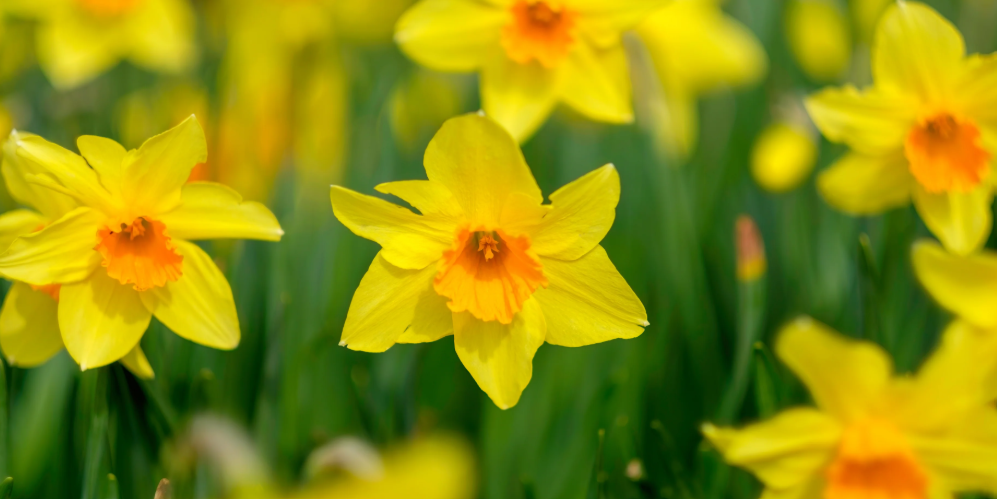
Yellow flowers are among the most eye-catching blooms found in gardens, meadows, roadsides, and natural landscapes. Their bright color can range from pale lemon and soft cream to golden yellow and deep amber, depending on the plant species and variety.
There are many different types of yellow flowers, including annuals, perennials, bulbs, wildflowers, shrubs, and flowering trees. They vary considerably in flower shape, size, foliage, height, growth habit, and blooming season, providing options for many different types of landscapes.
Yellow flowers can also serve different purposes in the garden. Some are grown mainly for their attractive blooms, while others can provide nectar and pollen for bees, butterflies, and other pollinators. Certain varieties are also useful for borders, containers, cottage gardens, naturalized areas, and cut-flower displays.
Choosing the right yellow flowers depends on the growing conditions available in your garden. Sunlight, soil type, moisture, temperature, climate, mature plant size, and flowering period are all important factors to consider when selecting plants. Understanding these characteristics can help you choose yellow flowers that grow well and provide attractive seasonal color.
Interesting Facts About Yellow Flowers
Bulb-grown yellow flowers make up a genuinely large share of this list, and the Netherlands dominates that market on a global scale. According to the International Association of Horticultural Producers, the Netherlands accounts for roughly 70 percent of the world’s flower bulb production and around 90 percent of the global bulb trade, growing daffodils, tulips, and hyacinths, all featured on this list, across tens of thousands of hectares each year.
Honeybees, which account for nearly 90 percent of flower visits in some pollination studies, tend to favor yellow and white blooms specifically because these colors lack anthocyanin, the pigment plants also use for chemical defense against herbivores. Bees also show a natural preference for yellow and blue-violet over other flower colors, a pattern that has shaped flower color across a wide range of unrelated plant families over time.
This list covers 100+ yellow flowers, grouped by category so it’s easier to find what’s relevant: spring bulbs, perennials, annuals, shrubs and trees, wildflowers, sunflower relatives, and specialty blooms. Each entry includes basic information on how the plant grows and what conditions it needs.
The Missouri Botanical Garden’s plant finder database has additional detail on bloom color and cultivar variety for most of the plants covered here.
Spring Bulbs
Daffodil
Daffodil produces genuinely reliable, trumpet-shaped yellow blooms among the most iconic and widely planted spring bulbs anywhere, its considerable bulb toxicity making it a plant most rodents and deer reliably avoid. Its cheerful color and easy naturalizing ability have made it a spring garden staple for generations.
It grows from a bulb planted in fall, its genuine toxicity offering real, incidental pest resistance alongside its considerable spring color. The University of Illinois Extension’s plant biology resources documents the carotenoid pigment chemistry behind yellow flower coloration across the plant kingdom.
Yellow Tulip
Yellow tulip produces genuinely classic cup-shaped blooms in a considerable range of yellow shades, from pale butter tones to intense golden hues, across an enormous number of available cultivars. Its reliable spring bloom has made it one of the most widely planted bulbs in temperate gardens worldwide.
It grows from a bulb planted in fall, thriving in full sun and well-drained soil through its single spring bloom cycle.
Yellow Crocus
Yellow crocus produces some of the earliest spring color of any bulb, often blooming while snow is still nearby, its cup-shaped golden flowers among the first considerable flushes of color in a temperate spring garden. Its small size keeps it unobtrusive in a border or naturalized lawn planting.
It grows from a corm planted in fall, its genuinely early bloom timing filling a real seasonal gap before most other flowers have begun growing.
Winter Aconite
Winter aconite produces genuinely cheerful, buttercup-like yellow flowers among the very earliest bloomers of the entire growing season, often emerging directly through late snow cover. Its considerable cold tolerance and early timing have made it a beloved harbinger of approaching spring.
It tolerates significant shade and consistently moist, rich soil, thriving in the same woodland conditions many other early spring bulbs favor.
Trout Lily
Trout lily produces genuinely nodding, lily-like yellow flowers on a native woodland spring ephemeral named for its distinctively mottled leaves. Its considerable patience requirement, often taking years to reach flowering maturity from seed, has made a thriving colony a genuine point of pride among native plant enthusiasts.
It tolerates significant shade and consistently moist, rich woodland soil, thriving in the same understory conditions many other spring ephemerals require.
Yellow Fritillaria
Yellow fritillaria produces distinctive nodding, bell-shaped yellow blooms, several species offering considerable variation in size and form compared to the more commonly known orange-red crown imperial relative. Its unusual checkered or solid petal patterns make it a genuine curiosity in a spring bulb bed.
It grows from a bulb planted in fall, tolerating a range of soil conditions depending on the specific species chosen.
Yellow Hyacinth
Yellow hyacinth produces genuinely dense, intensely fragrant flower spikes in a soft, buttery yellow shade, offering the same considerable fragrance impact as its more common blue and pink relatives. Its reliable spring bloom has made it a popular addition to a mixed bulb display.
It grows from a bulb planted in fall, its considerable fragrance developing most fully as the flower spike matures.
Yellow Freesia
Yellow freesia produces genuinely fragrant, trumpet-shaped blooms along an elegant arching stem, its remarkable scent making it a longtime favorite for cut flower arrangements. Its considerable fragrance intensity has kept it a popular florist staple regardless of the wide range of other colors also available.
It grows from a corm planted in fall in a mild climate, its considerable fragrance developing most fully as the flower matures.
Perennials
Black-Eyed Susan
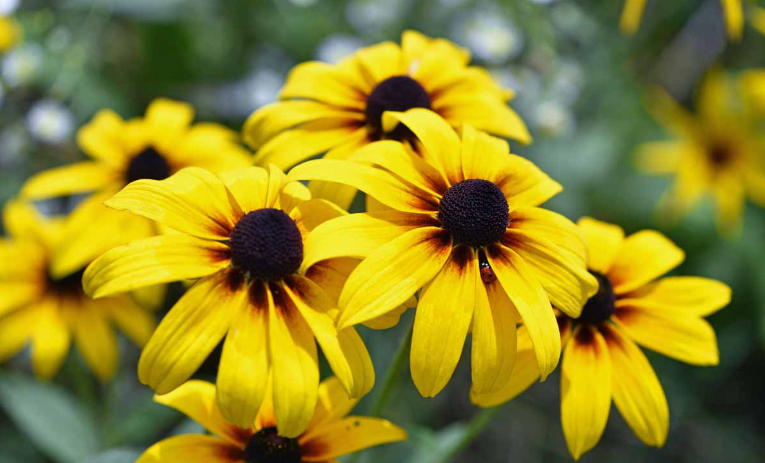
Black-eyed Susan produces cheerful yellow-orange daisy-like flowers throughout a long summer bloom period, its dark central cone providing genuine visual contrast against the surrounding petals. Its self-seeding, low-maintenance nature has made it a native garden staple across much of North America.
It tolerates a range of soil conditions and full sun, often filling in a garden bed on its own through natural reseeding.
Coreopsis
Coreopsis produces abundant small, daisy-like yellow flowers over a genuinely long bloom period, offering reliable color throughout much of summer with minimal maintenance. Its fine, airy foliage provides a delicate textural backdrop to its cheerful blooms.
It tolerates poor, dry soil and full sun, thriving on considerable neglect once established.
Yellow Daylily
Yellow daylily produces genuinely reliable, trumpet-shaped blooms, each lasting just a single day though a mature clump produces a continuous succession of new flowers throughout its bloom period. Its considerable toughness and adaptability have made it one of the most widely planted perennials in American gardens.
It tolerates a wide range of soil and light conditions, thriving with minimal care once established.
Yellow Yarrow
Yellow yarrow produces flat clusters of tiny golden flowers atop fine, fern-like foliage, offering a genuinely long bloom period with minimal maintenance required. Its considerable drought tolerance makes it a low-maintenance addition to a sunny border.
It tolerates poor, dry soil and full sun, thriving on neglect once established in lean, well-drained ground.
Yellow Coneflower
Yellow coneflower produces a large, raised central cone surrounded by drooping yellow petals, its considerable nectar production drawing a wide range of pollinators through much of summer. Its drought tolerance once established makes it a genuinely low-maintenance nectar source.
It tolerates poor, dry soil and full sun, thriving with considerable neglect once its root system is established.
Goldenrod
Goldenrod produces dense, bright yellow flower clusters specifically in fall, providing genuinely essential late-season nectar despite its unfair reputation for causing hay fever, a symptom actually caused by wind-pollinated ragweed blooming at the same time. Its considerable nectar volume makes it one of the most important fall pollinator resources available.
It tolerates poor, dry soil and full sun, thriving with minimal care while providing critical late-season color. The Cornell University Cooperative Extension’s fall garden resources documents ragweed, not goldenrod, as the actual wind-pollinated source of seasonal hay fever symptoms.
Lady’s Mantle
Lady’s mantle produces genuinely delicate, chartreuse-yellow flower clusters above distinctive, softly pleated foliage that holds dew drops in a particularly attractive way. Its considerable value as both a flowering and foliage plant has made it a longtime cottage garden favorite.
It tolerates partial shade and a range of soil conditions, thriving with minimal care once established.
Yellow Flag Iris
Yellow flag iris produces striking yellow blooms in wet meadows and along pond and stream edges, its considerable value for wetland gardens reflecting real adaptation to consistently soggy soil. Its vigorous spread has made it useful for erosion control along a naturally damp bank.
It tolerates consistently wet to standing water conditions, thriving in exactly the marshy habitat many other perennials can’t tolerate.
Primrose
Primrose produces genuinely cheerful yellow blooms among the first considerable flushes of color in many temperate gardens each spring. Its compact size and reliable performance have made it a longtime favorite for a shaded spring border.
It tolerates partial shade and consistently moist, rich soil, thriving in the same cool, damp woodland conditions many early spring bloomers favor.
Marsh Marigold
Marsh marigold produces genuinely glossy, buttercup-like yellow flowers in consistently wet, boggy conditions where few other perennials would survive. Its early spring bloom timing makes it a valuable addition to a pond edge or rain garden planting.
It tolerates consistently wet to standing water conditions, thriving in exactly the boggy habitat its native range provides.
Globeflower
Globeflower produces genuinely rounded, almost spherical yellow blooms on a moisture-loving perennial valued for that unusual, tightly cupped flower form. Its considerable preference for consistently damp soil has made it a favorite for a pond edge or bog garden.
It tolerates consistently moist to wet soil, thriving in exactly the damp conditions many other yellow-flowering perennials can’t tolerate.
Evening Primrose
Evening primrose produces genuinely fragrant yellow flowers that open specifically in the evening, staying open through the night to attract moth pollinators before closing again the following day. Its considerable fragrance and unusual bloom timing have made it a favorite for an evening or moon garden.
It tolerates poor, dry soil and full sun, thriving on considerable neglect once established.
Cinquefoil
Cinquefoil produces genuinely cheerful, small yellow flowers resembling a miniature wild rose, on a low, spreading perennial valued for its considerable ease of care. Its long bloom period provides reliable color through much of the growing season.
It tolerates a range of soil conditions and full sun, thriving with minimal care once established.
St. John’s Wort
St. John’s wort produces genuinely bright yellow flowers with a prominent cluster of showy stamens, on a plant historically significant for its traditional medicinal use. Its considerable toughness and adaptability have made it a reliable, low-maintenance perennial choice.
It tolerates a range of soil conditions and full sun to partial shade, thriving with minimal care once established.
Yellow Loosestrife
Yellow loosestrife produces spikes or clusters of small yellow flowers on a vigorous, spreading perennial valued for its considerable ease of care in a moist garden bed. Its tendency to spread readily makes it best suited to a naturalized area rather than a tightly controlled formal border.
It tolerates consistently moist soil and partial shade, spreading vigorously enough to need occasional containment.
Perennial Sunflower
Perennial sunflower produces genuinely reliable yellow blooms each year without needing replanting, on a substantial, long-lived plant considerably more permanent than its well-known annual relative. Its considerable height makes it a useful back-of-border anchor plant.
It tolerates a range of soil conditions and full sun, spreading gradually to form a substantial clump over time.
Yellow Foxglove
Yellow foxglove produces genuinely tall flower spikes lined with soft yellow, tubular blooms, a gentler color alternative to the more common purple and pink foxglove varieties. Its considerable height and cottage garden charm have made it a longtime favorite despite the plant’s genuine toxicity if ingested.
It tolerates partial shade and moist, well-drained soil, its genuine toxicity making real caution around children and pets worth taking seriously.
Red Hot Poker
Red hot poker, in its yellow varieties, produces tall, dramatic flower spikes from a base of narrow, upright foliage, its torch-like bloom shape making it a genuine garden focal point. Its considerable drought tolerance once established has made it a practical choice for a sunny, low-water bed.
It tolerates a range of soil conditions and full sun, its open, upright form providing real structural interest in a mixed border.
Threadleaf Coreopsis
Threadleaf coreopsis produces genuinely abundant small yellow flowers atop finely divided, thread-like foliage considerably more delicate in texture than standard coreopsis. Its long bloom period and drought tolerance have made it a favorite for a low-maintenance sunny border.
It tolerates poor, dry soil and full sun, thriving on considerable neglect once established.
Golden Marguerite
Golden marguerite produces genuinely abundant daisy-like yellow flowers over a long summer bloom period, on a reliable, easy-care perennial valued for its considerable productivity. Its finely cut, aromatic foliage adds textural interest even between bloom flushes.
It tolerates poor, dry soil and full sun, thriving on considerable neglect once established.
Yellow Columbine
Yellow columbine produces genuinely intricate, spurred yellow flowers on a delicate, nodding perennial that draws considerable hummingbird attention. Its unusual flower form has made it a longtime cottage garden and native plant favorite.
It tolerates partial shade and a range of soil conditions, self-seeding readily enough to naturalize gently throughout a favorable bed.
Sundrops
Sundrops produces genuinely cheerful cup-shaped yellow flowers that, unlike its evening primrose relative, open during the day rather than at dusk. Its compact size and reliable bloom have made it a popular choice for the front of a sunny border.
It tolerates poor, dry soil and full sun, thriving on considerable neglect once established.
Golden Alexander
Golden Alexander produces flat, umbrella-shaped clusters of small yellow flowers on a native perennial valued specifically for the beneficial insects and early-season pollinators it attracts. Its early bloom timing makes it a useful nectar source before many other flowering plants have started for the season.
It tolerates a range of soil conditions and full sun to partial shade, thriving with minimal care once established.
Compass Plant
Compass plant produces tall spikes of large yellow, sunflower-like blooms on a substantial native prairie perennial capable of reaching remarkable heights. Its considerable deep taproot makes an established plant extraordinarily drought tolerant and long-lived.
It tolerates poor, dry soil and full sun, developing a genuinely deep taproot that can persist for decades once established.
Yellow Rudbeckia
Yellow rudbeckia, in its cutleaf and other tall varieties distinct from the more common black-eyed Susan, produces abundant yellow blooms on a substantial, vigorous native perennial. Its considerable height and spreading habit suit a naturalized meadow planting particularly well.
It tolerates a range of soil conditions and full sun to partial shade, spreading readily enough to form substantial colonies over time.
Yellow Lupine
Yellow lupine produces genuinely tall, dramatic spikes of pea-like yellow flowers, its distinctive palmate foliage adding real textural interest even before the flower spikes emerge. Its considerable height makes it a striking vertical accent in a mixed border.
It tolerates poor, well-drained soil and full sun to partial shade, thriving in exactly the lean conditions many other tall perennials would find insufficient.
Annuals
Sunflower
Sunflower produces large, iconic yellow flower heads that track the sun across the sky in young plants, its considerable size and cheerful color making it one of the most universally recognized flowers grown anywhere. Its quick growth from seed also makes it a practical, fast-establishing addition to a new garden.
It thrives in full sun and well-drained soil, growing quickly into a substantial, heavily flowering plant within a single season.
Marigold
Marigold produces dense, long-blooming yellow flower heads from summer through the first frost, its strong scent sometimes credited with deterring certain garden pests. Its compact, reliable growth has made it one of the most widely planted garden annuals anywhere.
It thrives in full sun and average soil, blooming reliably with minimal care required.
Yellow Zinnia
Yellow zinnia produces flat, daisy-like flower heads offering excellent, easily accessible color from summer through the first fall frost. Its considerable ease of care and reliable performance have made it a garden staple well beyond its cheerful yellow color.
It thrives in full sun and well-drained soil, blooming reliably with minimal care through an extended season.
Calendula
Calendula produces bright yellow and orange daisy-like flowers over a genuinely long, cool-season bloom period, extending color into both early spring and late fall when many warm-season annuals haven’t started or have already finished. Its edible petals have also made it a popular addition to a culinary herb garden.
It tolerates cool conditions and a range of soil types, often blooming from early spring through a genuine light frost in fall.
Yellow Snapdragon
Yellow snapdragon produces genuinely tall flower spikes of distinctive, snap-mouthed blooms in a cheerful golden shade, popular both in the garden and as a cut flower. Its considerable cold tolerance makes it a reliable choice for a spring or fall bedding display.
It tolerates cool conditions and a range of soil types, its considerable cold tolerance extending its usable bloom season on both ends of the year.
Yellow Nasturtium
Yellow nasturtium produces bold, brightly colored flowers on a genuinely easy, fast-growing annual, its edible blooms and leaves adding a peppery accent to a salad alongside the plant’s considerable ornamental value. Its trailing or climbing habit makes it a versatile choice for a container, hanging basket, or ground cover.
It thrives in average to poor soil and full sun, tolerating considerable neglect once established.
Yellow Cosmos
Yellow cosmos, distinct from the more common pink and white cosmos species, produces vivid golden-orange blooms on a genuinely heat-tolerant annual that thrives through the hottest part of summer. Its considerable resilience in hot conditions has made it a reliable choice where cooler-loving annuals often struggle.
It thrives in full sun and well-drained soil, tolerating considerable heat that would cause many other annuals to decline.
California Poppy
California poppy produces genuinely silky, cup-shaped orange-yellow blooms on a drought-tolerant native annual that readily naturalizes across a sunny hillside or meadow planting. Its considerable ease of care and self-seeding tendency have made it California’s official state flower.
It tolerates poor, dry soil and full sun, thriving on considerable neglect once established. The California Department of Parks and Recreation’s native plant resources documents California poppy’s official state flower status alongside its native range.
Yellow Celosia
Yellow celosia produces genuinely distinctive, textured plume or crested flower heads in a vivid golden shade, valued both fresh and dried for their considerable color retention. Its unusual flower texture sets it apart from a typical soft-petaled bloom.
It thrives in full sun and well-drained soil, tolerating heat well through a long summer bloom season.
Gazania
Gazania produces genuinely large, vividly colored daisy-like blooms that close on cloudy days and at night, opening fully only in bright sunshine. Its considerable heat and drought tolerance have made it a popular choice for a hot, sunny border or container.
It thrives in full sun and well-drained soil, tolerating considerable heat and drought once established.
Yellow Pansy
Yellow pansy produces genuinely cheerful, cool-season blooms with a distinctive face-like pattern, extending color into both early spring and late fall when few other annuals perform well. Its considerable cold tolerance has made it a reliable choice for exactly those cooler shoulder seasons.
It tolerates cool conditions and a range of soil types, thriving in temperatures that would cause many warm-season annuals to decline.
Signet Marigold
Signet marigold produces genuinely small, delicate yellow flowers on finely divided, edible foliage with a distinct citrus fragrance, considerably more refined in texture than standard marigold varieties. Its edible flowers have made it a popular addition to a culinary garden.
It thrives in full sun and average soil, blooming reliably with minimal care through an extended season.
Yellow Petunia
Yellow petunia produces genuinely reliable trumpet-shaped blooms through a long summer season, its considerable versatility in beds, borders, and containers making it a garden staple regardless of the specific color chosen. Regular deadheading keeps the plant blooming continuously.
It thrives in full sun and well-drained soil, blooming continuously through summer with regular maintenance.
Yellow Gerbera Daisy
Yellow gerbera daisy produces genuinely large, vividly colored blooms on sturdy stems, among the most popular cut flowers grown specifically for their considerable size and color intensity. Its bold, simple form has made it a favorite for both garden display and floral arrangements.
It thrives in full sun and well-drained soil, rewarding consistent moisture with a genuinely more prolific bloom display.
Yellow Viola
Yellow viola produces genuinely small, cheerful blooms similar to but more diminutive than its pansy relative, extending color into cool spring and fall conditions. Its considerable cold tolerance and self-seeding tendency have made it a reliable, low-maintenance cool-season choice.
It tolerates cool conditions and a range of soil types, often self-seeding readily enough to return the following season.
Craspedia
Craspedia, also called billy balls, produces genuinely unusual, perfectly spherical yellow flower heads on tall, wiry stems, a distinctive novelty both in the garden and in dried arrangements. Its considerable durability when dried has made it a favorite among floral designers.
It thrives in full sun and well-drained soil, tolerating considerable drought once established.
Yellow Sweet Pea
Yellow sweet pea produces genuinely fragrant, delicate flowers on a climbing annual vine valued for both its color and its considerable scent. Its cool-season preference makes it a favorite for an early spring or fall cutting garden.
It thrives in full sun and rich, well-drained soil, performing best in cooler weather before summer heat causes it to decline.
Shrubs and Trees
Forsythia
Forsythia produces a genuinely early, dramatic flush of bright yellow flowers along bare branches before any leaves emerge, among the very first considerable bursts of color in a temperate spring landscape. Its fast growth quickly establishes coverage in a new planting.
It tolerates a wide range of soil types and full sun to light shade, its considerable early bloom timing making it a genuine harbinger of spring.
Witch Hazel
Witch hazel produces genuinely unusual, spidery yellow flowers in late fall or winter, blooming when few other flowering shrubs are active at all. Its distinctive, fragrant blooms have made it a valued addition for extending a garden’s flowering season into the colder months.
It tolerates a range of soil conditions and full sun to partial shade, its unusual winter bloom timing filling a genuine seasonal gap.
Yellow Rose
Yellow rose produces genuinely classic, elegant blooms considered among the most recognizable yellow flowers in cultivation, with considerable fragrance in many varieties. Its status as a longtime garden and cut flower favorite reflects both its beauty and its considerable symbolic history.
It thrives in full sun and rich, well-drained soil, rewarding regular feeding and pruning with a considerably more productive bloom cycle.
Potentilla
Potentilla, in its shrub form, produces genuinely small, cheerful yellow flowers resembling a miniature rose on a compact, easy-care woody plant. Its considerable toughness and long bloom period have made it a popular low-maintenance landscaping shrub.
It tolerates a wide range of soil and climate conditions, thriving with minimal care once established.
Yellow Hibiscus
Yellow hibiscus produces genuinely large, showy tropical blooms in a vivid golden shade, its considerable flower size making it a dramatic focal point in a warm-climate garden. Its status as Hawaii’s state flower in certain forms reflects its considerable cultural significance.
It thrives in full sun and consistently moist, rich soil in a warm climate, producing a fresh flush of large blooms throughout a long growing season.
Golden Rain Tree
Golden rain tree produces genuinely showy panicles of small yellow flowers in summer, followed by distinctive papery seed pods that give the tree considerable additional ornamental interest. Its tolerance for urban conditions has made it a popular street and park tree.
It tolerates poor, compacted urban soil and considerable pollution, thriving in exactly the difficult conditions many other flowering trees struggle with.
Yellow Magnolia
Yellow magnolia produces genuinely large, showy blooms in a soft butter-yellow shade, a considerably less common color than the more familiar white and pink magnolia varieties. Its dramatic spring flowering has made it a genuine specimen tree centerpiece wherever it’s planted.
It thrives in full sun to partial shade and rich, well-drained soil, rewarding patient establishment with an increasingly spectacular bloom each spring.
Scotch Broom
Scotch broom produces genuinely abundant, pea-like yellow flowers along its distinctive green, whip-like branches, though it’s become a significant invasive concern in parts of the country and worth checking regional guidance before planting. Its considerable bloom volume makes it visually striking where it’s not a regional problem.
It tolerates poor, dry soil and full sun, its considerable adaptability having contributed to its aggressive spread in regions where it’s become invasive.
Yellow Azalea
Yellow azalea produces genuinely vivid, showy blooms in spring, a striking alternative to the more commonly seen pink, red, and white azalea varieties. Its considerable shade tolerance has made it a valued addition to a woodland garden border.
It tolerates partial shade and acidic, well-drained soil, thriving in the same conditions many other azalea varieties require.
Kerria
Kerria produces genuinely bright yellow, rose-like flowers along arching green branches, its distinctive green stem color providing real visual interest even through winter after the leaves have dropped. Its considerable shade tolerance has made it a popular choice for a woodland edge planting.
It tolerates significant shade and a range of soil conditions, thriving in exactly the dappled woodland conditions many flowering shrubs can’t handle.
Winter Jasmine
Winter jasmine produces genuinely cheerful yellow flowers along bare, arching branches in late winter, blooming well before most other shrubs have even begun to show signs of spring. Its considerable cold-season bloom timing makes it a valued source of color when little else is flowering.
It tolerates a range of soil conditions and full sun to partial shade, its unusual winter bloom timing filling a genuine seasonal gap in the garden.
Spicebush
Spicebush produces genuinely small, subtle yellow flowers in very early spring, valued as much for its aromatic foliage and importance as a native butterfly host plant as for its modest bloom. Its considerable ecological value has made it an increasingly popular native landscaping choice.
It tolerates significant shade and a range of soil conditions, thriving in the same woodland understory habitat its native range provides.
Yellow Camellia
Yellow camellia, genuinely rare compared to the more common red, pink, and white camellia varieties, produces soft yellow blooms valued specifically for that unusual color within the broader camellia family. Its considerable rarity has made it a genuine specialty item among camellia collectors.
It tolerates partial shade and acidic, well-drained soil, thriving in the same conditions many other camellia varieties require.
Wildflowers
Butter and Eggs
Butter and eggs, also called toadflax, produces genuinely distinctive snapdragon-like yellow and orange flowers on a wild plant found naturalized across much of North America. Its considerable toughness and ability to thrive in poor, disturbed soil have made it a familiar roadside sight.
It tolerates poor, dry, disturbed soil and full sun, thriving with essentially no cultivation required.
Common Mullein
Common mullein produces genuinely tall spikes of small yellow flowers on a substantial biennial wildflower with distinctive fuzzy, silver-green foliage. Its considerable height and unusual texture make it an easily recognizable roadside and disturbed-area plant.
It tolerates poor, dry, disturbed soil and full sun, thriving with essentially no cultivation required.
Yellow Wood Sorrel
Yellow wood sorrel produces genuinely small, cheerful yellow flowers on a low-growing wild plant with distinctive clover-like foliage found throughout lawns and garden beds across much of North America. Its considerable ability to self-seed has made it a common, if unassuming, garden volunteer.
It tolerates a wide range of soil and light conditions, thriving with essentially no cultivation required.
Bird’s Foot Trefoil
Bird’s foot trefoil produces genuinely cheerful clusters of small yellow, pea-like flowers on a low-growing wild legume valued for its considerable nitrogen-fixing ability. Its distinctive seed pod arrangement, resembling a bird’s foot, gives the plant its common name.
It tolerates poor soil and considerable foot traffic, thriving in exactly the lean, disturbed conditions many roadside and meadow plants favor.
Buttercup
Buttercup produces genuinely glossy, cup-shaped yellow flowers on a low-growing wild plant found throughout lawns, meadows, and disturbed areas across much of the temperate world. Its considerable glossy petal sheen, caused by a unique reflective cell layer, makes it one of the shiniest flowers in the entire plant kingdom.
It tolerates a wide range of soil and light conditions, thriving with essentially no cultivation required. The University of Wisconsin-Madison Botany Department documents the reflective cell layer responsible for buttercup’s distinctively glossy petal sheen.
Dandelion
Dandelion produces genuinely bright yellow flowers among the earliest and most overlooked nectar sources available to emerging pollinators each spring, its familiar puffball seed head following shortly after. Leaving a modest patch unmowed provides real, if unglamorous, ecological value.
It tolerates a wide range of soil and light conditions, its genuinely early bloom timing filling a real gap most ornamental yellow flowers can’t address.
Yellow Sweet Clover
Yellow sweet clover produces tall spikes of small, fragrant yellow flowers on a genuinely vigorous nitrogen-fixing biennial, offering considerable nectar volume across an extended bloom period. Its substantial height sets it apart from lower-growing clover species.
It tolerates poor soil and full sun, thriving as both a pollinator plant and a genuine soil-improving cover crop.
Prickly Pear Cactus
Prickly pear cactus produces genuinely large, silky yellow blooms atop its spiny pads, a striking contrast between the plant’s tough, defensive structure and its delicate flower. Its considerable drought tolerance makes it a genuine survivor in exactly the hot, arid conditions where few other flowering plants thrive.
It tolerates extreme drought and poor soil, thriving in the kind of dry, open conditions many other flowering plants can’t tolerate.
Yellow Lady’s Slipper Orchid
Yellow lady’s slipper orchid produces a genuinely striking pouch-shaped yellow bloom, one of the most dramatic native orchids found in North American woodlands. Its considerable rarity and specific habitat requirements have made a wild sighting a genuine highlight for native plant enthusiasts.
It tolerates significant shade and specific, well-drained woodland soil, thriving only in the particular conditions its considerable habitat sensitivity requires. The USDA Forest Service’s native plant conservation resources documents this orchid’s genuine habitat specificity and its status as a conservation-sensitive native species in several states.
Wild Mustard
Wild mustard produces genuinely abundant small yellow flowers on a fast-growing wild plant capable of covering an entire field in golden color when blooming in mass. Its considerable seed production has made it both a valued cover crop and, in some contexts, an agricultural weed.
It tolerates a wide range of soil conditions and full sun, thriving with essentially no cultivation required.
Tansy
Tansy produces small, button-like yellow flower clusters with a genuinely long traditional history as an insect-deterrent plant, though it’s become invasive in parts of the country and worth checking regional guidance before planting. Its considerable toughness and long bloom period make it effective where it’s not a regional concern.
It tolerates poor soil and considerable neglect, thriving with essentially no cultivation once established.
Prairie Coneflower
Prairie coneflower produces genuinely distinctive, drooping yellow petals surrounding a tall, cylindrical central cone, a native prairie wildflower valued for its considerable drought tolerance. Its unusual flower form sets it apart from a more typical daisy-like bloom.
It tolerates poor, dry soil and full sun, thriving in exactly the lean prairie conditions its native habitat provides.
Yellow Trillium
Yellow trillium produces genuinely upright, twisted yellow petals on a native woodland spring ephemeral, a considerably less common color than the more familiar white and red trillium varieties. Its distinctive mottled foliage adds visual interest even before the unusual bloom appears.
It tolerates significant shade and rich, consistently moist woodland soil, thriving in the same understory conditions many other native spring ephemerals favor.
Sunflower Family Specialties
Jerusalem Artichoke
Jerusalem artichoke produces genuinely abundant small sunflower-like blooms on a substantial, vigorous perennial grown as much for its edible tuber as for its cheerful late-summer flowers. Its considerable height and spreading habit suit a naturalized area rather than a tightly controlled bed.
It tolerates a range of soil conditions and full sun, spreading vigorously enough to need active management in a smaller garden.
Cup Plant
Cup plant produces genuinely large yellow blooms on a substantial native prairie perennial named for the way its paired leaves form a small cup that collects rainwater at the stem. Its considerable height and wildlife value have made it a popular native meadow planting choice.
It tolerates a range of soil conditions and full sun, growing into a genuinely substantial clump over time.
False Sunflower
False sunflower produces genuinely abundant, sunflower-like yellow blooms on a reliable, easy-care perennial considerably more compact than a true annual sunflower. Its long bloom period and drought tolerance have made it a popular native garden choice.
It tolerates a range of soil conditions and full sun, thriving with minimal care once established.
Golden Aster
Golden aster produces genuinely cheerful small yellow, daisy-like flowers on a drought-tolerant native perennial valued for its considerable late-season color. Its compact size suits the front of a sunny, low-water border.
It tolerates poor, dry soil and full sun, thriving on considerable neglect once established.
Maximilian Sunflower
Maximilian sunflower produces genuinely tall spikes lined with numerous smaller yellow blooms, a native prairie perennial considerably different in form from the single large flower head of an annual sunflower. Its impressive height and fall bloom timing make it a striking late-season addition to a naturalized planting.
It tolerates a range of soil conditions and full sun, spreading gradually to form substantial colonies over time.
Swamp Sunflower
Swamp sunflower produces genuinely abundant yellow blooms in fall, a native perennial valued specifically for its ability to thrive in consistently moist soil where many other sunflower relatives would struggle. Its considerable height and late bloom timing make it a valuable addition to a rain garden or pond edge planting.
It tolerates consistently moist soil and full sun, thriving in exactly the damp conditions its native wetland habitat provides.
Exotic and Specialty Blooms
Yellow Orchid
Yellow orchid, particularly among Oncidium varieties sometimes called dancing lady orchids, produces genuinely abundant sprays of small, vividly golden blooms on an elegant arching stem. Its considerable floral display from a single plant has made it a popular specialty houseplant and cut flower.
It thrives in bright, indirect light and a well-draining orchid growing medium, blooming reliably indoors under the right conditions.
Yellow Asiatic Lily
Yellow Asiatic lily produces genuinely large, vividly colored blooms on sturdy stems, among the easiest lily types to grow successfully in a home garden. Its considerable reliability and bold color have made it a popular choice for both garden display and cut flower arrangements.
It thrives in full sun and well-drained soil, growing from a bulb that returns reliably each year once established.
Yellow Ranunculus
Yellow ranunculus produces genuinely elaborate, tightly layered petals forming a rose-like bloom, prized specifically for its considerable resemblance to a peony at a fraction of the size. Its popularity as a cut flower reflects both its striking form and its long vase life.
It grows from a tuber planted in fall in a mild climate or spring elsewhere, thriving in full sun and well-drained soil.
Yellow Dahlia
Yellow dahlia produces genuinely dramatic, often enormous blooms in an impressive range of forms, from simple single flowers to elaborate, densely petaled forms. Its considerable variety in size and shape has made it a favorite among dedicated dahlia collectors and casual gardeners alike.
It grows from a tuber, thriving in full sun and rich, well-drained soil through a long summer and fall bloom season.
Yellow Gladiolus
Yellow gladiolus produces genuinely tall, dramatic flower spikes lined with numerous individual blooms opening in succession from the bottom up. Its considerable height and vertical form have made it a longtime favorite for a cutting garden.
It grows from a corm planted in spring, thriving in full sun and well-drained soil through a single summer bloom season.
Yellow Chrysanthemum
Yellow chrysanthemum produces genuinely abundant, richly colored blooms in fall, among the most reliable and widely available fall-flowering perennials found at any garden center. Its considerable bloom volume and reliable timing have made it a fall décor staple well beyond the garden itself.
It thrives in full sun and well-drained soil, blooming reliably each fall once established.
Yellow Water Lily
Yellow water lily produces genuinely cheerful blooms floating directly on a pond’s surface, its considerable value for pond ecosystems extending well beyond ornamental appeal to include real habitat and shade for aquatic life. Its floating leaves also help suppress algae growth by limiting sunlight penetration.
It thrives in full sun and still water, anchoring directly in the pond’s submerged soil layer.
Orchid Cactus
Orchid cactus, in its yellow varieties, produces genuinely enormous, dramatic blooms on an otherwise unassuming, sprawling succulent, the flower’s considerable size and vivid color a striking contrast to the plant’s plain daily appearance. Its brief bloom window has made flowering time a genuine event among dedicated succulent collectors.
It thrives in bright, indirect light and well-drained soil, rewarding patient care with a genuinely spectacular, if fleeting, bloom.
Yellow Trumpet Vine
Yellow trumpet vine produces genuinely large, trumpet-shaped blooms on a vigorous climbing vine, a considerably less common color than the more familiar orange-red trumpet vine varieties. Its considerable vigor requires a sturdy structure and regular management to keep the vine’s growth in check.
It thrives in full sun and a range of soil conditions, climbing vigorously given a sturdy support structure.
Yellow Clematis
Yellow clematis produces genuinely delicate, bell-shaped or star-shaped yellow blooms on a vigorous climbing vine, offering a softer color alternative to the more common purple and pink clematis varieties. Its considerable bloom volume and reliable performance have made it a popular flowering vine choice.
It tolerates full sun to the flower with shaded roots, a specific combination often summarized as “head in the sun, feet in the shade.”
Yellow Honeysuckle
Yellow honeysuckle produces genuinely fragrant tubular blooms on a vigorous climbing vine, its considerable nectar production drawing hummingbirds alongside its notable fragrance. Its vigorous growth has made it a popular choice for quickly covering a trellis or arbor.
It tolerates a range of soil and light conditions, climbing vigorously given a support structure to grow on.
Yellow Lantana
Yellow lantana produces dense flower clusters offering reliable color from summer through the first frost, its considerable heat tolerance making it a low-maintenance choice for a hot, sunny bed. Its individual florets often shift color slightly as they age, adding subtle variation across a single cluster.
It thrives in full sun and tolerates a range of soil conditions, blooming continuously through a long, heat-tolerant summer season.
Welsh Poppy
Welsh poppy produces genuinely delicate, papery yellow blooms on a woodland-edge perennial considerably more shade-tolerant than most other poppy relatives. Its self-seeding tendency has made it a gentle, naturalizing presence in a partially shaded garden.
It tolerates partial shade and consistently moist, well-drained soil, thriving in exactly the woodland edge conditions many other poppies can’t handle.
Yellow Anemone
Yellow anemone produces genuinely delicate, cup-shaped blooms with a cluster of prominent stamens at the center, a considerably less common color than the more familiar white, pink, and blue anemone varieties. Its early bloom timing has made it a genuine woodland garden favorite.
It tolerates partial shade and consistently moist, well-drained soil, thriving in the same dappled woodland conditions many spring ephemerals favor.
Yellow Crocosmia
Yellow crocosmia grows from a corm with narrow, upright, sword-like foliage, its arching sprays of yellow flowers offering a softer color alternative to the more commonly seen orange-red crocosmia varieties. Its considerable hummingbird appeal has made it a popular addition to a pollinator garden.
It grows from a corm, its genuinely upright, blade-like growth habit providing real structural interest in a mixed border.
Yellow Bearded Iris
Yellow bearded iris produces genuinely dramatic, ruffled blooms in a considerable range of golden shades, from pale lemon to deep, saturated gold. Its exposed rhizome and considerable bloom drama have made it a longtime garden favorite.
It thrives in full sun and well-drained soil, its exposed rhizome genuinely benefiting from being planted at the soil surface rather than buried.
Yellow Verbena
Yellow verbena produces dense clusters of small tubular flowers over a genuinely long bloom period through summer and fall, a considerably less common color than the more familiar purple and pink verbena varieties. Its low, spreading habit makes it a useful border planting.
It thrives in full sun and well-drained soil, tolerating heat and drought considerably better than many other nectar-rich bedding plants.
Yellow Begonia
Yellow begonia produces genuinely cheerful, waxy blooms on a reliable, shade-tolerant annual valued for its considerable performance in exactly the dim spots where fewer other flowering plants perform well. Its glossy foliage adds visual interest even between bloom flushes.
It thrives in partial to full shade and consistently moist soil, blooming continuously through the growing season with minimal maintenance.
Yellow Impatiens
Yellow impatiens produces genuinely reliable blooms in a considerably less common color than the more familiar pink, red, and orange impatiens varieties widely sold at garden centers. Its considerable shade tolerance has made it one of the most popular bedding plants for exactly the spots where fewer other flowering annuals will bloom.
It thrives in partial to full shade and consistently moist soil, blooming continuously through the growing season with minimal maintenance.
Yellow Iceland Poppy
Yellow Iceland poppy produces genuinely delicate, papery blooms on thin, wiry stems, its considerable cold tolerance making it a favorite for an early spring display before most other poppies have begun blooming. Its crepe-paper-like petal texture adds real delicacy to a spring border.
It tolerates cool conditions and well-drained soil, thriving in exactly the cool, early-season conditions its considerable cold tolerance depends on.
Yellow Butterfly Bush
Yellow butterfly bush, genuinely rarer than the more common purple and pink varieties, produces fragrant flower spikes that draw considerable pollinator activity throughout an extended bloom season. Its unusual color has made it a genuine specialty item among butterfly garden enthusiasts.
It thrives in full sun and well-drained soil, and checking regional invasive species guidance is worth doing before planting any butterfly bush variety.
Yellow Corydalis
Yellow corydalis produces genuinely delicate, tubular flowers above finely divided, fern-like foliage, considerably more shade-tolerant and easier to grow than its blue-flowered relatives. Its reliable, extended bloom period has made it a favorite for a woodland or shade border.
It tolerates partial shade and consistently moist, well-drained soil, thriving with considerably less specialized care than many other corydalis varieties require.
Yellow Carnation
Yellow carnation produces genuinely fragrant, ruffled blooms on sturdy stems, among the most popular and longest-lasting cut flowers grown specifically for florist use. Its considerable vase life has made it a reliable choice for arrangements needing to last well beyond a week.
It thrives in full sun and well-drained soil, rewarding regular feeding with a genuinely more productive bloom cycle.
Yellow Hollyhock
Yellow hollyhock produces genuinely tall, dramatic flower spikes lined with large, saucer-shaped blooms, a classic cottage garden plant capable of reaching truly impressive heights. Its considerable height makes it a striking backdrop plant along a fence or wall.
It thrives in full sun and rich, well-drained soil, often self-seeding readily enough to return reliably in subsequent seasons.
Yellow Foxtail Lily
Yellow foxtail lily produces genuinely dramatic, towering flower spikes densely packed with small individual blooms, among the tallest and most architecturally striking perennials a home garden can support. Its considerable height makes it an unmistakable focal point wherever it’s planted.
It thrives in full sun and well-drained soil, its fleshy, spider-like root system requiring careful handling when planting to avoid damage.
Key Takeaways
Yellow flowers can add bright, warm color to gardens, borders, containers, meadows, and other landscapes. They occur in many forms, from small delicate blooms to large showy flowers, with differences in flower shape, foliage, height, growth habit, and blooming season.
Identifying yellow flowers is easier when several characteristics are considered together. Flower shape and size, petal arrangement, leaf characteristics, plant height, growth habit, and flowering period can help distinguish similar-looking species and varieties.
When choosing yellow flowers for a garden, consider the local climate, sunlight, soil type, moisture, and available space. Selecting plants suited to the growing conditions and combining varieties with different bloom times can provide longer-lasting color and seasonal interest.