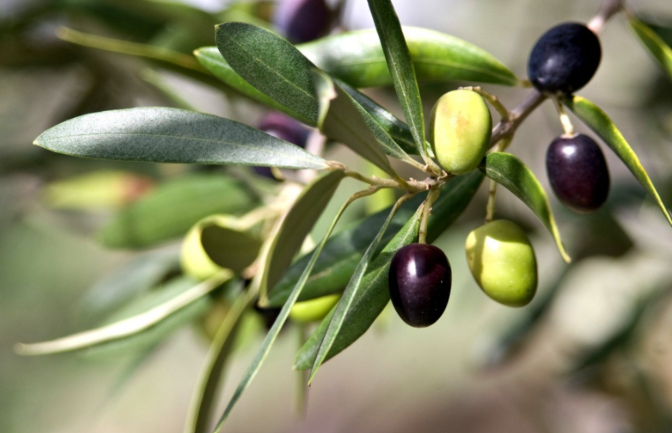
Types of olives all share one genuinely universal trait worth knowing before anything else: every single one is actually inedible straight off the tree, thanks to a naturally occurring bitter compound called oleuropein that makes a fresh, unprocessed olive genuinely unpalatable regardless of variety. That’s exactly why every table olive on this list has gone through some form of curing, whether that’s a brine soak, a lye treatment, a dry salt cure, or simply extended time on the tree, before it ever reaches a jar or a plate.
That curing process varies considerably by region and tradition, and it shapes the final olive’s flavor and texture almost as much as the variety itself does. A Spanish-style brine cure produces a genuinely different result than a Greek natural fermentation, and a handful of varieties, most notably Greece’s Throuba, skip a formal curing process altogether, left to partially dry and naturally lose their bitterness right on the tree instead. Understanding that an olive’s final character comes from both its genetics and its specific processing method explains why 2 olives from closely related trees can taste completely different once they’re ready to eat.
The broader olive world also splits into 2 genuinely overlapping but distinct purposes, oil production and table eating, and while many varieties lean heavily toward one use or the other, a considerable number serve both roles depending on when and how the fruit is harvested. Spain, Italy, and Greece together account for the vast majority of the world’s most historically significant olive varieties, though genuinely important cultivars have also emerged from France, Morocco, the broader Middle East, and California’s more recently established groves.
The University of California Davis’s Olive Center documents variety characteristics and curing methods across the vast majority of olives covered here in more technical detail than a general list can. What follows covers 35 types of olives.
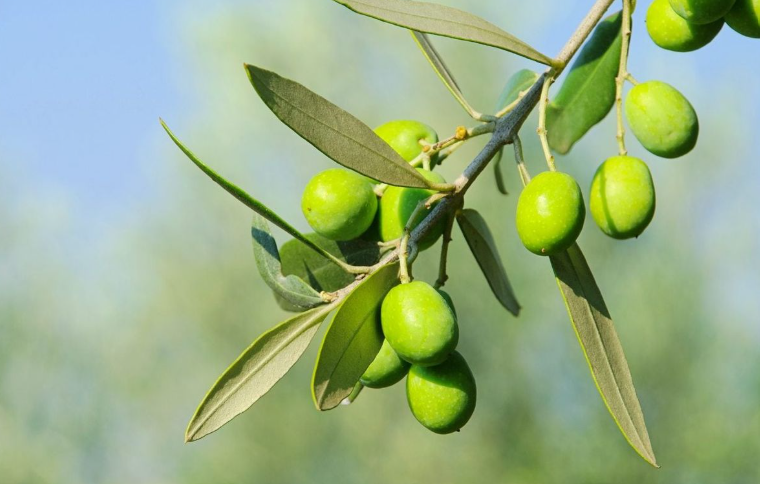
Manzanilla
Manzanilla is genuinely the most widely grown table olive variety in Spain, its mild, slightly nutty flavor and reliably meaty texture making it a global standard for a classic green Spanish olive. Its considerable versatility has made it a popular base for stuffed olives, particularly with pimento.
It thrives in a warm Mediterranean climate, its considerable productivity and consistent quality having made it Spain’s default table olive export for generations.
Gordal
Gordal, also called Sevillana, produces genuinely large, meaty green olives prized specifically for their substantial size and firm bite. Its considerable size has made it a favorite for eating on its own rather than for oil production, where its lower oil content offers less commercial value.
It thrives in a warm Mediterranean climate, its considerable fruit size requiring careful harvesting to avoid bruising the delicate skin.
Picual
Picual is genuinely the most widely planted olive variety in the world by total acreage, concentrated heavily in Spain’s Jaén province, and it produces oil with considerable natural stability and a robust, slightly bitter, peppery flavor. Its remarkable resistance to oxidation gives Picual oil a genuinely long shelf life compared to many other varieties.
It tolerates drought and heat well, thriving in exactly the hot, dry conditions common across its native southern Spanish growing region. The International Olive Council’s variety database documents Picual’s status as the world’s most widely planted olive variety by total acreage.
Arbequina
Arbequina produces small fruit and a genuinely mild, buttery, fruity oil that’s made it one of the most popular oil olive varieties for both traditional Spanish groves and newer plantings in California and elsewhere. Its considerable adaptability to high-density, mechanically harvested groves has made it a favorite among modern commercial olive oil producers.
It tolerates a range of soil conditions and climates, its genuine adaptability having driven its rapid global spread well beyond its native Catalonia.
Hojiblanca
Hojiblanca serves a genuinely dual purpose in Spain, used both as a table olive and for oil production, its name referencing the whitish underside of its leaves. Its oil carries a considerably grassy, slightly bitter character, while its table olive form offers a firm, meaty texture.
It thrives in a warm Mediterranean climate, its dual-purpose versatility making it a practical choice for growers wanting flexibility between table and oil markets.
Cornicabra
Cornicabra takes its name from the Spanish phrase for “goat horn,” a direct reference to its distinctively curved, elongated fruit shape. Its oil is valued for a considerably robust, slightly bitter and pungent character, prized among Spanish oil producers for its genuine complexity.
It tolerates poor, rocky soil well, thriving in exactly the challenging terrain common across its central Spanish growing region.
Empeltre
Empeltre is grown extensively in Spain’s Aragon region, serving a genuinely dual role as both a table olive and an oil variety, its oil offering a mild, sweet, and notably fruity character. Its considerable versatility has made it a regional staple for centuries.
It tolerates a range of soil conditions, its considerable cold tolerance compared to some other Spanish varieties suiting it to slightly cooler growing sites.
Frantoio
Frantoio is genuinely one of the most important olive varieties in Italy, particularly in Tuscany, its oil prized for a robust, peppery, and notably grassy character considered a benchmark for high-quality Tuscan olive oil. Its considerable pollen compatibility with other varieties has made it a common choice for cross-pollination in mixed groves.
It thrives in a Mediterranean climate, its considerable resistance to cold making it well suited to Tuscany’s occasionally chilly winters.
Also Read: Different Types of Grapes
Leccino
Leccino is often planted alongside Frantoio specifically for cross-pollination purposes, its oil offering a genuinely milder, sweeter, and less bitter profile than its frequent grove companion. Its considerable disease resistance has made it a popular, reliable choice across much of central Italy.
It tolerates a range of soil conditions, its genuine hardiness and reliable yield making it a practical grove staple throughout Italy.
Coratina
Coratina is native to Italy’s Puglia region, producing oil with a genuinely intense, peppery, and notably bitter character considered among the boldest of any Italian variety. Its considerable antioxidant content has drawn real interest from producers marketing a robust, health-forward olive oil style.
It thrives in a warm, dry climate, its considerable intensity of flavor developing most distinctly under Puglia’s hot southern Italian growing conditions.
Taggiasca
Taggiasca is native to Italy’s Liguria region, serving a genuinely dual purpose as both a mild, buttery oil olive and a small, flavorful table olive. Its considerable mildness compared to more assertive southern Italian varieties reflects Liguria’s cooler coastal growing climate.
It tolerates a cooler coastal climate well, thriving in exactly the mild Ligurian conditions that shape its distinctively gentle flavor profile.
Castelvetrano
Castelvetrano, also called Nocellara del Belice, produces genuinely bright green, mild, and notably buttery table olives that have become one of the most popular eating olives in American grocery stores in recent years. Its considerable mildness compared to more traditional briny olives has made it an accessible entry point for newer olive eaters.
It thrives in Sicily’s warm Mediterranean climate, its distinctive bright color and mild flavor reflecting a genuinely specific curing process developed for this variety.
Cerignola
Cerignola produces genuinely large, meaty table olives, available in green, black, and red-tinted forms depending on ripeness at harvest, native to Italy’s Puglia region. Its considerable size and mild flavor have made it a popular choice for eating on its own or as an antipasto component.
It thrives in a warm, dry climate, its considerable fruit size requiring careful hand harvesting to avoid damage.
Moraiolo
Moraiolo is native to Italy’s Umbria region, its oil offering a genuinely robust, peppery character with considerable bitterness, valued as a key component of Umbria’s distinctive olive oil style. Its notable cold tolerance has made it well suited to Umbria’s hillier, cooler terrain compared to warmer coastal olive regions.
It tolerates cooler hillside conditions well, thriving in exactly the elevated Umbrian terrain much of its traditional cultivation occupies.
Kalamata
Kalamata is genuinely the most famous Greek table olive worldwide, its dark purple-black color, smooth almond shape, and rich, fruity flavor making it an internationally recognized olive variety by name alone. Its considerable popularity has made “Kalamata” almost synonymous with premium Greek table olives generally.
It thrives in a warm Mediterranean climate, its considerable name recognition tracing directly back to the specific Greek region of Kalamata where it’s traditionally grown. The UC Davis Olive Center documents curing method differences between Kalamata-style and Spanish-style table olive production.
Koroneiki
Koroneiki is genuinely the most important Greek oil olive variety, its small fruit yielding a remarkably high-quality oil with considerable natural antioxidant content and a notably peppery, grassy flavor. Its considerable prevalence throughout Greek groves has made it central to the country’s international reputation for premium olive oil.
It tolerates drought well, thriving in exactly the hot, dry Mediterranean conditions common across southern Greece.
Halkidiki
Halkidiki produces genuinely large, mild green table olives native to Greece’s Halkidiki peninsula, prized specifically for their substantial size and firm, meaty texture. Its considerable size has made it a popular choice for stuffing, similar in role to Spain’s Gordal variety.
It thrives in a warm Mediterranean climate, its considerable fruit size requiring careful harvesting comparable to other large table olive varieties.
Amfissa
Amfissa serves a genuinely dual purpose in Greece, used both as a table olive and for oil production, its round shape and mild flavor distinguishing it from the more elongated Kalamata. Its considerable versatility has made it a practical, widely grown regional variety around the Greek town it’s named for.
It thrives in a warm Mediterranean climate, its dual-purpose nature reflecting centuries of practical Greek agricultural tradition.
Throuba
Throuba is genuinely unusual among table olives in requiring no formal curing process at all, left to naturally ripen, wrinkle, and lose much of its bitterness right on the tree before harvest. Its distinctively wrinkled appearance and intensely concentrated, slightly bitter flavor set it apart from every brine-cured or lye-cured olive on this list.
It thrives in a warm, dry Mediterranean climate, its unique tree-ripening process depending on exactly the hot, sun-intense conditions southern Greece provides. The University of California Agriculture and Natural Resources program covers the oleuropein-reduction mechanism behind natural tree-ripening curing methods like this one.
Picholine
Picholine is native to France, its elongated green fruit and crisp, notably briny flavor making it one of the most recognizable French table olives, also pressed into a mild, grassy oil in smaller quantities. Its considerable crunch and firm texture have made it a popular addition to a classic French olive plate.
It thrives in a Mediterranean climate, its considerable versatility supporting both table and oil use from the same tree.
Lucques
Lucques is native to France’s Languedoc region, producing genuinely distinctive crescent-shaped green olives with a mild, buttery flavor prized specifically for their unusual shape and gentle taste. Its considerable delicacy compared to brinier French varieties has made it a favorite among specialty olive retailers.
It thrives in a Mediterranean climate, its distinctive curved shape making it genuinely easy to identify on sight compared to most other table olives.
Nyons
Nyons, grown from the Tanche variety, holds a genuine French protected designation of origin status, used for both a distinctive black table olive and a mild, nutty oil. Its considerable regional prestige reflects centuries of specific cultivation around the French town of Nyons.
It tolerates cooler conditions better than many other Mediterranean varieties, thriving in the somewhat more northern French growing region it calls home.
Picholine Marocaine
Picholine Marocaine, despite sharing a name with the French Picholine, is a genuinely distinct Moroccan variety used for both green table olives and oil production. Its considerable importance to Moroccan agriculture reflects the country’s substantial role as a major olive oil producer in its own right.
It tolerates a warm, dry North African climate well, thriving in exactly the arid conditions common across much of Morocco’s olive-growing regions.
Beldi
Beldi is a genuine traditional Moroccan olive variety, used extensively for both table olives and oil, its name referring broadly to the traditional, older olive varieties long cultivated across the country before more modern commercial cultivars became common. Its considerable diversity as a traditional landrace type means it can vary somewhat from region to region.
It tolerates poor, rocky soil and drought well, reflecting generations of adaptation to Morocco’s challenging traditional growing conditions.
Mission
Mission is a genuinely historic olive variety brought to California by Spanish missionaries in the 18th century, serving a dual role as both a table olive and an oil variety throughout the state’s earliest commercial groves. Its considerable historical significance made it the backbone of California’s early olive industry before more specialized modern varieties gained wider adoption.
It tolerates California’s warm, dry Mediterranean-style climate well, reflecting the same growing conditions Spanish missionaries originally selected the variety for. The UC Davis Olive Center documents Mission’s historical role in establishing California’s commercial olive industry.
Sevillano
Sevillano, California’s version of Spain’s Gordal, produces genuinely large, meaty table olives valued specifically for their substantial size in American commercial groves. Its considerable size mirrors its Spanish counterpart’s role as a favorite for eating whole or stuffed.
It thrives in California’s warm, dry climate, its considerable fruit size requiring the same careful hand harvesting large olive varieties generally need.
Manzanillo
Manzanillo is California’s cultivated version of Spain’s Manzanilla, adapted to American commercial growing conditions while retaining much of the same mild flavor and reliable productivity as its Spanish namesake. Its considerable popularity in California groves reflects decades of successful adaptation since its original introduction.
It thrives in California’s Mediterranean-style climate, its considerable similarity to the original Spanish variety reflecting a relatively direct agricultural transplant.
Souri
Souri is a genuine olive variety significant throughout Lebanon and Syria, valued for both oil production and table use, its name referencing the ancient Phoenician port city of Tyre. Its considerable historical importance in the eastern Mediterranean reflects thousands of years of continuous regional cultivation.
It tolerates a warm, dry eastern Mediterranean climate well, thriving in exactly the growing conditions its native Levantine region provides.
Nabali
Nabali is a genuine olive variety native to Palestine and the broader Levant region, valued for producing a notably mild, low-acidity oil considered among the region’s finest. Its considerable cultural and agricultural significance in Palestinian olive growing reflects centuries of continuous traditional cultivation.
It tolerates rocky, poor soil and drought well, reflecting generations of adaptation to the challenging hillside terrain common across its native growing region.
Niçoise
Niçoise produces genuinely small, dark, and notably briny olives native to France’s Provence region, famously featured in the classic salad that shares its name. Its considerable small size and intense flavor mean it’s used sparingly rather than as a primary ingredient, adding concentrated briny depth to a dish.
It thrives in a warm Mediterranean climate, its small fruit size reflecting the specific regional tree variety long cultivated around the French city of Nice.
Ascolana
Ascolana is native to Italy’s Marche region, its genuinely large, tender fruit specifically prized for olive ascolana, a beloved regional dish featuring the olive pitted, stuffed, breaded, and fried. Its considerable tenderness compared to firmer table olives makes it particularly well suited to that specific stuffing and frying preparation.
It thrives in a warm Mediterranean climate, its distinctive culinary use having made it a genuinely specialized variety compared to more general-purpose table olives.
Verdial
Verdial is grown extensively in Spain, serving both table and oil purposes, its name referencing the greenish tint the fruit retains even at a relatively advanced stage of ripeness. Its oil offers a notably fruity, mild character valued by producers seeking a gentler flavor profile.
It thrives in a warm Mediterranean climate, its considerable versatility supporting both table olive and oil markets from the same harvest.
Barnea
Barnea is a genuinely modern olive variety developed in Israel, bred specifically for high productivity and adaptability to mechanical harvesting, serving both table and oil purposes. Its considerable commercial success has spread its cultivation well beyond Israel into other modern olive-growing regions seeking efficient, high-yield trees.
It tolerates a range of soil conditions and climates, its genuine adaptability reflecting deliberate modern breeding aimed at commercial grove efficiency.
Gaeta
Gaeta is native to Italy, producing genuinely small, wrinkled, dry-cured black olives with a concentrated, slightly bitter flavor distinct from the smoother, brine-cured Italian varieties elsewhere on this list. Its considerable intensity makes it a favorite for cooking, particularly in sauces and braised dishes where its bold flavor can stand up to other ingredients.
It thrives in a warm Mediterranean climate, its dry-curing process concentrating flavor in a way that sets it apart from most other table olive preparations.
Picudo
Picudo is grown in Spain, its name referencing the fruit’s slightly pointed tip, used primarily for oil production with a notably sweet, fruity, and mild flavor profile. Its considerable gentleness compared to more assertive Spanish varieties like Picual has made it a popular choice for blending into a smoother finished oil.
It thrives in a warm Mediterranean climate, its mild flavor profile making it a genuinely useful blending component alongside more robust, peppery Spanish oil varieties.
Key Takeaways
Types of olives vary widely in fruit size, shape, color, flavor, texture, and oil content. Some varieties are mainly grown as table olives, while others are valued for olive oil production, and a number can be used for both purposes depending on how they are harvested and processed.
Olive fruit can change color as it matures, often progressing from green to shades of purple, brown, or black. Flavor and texture also differ between varieties, with factors such as ripeness, growing conditions, and processing methods influencing the final taste and quality.
Olive trees generally perform best in sunny locations with well-drained soil and a climate that provides warm growing conditions. Proper watering, pruning, nutrition, and protection from pests and diseases can support healthy trees and improve fruit production.
When choosing an olive variety, consider the intended use, local climate, mature tree size, harvest period, and fruit characteristics. Selecting a variety suited to the growing environment can help produce healthier trees and a more reliable harvest.