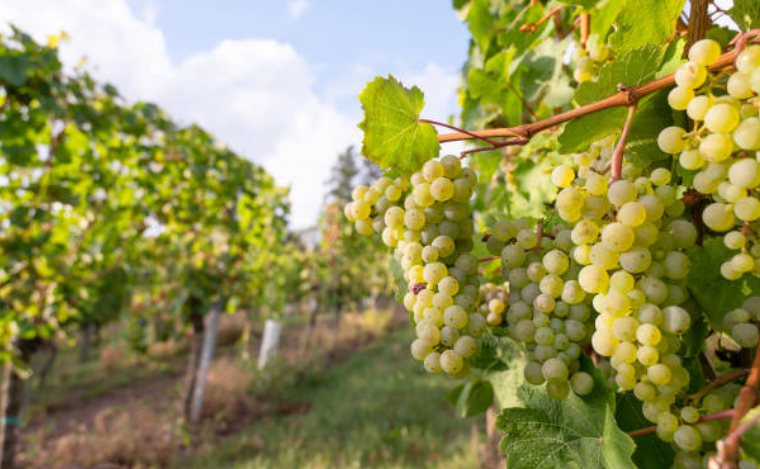
“White grape” is worth being upfront about before diving into specific varieties, since it’s genuinely the standard wine industry umbrella term for the exact same pale-skinned grape category already covered elsewhere as “yellow” and “green” grapes, rather than some entirely separate group with its own distinct genetics. All 3 labels describe grapes that lack the anthocyanin pigment responsible for purple and red coloring, and “white” simply became the conventional trade term used to distinguish these grapes from “red” wine grapes long before anyone thought to get more visually specific about the actual gold, straw, or green tones involved.
Given that overlap, this list is built specifically around varieties genuinely distinct from those covered previously, rather than repeating Chardonnay, Sauvignon Blanc, or Riesling under a different color label. Several of the grapes here carry genuinely significant historical or statistical weight of their own, Airén, for instance, was for decades the single most widely planted grape variety on the entire planet by total vineyard acreage, a genuinely startling fact given how rarely most wine drinkers outside Spain actually encounter it by name.
The varieties below also span a genuinely wide range of specific end uses beyond just still white wine, from Palomino’s essential role in sherry production to Vidal Blanc’s specific value for ice wine in genuinely frigid growing conditions most other white grapes couldn’t survive. That range reflects just how broad the “white grape” umbrella really is once you look past the small handful of internationally famous varieties most casual wine drinkers already know by name.
The University of California Davis’s Foundation Plant Services grape program maintains detailed genetic and historical records for the vast majority of varieties covered here. What follows covers 18 types of white grapes, including their origin and other relevant statistics and uses.
Pinot Blanc
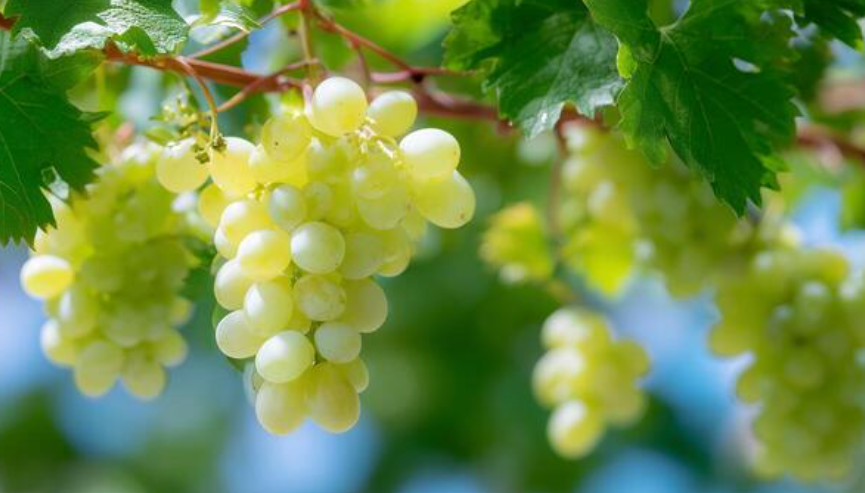
Pinot Blanc is genuinely a white-skinned color mutation within the broader Pinot family, sharing that family’s well-documented genetic instability while producing pale, straw-colored fruit rather than Pinot Noir’s dark skin or Pinot Gris’s pinkish-gray tone. Its use is almost exclusively for dry white wine, particularly prominent throughout Alsace, France and northern Italy, where it’s also known as Pinot Bianco.
It thrives in a cool to moderate climate, its considerable versatility supporting both crisp, everyday white wine and more structured, food-focused styles.
Marsanne
Marsanne originated in France’s Rhône Valley, its pale golden skin and considerable body and richness making it a genuine cornerstone of white Rhône blends, traditionally paired with its frequent blending partner Roussanne. Its use is almost exclusively for dry white wine, prized specifically for a fuller-bodied style compared to lighter, more aromatic white grapes.
It thrives in a warm climate, its considerable resistance to oxidation making it well suited to barrel aging that would spoil a more delicate white wine grape.
Roussanne
Roussanne is native to France’s Rhône Valley alongside Marsanne, its distinctly russet-tinged pale skin, which gives the grape its name, producing aromatic, textured white wine with considerable natural acidity. Its use spans both varietal white wine and blending, historically paired with Marsanne specifically to balance that grape’s fuller body against Roussanne’s brighter acidity.
It demands careful vineyard management, its considerable susceptibility to certain vine diseases having historically limited its cultivation compared to its more resilient blending partner.
Also Read: Different Types of Yellow Grapes
Vermentino
Vermentino is grown extensively along the Mediterranean coastlines of Italy and France, its pale green-gold skin and considerable natural acidity producing crisp, saline-tinged dry white wine especially associated with the island of Sardinia. Its use is almost exclusively for varietal white wine, genuinely popular as a warm-weather pairing with coastal Mediterranean seafood.
It tolerates genuine coastal heat and salt exposure remarkably well, thriving in exactly the sun-baked, breezy conditions its Mediterranean growing regions provide.
Falanghina
Falanghina is a genuinely ancient variety native to Italy’s Campania region, believed by some ampelographers to be among the grapes used in wine production during the Roman Empire, its pale golden skin producing aromatic, food-friendly dry white wine. Its use is almost exclusively for varietal white wine, having experienced a genuine revival in recent decades after nearly disappearing from wider cultivation.
It thrives in volcanic soil, its considerable mineral character often linked to the volcanic vineyards common throughout its native Campania region.
Fiano
Fiano is another genuinely ancient variety from Italy’s Campania region, historically prized enough to have been mentioned in agricultural writings dating back centuries, its golden skin producing rich, aromatic dry white wine with real aging potential unusual among Italian whites. Its use is almost exclusively for premium varietal white wine, particularly in the Fiano di Avellino designation.
It thrives in a warm, hillside climate, its considerable aging potential setting it apart from most other Italian white grapes typically consumed young.
Garganega
Garganega is native to Italy’s Veneto region, its pale golden skin serving as the primary grape behind Soave, one of Italy’s most widely exported and internationally recognized white wine styles. Its use is almost exclusively for dry white wine, ranging from simple, everyday Soave to genuinely more concentrated, age-worthy versions from top vineyard sites.
It thrives in volcanic hillside soil, its considerable productivity and reliable ripening having made it a genuinely significant commercial variety throughout its native region.
Also Read: Different Types of Red Grapes
Furmint
Furmint is native to Hungary, its thin, golden skin’s considerable susceptibility to noble rot making it the essential grape behind Tokaji, one of the world’s most historically significant sweet wines. Its use spans both that famous sweet wine style and, increasingly, genuinely excellent dry white wine as well.
It thrives in a climate with genuine autumn humidity, those damp conditions being exactly what encourages the noble rot its legendary sweet wine production depends on. The UC Davis Department of Viticulture and Enology documents noble rot’s confirmed biochemical mechanism, relevant to both Furmint and Semillon’s shared reliance on the same beneficial fungal infection.
Palomino
Palomino is native to Spain, its pale golden skin and considerable neutral flavor profile making it the essential grape behind sherry, one of the world’s most distinctive fortified wine styles. Its use is almost entirely dedicated to sherry production in and around the town of Jerez, with only a small amount used for unfortified table wine.
It thrives in the chalky albariza soil common throughout its native sherry-producing region, that specific soil type playing a genuinely significant role in the wine’s distinctive character.
Airén
Airén is native to Spain, and for decades it held the genuine distinction of being the single most widely planted grape variety on the entire planet by total vineyard acreage, largely due to its extensive cultivation across Spain’s arid La Mancha region. Its use spans dry white wine, brandy production, and historically bulk wine, reflecting its considerable drought tolerance and reliable productivity in a genuinely difficult growing climate.
It tolerates genuine drought better than almost any other classic white wine grape, thriving in exactly the hot, dry conditions across central Spain that would challenge most other varieties. The University of California Agriculture and Natural Resources program documents Airén’s historical status as the world’s most widely planted grape variety by total acreage.
Colombard
Colombard originated in France, historically significant as one of the primary grapes used in Cognac and Armagnac brandy production due to its considerable natural acidity and productivity. Its use has expanded well beyond brandy into crisp, everyday dry white wine, particularly in South Africa and California.
It tolerates a range of climates, its considerable acidity retention even at high yields making it genuinely well suited to both brandy distillation and light table wine production.
Picpoul
Picpoul is native to France’s Languedoc region, its name translating roughly to “lip stinger” in reference to its considerable natural acidity, producing crisp, briny dry white wine genuinely popular as a seafood pairing along the Mediterranean coast. Its use is almost exclusively for varietal white wine, having grown considerably in international recognition over the past few decades.
It tolerates genuine coastal heat and wind well, thriving in exactly the sun-baked Languedoc vineyards close to the Mediterranean where it’s traditionally grown.
Grillo
Grillo is native to Sicily, its golden skin and considerable natural sugar content historically making it one of the primary grapes used in Marsala fortified wine production. Its use has expanded significantly in recent decades toward crisp, aromatic dry varietal white wine as Sicilian winemaking has shifted toward table wine production.
It tolerates genuine heat and drought well, thriving in exactly the hot, dry Mediterranean island conditions Sicily provides.
Also Read: Different Types of Seedless Grapes
Catarratto
Catarratto is native to Sicily and was historically among the most extensively planted white grape varieties on the entire island, valued for its considerable productivity and reliable ripening in a hot, dry climate. Its use spans everyday dry white wine and, historically, Marsala production, reflecting decades of practical, high-volume Sicilian cultivation.
It thrives in a warm, dry climate, its considerable productivity having made it a genuine commercial workhorse throughout Sicilian viticulture for generations.
Vidal Blanc
Vidal Blanc is a French-American hybrid variety, developed specifically for cold hardiness and genuinely well suited to the extreme conditions ice wine production requires, where grapes are left on the vine until they freeze solid before pressing. Its use is heavily concentrated in ice wine production throughout Canada and the American Midwest, alongside a smaller amount of conventional dry white wine.
It tolerates genuinely extreme cold, its hybrid parentage giving it real hardiness that lets it survive the hard freezes ice wine production specifically requires. The Cornell University Cooperative Extension’s grape breeding program documents Vidal Blanc’s cold-hardy hybrid parentage and its significance to cold-climate ice wine production.
Müller-Thurgau
Müller-Thurgau was developed in Switzerland in 1882 by botanist Hermann Müller, a cross most commonly identified as Riesling and Madeleine Royale, and it went on to become genuinely one of the most widely planted grape varieties in Germany throughout the 20th century. Its use is almost exclusively for approachable, aromatic dry to off-dry white wine, historically valued for ripening reliably even in a cooler, marginal climate that would challenge Riesling itself.
It tolerates a genuinely cool climate and ripens earlier than Riesling, a real practical advantage that made it a dependable choice for growers in Germany’s more northern, marginal vineyard sites.
Xarel-lo
Xarel-lo is native to Spain’s Catalonia region, its thick, golden skin and considerable natural acidity making it one of the 3 traditional grapes, alongside Macabeo and Parellada, used in the production of Cava, Spain’s signature sparkling wine. Its use is almost entirely dedicated to that traditional method sparkling wine, with a smaller amount also made into still varietal white wine in recent years.
It tolerates genuine heat and drought well, its considerable thick skin helping protect the fruit through Catalonia’s warm Mediterranean growing season.
Rkatsiteli
Rkatsiteli is native to Georgia, a country widely considered by archaeologists to be the birthplace of winemaking itself, and it’s genuinely among the oldest cultivated grape varieties still grown anywhere in the world today. Its use spans dry and semi-sweet white wine, and it remains one of the most extensively planted white grapes across Eastern Europe and the former Soviet republics.
It tolerates genuinely harsh winters and a wide range of soil conditions, a considerable hardiness that’s helped it remain in continuous cultivation across a demanding climate for thousands of years.
Also Read: Different Types of Grapes
Key Takeaways
Types of white grapes include varieties with fruit ranging from pale green and yellow-green to golden or amber when fully ripe. They vary in size, shape, sweetness, acidity, texture, seed characteristics, and ripening time, with some grown mainly for fresh eating and others used for juice, raisins, or wine.
White grapes can have a wide range of flavors depending on the variety and growing conditions. Some are crisp and sweet, while others have noticeable acidity or distinctive fruity and floral aromas. Both seeded and seedless varieties are available, with different types suited to fresh consumption or processing.
White grapevines generally need plenty of sunlight, well-drained soil, good airflow, and adequate support. Regular watering during active growth, appropriate pruning, balanced nutrition, and monitoring for pests and diseases can help maintain healthy vines and encourage quality fruit production.
When selecting a white grape variety, consider the local climate, intended use, fruit characteristics, harvest period, and available growing space. Choosing a variety suited to the growing environment can improve vine health and help produce a reliable harvest.