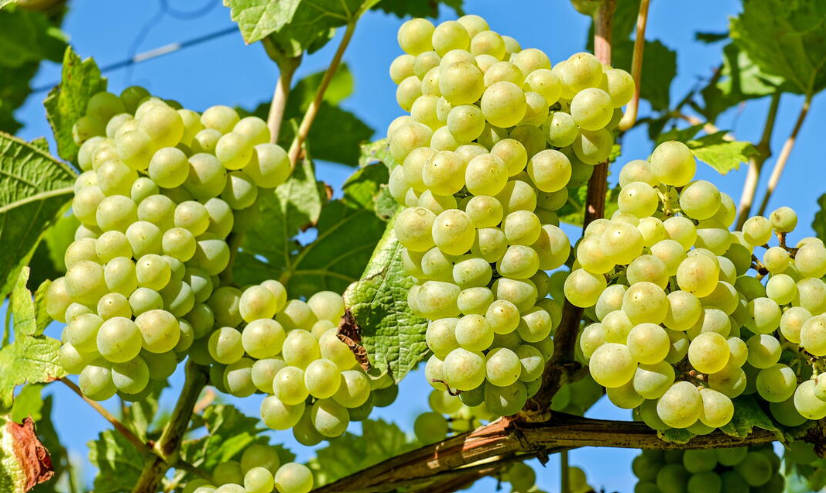
Several grapes on this list carry the word “green” directly in their own name, and that’s not a coincidence of translation, it’s a genuine acknowledgment from the growers who named them centuries ago that this particular variety’s skin color was distinctive enough to define the grape itself. Grüner Veltliner literally translates from German as “green Veltliner,” Verdejo derives from the Spanish word for green, and Verdicchio traces to the Italian “verde” for the exact same reason, 3 genuinely unrelated grapes from 3 different countries independently arriving at the same descriptive instinct.
“Green grapes” also functions as something of a catchall consumer term at the grocery store, where it’s applied fairly loosely to whatever pale, vividly green seedless table grape happens to be in season, regardless of the specific variety’s actual name. That everyday usage sits somewhat apart from the more precise, historically rooted “green” naming found among the wine grapes on this list, even though both categories share the same underlying genetics: an absence of the anthocyanin pigment responsible for purple and red coloring, leaving the grape’s natural chlorophyll to show through in a genuinely vivid green rather than the deeper gold seen in many other pale-skinned varieties.
Origin and documentation quality vary considerably across this list, much like they did for the purple, yellow, and red grapes covered separately. A centuries-old European wine grape with a name literally describing its own color tends to come with genuinely well-established historical records, while a modern commercial table grape variety may have a comparatively thin public paper trail behind its specific breeding origin.
The University of California Davis’s Foundation Plant Services grape program maintains detailed genetic and historical records for the vast majority of varieties covered here. What follows covers 15 types of green grapes, including their origin and other relevant statistics and uses.
Thompson Seedless
Thompson Seedless traces its origin to ancient Middle Eastern and Turkish cultivation before being popularized in California by grower William Thompson in the late 19th century, its vividly green skin belonging to genuinely the most widely planted table and raisin grape in the world today. Its considerable versatility, used fresh, dried into raisins, and for juice and wine production, makes it the archetypal “green grape” most shoppers picture at a grocery store.
It thrives in a warm, dry climate, its considerable sugar content and seedless fruit making it particularly well suited to raisin production specifically. The University of California Agriculture and Natural Resources program documents Thompson Seedless’s status as the world’s most widely cultivated grape variety by total acreage.
Perlette
Perlette was developed in California through a USDA breeding program, bred specifically for its genuinely early ripening window, reaching market before many other green seedless table grapes are ready for harvest. Its considerable use is limited almost entirely to fresh eating, prized specifically for that early-season availability.
It thrives in a warm, dry climate, its early ripening window reflecting deliberate breeding selection aimed at extending the green table grape season toward the start of summer.
Also Read: Different Types of Yellow Grapes
Sugraone
Sugraone, also marketed as Superior Seedless, was developed in California specifically for its genuinely large berry size and crisp texture, becoming one of the most widely grown green seedless table grapes in commercial production. Its considerable size and mild sweetness are used exclusively for fresh eating.
It thrives in a warm, dry climate, its considerable commercial success reflecting deliberate breeding aimed squarely at consumer size and texture preferences.
Princess Grape
Princess grape was developed for the fresh table grape market, bred specifically for its genuinely large, oval-shaped berries and notably sweet, mild flavor with a subtle floral note. Its considerable size and pleasant crunch are used exclusively for fresh eating.
It thrives in a warm, dry climate, its distinctive elongated shape making it a genuinely recognizable specialty item alongside more common round green grape varieties.
Autumn King
Autumn King was developed specifically for its genuinely large berry size and notably late harvest window, extending the green seedless table grape season considerably further into fall than many earlier-ripening varieties. Its considerable size and crisp texture are used exclusively for fresh eating.
It thrives in a warm, dry climate, its late ripening window reflecting deliberate breeding selection aimed specifically at season extension.
Calmeria
Calmeria is a genuinely older green table grape variety, historically valued for its elongated shape and considerable ability to store well over extended periods before modern refrigerated shipping made produce logistics easier. Its use has always been limited to fresh eating rather than wine or raisin production.
It thrives in a warm, dry climate, its genuine storage capability reflecting real value in an earlier era of American grape distribution.
Also Read: Types of Red Grapes
Perlon
Perlon is a genuinely less common green seedless table grape variety, valued for its crisp texture and reliably sweet flavor, used almost exclusively for fresh eating in markets where it’s available. Its considerable rarity compared to more widely distributed varieties like Thompson Seedless makes it something of a regional specialty.
It thrives in a warm, dry climate, its more limited commercial distribution reflecting a genuinely smaller share of the overall table grape market.
Muscat Ottonel
Muscat Ottonel originated in France in the 19th century as a lighter, earlier-ripening member of the broader Muscat family, its pale green skin and distinctly floral aroma used almost exclusively for aromatic white wine production, particularly throughout Alsace and Central Europe. Its considerably lighter body compared to other Muscat varieties has made it a genuinely popular choice for a lighter, more delicate aromatic wine style.
It tolerates a cooler climate better than most other Muscat varieties, its considerable adaptability reflecting deliberate 19th-century breeding aimed at extending Muscat cultivation into marginal wine regions.
Verdejo
Verdejo, whose name derives directly from the Spanish word for green, is native to the Rueda region of Spain, its vividly green-toned skin and considerable natural acidity producing crisp, aromatic dry white wine. Its use is almost exclusively for varietal white wine, prized specifically for a fresh, herbaceous character that’s made Rueda one of Spain’s most respected white wine regions.
It thrives in a continental climate with genuine temperature swings between day and night, developing considerable aromatic complexity under those fluctuating conditions.
Verdelho
Verdelho, genuinely distinct from the similarly named Verdejo despite frequent confusion between the two, is native to Portugal, historically significant on the island of Madeira where it’s one of the traditional grapes used in fortified Madeira wine production. Its use extends beyond Madeira into dry table wine production, particularly in Australia, where it’s become a genuinely popular varietal white wine.
It tolerates volcanic soil and a warm maritime climate well, thriving in exactly the conditions its native Madeira and Portuguese mainland growing regions provide.
Grüner Veltliner
Grüner Veltliner, whose name literally translates from German as “green Veltliner,” is genuinely Austria’s signature and most widely planted white wine grape, its distinctly green-toned skin and considerable peppery, mineral character setting it apart from most other European white wines. Its use is almost exclusively for dry white wine, ranging from simple, everyday styles to genuinely age-worthy premium bottlings from top vineyard sites.
It thrives in a cool climate, its considerable peppery character developing most distinctly in exactly the cooler Austrian growing conditions the grape is most associated with. The UC Davis Department of Viticulture and Enology documents Grüner Veltliner’s status as Austria’s most widely planted grape variety.
Verdicchio
Verdicchio, whose name derives from the Italian word “verde” for green, is native to Italy’s Marche region, its distinctly green-gold skin and considerable natural acidity producing crisp, food-friendly dry white wine. Its use is almost exclusively for varietal white wine, historically sold in a distinctive amphora-shaped bottle that became genuinely iconic to the variety’s regional identity.
It thrives in a warm, hillside climate, its considerable acidity and mineral character reflecting the specific coastal Adriatic growing conditions of its native Marche region.
Melon de Bourgogne
Melon de Bourgogne originated in Burgundy, France, though it’s become genuinely far more strongly associated with the Loire Valley’s Muscadet region today, where its pale green-yellow skin and neutral, mineral-driven character produce crisp, food-friendly dry white wine. Its use is almost exclusively for the Muscadet wine style, particularly favored as a pairing with fresh seafood along France’s Atlantic coast.
It tolerates a cool, maritime climate well, thriving in exactly the coastal conditions its adopted Loire Valley growing region provides.
Assyrtiko
Assyrtiko is native to the Greek island of Santorini, its distinctly green-gold skin and remarkable natural acidity, even when grown in intense volcanic heat, making it one of the most respected and increasingly internationally recognized Greek white wine grapes. Its use is almost exclusively for dry white wine, prized specifically for the genuinely striking mineral intensity its volcanic island terroir produces.
It tolerates genuine drought and poor volcanic soil remarkably well, its vines traditionally trained low and coiled into basket shapes to protect the fruit from Santorini’s considerable island winds. The University of California Agriculture and Natural Resources program documents Assyrtiko’s remarkable acid retention even under intense heat, a genuinely unusual trait among warm-climate white grapes.
Godello
Godello is native to the Galicia region of northwestern Spain, its green-gold skin and considerable natural richness producing dry white wine that nearly disappeared from cultivation in the mid-20th century before a dedicated revival effort brought it back into wider production. Its use is almost exclusively for varietal white wine, increasingly recognized among wine critics as one of Spain’s more promising native white grape revivals.
It thrives in a cooler, hillside climate, its considerable richness and body setting it apart from the lighter, crisper style many other Spanish white grapes typically produce.
Also Read: Types of Grapes From Around the World
Key Takeaways
Types of green grapes include varieties that range from pale green and yellow-green to golden-green when ripe. They differ in fruit size, shape, sweetness, acidity, texture, seed characteristics, and ripening time, with some varieties grown mainly for fresh eating and others used for juice, raisins, or wine.
Green grapes can have different flavor profiles depending on the variety and growing conditions. Some are crisp and sweet, while others have more noticeable acidity or distinctive fruity and aromatic flavors. Seedless varieties are popular for fresh consumption, while seeded varieties are also grown for various culinary and processing uses.
Green grapevines generally need plenty of sunlight, well-drained soil, good air circulation, and sturdy support for their climbing growth. Regular watering during active growth, proper pruning, balanced nutrition, and monitoring for pests and diseases can help maintain healthy vines and encourage fruit production.
When choosing a green grape variety, consider the local climate, intended use, fruit characteristics, harvest period, and available space. Selecting a variety suited to the growing environment can improve vine health and help produce a consistent harvest of high-quality grapes.