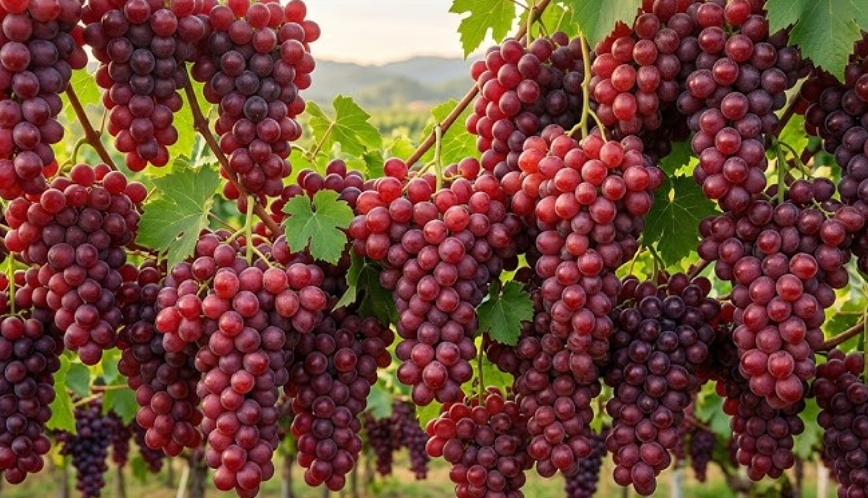
Ampelography, the actual scientific discipline devoted to identifying and classifying grapevines, currently recognizes somewhere in the neighborhood of 10,000 distinct named grape varieties worldwide, a genuinely staggering number considering how few of them ever show up on a wine list or a produce shelf. Red-skinned grapes make up a considerable slice of that total, and narrowing the field down to 21 genuinely notable examples means leaving out thousands of regional and historical varieties most drinkers will never encounter by name.
What actually earns a grape a spot on a list like this one has less to do with fame and more to do with a genuinely distinct role each variety plays, whether that’s centuries of documented winemaking history, a specific and verifiable breeding origin, or simple commercial ubiquity on a grocery shelf. Nebbiolo, for instance, has stayed in continuous cultivation for centuries specifically because its pale, light-colored skin somehow produces one of Italy’s most tannic and age-worthy red wines, a genuine paradox that’s kept ampelographers and winemakers alike fascinated with the grape long after more visually striking varieties have come and gone.
That distinction between visual color and the wine’s actual character runs throughout this whole category. A red grape’s skin color and its tannin structure are controlled by genuinely separate grape chemistry, meaning a pale-skinned variety can still produce a genuinely powerful, long-aging wine, and a deeply colored one doesn’t automatically guarantee real intensity in the glass. Origin stories and hard statistics vary just as considerably across this list, with centuries-old European varieties offering considerably richer documented history than a modern, commercially bred table grape whose development details may simply be less publicized.
The University of California Davis’s Foundation Plant Services grape program maintains detailed genetic and historical records for the vast majority of varieties covered here. What follows covers 21 types of red grapes, including their origin and other relevant statistics, data, and uses.
Pinot Noir
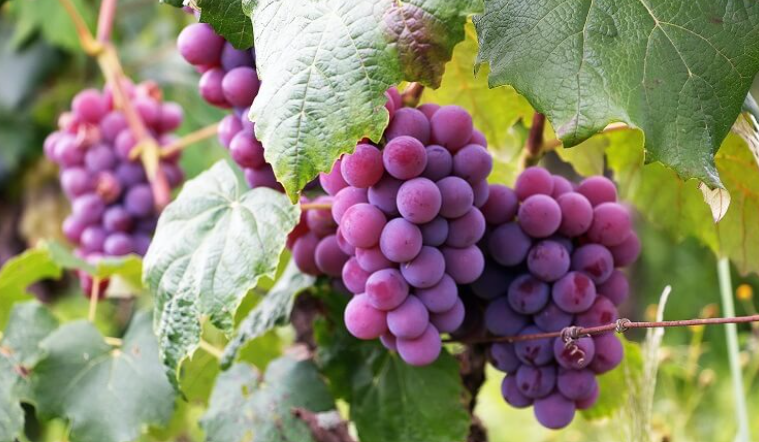
Pinot Noir is genuinely among the oldest cultivated grape varieties still grown today, documented in Burgundy, France since Roman times, its thin skin producing a pale ruby-garnet wine color despite the grape’s considerable reputation for complexity and age-worthiness. It’s used almost exclusively for dry red wine and as a key component of traditional method sparkling wine, including Champagne, where it’s blended with white grapes despite its own red skin.
It demands a genuinely cool climate and careful vineyard management, its thin skin making it considerably more disease-prone than thicker-skinned varieties. The UC Davis Department of Viticulture and Enology documents the genuine biochemical distinction between anthocyanin concentration and tannin structure that explains Pinot Noir’s pale color despite its considerable complexity.
Gamay
Gamay originated in France’s Burgundy region before becoming genuinely synonymous with Beaujolais, its light, bright red color and low tannin structure producing wine meant to be enjoyed young rather than cellared for decades. Its considerable use in Beaujolais Nouveau, released just weeks after harvest each November, has made it one of the most recognizable fast-turnaround red wines in the world.
It thrives in granite-based soil, its considerable fruitiness and light body reflecting deliberate winemaking choices as much as the grape’s own genuine chemistry.
Grenache
Grenache, called Garnacha in its native Spain, likely originated in the Aragon region before spreading extensively throughout southern France, its relatively thin skin producing a medium-red wine color despite genuinely high sugar and alcohol potential. It’s used both as a varietal red wine and as a foundational blending grape throughout Rhône Valley and Spanish wine production.
It tolerates genuine heat and drought better than most other classic wine grapes, thriving in exactly the arid conditions common across its Mediterranean growing range.
Also Read: Types of Red Purple Grapes
Barbera
Barbera is genuinely one of the most widely planted red grape varieties in Italy’s Piedmont region, its medium ruby-red color and considerable natural acidity, even at full ripeness, making it a genuinely food-friendly wine style historically valued as an everyday drinking wine. Its use has expanded in recent decades toward genuinely serious, age-worthy bottlings alongside its traditional everyday role.
It thrives in a warm climate, ripening reliably even in a site too warm or low-lying for the more demanding Nebbiolo grown in the same region.
Nebbiolo
Nebbiolo is a genuinely ancient Italian variety native to the Piedmont region, its pale garnet color creating a genuine, well-documented paradox against the substantial tannin and acidity the grape actually produces. It’s used almost exclusively for serious, age-worthy dry red wine, including Barolo and Barbaresco, 2 of Italy’s most respected and collectible wine styles.
It demands a genuinely specific combination of soil and climate to ripen properly, part of why its cultivation remains largely concentrated in its native Piedmont region.
Sangiovese
Sangiovese is genuinely the most widely planted red wine grape in Italy, its medium ruby-red color and considerable acidity forming the backbone of Chianti and several other classic Tuscan wines. Its use ranges from simple, everyday table wine to genuinely age-worthy premium bottlings, reflecting the grape’s considerable stylistic versatility.
It thrives in a warm, Mediterranean climate, its considerable versatility supporting a genuinely wide range of finished wine styles from the same fruit.
Cinsault
Cinsault originated in the south of France, its notably pale red skin and low tannin structure making it a favorite grape for rosé wine production specifically, though it also appears in red blends throughout the Rhône Valley and North Africa. Its considerable heat tolerance has made it a historically significant grape in both southern France and former French colonial wine regions.
It tolerates genuine heat and drought well, thriving in exactly the hot, dry Mediterranean conditions much of its traditional growing range provides.
Zweigelt
Zweigelt was developed in Austria in 1922 through a deliberate cross of Blaufränkisch and St. Laurent, and it’s since become genuinely the most widely planted red grape variety in the country. Its medium-red color and approachable, fruit-forward character are used almost exclusively for varietal red wine, prized specifically for everyday drinkability.
It tolerates a cooler climate well, its considerable Austrian breeding heritage reflecting deliberate selection for hardiness in a marginal red wine growing region. The University of California Agriculture and Natural Resources program documents 1922 as the confirmed year of Zweigelt’s original breeding cross.
Blaufränkisch
Blaufränkisch is a genuinely old Central European variety, historically significant throughout Austria and Hungary, its medium-deep red color and considerable spicy, peppery character setting it apart from many lighter red grapes on this list. It’s used almost exclusively for varietal red wine, and it also happens to be one of Zweigelt’s 2 parent grapes.
It tolerates cool growing conditions, thriving across Central Europe’s more marginal red wine climate considerably better than many Mediterranean red varieties could manage.
Tempranillo
Tempranillo is genuinely Spain’s most important red wine grape, its name derived from the Spanish word for “early,” referencing its tendency to ripen earlier than many other Spanish varieties, and its medium-red color supports both everyday and genuinely age-worthy premium wine styles. Its considerable presence throughout Rioja and Ribera del Duero has made it central to Spain’s wine industry and identity.
It thrives in a continental climate with genuine temperature variation between day and night, developing more complex flavor under those fluctuating conditions.
Also Read: Types of Yellow Grapes
Red Globe
Red Globe was developed in California, bred specifically for its genuinely large fruit size and vivid red color, both valued traits for the fresh table grape market. Its considerable size, among the largest of any commonly grown table grape, is used exclusively for fresh eating rather than wine or raisin production.
It thrives in a warm climate, its considerable fruit size requiring careful vineyard management to develop properly.
Flame Seedless
Flame Seedless was developed through a USDA and University of California breeding program, bred specifically to combine genuine seedlessness with a vivid red color and crisp texture. Its considerable popularity as a fresh eating grape reflects decades of deliberate breeding aimed squarely at consumer preference, and it’s used exclusively as a table grape.
It thrives in a warm, dry climate, its considerable commercial success reflecting the same California breeding infrastructure responsible for several other modern table grape varieties.
Crimson Seedless
Crimson Seedless was developed by the USDA specifically for its genuinely late harvest window and vivid, deep red color, making it one of the most widely available red table grapes in American grocery stores today. Its considerable crunch and mild sweetness are used exclusively for fresh eating.
It thrives in a warm, dry climate, its late-season ripening reflecting deliberate breeding aimed at extending the red table grape season well into fall. The University of California Agriculture and Natural Resources program documents Crimson Seedless’s USDA breeding history and its considerable commercial market share.
Emperor Grape
Emperor grape is a genuinely historic American table grape variety, once among the most widely grown red grapes in California before newer seedless varieties gradually took over shelf space. Its considerable size and firm texture, along with its genuine ability to store well over long periods, made it historically valuable for extending the fresh grape season into winter.
It thrives in a warm, dry climate, its considerable storage ability reflecting genuine value in an era before modern refrigerated shipping made fresh produce logistics considerably easier.
Ruby Seedless
Ruby Seedless was developed in California specifically for its genuinely reliable red color and seedless fruit, offering a dependable table grape option for growers and retailers alike. Its considerable consistency in size and sweetness is used exclusively for fresh eating.
It thrives in a warm, dry climate, its reliable performance reflecting deliberate breeding aimed at consistent commercial production.
Scarlet Royal
Scarlet Royal was developed by the USDA specifically for its genuinely large berry size and notably late harvest window, extending the red seedless table grape season considerably further into fall than many earlier-ripening varieties. Its considerable size and crisp texture are used exclusively for fresh eating.
It thrives in a warm, dry climate, its late ripening window reflecting deliberate breeding selection aimed specifically at season extension.
Christmas Rose Grape
Christmas Rose grape is a genuinely modern, trademarked variety developed by California breeders at International Fruit Genetics, bred specifically for its vivid red color and notably crisp, sweet flavor. Its considerable novelty within the modern specialty grape category is used exclusively for fresh eating.
It thrives in a warm California climate, its development reflecting the same modern breeding infrastructure responsible for several other novelty table grape varieties.
Sweet Celebration
Sweet Celebration is a genuinely modern, trademarked red seedless variety developed for the fresh table grape market, bred specifically for its notably large berry size and reliably sweet flavor. Its considerable size and crunch are used exclusively for fresh eating.
It thrives in a warm, dry climate, its development reflecting ongoing modern breeding efforts aimed at improving size and flavor consistency in commercial table grapes.
Cardinal Grape
Cardinal grape is a genuinely historic American variety developed through a cross involving Flame Tokay and Ribier, once widely grown as an early-season red table grape before newer varieties took over much of its former market share. Its considerable historical significance includes serving as a parent variety in the development of several later red table grapes.
It thrives in a warm, dry climate, its early ripening window historically valuable for reaching market before many other red table grapes were ready for harvest.
Valdiguié
Valdiguié originated in southwestern France and was historically mislabeled as “Napa Gamay” in California for decades before genuine ampelographic research corrected the mistake. Its light red color and soft, fruity character are used almost exclusively for easy-drinking, uncomplicated red wine.
It thrives in a range of soil conditions, its considerable productivity historically making it a practical, if underappreciated, everyday wine grape. The UC Davis Foundation Plant Services program documents the ampelographic research that corrected Valdiguié’s decades-long misidentification as Napa Gamay.
Dolcetto
Dolcetto is native to Italy’s Piedmont region, its medium-red color and notably soft tannin structure making it a genuinely approachable, early-drinking counterpart to the region’s more demanding Nebbiolo and Barbera. Its use as an everyday red wine has made it a genuine Piedmont dinner-table staple, typically consumed within just a few years of harvest.
It ripens earlier than most other red grapes grown in its native region, a genuine practical advantage that’s kept it in continuous local cultivation for generations.
Also Read: Different Types of Grapes From All Over the World
Key Takeaways
Red grapes include varieties with fruit ranging from light red and pinkish-red to deep crimson or purplish-red. They can differ in size, shape, sweetness, acidity, texture, seed characteristics, and ripening time, with some varieties mainly grown for fresh eating and others used for juice or wine.
The flavor of red grapes can vary considerably between varieties. Some have a mild, sweet taste, while others may be more tart, aromatic, or complex. Seedless varieties are commonly preferred for fresh eating, while seeded types are also widely grown for different culinary and processing purposes.
Red grapevines generally perform best with plenty of sunlight, well-drained soil, adequate airflow, and suitable support. Regular watering during active growth, proper pruning, balanced nutrition, and monitoring for pests and diseases can help maintain healthy vines and support fruit development.
When selecting a red grape variety, consider the local climate, intended use, fruit characteristics, harvest period, and available growing space. Choosing varieties suited to local growing conditions can improve vine performance and help produce a more consistent harvest.