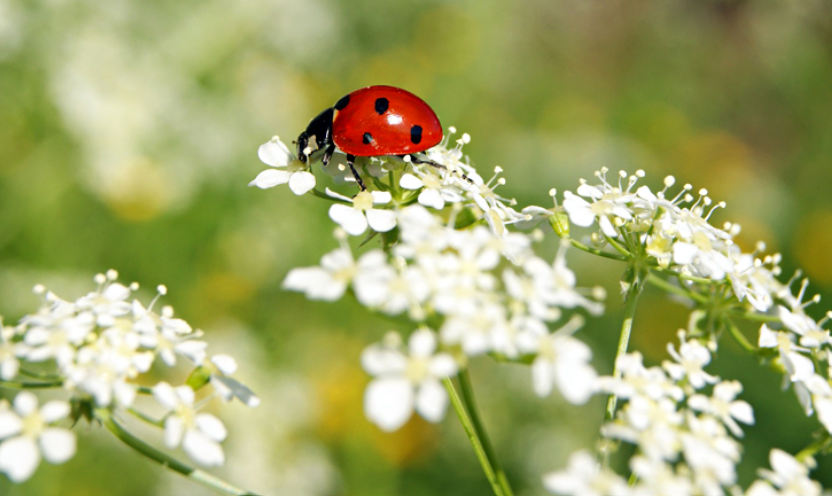
Plants that naturally attract ladybugs work through a genuinely different priority than most other beneficial insect plantings, since a ladybug is overwhelmingly an aphid predator, both as an adult and during its considerably hungrier larval stage, and that single fact reshapes what actually draws one into a garden. The single most reliable way to attract ladybugs isn’t a specific flower at all, it’s having some aphid population present somewhere in the yard, which means a genuinely effective ladybug garden tolerates a modest, contained aphid presence rather than eliminating every one on sight.
Pollen and nectar plants still matter considerably, just in a supplemental role rather than the primary draw. Adult ladybugs emerging from winter dormancy in early spring need a genuine food source before aphid populations have had time to build up again, and flowers offering easy pollen access carry them through that gap. The same plants matter again in fall, sustaining adults as they prepare to enter dormancy once aphid numbers naturally decline with the season.
Overwintering shelter deserves its own real consideration too, since ladybugs have a genuinely distinctive habit of clustering together in large aggregations, sometimes numbering in the thousands, tucked into leaf litter, loose bark, or dense clumps of bunch grass to survive winter as a group. A garden that clears every leaf and cuts every grass clump to the ground each fall removes exactly the shelter that would have carried a resident ladybug population through to the following spring.
The University of Wisconsin Extension’s beneficial insect conservation guide covers ladybug life cycle and habitat needs in more ecological depth than a general list can. What follows covers 40 plants that naturally attract ladybugs, spanning genuine aphid-hosting plants, pollen sources, and overwintering shelter.
Nasturtium
Nasturtium is genuinely one of the most reliable aphid magnets in a home garden, and that considerable aphid appeal is exactly what makes it such an effective, if indirect, ladybug attractant. Its bold, brightly colored flowers also provide real ornamental value alongside its function as a deliberate sacrificial planting.
It thrives in average to poor soil and full sun, its genuine aphid-hosting tendency doing more to draw ladybugs than any scent or bloom shape could. The University of Minnesota Extension’s beneficial insect guide documents trap-cropping strategies that rely on this exact aphid-to-predator relationship.
Milkweed
Milkweed commonly hosts aphid colonies on its stems and buds, and that reliable aphid presence draws ladybugs into the same bed where the plant also serves its essential role as monarch caterpillar host. Its considerable dual function makes it a genuinely efficient planting for 2 entirely different beneficial insect goals at once.
It tolerates a range of soil conditions depending on the specific species chosen, its aphid-hosting tendency providing genuine ladybug appeal alongside its monarch value.
Roses
Roses are genuinely notorious for attracting aphids on new growth and flower buds, and that considerable aphid presence makes a rose bed one of the more reliable ladybug destinations in a home garden. Its classic ornamental appeal holds regardless of the aphid issue that draws ladybugs in to help manage it.
It thrives in full sun and rich, well-drained soil, its genuine susceptibility to aphids doing real, if unintentional, work attracting ladybug predators.
Fava Beans
Fava beans genuinely draw aphid colonies to their tender growing tips, particularly black bean aphid, making a fava bean planting a reliable early-season ladybug destination. Its considerable value as a nitrogen-fixing cover crop adds real soil benefit alongside its aphid-hosting tendency.
It tolerates significant cold and poor soil, its genuine early-season aphid appeal drawing some of the first active ladybugs of spring.
Stinging Nettle
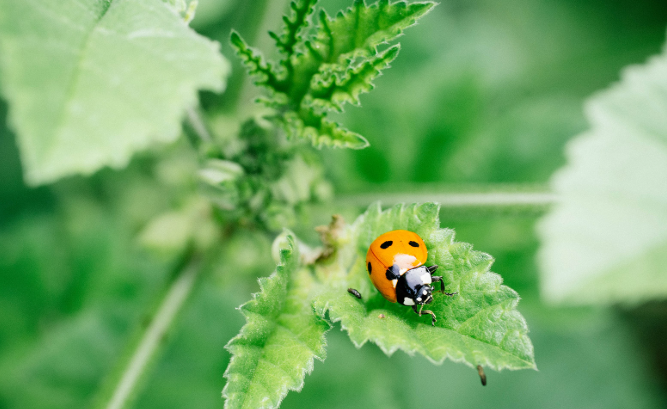
Stinging nettle hosts a genuinely reliable aphid population early in the season, often before most garden vegetables have even emerged, making it one of the more important early food sources for ladybugs waking from winter dormancy. Handling it requires real caution given its stinging hairs, though a contained patch does genuine ecological work.
It tolerates a range of soil conditions and partial shade, its early, reliable aphid hosting providing genuine value to a ladybug population before garden pests have built up elsewhere.
Dill
Dill produces flat, umbrella-shaped flower clusters offering easy pollen and nectar access for adult ladybugs, particularly valuable in early spring and fall when aphid populations are lower. Its considerable value extends to several other beneficial insects with the same short-mouthed feeding limitation.
It thrives in full sun and well-drained soil, and letting a portion of the crop bolt and flower specifically supports ladybugs during the gaps in aphid availability.
Fennel
Fennel shares dill’s genuinely accessible umbrella-shaped flower clusters, providing the same easy pollen access that sustains adult ladybugs between aphid population surges. Its considerable height also provides some structural variety in a mixed ladybug-supporting bed.
It thrives in full sun and well-drained soil, its self-seeding tendency meaning a single planting often continues supporting ladybugs for years.
Cilantro
Cilantro, once it bolts and flowers, produces the same genuinely accessible umbel clusters found throughout its carrot family relatives, offering real pollen access to sustain adult ladybugs. Its rapid bolting in warm weather actually works in a ladybug garden’s favor.
It thrives in full sun to partial shade, bolting quickly once summer heat arrives in a way that genuinely benefits ladybug pollen access.
Parsley
Parsley, allowed to flower in its second year as a biennial, produces the same genuinely accessible umbel clusters as its carrot family relatives, offering real pollen access during exactly the early season when overwintered ladybugs most need it. Leaving at least one plant to overwinter and flower rewards the patience with genuine early-spring ladybug support.
It tolerates full sun to partial shade, its second-year flowering providing pollen access precisely when spring-emerging ladybugs need it most.
Angelica
Angelica produces large, genuinely dramatic umbrella-shaped flower clusters offering considerable pollen volume from a single substantial specimen. Its impressive height also makes it a real structural anchor in a ladybug-supporting bed.
It tolerates partial shade and consistently moist, rich soil, typically flowering in its second year before self-seeding to continue the cycle.
Yarrow
Yarrow produces flat clusters of tiny flowers offering easy, reliable pollen access for adult ladybugs throughout an extended summer bloom period. Its considerable drought tolerance makes it a genuinely low-maintenance addition to a ladybug-supporting bed.
It tolerates poor, dry soil and full sun, thriving on neglect once established in lean, well-drained ground.
Cosmos
Cosmos produces flat, open, daisy-like flowers offering genuinely easy pollen access, blooming reliably from summer through the first fall frost for a long, dependable nectar window. Its considerable self-seeding tendency means a single planting often continues for years.
It thrives in full sun and average soil, blooming reliably with minimal care and often reseeding itself for the following season.
Sweet Alyssum
Sweet alyssum produces dense clusters of tiny, fragrant flowers forming a low, spreading mat, offering an easy, reliable pollen source specifically valuable to small beneficial insects like ladybugs. Its honey-like scent is a genuine bonus alongside its ecological value.
It thrives in full sun to partial shade and well-drained soil, often self-seeding readily once established.
Zinnia
Zinnia produces flat, daisy-like flower heads offering excellent, easily accessible pollen for ladybugs and a wide range of other beneficial insects, its long bloom season providing reliable fuel from summer through the first fall frost. Its considerable color range and easy care have made it a garden staple well beyond its ecological value.
It thrives in full sun and well-drained soil, blooming reliably with minimal care through an extended season.
Marigold
Marigold produces dense, long-blooming flower heads offering reliable pollen access from summer through the first frost, its flat, open form suiting a ladybug’s feeding style particularly well. Its considerable pest-deterrent folklore reputation adds a possible secondary benefit alongside its confirmed pollen value.
It thrives in full sun and average soil, blooming reliably with minimal care required.
Coreopsis
Coreopsis produces abundant small, daisy-like yellow flowers over a genuinely long bloom period, offering reliable, easily accessible pollen throughout much of summer. Its fine, airy foliage provides a delicate textural backdrop to its cheerful blooms.
It tolerates poor, dry soil and full sun, thriving on considerable neglect once established.
Calendula
Calendula produces bright orange and yellow daisy-like flowers over a genuinely long, cool-season bloom period, offering reliable pollen access precisely when many warm-season ladybug plants haven’t yet started flowering. Its considerable cold tolerance extends ladybug support on both ends of the growing season.
It tolerates cool conditions and a range of soil types, often blooming from early spring through a genuine light frost in fall.
Chamomile
Chamomile produces small, daisy-like flowers with a genuinely pleasant apple-like fragrance, offering easy pollen access for ladybugs across its extended bloom period. Its low, spreading growth habit also makes it a useful groundcover between taller ladybug-supporting plants.
It tolerates a range of soil conditions and full sun to partial shade, self-seeding readily once established in a favorable spot.
Queen Anne’s Lace
Queen Anne’s lace produces genuinely classic umbrella-shaped white flower clusters, a wild carrot relative offering the same accessible pollen structure its cultivated cousins provide. Its considerable self-seeding tendency has made it naturalize widely across much of the country.
It tolerates poor, dry soil and full sun, thriving with essentially no cultivation required once established in a favorable spot.
Dandelion
Dandelion is genuinely one of the earliest and most overlooked pollen sources available to a ladybug just emerging from winter dormancy, its bright yellow flowers appearing well before most cultivated garden plants have even started growing. Leaving a modest patch unmowed in early spring provides real, if unglamorous, ecological value.
It tolerates a wide range of soil and light conditions, its genuinely early bloom timing filling a real gap most ornamental ladybug plants can’t address. The Xerces Society’s early-season pollinator resource guide documents the ecological value of early bloomers like this one for beneficial insects emerging from winter dormancy.
Willow
Willow produces early spring catkins offering a genuinely significant pollen source before almost anything else in the landscape has begun flowering, making it valuable for a ladybug population waking from winter dormancy. Its considerable size makes it more of a landscape tree than a compact garden addition.
It tolerates consistently moist soil and full sun, its early catkin bloom providing real value precisely when few other pollen sources are available.
Crocus
Crocus provides some of the earliest spring color of any bulb, often blooming while snow is still nearby, offering a genuine early pollen source for a ladybug population just becoming active again. Its small size keeps it unobtrusive in a border or lawn planting.
It grows from a corm planted in fall, its genuinely early bloom timing filling the same seasonal gap dandelion and willow address.
Flowering Quince
Flowering quince produces clusters of red, pink, or orange flowers in very late winter, often before its leaves have even emerged, providing an early pollen source for the first ladybugs and other beneficial insects active in a given season. Its thorny branches also offer some nesting protection for early-arriving birds.
It tolerates a range of soil conditions and full sun to partial shade, its very early bloom timing genuinely valuable to a ladybug population just emerging from dormancy.
Feather Reed Grass
Feather reed grass forms an upright, dense clump that provides genuine overwintering shelter for ladybugs seeking a place to cluster through the cold months, particularly if left standing rather than cut back each fall. Its tidy, columnar winter silhouette also suits a more formal garden design.
It tolerates a range of soil conditions and full sun to partial shade, its dense clumping form offering real winter shelter if left uncut through the season. The Michigan State University Integrated Pest Management program documents ladybug overwintering aggregation behavior and the habitat features that support it.
Little Bluestem
Little bluestem forms a compact, upright clump of foliage that provides genuine overwintering shelter within its dense base, particularly valuable if left standing through the coldest months rather than cut back in fall cleanup. Its moderate height keeps it from overwhelming a smaller residential bed.
It tolerates poor, dry soil and full sun, its dense clumping habit offering real shelter for an overwintering ladybug population if left uncut.
Butterfly Weed
Butterfly weed produces vivid orange flower clusters that draw ladybugs alongside its better-known monarch host plant function, its considerable nectar production supporting a range of beneficial insects beyond its primary ecological role. Its compact size and bright color have made it a popular ornamental milkweed choice.
It tolerates poor, dry soil and full sun, thriving on real neglect once its taproot is established.
Black-Eyed Susan
Black-eyed Susan produces cheerful yellow-orange daisy-like flowers throughout a long summer bloom period, its flat, open form offering easy pollen access for ladybugs and a wide range of other beneficial insects. Its self-seeding, low-maintenance nature has made it a native garden staple regardless of its ecological value.
It tolerates a range of soil conditions and full sun, often filling in a garden bed on its own through natural reseeding.
Goldenrod
Goldenrod produces dense, bright yellow flower clusters specifically in fall, providing genuinely essential late-season pollen for ladybugs preparing to enter winter dormancy. Its considerable nectar volume makes it one of the most important fall beneficial insect resources available.
It tolerates poor, dry soil and full sun, thriving with minimal care while providing critical late-season support before winter. The Cornell University Cooperative Extension’s fall garden planning guide covers late-season pollen availability relevant to beneficial insects preparing for dormancy.
Aster
Aster produces abundant small flowers specifically in late summer and fall, filling a genuine gap in ladybug pollen availability once many earlier-blooming plants have finished for the season. Its considerable bloom volume late in the year makes it a valuable addition alongside goldenrod.
It tolerates a range of soil conditions and full sun, blooming reliably right through the period ladybugs most need reliable late-season fuel.
Statice
Statice produces small, papery flowers offering easy pollen access for ladybugs over an extended bloom period. Its considerable popularity as a dried flower also means a ladybug-supporting planting can pull double duty for cut-flower use.
It thrives in full sun and well-drained soil, tolerating drought considerably better than many other ladybug-supporting plants on this list.
Scabiosa
Scabiosa, also called pincushion flower, produces distinctively textured blooms offering genuine pollen access to ladybugs and a wide range of other beneficial insects over an extended bloom period. Its considerable flower longevity on the plant also makes it a favorite among cut-flower growers.
It thrives in full sun and well-drained soil, blooming reliably from early summer well into fall with minimal care.
Caraway
Caraway produces genuinely accessible umbrella-shaped flower clusters similar to its carrot family relatives, offering real pollen access while also producing the familiar seed used in baking and cooking. Its dual culinary and ecological value makes it a genuinely efficient garden addition.
It tolerates a range of soil conditions and full sun, typically flowering in its second year as a biennial plant.
Lovage
Lovage produces large, genuinely substantial umbrella-shaped flower clusters on a tall, vigorous perennial, offering considerable pollen volume across an extended bloom period. Its considerable size also makes a single established plant a genuine ladybug magnet on its own.
It tolerates partial shade and consistently moist, rich soil, returning reliably each year once established as a genuine perennial.
Buckwheat
Buckwheat produces small white flower clusters remarkably quickly after sowing, making it one of the fastest ways to establish pollen access for ladybugs in a bed between other plantings. Its considerable value as both a beneficial insect plant and a soil-building cover crop has made it a favorite among market gardeners.
It thrives in a range of soil conditions and full sun, flowering within just a few weeks of sowing and genuinely earning its reputation as a fast, reliable pollen resource.
Sunflower
Sunflower produces large, easily accessible flower heads that provide substantial pollen for ladybugs and a wide range of other beneficial insects, its considerable bloom size making it hard to miss from a distance. Its quick growth from seed also makes it a practical, fast-establishing addition to a new ladybug-supporting planting.
It thrives in full sun and well-drained soil, growing quickly into a substantial, heavily visited pollen source within a single season.
Tansy
Tansy produces small, button-like yellow flower clusters offering genuine pollen access to ladybugs, though the plant has become invasive in parts of the country and is worth checking against regional guidance before planting. Its considerable toughness and long bloom period make it effective where it’s not a regional concern.
It tolerates poor soil and considerable neglect, thriving with essentially no cultivation once established.
Feverfew
Feverfew produces daisy-like flowers offering easy pollen access for ladybugs alongside its traditional medicinal use for headaches. Its cheerful blooms also make it an attractive addition to a mixed herb border.
It tolerates a range of soil conditions and full sun to partial shade, often self-seeding readily once established.
Sweet Clover
Sweet clover produces tall spikes of small, fragrant flowers on a genuinely vigorous nitrogen-fixing biennial, offering considerable pollen volume across an extended bloom period. Its substantial height sets it apart from the lower-growing white clover more commonly used as a lawn alternative.
It tolerates poor soil and full sun, thriving as both a ladybug-supporting plant and a genuine soil-improving cover crop.
Alfalfa
Alfalfa produces small purple flower clusters on a genuinely deep-rooted, nitrogen-fixing perennial legume, drawing ladybugs and other beneficial insects while also improving soil structure over its multi-year lifespan. Its considerable root depth also makes it useful for breaking up compacted soil.
It tolerates a range of soil conditions and full sun, thriving as both a ladybug-supporting plant and a genuine soil-improving cover crop.
Clover
Clover produces small, genuinely accessible flower clusters on a low-growing legume that also fixes its own nitrogen, offering both ladybug support and a real soil health benefit from the same planting. Its considerable use as a cover crop reflects both of those advantages at once.
It tolerates poor soil and considerable foot traffic, thriving as a genuine lawn alternative in a spot dedicated to supporting ladybugs and other beneficial insects.
Key Takeaways
Plants that attract ladybugs can provide food and shelter that encourage these helpful beetles to visit gardens. Flowering plants such as dill, fennel, yarrow, cosmos, and other nectar-producing species can provide adult ladybugs with food, while areas with suitable prey can support them during their active stages.
Choosing plants depends on the local climate, sunlight, soil, moisture, and available space. A diverse selection of flowering plants with different bloom periods can provide food over a longer season, while avoiding unnecessary pesticide use can help protect ladybugs and other beneficial insects.
A garden designed for ladybugs should provide more than flowers alone. Combining nectar-producing plants with suitable shelter, natural prey, and a variety of vegetation can create a more supportive habitat and encourage ladybugs to remain in the garden longer.