Plants that naturally repel bugs and insects rest on genuinely real chemistry rather than pure folklore, which sets this topic apart from several other “natural repellent” claims floating around gardening advice. Citronellal, nepetalactone, linalool, and eucalyptol are actual, measurable volatile compounds that insects genuinely avoid, and a few of them, citronella and lemon eucalyptus oil among them, are recognized enough to be registered active ingredients in commercial repellent products sold right alongside synthetic options like DEET.
There’s a genuinely important nuance worth understanding before assuming a living plant works the same way a bottled repellent does, though. The concentration of these compounds in an intact, growing leaf is considerably lower than what a laboratory test or a commercially extracted essential oil product actually uses, since crushing or distilling the plant concentrates those compounds far beyond what a bug brushing past an undisturbed leaf ever encounters. A catnip plant growing in a garden bed provides real, measurable protection in its immediate vicinity, but it’s genuinely more modest than what the same plant’s extracted oil delivers directly on skin or clothing.
It’s also worth being honest that not every plant on a typical “repellent” list has equally strong evidence behind it. Some, like chrysanthemum, are the actual source of a genuine, widely used natural insecticide called pyrethrin, about as scientifically solid a claim as this category gets. Others rely more on a proposed scent-masking effect in companion planting, where a strongly aromatic neighbor may confuse a pest insect’s ability to locate its preferred host plant by smell, a real hypothesis but one with considerably more mixed field results than laboratory-tested essential oils show.
One genuine safety note belongs here too: pennyroyal, despite its real historical use as an insect deterrent, contains oil that’s genuinely toxic if ingested in concentrated form, and it’s worth handling with real caution around children and pets. The Purdue University Department of Entomology covers the evidence behind plant-based repellent compounds in more scientific depth than a general list can. What follows covers 50 plants that naturally repel bugs and insects, spanning well-documented essential oil sources and companion planting favorites.
Citronella Grass
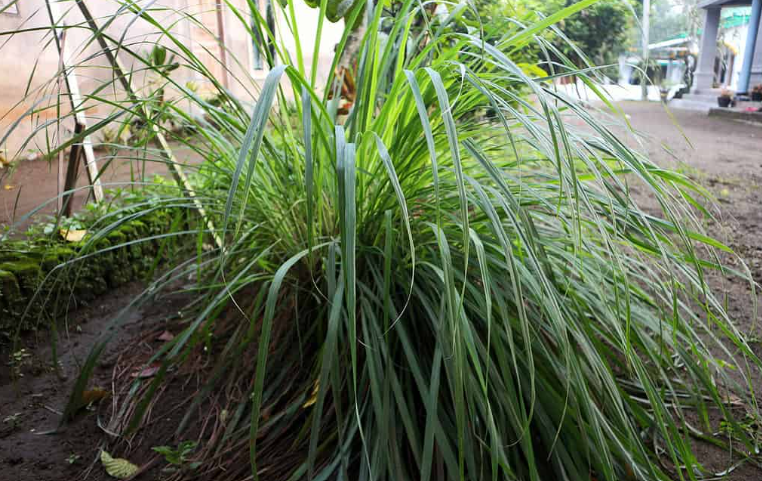
Citronella grass produces citronellal and geraniol, genuinely well-documented volatile compounds recognized as an EPA-registered active ingredient in commercial mosquito repellent products. Its considerable oil concentration in the crushed leaf makes it one of the strongest entries on this entire list.
It thrives in full sun and warm, humid conditions, growing into a substantial clump that provides genuine, if localized, mosquito-repelling benefit in its immediate vicinity. The Environmental Protection Agency’s registered biopesticide database confirms citronella oil’s status as an active ingredient in commercial repellent products.
Catnip
Catnip contains nepetalactone, a compound some published research has found genuinely more effective against mosquitoes than DEET in controlled laboratory testing, though real-world garden conditions rarely match a lab’s concentrated extraction. Its considerable appeal to cats is a genuine bonus, or a genuine hazard to the plant itself depending on the household.
It thrives in full sun to partial shade and well-drained soil, spreading readily enough that some gardeners choose to contain its vigorous growth.
Lemongrass
Lemongrass produces the same citronellal compound found in citronella grass, offering genuine, laboratory-supported mosquito-repelling properties from its considerable oil content. Its culinary value in Southeast Asian cooking gives it real dual-purpose appeal beyond pest control.
It thrives in full sun and consistently moist soil in a warm climate, growing into a substantial clump with genuine repellent value concentrated in its crushed leaves.
Peppermint
Peppermint produces menthol and other genuinely documented insect-repelling compounds, with research supporting real effectiveness against mosquitoes, ants, and several other common pests. Its considerable vigor means container growing is a genuinely wise precaution to keep it from overtaking a garden bed.
It tolerates more shade and moisture than many other aromatic herbs, thriving in a damp, partly shaded spot other repellent plants would struggle with.
Spearmint
Spearmint shares peppermint’s genuine aromatic intensity and documented pest-repelling compounds, offering a milder scent profile some gardeners prefer for its culinary versatility. Its considerable vigor similarly calls for container growing to prevent it from spreading beyond its intended bed.
It tolerates more shade and moisture than most other aromatic herbs, thriving in genuinely damp conditions many repellent plants can’t handle.
Lavender
Lavender produces linalool and linalyl acetate, genuinely documented compounds shown to repel moths, fleas, and mosquitoes in various studies, alongside its well-known fragrance. Its considerable popularity in sachets and drawer liners reflects real, longstanding use against fabric-damaging moths specifically.
It demands sharp drainage, thriving in exactly the lean, sun-baked conditions that also concentrate its aromatic oils most effectively.
Lemon Eucalyptus
Lemon eucalyptus produces PMD, a genuinely EPA-registered active ingredient recognized as an effective mosquito repellent in its own right, distinct from and considerably more concentrated than standard eucalyptus. Its considerable scientific backing makes it one of the more legitimately potent plants on this entire list.
It thrives in full sun and well-drained soil in a warm, frost-free climate, its distilled oil delivering genuinely stronger repellent action than the living leaf alone provides.
Rosemary
Rosemary produces genuinely aromatic oils that show real repellent activity against mosquitoes and several garden pests in various studies, alongside its considerable culinary value. Burning dried rosemary sprigs has a long traditional use as an outdoor mosquito deterrent at a gathering.
It wants full sun and excellent drainage, its concentrated aromatic oils developing most strongly in exactly the lean, dry conditions the plant prefers.
Basil
Basil produces genuinely documented volatile compounds shown to repel houseflies and mosquitoes in several studies, making it a popular choice for a patio container near an outdoor eating area. Its considerable culinary value gives it real dual-purpose appeal beyond any pest-related benefit.
It thrives in full sun and consistently moist soil, its aromatic oils releasing most strongly when the leaves are brushed or crushed.
Thyme
Thyme produces thymol, a genuinely documented compound with real insect-repelling properties studied specifically against mosquitoes. Crushing or bruising its leaves releases considerably more of that aromatic compound than an undisturbed plant offers passively.
It wants full sun and excellent drainage, thriving in the same lean, dry conditions that concentrate its aromatic oils most effectively.
Sage
Sage produces genuinely aromatic compounds with documented insect-deterrent properties, and burning dried sage has a long traditional use for driving away mosquitoes and other flying pests outdoors. Its robust, velvety leaves also hold real culinary value beyond any pest-related benefit.
It wants full sun and genuinely well-drained soil, its aromatic oil concentration developing most strongly in lean, dry growing conditions.
Chrysanthemum
Chrysanthemum is genuinely the actual source plant of pyrethrin, a widely used natural insecticide extracted from its flower heads and among the most scientifically solid pest-control claims in this entire category. Its considerable efficacy against a broad range of insects has made pyrethrin extract a staple in both organic and conventional pest control products.
It thrives in full sun and well-drained soil, its flower heads containing the genuinely potent compound that gives the plant its real insecticidal reputation. The National Pesticide Information Center documents pyrethrin’s confirmed mechanism and efficacy as an extracted natural insecticide.
Garlic
Garlic produces sulfur compounds with genuinely documented repellent activity against a range of garden pests, and garlic-based sprays are a common organic pest control preparation for exactly that reason. Its considerable pungency when crushed releases the compounds most responsible for its pest-deterrent effect.
It thrives in full sun and well-drained soil, its genuine repellent compounds concentrated most strongly when the bulb is crushed rather than left whole.
Lemon Thyme
Lemon thyme shares standard thyme’s genuine thymol content alongside a brighter citrus scent, offering the same documented insect-repelling properties with a somewhat more pleasant fragrance profile for many gardeners. Its low, spreading habit also makes it a useful groundcover choice.
It wants full sun and excellent drainage, thriving in the same lean conditions that concentrate its aromatic compounds most effectively.
Lemon Balm
Lemon balm produces citronellal, the same genuinely documented compound found in citronella grass, giving it real mosquito-repelling properties alongside its pleasant lemon scent. Its considerable vigor means some containment is genuinely worth considering to keep it from spreading unchecked.
It tolerates a range of soil conditions and full sun to partial shade, its aromatic oils releasing most strongly when the foliage is bruised or crushed.
Lemon Verbena
Lemon verbena produces genuinely intense citral compounds, giving it one of the strongest natural lemon scents of any plant and real documented insect-repelling properties as a result. Its considerable fragrance intensity has made it a popular addition to homemade repellent preparations.
It tolerates a range of soil conditions and full sun to partial shade, growing into a substantial shrub over time in a mild climate.
Tansy
Tansy produces genuinely aromatic compounds with a long traditional history as an insect and pest deterrent, though the plant has become invasive in parts of the country and is worth checking against regional guidance before planting. Its considerable toughness and long bloom period make it effective where it’s not a regional concern.
It tolerates poor soil and considerable neglect, thriving with essentially no cultivation once established.
Wormwood
Wormwood produces genuinely bitter, strongly aromatic compounds with documented insect-repelling properties, historically used in sachets and around storage areas to deter moths and other pests. Its considerable bitterness also makes it a traditional ingredient in absinthe production, entirely separate from its pest-control use.
It tolerates poor, dry soil and full sun, thriving on considerable neglect once established.
Feverfew
Feverfew contains pyrethrin-related compounds similar to its chrysanthemum relative, giving it some genuine insect-repelling property alongside its traditional medicinal use for headaches. Its daisy-like flowers also make it an attractive addition to a mixed herb border.
It tolerates a range of soil conditions and full sun to partial shade, often self-seeding readily once established.
Pennyroyal
Pennyroyal has a genuine, long historical use as an insect deterrent, though its concentrated oil is genuinely toxic if ingested and it’s worth handling with real caution around children and pets. Its strong mint-like scent when crushed does carry documented repellent activity against fleas and mosquitoes.
It tolerates a range of soil conditions and partial shade, and genuine care around its toxicity matters more here than for almost any other plant on this list. The National Capital Poison Center documents pennyroyal oil’s genuine toxicity risk, a safety consideration worth taking seriously around children and pets.
Rue
Rue produces genuinely bitter, pungent compounds that deter a range of garden pests directly through contact and scent. Its foliage also serves a documented secondary function as overwintering shelter for beneficial insects like ladybugs, a genuinely useful ecological tradeoff worth knowing.
It tolerates poor, dry soil and full sun, and handling the foliage is worth some caution, since it can cause skin irritation in sensitive individuals under strong sunlight.
Mint
Mint, across its many species, produces genuinely documented menthol-based compounds with real repellent activity against ants, mosquitoes, and several other common pests. Its considerable vigor makes container growing a genuinely wise precaution regardless of which specific mint variety is chosen.
It tolerates more shade and moisture than most other aromatic herbs, thriving in a damp, partly shaded spot several other repellent plants would struggle with.
Bee Balm
Bee balm produces aromatic compounds with some documented insect-repelling activity, alongside its better-known role drawing hummingbirds and pollinators to its shaggy, tubular flowers. Its foliage has a long history as a traditional herbal tea ingredient beyond any pest-related use.
It tolerates a range of soil conditions and full sun to light shade, benefiting from good air circulation to avoid powdery mildew.
Anise Hyssop
Anise hyssop produces licorice-scented compounds with some documented insect-deterrent properties, alongside its considerable appeal to genuinely beneficial pollinators. Its tall spikes of purple flowers provide real structure in a mixed herb and repellent plant border.
It thrives in full sun and well-drained soil, tolerating considerable heat and drought once established.
Nasturtium
Nasturtium functions less as a direct repellent and more as a genuine trap crop, drawing aphids away from more valuable nearby plants through its own considerable appeal to the pest. That dual role makes it a practical, well-documented tool in an integrated pest management approach rather than a pure scent-based deterrent.
It thrives in average to poor soil and full sun, tolerating considerable neglect once established.
Petunia
Petunia carries a popular companion planting reputation for deterring aphids and several other common garden pests, a claim with more mixed field support than the laboratory-tested essential oil plants on this list. Its considerable bloom volume still makes it a worthwhile ornamental addition regardless of the uncertain pest-deterrent effect.
It thrives in full sun and well-drained soil, offering genuine ornamental value even where its companion planting reputation remains less scientifically settled.
Chives
Chives produce mild sulfur compounds similar to their onion and garlic relatives, carrying a companion planting reputation for deterring aphids and Japanese beetles with somewhat more anecdotal than rigorously tested support. Their edible purple flowers add genuine culinary and ornamental value alongside the uncertain pest claim.
They tolerate a range of soil conditions and ask for very little beyond consistent sun, remaining useful regardless of how well-proven their specific repellent reputation actually is.
Onion
Onion shares chives’ genuine sulfur compound content, carrying a similar companion planting reputation for deterring certain pests with support that’s more anecdotal than rigorously confirmed. Its considerable culinary value holds regardless of how settled its pest-deterrent reputation actually is.
It thrives in full sun and well-drained soil, offering real kitchen value alongside its more uncertain companion planting reputation.
Leeks
Leeks share the broader allium family’s genuine sulfur compound profile, carrying some of the same companion planting reputation for pest deterrence as onion and garlic with similarly mixed supporting evidence. Its considerable culinary versatility gives it real value regardless of the pest-related claim’s strength.
They want full sun and rich, consistently moist soil, offering genuine kitchen use alongside an uncertain but plausible pest-deterrent reputation.
Garlic Chives
Garlic chives combine chives’ mild allium scent with a somewhat stronger garlic note, carrying a similar companion planting reputation for pest deterrence to its onion family relatives. Their white flower clusters also draw genuine pollinator interest alongside the uncertain pest claim.
They tolerate a range of soil conditions and full sun, offering real culinary versatility regardless of how well-supported their specific repellent reputation actually is.
Scented Geranium
Scented geranium, particularly the citronella-scented cultivar, produces genuinely aromatic compounds marketed heavily for mosquito repellent properties, though independent testing has generally found the living plant’s actual repellent effect considerably weaker than the citronella grass it’s often confused with or compared against. Its pleasant fragrance still makes it a worthwhile container plant regardless of the overstated marketing claims.
It thrives in full sun and well-drained soil, offering genuine fragrance value even where its marketed mosquito-repelling reputation has been shown to underperform in real testing.
French Marigold
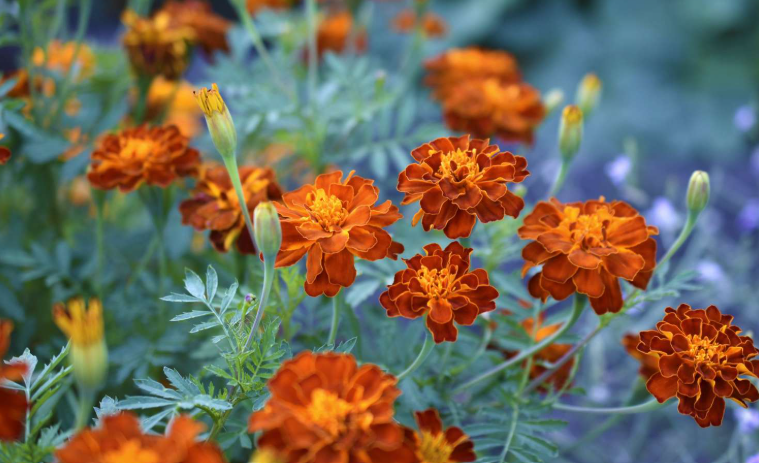
French marigold produces genuinely documented compounds shown in research to suppress certain soil-dwelling nematodes when the plant’s roots are incorporated into the ground, a more scientifically solid claim than its broader folk reputation as a general insect repellent. Its compact, colorful blooms also make it a popular companion planting choice regardless of which specific claim holds up best.
It thrives in full sun and average soil, its genuine nematode-suppressing root activity offering more solid backing than its broader repellent reputation.
Borage
Borage produces vivid blue flowers that draw genuine pollinator interest, and while its companion planting reputation includes deterring tomato hornworms, that specific claim carries more anecdotal support than rigorous confirmation. Its considerable self-seeding tendency means a single planting often returns reliably year after year regardless of the uncertain pest claim.
It thrives in full sun and average soil, offering real pollinator value alongside its more anecdotal pest-deterrent reputation.
Dill
Dill works less through direct pest repellency and more by drawing genuinely beneficial predatory insects, parasitic wasps and hoverflies among them, that hunt the actual garden pests directly. Its umbrella-shaped flower clusters offer easy nectar access specifically suited to these small, short-mouthed beneficial insects.
It thrives in full sun and well-drained soil, working indirectly through beneficial insect support rather than any direct repellent compound of its own.
Fennel
Fennel shares dill’s genuine strategy of drawing beneficial predatory insects rather than directly repelling pests itself, its umbrella-shaped flower clusters offering the same easy access many small beneficial insects favor. Its considerable height also provides structural variety in a mixed pest-management planting.
It thrives in full sun and well-drained soil, its self-seeding tendency meaning a single planting often continues supporting beneficial insects for years.
Yarrow
Yarrow draws genuinely beneficial predatory insects to its flat flower clusters, working indirectly against garden pests by supporting the natural predators that hunt them rather than through any direct repellent compound. Its considerable drought tolerance makes it a low-maintenance addition regardless of the indirect mechanism.
It tolerates poor, dry soil and full sun, thriving on neglect once established in lean, well-drained ground.
Tea Tree
Tea tree produces genuinely documented terpinen-4-ol and other compounds with real, laboratory-confirmed insect-repelling and antimicrobial properties, widely used in commercial natural pest and skin care products. Its considerable oil concentration requires a warm, frost-free climate to grow successfully outdoors.
It thrives in full sun and well-drained, slightly acidic soil in a mild climate, its genuinely potent oil requiring extraction and concentration to reach its most effective repellent strength.
Cedar
Cedar produces genuinely documented compounds with real, long-established moth-repelling properties, historically used in cedar chests and closet linings specifically to protect stored fabric. Its aromatic wood retains that repellent property for years, considerably longer than most other plants on this list.
It tolerates a range of soil conditions and full sun, its wood carrying genuine, well-established repellent value well beyond the living tree itself.
Neem
Neem produces azadirachtin, a genuinely well-documented, broad-spectrum natural insecticide and repellent compound extracted from its seeds, among the most scientifically substantiated entries on this entire list. Its considerable efficacy against a wide range of pests has made neem oil a staple of organic pest management worldwide.
It requires a genuinely warm, frost-free tropical or subtropical climate to grow outdoors, its seeds containing the potent compound responsible for its well-established reputation. The University of California Statewide Integrated Pest Management Program covers azadirachtin’s documented mechanism and broad-spectrum efficacy as an organic pesticide active ingredient.
Southernwood
Southernwood, a genuine Artemisia relative of wormwood, produces similarly bitter, aromatic compounds with a long traditional use deterring moths and other fabric or garden pests. Its fine, feathery, silver-green foliage also provides attractive texture in an herb border.
It tolerates poor, dry soil and full sun, thriving on considerable neglect once established.
Sweet Woodruff
Sweet woodruff produces a mild, hay-like fragrance carrying some traditional folk reputation as a mild insect deterrent, though the claim is considerably less scientifically established than its aromatic mint and citrus-family relatives on this list. Its genuine value as a shaded groundcover holds regardless of the uncertain pest-related reputation.
It tolerates significant shade and consistently moist soil, thriving specifically in the damp, shaded conditions many other repellent plants can’t handle.
Horehound
Horehound produces genuinely bitter, aromatic compounds with a long traditional use as a general insect deterrent, alongside its historical medicinal use in cough remedies. Its fuzzy, wrinkled gray-green leaves give it a distinctive texture in an herb garden.
It tolerates poor, dry soil and full sun, thriving on considerable neglect once established.
Calendula
Calendula carries a companion planting reputation for deterring certain garden pests, a claim with more mixed field support than the laboratory-tested essential oil plants earlier on this list. Its bright orange and yellow daisy-like flowers offer genuine ornamental and beneficial-insect value regardless of the uncertain direct repellent claim.
It tolerates cool conditions and a range of soil types, often blooming from early spring through a genuine light frost in fall.
Cilantro
Cilantro carries some folk reputation for deterring aphids when interplanted among more valuable crops, a claim with modest anecdotal support rather than strong controlled testing. Its umbrella-shaped flowers, once the plant bolts, also draw genuinely beneficial predatory insects regardless of the direct repellent claim’s strength.
It thrives in full sun to partial shade, offering real beneficial insect support through its flowers even where its direct pest-repellent reputation remains less certain.
Oregano
Oregano produces genuinely aromatic carvacrol and thymol compounds with documented insect-repelling properties studied against several common pests. Its considerable culinary value gives it real dual-purpose appeal beyond any pest-related benefit.
It tolerates full sun and well-drained soil, spreading readily enough to eventually need some periodic thinning.
Clove Basil
Clove basil, also called African blue basil, produces genuinely intense clove-like compounds with documented insect-repelling activity stronger than standard sweet basil in some comparisons. Its considerable flowering also draws genuine pollinator interest alongside its repellent properties.
It thrives in full sun and consistently moist soil, its concentrated clove scent releasing most strongly when the foliage is bruised or crushed.
Hyssop
Hyssop produces genuinely aromatic compounds with a long traditional use deterring cabbage moths and several other garden pests when interplanted near vulnerable crops. Its considerable appeal to pollinators also makes it a useful dual-purpose addition to a mixed herb border.
It thrives in full sun and well-drained soil, tolerating considerable heat and drought once established.
Catmint
Catmint, a genuine relative of catnip though a distinct species, shares some of the same nepetalactone-related compounds with documented insect-repelling properties, in a considerably more ornamental, less cat-attracting package. Its long-blooming lavender-blue flowers make it a popular border choice regardless of the pest-related benefit.
It thrives in full sun and well-drained soil, often reblooming with a simple midsummer shearing.
Ageratum
Ageratum, also called floss flower, produces coumarin, a genuinely documented compound found in some commercial insect repellent formulations, though the concentration in the living garden plant is considerably lower than in an extracted product. Its fuzzy, cluster-forming blue or purple flowers also draw genuine pollinator interest.
It thrives in full sun to partial shade, blooming reliably from summer through the first frost with minimal care.
Silver Mound Artemisia
Silver mound artemisia, an ornamental ground-hugging relative of wormwood and southernwood, produces similarly bitter, aromatic compounds with some documented insect-deterrent properties in a considerably more compact, landscaping-friendly form. Its soft, silvery, finely textured foliage provides genuine ornamental value beyond any pest-related consideration.
It tolerates poor, dry soil and full sun, thriving on considerable neglect once established in lean, well-drained ground.
Key Takeaway
Plants that naturally repel bugs and insects are often aromatic herbs, flowers, and other plants that produce strong scents or compounds that some pests may avoid. Lavender, mint, basil, rosemary, marigolds, and citronella-scented plants are commonly associated with insect-deterring properties, although their effectiveness can vary by pest and growing conditions.
Choosing insect-repelling plants depends on the type of pest, local climate, sunlight, soil, and available space. Planting a variety of aromatic species around outdoor living areas, garden borders, or vegetable beds can add fragrance and visual interest while potentially helping discourage some unwanted insects.
Plants alone should not be relied on as a complete pest-control method. Good garden sanitation, removing standing water, using physical barriers where appropriate, and monitoring pest populations can work alongside suitable plants to create a healthier and more manageable garden.