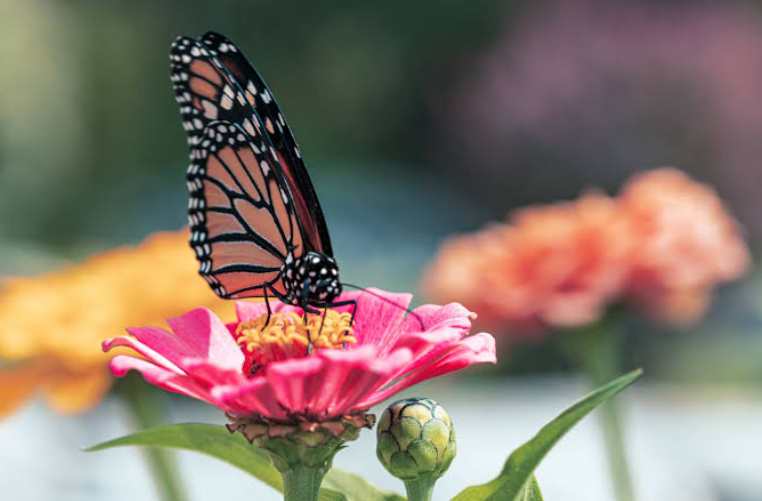
Plants that attract beneficial insects work through a genuinely specific mechanism that has more to do with flower shape than most gardeners realize. Many of the most valuable beneficial insects, parasitic wasps, hoverflies, and several predatory beetles among them, have short, unspecialized mouthparts as adults, meaning they physically can’t reach nectar hidden deep inside a long, tubular bloom the way a hummingbird or a butterfly can. A flower bred purely for showy visual appeal or deep-throated hummingbird access can actually exclude the small, hardworking insects a garden needs most.
That’s exactly why 2 particular plant families dominate any genuinely effective beneficial insect planting. Flowers in the carrot and parsley family cluster into flat, umbrella-shaped groups called umbels, offering dozens of tiny, easily accessible blooms in a single landing spot, while flowers in the daisy family offer a similarly flat, open platform built from many small individual florets packed together. Both shapes solve the same access problem for a short-mouthed insect that a deep, narrow flower simply can’t.
Timing matters just as much as flower shape, since many beneficial insects need a nectar source available across the entire growing season rather than concentrated into one brief bloom window. A garden with early bloomers to sustain the first wave of predators emerging in spring, midsummer flowers to support them through their most active pest-control period, and a genuine fall bloomer or 2 to carry them into the cooler months does considerably more good than a single spectacular but short-lived flush of color.
The Oregon State University Extension’s guide to farmscaping for beneficial insects covers flower shape and bloom succession planning in more technical detail than a general list can. What follows covers 45 plants that attract beneficial insects, spanning umbel-shaped flowers, daisy-family blooms, aromatic herbs, and a handful of other genuinely effective options.
Dill
Dill produces flat, umbrella-shaped flower clusters that are genuinely ideal for short-mouthed beneficial insects like parasitic wasps and hoverflies, offering dozens of tiny, easily accessible blooms in a single cluster. Its considerable appeal to these insects makes it one of the most reliable plants for a dedicated beneficial insect bed.
It thrives in full sun and well-drained soil, and letting a portion of the crop bolt and flower specifically for pollinator and beneficial insect access is worth the tradeoff against a purely culinary harvest. The Cornell University Cooperative Extension’s beneficial insect guide documents umbel-shaped flowers as genuinely optimal for short-mouthed predatory and parasitic insects.
Fennel
Fennel produces the same genuinely accessible umbrella-shaped flower clusters as its dill relative, drawing a similar range of small beneficial insects throughout its bloom period. Its considerable height also provides some structural variety in a bed otherwise dominated by lower-growing beneficial insect plants.
It thrives in full sun and well-drained soil, and its self-seeding tendency means a single planting often continues attracting beneficial insects for years without replanting.
Cilantro
Cilantro, once it bolts and flowers, produces the same genuinely accessible umbel-shaped clusters found throughout the carrot family, making the plant considerably more valuable left to flower than harvested purely for its leaves. Its rapid bolting in warm weather actually works in a beneficial insect garden’s favor.
It thrives in full sun to partial shade, bolting quickly once summer heat arrives in a way that culinary gardeners consider a drawback but a beneficial insect garden genuinely welcomes.
Parsley
Parsley, when allowed to flower in its second year as a biennial, produces the same genuinely accessible umbel clusters as its carrot family relatives, drawing small beneficial insects in real numbers. Its considerable value to beneficial insects only appears once the plant is left past its typical culinary harvest window.
It tolerates full sun to partial shade, and leaving at least one plant to overwinter and flower the following spring genuinely rewards the patience with early-season beneficial insect support.
Queen Anne’s Lace
Queen Anne’s lace produces genuinely classic umbrella-shaped white flower clusters, a wild relative of the cultivated carrot that draws the same short-mouthed beneficial insects its garden cousins attract. Its considerable self-seeding tendency has made it naturalize widely across much of the country.
It tolerates poor, dry soil and full sun, thriving with essentially no cultivation required once established in a favorable spot.
Angelica
Angelica produces large, genuinely dramatic umbrella-shaped flower clusters on a substantial biennial plant, offering considerable nectar volume from a single specimen. Its impressive height also makes it a real structural anchor in a beneficial insect garden.
It tolerates partial shade and consistently moist, rich soil, typically flowering in its second year before self-seeding to continue the cycle.
Caraway
Caraway produces genuinely accessible umbrella-shaped flower clusters similar to its carrot family relatives, drawing beneficial insects while also producing the familiar seed used in baking and cooking. Its dual culinary and ecological value makes it a genuinely efficient garden addition.
It tolerates a range of soil conditions and full sun, typically flowering in its second year as a biennial plant.
Lovage
Lovage produces large, genuinely substantial umbrella-shaped flower clusters on a tall, vigorous perennial, offering considerable nectar volume across an extended bloom period. Its considerable size also makes a single established plant a genuine beneficial insect magnet on its own.
It tolerates partial shade and consistently moist, rich soil, returning reliably each year once established as a genuine perennial.
Yarrow
Yarrow produces flat clusters of tiny flowers atop fine, fern-like foliage, offering the same easily accessible landing platform beneficial insects favor in the daisy family. Its considerable drought tolerance makes it a genuinely low-maintenance addition to a beneficial insect bed.
It tolerates poor, dry soil and full sun, thriving on neglect once established in lean, well-drained ground.
Cosmos
Cosmos produces flat, open, daisy-like flowers on a genuinely easy annual that blooms reliably from summer through the first fall frost, providing a long, dependable nectar window. Its considerable self-seeding tendency means a single planting often continues for years.
It thrives in full sun and average soil, blooming reliably with minimal care and often reseeding itself for the following season.
Sweet Alyssum
Sweet alyssum produces dense clusters of tiny, fragrant flowers that form a low, spreading mat, offering an easy, reliable nectar source specifically valuable to small parasitic wasps and hoverflies. Its honey-like scent is a genuine bonus alongside its beneficial insect appeal.
It thrives in full sun to partial shade and well-drained soil, often self-seeding readily once established.
Zinnia
Zinnia produces flat, daisy-like flower heads that make an excellent, easily accessible nectar source for a wide range of beneficial insects, its long bloom season providing reliable fuel from summer through the first fall frost. Its considerable color range and easy care have made it a garden staple well beyond its ecological value.
It thrives in full sun and well-drained soil, blooming reliably with minimal care through an extended season.
Marigold
Marigold produces dense, long-blooming flower heads that offer reliable nectar access from summer through the first frost, its strong scent sometimes credited with deterring certain garden pests alongside its beneficial insect appeal. Its flat, open flower form suits a short-mouthed beneficial insect particularly well.
It thrives in full sun and average soil, blooming reliably with minimal care required.
Coreopsis
Coreopsis produces abundant small, daisy-like yellow flowers over a genuinely long bloom period, offering reliable, easily accessible nectar throughout much of summer. Its fine, airy foliage provides a delicate textural backdrop to its cheerful blooms.
It tolerates poor, dry soil and full sun, thriving on considerable neglect once established.
Black-Eyed Susan
Black-eyed Susan produces cheerful yellow-orange daisy-like flowers throughout a long summer bloom period, its flat, open form offering easy access for a wide range of beneficial insects. Its self-seeding, low-maintenance nature has made it a native garden staple regardless of its ecological value.
It tolerates a range of soil conditions and full sun, often filling in a garden bed on its own through natural reseeding.
Calendula
Calendula produces bright orange and yellow daisy-like flowers over a genuinely long, cool-season bloom period, offering reliable nectar access when many warm-season beneficial insect plants haven’t yet started flowering. Its considerable cold tolerance extends the beneficial insect season on both ends.
It tolerates cool conditions and a range of soil types, often blooming from early spring through a genuine light frost in fall.
Chamomile
Chamomile produces small, daisy-like flowers with a genuinely pleasant apple-like fragrance, offering easy nectar access for a range of beneficial insects across its extended bloom period. Its low, spreading growth habit also makes it a useful groundcover between taller beneficial insect plants.
It tolerates a range of soil conditions and full sun to partial shade, self-seeding readily once established in a favorable spot.
Catmint
Catmint produces long-blooming spikes of small lavender-blue flowers, its considerable nectar production drawing a wide range of beneficial insects throughout an extended summer bloom period. Its aromatic gray-green foliage provides attractive texture even between bloom flushes.
It thrives in full sun and well-drained soil, often reblooming with a simple midsummer shearing.
Oregano
Oregano, once allowed to flower rather than being kept purely for culinary harvest, produces small clustered blooms that draw a genuinely wide range of beneficial insects. Its considerable resilience makes it one of the more forgiving herbs to let flower for ecological value.
It tolerates full sun and well-drained soil, spreading readily enough to eventually need some periodic thinning.
Thyme
Thyme, allowed to flower, produces small purple or pink blooms that draw a considerable range of beneficial insects despite the plant’s diminutive overall size. Its low, mat-forming habit makes it a useful groundcover choice between taller beneficial insect plants.
It wants full sun and excellent drainage, thriving in exactly the lean, well-drained conditions many beneficial insect plants also favor.
Mint
Mint, when allowed to flower rather than harvested continuously, produces small clustered blooms that draw genuine numbers of beneficial insects. Its considerable vigor means container growing is a genuinely wise precaution regardless of whether it’s kept for culinary use or beneficial insect appeal.
It tolerates more shade and moisture than most other aromatic herbs, thriving in a damp, partly shaded spot other beneficial insect plants would struggle with.
Basil
Basil, once it bolts and begins flowering, produces small clustered blooms that draw a genuine range of beneficial insects even though the flowering process reduces the leaf quality a cook would want. Letting at least a few plants flower fully is a worthwhile tradeoff in a garden focused on beneficial insect support.
It thrives in full sun and consistently moist soil, and delaying the usual pinching-back maintenance lets it flower for genuine beneficial insect benefit.
Lavender
Lavender produces fragrant purple flower spikes that draw beneficial insects alongside bees, its considerable fragrance and nectar production making it a reliable magnet through much of summer. Its silvery, drought-tolerant foliage suits a sunny, lean garden bed particularly well.
It demands sharp drainage, since a wet spot poses more risk to lavender than summer heat ever does.
Anise Hyssop
Anise hyssop produces tall spikes of small purple flowers atop licorice-scented foliage, drawing a genuinely wide range of beneficial insects throughout its summer bloom period. Its considerable height provides real structure in a beneficial insect garden.
It thrives in full sun and well-drained soil, tolerating considerable heat and drought once established.
Bee Balm
Bee balm produces shaggy, tubular flower heads that draw a range of beneficial insects alongside hummingbirds and bees through much of summer. Its aromatic foliage has a long history as a traditional herbal tea ingredient beyond its ecological value.
It tolerates a range of soil conditions and full sun to light shade, benefiting from good air circulation to avoid powdery mildew.
Clover
Clover produces small, genuinely accessible flower clusters on a low-growing legume that also fixes its own nitrogen, offering both beneficial insect support and a real soil health benefit from the same planting. Its considerable use as a cover crop reflects both of those advantages at once.
It tolerates poor soil and considerable foot traffic, thriving as a genuine lawn alternative in a spot dedicated to beneficial insect support.
Vetch
Vetch produces small purple flower clusters on a genuinely vigorous nitrogen-fixing legume, commonly used as a cover crop specifically for the dual benefit of beneficial insect support and soil enrichment. Its considerable vining habit needs some space or a low support structure to sprawl across.
It tolerates poor soil and cooler growing conditions, often planted in fall to overwinter and bloom the following spring.
Alfalfa
Alfalfa produces small purple flower clusters on a genuinely deep-rooted, nitrogen-fixing perennial legume, drawing beneficial insects while also improving soil structure over its multi-year lifespan. Its considerable root depth also makes it useful for breaking up compacted soil.
It tolerates a range of soil conditions and full sun, thriving as both a beneficial insect plant and a genuine soil-improving cover crop.
Flowering Mustard
Flowering mustard produces small yellow flower clusters, genuinely effective at drawing beneficial insects when a portion of a mustard cover crop or leftover greens planting is allowed to bolt and bloom. Its rapid growth and flowering make it a quick, practical addition to a beneficial insect rotation.
It tolerates a range of soil conditions and full sun, bolting quickly in warm weather in a way that works in a beneficial insect garden’s favor.
Buckwheat
Buckwheat produces small white flower clusters remarkably quickly after sowing, making it one of the fastest ways to establish beneficial insect nectar access in a bed between other plantings. Its considerable value as both a beneficial insect plant and a soil-building cover crop has made it a favorite among market gardeners.
It thrives in a range of soil conditions and full sun, flowering within just a few weeks of sowing and genuinely earning its reputation as a fast, reliable beneficial insect resource. The University of California Statewide Integrated Pest Management Program has documented buckwheat’s effectiveness as a rapid-establishment beneficial insect cover crop.
Sunflower
Sunflower produces large, easily accessible flower heads that provide substantial nectar and pollen for a wide range of beneficial insects, its considerable bloom size making it hard to miss from a distance. Its quick growth from seed also makes it a practical, fast-establishing addition to a new beneficial insect planting.
It thrives in full sun and well-drained soil, growing quickly into a substantial, heavily visited nectar source within a single season.
Borage
Borage produces vivid blue, star-shaped flowers that are genuinely among the most attractive blooms to bees and other beneficial insects in any garden, continuously producing new flowers throughout an extended bloom period. Its considerable self-seeding tendency means a single planting often returns reliably year after year.
It thrives in full sun and average soil, blooming continuously and reliably attracting pollinators and beneficial insects throughout the growing season.
Nasturtium
Nasturtium produces bold, brightly colored flowers that draw beneficial insects while also functioning as a genuine trap crop, drawing aphids away from more valuable plants nearby. That dual role makes it a particularly efficient choice for an integrated beneficial insect and pest management strategy.
It thrives in average to poor soil and full sun, tolerating considerable neglect once established.
Sweet Clover
Sweet clover produces tall spikes of small, fragrant flowers on a genuinely vigorous nitrogen-fixing biennial, offering considerable nectar volume across an extended bloom period. Its substantial height sets it apart from the lower-growing white clover more commonly used as a lawn alternative.
It tolerates poor soil and full sun, thriving as both a beneficial insect plant and a genuine soil-improving cover crop.
Goldenrod
Goldenrod produces dense, bright yellow flower clusters specifically in fall, providing genuinely essential late-season nectar despite its unfair reputation for causing hay fever, a symptom actually caused by wind-pollinated ragweed blooming at the same time. Its considerable nectar volume makes it one of the most important fall beneficial insect resources available.
It tolerates poor, dry soil and full sun, thriving with minimal care while providing critical late-season support. The Michigan State University Integrated Pest Management program covers fall-blooming beneficial insect plants relevant to extending seasonal support.
Aster
Aster produces abundant small flowers specifically in late summer and fall, filling a genuine gap in beneficial insect nectar availability once many earlier-blooming plants have finished for the season. Its considerable bloom volume late in the year makes it a valuable addition alongside goldenrod.
It tolerates a range of soil conditions and full sun, blooming reliably right through the period beneficial insects most need reliable late-season fuel.
Tansy
Tansy produces small, button-like yellow flower clusters that draw a genuinely wide range of beneficial insects, though the plant has become invasive in parts of the country and is worth checking against regional guidance before planting. Its considerable toughness and long bloom period make it effective where it’s not a regional concern.
It tolerates poor soil and considerable neglect, thriving with essentially no cultivation once established.
Statice
Statice produces small, papery flowers in a genuinely wide range of colors, offering easy nectar access for beneficial insects over an extended bloom period. Its considerable popularity as a dried flower also means a beneficial insect planting can pull double duty for cut-flower use.
It thrives in full sun and well-drained soil, tolerating drought considerably better than many other beneficial insect plants on this list.
Scabiosa
Scabiosa, also called pincushion flower, produces distinctively textured blooms that draw a genuinely wide range of beneficial insects and pollinators over an extended bloom period. Its considerable flower longevity on the plant also makes it a favorite among cut-flower growers.
It thrives in full sun and well-drained soil, blooming reliably from early summer well into fall with minimal care.
Verbena
Verbena produces dense clusters of small tubular flowers over a genuinely long bloom period through summer and fall, offering reliable nectar access for a range of beneficial insects. Its low, spreading habit makes it a useful border planting alongside taller beneficial insect plants.
It thrives in full sun and well-drained soil, tolerating heat and drought considerably better than many other nectar-rich bedding plants.
Salvia
Salvia produces spikes of tubular flowers over a genuinely long bloom period, its considerable nectar production drawing beneficial insects alongside hummingbirds and bees. Its aromatic foliage and reliable flowering make it a dependable garden staple.
It thrives in full sun and well-drained soil, tolerating heat and drought considerably better than many other flowering perennials.
Sea Holly
Sea holly produces genuinely striking, spiky, metallic-blue flower heads that draw a wide range of beneficial insects despite the plant’s unusual, almost thistle-like appearance. Its distinctive texture provides real visual contrast against softer, rounder beneficial insect plants nearby.
It tolerates poor, dry soil and full sun, thriving on considerable neglect once its deep taproot is established.
Rue
Rue produces small yellow flower clusters on an aromatic evergreen shrub that also serves a genuine secondary function as overwintering shelter for ladybugs and other beneficial insects seeking cover through the colder months. Its bitter, pungent foliage also deters some garden pests directly.
It tolerates poor, dry soil and full sun, and handling the foliage is worth some caution, since it can cause skin irritation in sensitive individuals under strong sunlight. The University of Florida IFAS Extension’s beneficial insect habitat guide covers overwintering shelter plants relevant to sustaining a beneficial insect population year-round.
Chives
Chives produce round, purple pom-pom flower clusters that draw a genuinely wide range of beneficial insects when the plant is allowed to bloom rather than being kept purely for culinary harvest. Their reliable, low-maintenance nature makes them a practical dual-purpose addition to any garden.
They tolerate a range of soil conditions and ask for very little beyond consistent sun, remaining one of the easiest entries on this list to keep flowering.
Milkweed
Milkweed, beyond its essential role as the only host plant monarch caterpillars can eat, produces genuinely nectar-rich flower clusters that draw a wide range of other beneficial insects and pollinators well beyond monarchs alone. Its considerable overall ecological value extends further than most gardeners initially realize.
It tolerates a range of soil conditions depending on the specific species chosen, rewarding a beneficial insect garden with genuinely broad pollinator and predator support alongside its monarch host plant function.
Key Takeaways
Plants that attract beneficial insects can help support pollination and natural pest control in gardens. Flowering plants provide nectar and pollen for many helpful insects, while some plants also offer shelter and habitat for insects that feed on common garden pests.
Choosing suitable plants depends on the local climate, sunlight, soil, moisture, and flowering season. Growing a variety of flowers with different bloom periods can provide food for beneficial insects over a longer part of the growing season, while native or regionally suitable plants can be especially useful.
A diverse garden can create better conditions for beneficial insects by providing food, shelter, and suitable places to reproduce. Limiting unnecessary pesticide use, maintaining flowering plants, and including different plant types can help support a healthier and more balanced garden ecosystem.