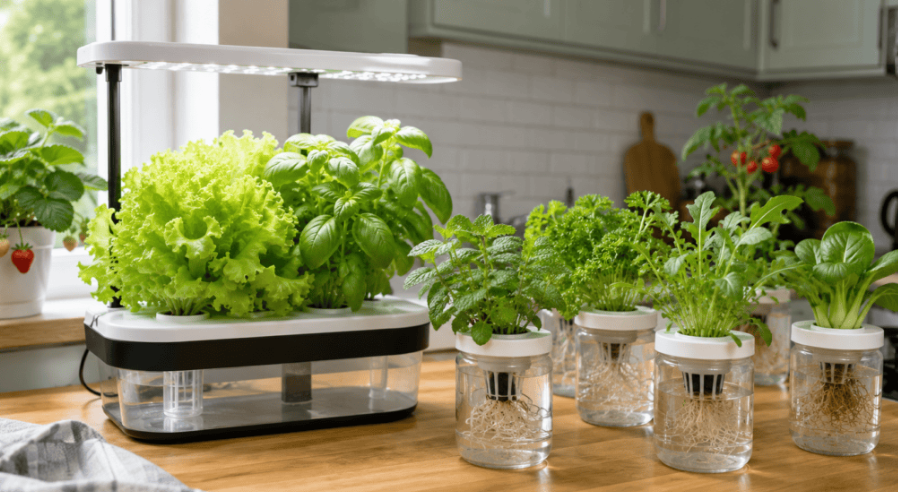
NASA has spent decades studying which plants could feed astronauts on a multi-year trip to Mars, and the shortlist that keeps coming up looks remarkably close to the best plants for a hydroponic system sitting on a kitchen counter right here on Earth. Lettuce was the first crop actually grown and eaten aboard the International Space Station, and the reasoning behind that choice, fast growth, shallow roots, minimal fuss, is exactly the same reasoning that makes a plant a genuine hydroponic star in a spare bedroom or basement setup. Space agriculture and windowsill hydroponics turn out to be solving the same basic equation.
That equation comes down to root architecture more than anything else. A plant with fine, fibrous roots built to spread wide and shallow can pull dissolved nutrients directly from a flowing or standing solution with real efficiency, while a plant that needs to physically swell a taproot or bulb against solid resistance, a carrot or an onion, genuinely struggles without something solid underground to push against. That single mechanical difference is why this list leans so heavily toward leafy herbs, quick greens, and a handful of genuinely well-adapted houseplants rather than root vegetables.
The scope here also stretches well beyond the vegetable patch, since hydroponics has quietly become one of the most reliable ways to keep a houseplant alive for people who’ve killed one too many pothos in dirt. A stem cutting suspended in a jar of water, roots visibly threading down through clear glass, is genuinely one of the most satisfying things to watch grow in a home, and several classic houseplants take to permanent water culture with real, lasting success.
The NASA Technology Transfer Program has published research on plant selection for controlled-environment agriculture that’s directly relevant to a home hydroponic setup, even one with considerably lower stakes than a Mars mission. What follows covers 50 of the best plants for a hydroponic system, spanning herbs, leafy greens, fruiting vegetables, and ornamental houseplants.
Basil
Basil is genuinely one of the most reliable hydroponic herbs available, its fast growth and shallow root system thriving in a deep water culture or nutrient film setup with minimal fuss. Its considerable productivity means a single well-established plant can supply fresh leaves for months.
It thrives in warm water and consistent light, rewarding regular harvesting with continuous new growth rather than a single one-time cutting. The Cornell University Controlled Environment Agriculture program has published extensive basil variety trial data across different hydroponic system types.
Mint
Mint grows almost aggressively well in a hydroponic system, its vigorous root system spreading rapidly through a nutrient solution in a way that would quickly overrun an in-ground garden bed. Its considerable vigor makes it a genuinely forgiving choice for a beginner’s first hydroponic herb.
It thrives in a deep water culture setup, tolerating a wider range of light and temperature conditions than many other hydroponic herbs require.
Cilantro
Cilantro grows quickly in a hydroponic system, its shallow root system suiting a nutrient film or deep water culture setup particularly well during its relatively brief productive window. Its tendency to bolt in heat means cooler system temperatures genuinely extend its usable harvest period.
It thrives in cooler nutrient solution temperatures, bolting considerably faster if the growing environment runs too warm.
Parsley
Parsley performs reliably in a hydroponic system, its fibrous root structure absorbing nutrients efficiently while its considerable productivity rewards patient, repeated harvesting over an extended period. Its slower germination compared to some other herbs rewards a bit of extra patience early on.
It thrives in a deep water culture or nutrient film system, remaining one of the more forgiving hydroponic herbs for inconsistent nutrient monitoring.
Chives
Chives grow well in a hydroponic system, their narrow, upright form making efficient use of a tightly spaced tower or NFT channel setup. Their quick regrowth after cutting also makes them a genuinely repeatedly harvestable crop from the same planting.
They thrive in a deep water culture or nutrient film system, remaining one of the more space-efficient hydroponic herbs for a compact home setup.
Oregano
Oregano grows reliably in a hydroponic system, its considerable resilience making it one of the more forgiving herbs for a beginner still learning to manage nutrient concentration. Its intense flavor develops well under hydroponic conditions, comparable to soil-grown quality.
It thrives in a deep water culture or media-based system, tolerating a somewhat wider range of growing conditions than more delicate herbs.
Thyme
Thyme performs reasonably well hydroponically, though its genuine preference for lean, dry conditions means it benefits from careful attention to nutrient concentration and airflow within an enclosed system. Its fine, woody stems also need a bit more structural support than a purely leafy herb.
It thrives in a media-based system with good airflow, avoiding the overly humid conditions some other hydroponic herbs tolerate more comfortably.
Dill
Dill grows quickly in a hydroponic system, its feathery foliage developing well under consistent nutrient delivery, though its considerable height eventually calls for some structural support. Its relatively brief productive window rewards succession planting for a continuous supply.
It thrives in a deep water culture or nutrient film system, reaching a usable harvest size within just a few weeks of germination.
Tarragon
Tarragon grows well in a hydroponic system once established, its considerable flavor developing reliably under consistent nutrient delivery. Its perennial nature means a single hydroponic planting can be harvested repeatedly over an extended period.
It thrives in a deep water culture or media-based system, remaining a genuinely low-maintenance choice once its root system is established.
Sage
Sage performs reasonably well hydroponically, though like thyme, it genuinely benefits from good airflow and careful nutrient management given its Mediterranean origins and general preference for leaner conditions. Its robust, velvety leaves develop good flavor under the right hydroponic setup.
It thrives in a media-based system with strong air circulation, avoiding the humidity concerns some other hydroponic herbs handle more easily.
Lettuce
Lettuce is genuinely the classic hydroponic crop, its shallow, fibrous root system absorbing dissolved nutrients with real efficiency and reaching harvest size considerably faster than a soil-grown head. Its dominance in commercial hydroponic production reflects just how well its biology matches the growing method.
It thrives in a deep water culture or nutrient film system, remaining the most widely grown hydroponic crop in the world for good reason.
Spinach
Spinach performs well hydroponically, its shallow root system suiting a nutrient film or deep water culture setup particularly well. Its considerable cold tolerance also means it can be grown successfully in a cooler indoor environment that would stress a more heat-loving crop.
It thrives in cooler nutrient solution temperatures than many other hydroponic vegetables prefer, bolting quickly if the growing environment runs too warm.
Kale
Kale grows reliably in a hydroponic system, its considerable cold tolerance and relatively compact root system suiting most system types without much fuss. Its nutrient-dense leaves also grow noticeably faster under hydroponic conditions than in a typical soil garden.
It thrives in a deep water culture or media-based system, tolerating a somewhat wider temperature range than more delicate leafy greens.
Swiss Chard
Swiss chard performs well across a range of hydroponic setups, its fibrous root system absorbing nutrients efficiently while its colorful stems add genuine visual appeal to a home hydroponic display. Its considerable productivity means a single plant can be harvested repeatedly rather than all at once.
It thrives in a nutrient film or media-based system, remaining one of the more forgiving hydroponic leafy greens for inconsistent nutrient monitoring.
Arugula
Arugula grows quickly in nearly any hydroponic system, its shallow root system and rapid maturity making it a genuinely efficient choice for a fast-turnaround harvest. Its peppery flavor develops well under hydroponic conditions, comparable to soil-grown quality.
It thrives in a deep water culture or nutrient film setup, reaching harvest size in just a few weeks under favorable growing conditions.
Watercress
Watercress is genuinely one of the most naturally suited crops for hydroponic growing, since the plant evolved to grow directly in shallow, flowing water in the wild. Its rapid growth and considerable nutrient density have made it an increasingly popular hydroponic specialty crop.
It thrives specifically in a nutrient film or deep water culture system, performing considerably better in a water-based setup than in any soil-based growing method.
Bok Choy
Bok choy performs reliably in a hydroponic system, its compact size and shallow root system suiting a tightly spaced NFT or tower setup particularly well. Its quick maturity also makes succession planting a genuinely practical way to keep continuous harvests coming.
It thrives in a deep water culture or nutrient film system, remaining one of the more space-efficient hydroponic vegetables available.
Mustard Greens
Mustard greens grow rapidly in a hydroponic setup, their shallow root system and fast maturity making them a genuinely efficient choice for quick, repeated harvests. Their considerable flavor intensity develops well under the fast, nutrient-rich growth hydroponics provides.
They thrive in a nutrient film or deep water culture system, reaching a usable harvest size within just a few weeks of germination.
Collard Greens
Collard greens grow reliably in a hydroponic system, their considerable size meaning a media-based or larger NFT channel setup suits them better than a compact tower system would. Their tolerance for a range of temperatures also makes them a genuinely flexible hydroponic choice.
They thrive in a nutrient film or media-based system, rewarding the extra growing space with a genuinely substantial, repeatedly harvestable crop.
Endive
Endive grows well in a hydroponic system, its compact form suiting intensive spacing in a tower or NFT channel setup. Its characteristic bitter flavor develops reliably under hydroponic conditions, comparable to soil-grown quality.
It thrives in a deep water culture or nutrient film system, remaining one of the more space-efficient specialty greens for a home hydroponic setup.
Tomatoes
Tomatoes are grown hydroponically at genuine commercial scale worldwide, their considerable yield potential rewarding the extra structural support and higher nutrient demand the crop requires compared to a leafy green. A sturdy trellis or stake anchored into the growing system is genuinely essential to support the plant’s substantial vertical growth.
They thrive in a Dutch bucket or media-based system, and the University of Arizona’s Controlled Environment Agriculture Center has extensively documented commercial hydroponic tomato production practices.
Cherry Tomatoes
Cherry tomatoes perform particularly well hydroponically, their smaller individual fruit size placing somewhat less strain on the root system than a larger beefsteak variety would demand. Their considerable productivity also makes them a rewarding choice for a home hydroponic setup.
They thrive in a Dutch bucket or media-based system, benefiting from the same sturdy trellis support standard tomatoes need.
Peppers
Peppers grow well hydroponically, their relatively compact root system and upright growth habit suiting a media-based system without needing quite the extensive support a tomato vine requires. Their considerable heat tolerance also makes them well suited to a warm indoor growing environment.
They thrive in a Dutch bucket or nutrient film system, rewarding consistent nutrient delivery with genuinely reliable fruit production.
Cucumbers
Cucumbers thrive in a hydroponic system, their vigorous vining growth benefiting from a trellis or vertical support structure anchored into the growing setup. Their considerable water needs are genuinely well matched to a hydroponic system’s constant nutrient solution availability.
They thrive in a nutrient film or Dutch bucket system, rewarding sturdy trellis support with cleaner, straighter fruit than a sprawling ground-grown vine typically produces.
Eggplant
Eggplant performs reliably in a hydroponic system, its compact, upright growth habit suiting a media-based setup without needing extensive support structure. Its considerable heat requirement makes it well suited to a warm, controlled indoor growing environment.
It thrives in a Dutch bucket or media-based system, rewarding the warmer growing conditions hydroponics can maintain with genuinely reliable fruit set.
Green Beans
Green beans grow reliably in a hydroponic system, their climbing habit benefiting from a trellis anchored into a media-based setup. Their relatively quick maturity also makes them a genuinely rewarding crop for a home hydroponic grower.
They thrive in a media-based system, rewarding sturdy vertical support with a genuinely productive, space-efficient harvest.
Celery
Celery grows well hydroponically, its considerable water needs genuinely well matched to a system that constantly circulates a nutrient solution around the root zone. Its stalks develop good flavor and texture under the consistent moisture hydroponics reliably provides.
It thrives in a deep water culture or nutrient film system, benefiting from the constant moisture access a soil-based garden struggles to match as reliably.
Strawberries
Strawberries are grown hydroponically at genuine commercial scale, their considerable productivity and relatively compact root system suiting a specialized vertical or tower system particularly well. Their trailing runners also make efficient use of a hydroponic tower’s vertical growing space.
They thrive in a specialized strawberry tower or media-based system, rewarding consistent nutrient delivery with genuinely reliable, repeated fruit production.
Water Spinach
Water spinach, also called kangkong, is genuinely adapted to growing directly in water in its native range, making it an exceptionally well-suited hydroponic crop with minimal adaptation required. Its rapid growth and considerable heat tolerance have made it an increasingly popular hydroponic specialty green.
It thrives specifically in a deep water culture or nutrient film system, performing considerably better in a water-based setup than most other leafy vegetables.
Petunias
Petunias grow surprisingly well in a hydroponic system, their considerable bloom volume rewarding the consistent nutrient delivery a soilless setup provides. Their popularity in commercial ornamental hydroponic production reflects genuinely strong performance beyond just edible crops.
They thrive in a nutrient film or media-based system, rewarding full sun and steady feeding with a genuinely long, abundant bloom period.
Marigolds
Marigolds perform reliably in a hydroponic system, their considerable pest-deterrent reputation making them a popular companion planting choice even within a soilless setup positioned near edible crops. Their cheerful, long-lasting blooms also add genuine visual interest to a mixed hydroponic display.
They thrive in a nutrient film or media-based system, tolerating a wide range of light and temperature conditions with real ease.
Orchids
Orchids, particularly phalaenopsis types, thrive in a semi-hydroponic setup using an inert medium like clay pebbles with a reservoir of nutrient solution below, closely mimicking how the plant naturally grows attached to a tree in the wild rather than rooted in soil. Their considerable popularity as a semi-hydroponic houseplant reflects just how well this growing method suits their genuinely unusual root biology.
They thrive in a passive semi-hydroponic setup, avoiding the constant wet-dry soil cycle that causes so many soil-grown orchids to fail. The American Orchid Society’s growing guides cover semi-hydroponic technique in more specialized detail for this genus specifically.
Pothos
Pothos is genuinely one of the most popular plants for pure water culture, its vigorous, adaptable root system transitioning to permanent water growth with real ease from a simple stem cutting. Its considerable tolerance for low light also makes it a forgiving choice for a home hydroponic display.
It thrives in a simple jar or vase of water, needing only occasional nutrient solution additions to sustain long-term growth.
Philodendron
Philodendron adapts readily to hydroponic growing, its root system transitioning from soil to water culture with genuine ease when started from a healthy cutting. Its considerable variety in leaf shape and size across different cultivars makes for an interesting hydroponic display.
It thrives in a simple water vessel or media-based system, tolerating a range of light conditions with real flexibility.
Peace Lily
Peace lily grows well in a hydroponic system, its considerable tolerance for consistently wet roots making the transition from soil to water culture genuinely straightforward. Its elegant white blooms also perform reliably under the steady moisture hydroponics provides.
It thrives in a deep water culture setup, tolerating lower light conditions than many other hydroponic ornamental options require.
Chinese Evergreen
Chinese evergreen adapts well to hydroponic growing, its considerable tolerance for low light and inconsistent care making it a genuinely forgiving choice for a beginner’s first ornamental hydroponic plant. Its attractively patterned foliage provides real visual interest regardless of growing method.
It thrives in a simple water vessel or media-based system, remaining one of the more resilient hydroponic houseplants available.
Spider Plant
Spider plant transitions to hydroponic growing with genuine ease, its considerable vigor and readily available offset plantlets making it simple to start an entirely new hydroponic specimen from an existing plant. Its arching, variegated foliage looks particularly striking with roots visible through clear glass.
It thrives in a simple water vessel, tolerating a wide range of light conditions with real resilience.
English Ivy
English ivy adapts readily to pure water culture, its trailing vines developing a genuinely dense root system once transitioned from soil. Its considerable versatility makes it a popular choice for a hanging hydroponic display.
It thrives in a simple water vessel or nutrient film system, tolerating lower light conditions better than many other hydroponic ornamentals.
Lucky Bamboo
Lucky bamboo is genuinely one of the most iconic pure-water hydroponic plants, its stalks rooting and thriving indefinitely in nothing more than water and occasional nutrient additions. Its considerable popularity in feng shui and gift-giving traditions has made it one of the most recognizable hydroponic houseplants worldwide.
It thrives in a simple water vessel, needing only indirect light and periodic water changes to remain healthy for years. The University of Florida IFAS Extension’s houseplant care guide covers long-term water culture maintenance relevant to this and several other ornamental entries on this list.
Anthurium
Anthurium adapts to a semi-hydroponic setup reasonably well, its glossy, heart-shaped flower spathes developing reliably under the consistent moisture and humidity a soilless system helps maintain. Its considerable ornamental value makes it a rewarding, if slightly more demanding, hydroponic houseplant.
It thrives in a media-based semi-hydroponic system, benefiting from the humidity control such a setup makes genuinely easier to maintain.
Begonia
Begonia adapts to hydroponic growing from a healthy cutting with reasonable success, its considerable variety in leaf color and pattern across different cultivars making for visually interesting hydroponic displays. Its blooms also perform reliably under consistent hydroponic nutrient delivery.
It thrives in a simple water vessel or media-based system, tolerating partial shade better than many other hydroponic ornamental options.
African Violet
African violet can be grown hydroponically with genuine success, its compact size and shallow root system suiting a small, self-contained wick or passive system particularly well. Its considerable bloom reliability under consistent moisture makes hydroponic growing a real improvement over the finicky watering soil-grown specimens often need.
It thrives in a wick or passive hydroponic system, avoiding the overwatering problems that commonly plague a soil-grown specimen.
Coleus
Coleus roots and grows in water with genuine ease, its vividly colored foliage developing well under consistent hydroponic nutrient delivery. Its considerable popularity as a propagation subject has made the transition to permanent water culture a natural next step for many home growers.
It thrives in a simple water vessel or nutrient film system, tolerating a range of light conditions while maintaining its striking foliage color.
Dracaena
Dracaena adapts to hydroponic growing with real resilience, its considerable tolerance for a range of light and watering conditions making the transition from soil genuinely straightforward. Its architectural, upright form provides real visual structure in a home hydroponic display.
It thrives in a simple water vessel or media-based system, remaining one of the more forgiving hydroponic houseplants for inconsistent care.
Microgreens
Microgreens are genuinely one of the simplest and fastest hydroponic crops available, requiring nothing more than a shallow tray, a growing mat, and a nutrient solution to reach harvest within just a couple of weeks. Their minimal space and equipment needs make them an ideal entry point for a first-time hydroponic grower.
They thrive in a simple passive tray system, needing considerably less specialized equipment than almost any other plant on this list.
Bean Sprouts
Bean sprouts represent genuinely the simplest form of hydroponic growing, requiring only periodic rinsing with water rather than any dissolved nutrient solution at all, since the sprout draws entirely on the seed’s own stored energy. Their remarkably fast turnaround, often just days, makes them a genuinely accessible starting point for hydroponic growing.
They thrive with nothing more than a simple sprouting jar or tray, needing no specialized hydroponic equipment whatsoever.
Stevia
Stevia grows reliably in a hydroponic system, its considerable sweetness developing well under consistent nutrient delivery and warm growing conditions. Its perennial nature means a single hydroponic planting can be harvested repeatedly over an extended period.
It thrives in a deep water culture or media-based system, rewarding consistent warmth with genuinely sweeter, more usable leaves.
Lemon Balm
Lemon balm grows vigorously in a hydroponic system, its bright, citrus-scented foliage developing well under consistent nutrient delivery. Its considerable vigor means regular harvesting genuinely helps keep the plant’s growth manageable within a contained system.
It thrives in a deep water culture or nutrient film system, remaining one of the more forgiving and productive hydroponic herbs available.
Marjoram
Marjoram performs reliably in a hydroponic system, its milder, sweeter flavor compared to oregano developing well under consistent nutrient delivery. Its relatively compact growth habit also suits a tightly spaced hydroponic tower or NFT channel setup.
It thrives in a deep water culture or media-based system, remaining a genuinely low-maintenance choice once established.
Rosemary
Rosemary can be grown hydroponically, though it genuinely needs more airflow than many other herbs on this list, since its Mediterranean origins make it poorly suited to the still, humid conditions an enclosed system can trap without active ventilation. Placing it near a fan or vent within the growing space makes a real difference to its long-term health.
It thrives in a media-based system with strong air circulation, avoiding the root rot that excess humidity can cause more readily in this particular herb than in most others on this list.
Key Takeaways
Plants suitable for hydroponic systems can grow without traditional soil because their roots receive water, nutrients, oxygen, and support through a controlled growing environment. Leafy greens, herbs, vegetables, fruits, and some flowering plants can be grown hydroponically when their specific requirements are met.
Choosing plants for a hydroponic system depends on the plant’s size, root structure, growth rate, nutrient needs, and the type of system being used. Available space, lighting, temperature, humidity, water quality, and the strength of the support structure should also be considered when selecting crops.
Different hydroponic systems may suit different plants, so matching the crop to the growing method can improve results. Leafy greens often require less space and support, while larger fruiting plants may need stronger structures, longer growing periods, and more careful nutrient management.
Successful hydroponic growing requires regular monitoring and maintenance. Keeping nutrient levels, water quality, temperature, lighting, oxygenation, and cleanliness within suitable ranges can encourage healthy growth and help reduce common problems such as nutrient deficiencies, root issues, and pests.