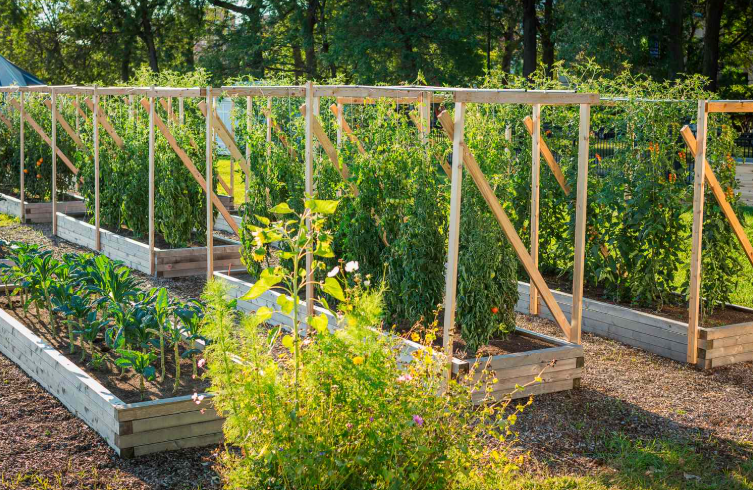
The best vegetables to grow on a trellis share a genuine set of practical advantages that go well beyond simply saving ground space, though that’s often the first reason a gardener reaches for vertical support in the first place. A vining plant grown up a trellis occupies a genuine fraction of the footprint the same plant would need sprawling across open ground, which matters enormously in a small yard or a raised bed where every square foot of growing space is already accounted for.
Air circulation improves considerably once a vine leaves the ground, and that matters more than it might seem, since cucumbers, squash, and melons are all genuinely prone to powdery mildew and other fungal disease that thrives in the still, humid air trapped beneath a sprawling, ground-level canopy. Lifting the foliage up and letting air move freely around it is a real, measurable reduction in disease pressure, not just a tidier appearance.
Fruit quality benefits just as directly. A cucumber or squash resting on damp soil is exposed to rot, slug damage, and the flattened, discolored patch that develops wherever fruit sits against the ground, problems a trellised vine avoids almost entirely by keeping developing fruit suspended in open air. Harvest also gets considerably easier once fruit hangs at eye or hand level instead of hiding somewhere within a dense, ground-level tangle of leaves.
Not every trellis suits every crop, though, and weight is the real deciding factor. A pea or bean needs only a light, thin support to climb, while a genuinely heavy winter squash or melon needs either a serious, well-anchored structure or individual fabric slings to keep the developing fruit from tearing loose under its own weight. The Cornell University Cooperative Extension’s vertical gardening guide covers structural load considerations for heavier vining crops in more technical detail than a general list can. What follows covers 35 of the best vegetables to grow on a trellis.
Cucumbers
Cucumbers climb readily given a trellis, their tendrils naturally grasping onto wire, string, or lattice without needing much manual training. Vertical growth also keeps developing fruit consistently straight, since a cucumber left to sprawl on the ground often curls as it grows around obstacles.
They want full sun and consistent moisture, and the improved air circulation a trellis provides genuinely reduces the powdery mildew pressure cucumbers are particularly prone to.
Pole Beans
Pole beans take full advantage of vertical growing space, climbing a trellis, tepee, or simple pole with real vigor and delivering considerably higher yield per square foot than a bush variety planted in the same footprint. Their considerable height also makes harvest genuinely easier, since pods hang at a convenient picking height rather than tangled near the ground.
They want full sun and well-drained soil, rewarding a sturdy vertical support with a genuinely productive, space-efficient harvest through much of summer.
Snap Peas
Snap peas climb a trellis using delicate tendrils, needing only a relatively light support structure compared to heavier vining crops later in this list. Their entire pod is eaten, making trellis-grown vertical access to a clean, easily harvested crop particularly convenient.
They tolerate a light frost without serious damage, thriving specifically during the cool spring weather when a trellis also helps keep developing pods off damp early-season ground.
Snow Peas
Snow peas share snap peas’ genuine preference for cool weather and light trellis support, their flat, edible pods harvested before the seeds inside fully develop. Their climbing habit makes them a genuinely space-efficient spring crop for a smaller garden.
They tolerate light frost well, and vertical growth keeps the delicate pods clean and easy to spot against the trellis rather than hidden in ground-level foliage.
Garden Peas
Garden peas, grown specifically for the seeds inside rather than the pod itself, climb a light trellis with the same tendril-grasping habit as their snap and snow pea relatives. Their considerable yield improvement when grown vertically rather than sprawling makes trellising genuinely worthwhile even for a small planting.
They tolerate a light frost without serious damage, making them one of the earliest crops worth trellising each spring once the soil can be worked.
Winter Squash
Winter squash grows vigorously up a sturdy trellis, though its considerable fruit weight genuinely requires either a heavy-duty structure or individual slings, often made from old pantyhose or fabric strips, to support developing fruit as it matures. Vertical growth also improves air circulation, reducing certain fungal disease pressure common in a sprawling squash patch.
It wants full sun and rich, well-drained soil, needing the trellis anchored securely enough to handle a genuinely substantial mature vine.
Delicata Squash
Delicata squash, among the more compact winter squash varieties, suits a trellis particularly well given its relatively lighter individual fruit compared to a larger butternut or hubbard type. Its considerable sweetness and edible skin have made it an increasingly popular home garden choice.
It wants full sun and rich, well-drained soil, benefiting from a trellis’s improved air circulation without needing quite the heavy-duty support a larger squash variety would demand.
Spaghetti Squash
Spaghetti squash climbs a sturdy trellis readily, its oblong fruit shape actually suiting a sling support particularly well compared to a rounder variety that can be trickier to cradle securely. Its considerable vine length makes vertical training a genuine space-saver in a smaller garden.
It wants full sun and rich, well-drained soil, rewarding a properly supported trellis planting with cleaner fruit than a ground-sprawling vine typically produces.
Kabocha Squash
Kabocha squash, a genuinely dense, sweet winter squash popular in Japanese cooking, climbs a trellis with real vigor, though its considerable fruit weight demands a sturdy structure and individual support slings. Its compact vine habit compared to some other winter squash varieties makes it somewhat easier to manage vertically.
It wants full sun and rich, well-drained soil, benefiting from the same improved air circulation and reduced ground contact that suits most other trellised squash.
Tromboncino Squash
Tromboncino squash produces genuinely long, curved fruit that grows straighter and cleaner when trained up a trellis rather than left to sprawl and coil across the ground. Its considerable vine vigor and unusual fruit shape have made it an increasingly popular choice specifically for vertical growing.
It wants full sun and rich, well-drained soil, rewarding trellis training with noticeably straighter, more uniform fruit than ground growth typically produces.
Pumpkins
Smaller pumpkin varieties climb a trellis reasonably well, though the considerable weight of even a modest pumpkin genuinely demands sturdy support and individual slings as the fruit develops. Vertical growth also keeps the pumpkin’s skin cleaner, avoiding the flat, discolored patch that develops from ground contact.
It wants full sun and consistently warm soil, needing a genuinely robust trellis structure capable of handling a mature vine’s substantial weight.
Cantaloupe
Cantaloupe benefits considerably from trellis growing, its fruit developing a cleaner, more uniform rind when suspended in open air rather than sitting against damp ground. Individual fabric slings genuinely help support the fruit’s weight as it matures on the vine.
It wants full sun and rich, well-drained soil, rewarding a properly supported trellis with sweeter, cleaner fruit than a ground-grown vine often produces.
Watermelon
Smaller watermelon varieties, bred specifically for a more compact vine habit, suit trellis growing considerably better than a traditional large-fruited type whose weight would overwhelm most home garden support structures. Individual slings remain genuinely necessary even for a smaller fruit as it develops.
It wants full sun and rich, well-drained, consistently warm soil, benefiting from a sturdy trellis anchored well enough to handle the fruit’s weight through to harvest.
Indeterminate Tomatoes
Indeterminate tomatoes grow continuously throughout the season rather than stopping at a set height, making a trellis, cage, or stake genuinely essential to keep the vigorous vine from collapsing under its own weight. Vertical growth also improves air circulation around the foliage, reducing certain fungal disease pressure.
They want full sun and consistently warm, well-drained soil, rewarding sturdy vertical support with considerably cleaner fruit than an unsupported, sprawling plant produces.
Cherry Tomatoes
Cherry tomatoes, particularly indeterminate varieties, produce a genuinely large volume of fruit that a trellis makes considerably easier to harvest by keeping the plant’s growth organized and accessible rather than sprawling in every direction. Their smaller individual fruit size also means the vine’s weight distributes more evenly along the support.
They want full sun and consistently warm soil, benefiting from the same vertical training that suits their larger-fruited tomato relatives.
Malabar Spinach
Malabar spinach climbs a trellis with genuine enthusiasm, its glossy, heat-tolerant leaves providing a spinach-like leafy green harvest specifically during hot weather when true spinach would already have bolted. Its considerable vigor makes it a productive vertical grower even in a genuinely small garden footprint.
It wants full sun and consistent moisture, thriving in hot, humid conditions that would stress most other trellis-grown leafy vegetables.
Chayote
Chayote produces a genuinely vigorous, sprawling vine that benefits enormously from a sturdy trellis or arbor, since its considerable growth can otherwise overwhelm an unsupported garden bed entirely. Its pear-shaped fruit hangs cleanly from the vine once trained vertically.
It wants full sun and rich, well-drained soil in a warm, frost-free climate, rewarding a genuinely substantial trellis structure with a considerable, ongoing harvest.
Luffa
Luffa produces long, cylindrical fruit that grows genuinely straighter when trained to hang vertically from a trellis rather than resting on the ground. Its fibrous interior, once dried, becomes the familiar natural sponge, making the crop useful well beyond the kitchen.
It wants full sun and rich, well-drained soil, needing a genuinely long growing season and a sturdy overhead structure for the fruit to hang cleanly as it matures.
Bitter Melon
Bitter melon climbs a trellis readily, its distinctively warty, elongated fruit hanging cleanly once the vigorous vine is trained vertically. Its considerable culinary importance in several Asian cuisines has made it an increasingly common home garden crop.
It wants full sun and consistently warm soil, thriving with the same trellis support and improved air circulation that benefits most other vining cucurbits.
Yard-Long Beans
Yard-long beans produce genuinely dramatic, extremely long pods that hang most cleanly and grow straightest when the vine is trained up a tall trellis. Their considerable heat tolerance makes them a productive choice during a stretch of summer when many other beans slow down.
They want full sun and warm, well-drained soil, and the University of Florida IFAS Extension’s vegetable trellising guide covers support requirements for several heat-tolerant vining legumes including this one.
Scarlet Runner Beans
Scarlet runner beans climb a trellis vigorously, producing both a genuinely ornamental display of vivid red flowers and an edible bean pod, making the plant useful for both looks and harvest. Their considerable vine length makes tall vertical support genuinely worthwhile.
They want full sun and consistently moist, well-drained soil, thriving especially well in a cooler summer climate that would slow down many other heat-loving beans.
Lima Beans
Pole lima bean varieties climb a trellis with real vigor, delivering a considerably longer harvest window than a bush lima planted in the same space. Their vertical growth also keeps developing pods cleaner and easier to spot at harvest time.
They want full sun and warm, well-drained soil, rewarding a sturdy trellis with a genuinely extended pole variety’s harvest compared to a bush type.
Hyacinth Bean
Hyacinth bean climbs a trellis vigorously, producing striking purple pods and flowers that make it as much an ornamental vine as a food crop. Its considerable vigor means a tall, sturdy support is genuinely worth installing from the start.
It wants full sun and well-drained soil, thriving as a genuinely dual-purpose vertical planting that provides both visual interest and a harvestable crop.
Cucamelon
Cucamelon produces tiny, grape-sized fruit that tastes genuinely like cucumber with a hint of tartness, its delicate vine climbing a trellis with real enthusiasm despite the plant’s overall small scale. Its considerable productivity from such a compact vine makes it a genuinely efficient trellis crop.
It wants full sun and well-drained soil, thriving on even a modest trellis given how lightweight its individual fruit actually is.
Armenian Cucumber
Armenian cucumber, genuinely a type of melon rather than a true cucumber despite the name and flavor, produces long, ribbed fruit that grows straighter and cleaner when trained up a trellis rather than left to sprawl. Its considerable vine vigor makes vertical support genuinely worthwhile.
It wants full sun and consistent moisture, rewarding trellis training with noticeably straighter fruit than ground growth typically produces.
Cucuzza
Cucuzza, a genuine Italian edible gourd, produces extremely long, pale green fruit that grows dramatically straighter when allowed to hang from an overhead trellis or arbor rather than coiling across the ground. Its considerable vine vigor and fruit length make a tall, sturdy structure genuinely necessary.
It wants full sun and rich, well-drained soil, rewarding a properly built overhead trellis with fruit that can reach genuinely impressive lengths.
Climbing Zucchini
Climbing zucchini varieties, bred specifically for a more vining habit than the typical compact bush type, suit trellis growing in a way standard zucchini generally can’t. Their vertical growth also makes harvest considerably easier, since fruit hangs visibly rather than hiding beneath the plant’s characteristically large leaves.
It wants full sun and rich, well-drained soil, benefiting from a sturdy trellis capable of supporting the plant’s considerable leaf mass as it climbs.
Tomatillo
Tomatillo produces a genuinely sprawling, somewhat floppy plant that benefits from being tied to a trellis or stake even though it doesn’t climb in the same tendril-grasping way as a true vining crop. That support keeps the considerable fruit-bearing branches from collapsing under their own weight as the plant matures.
It wants full sun and well-drained soil, producing more cleanly harvested fruit once its sprawling growth is genuinely contained by some form of vertical support.
Achocha
Achocha, a genuinely unusual South American vining vegetable, climbs a trellis vigorously, producing small, spiny, cucumber-like fruit eaten before it fully matures. Its considerable vigor and productivity make it an interesting, less common addition to a vertical vegetable garden.
It wants full sun and consistent moisture, thriving with the same trellis support and improved air circulation that benefits most other vining cucurbit relatives.
Snake Gourd
Snake gourd produces genuinely dramatic, extremely long, slender fruit that grows straighter and more uniform when allowed to hang from an overhead trellis. Its considerable length, sometimes exceeding a meter, makes vertical growing essentially a practical necessity rather than just a convenience.
It wants full sun and warm, well-drained soil, needing a genuinely tall, sturdy overhead structure for the fruit to hang and develop properly.
Bottle Gourd
Bottle gourd produces a genuinely vigorous vine bearing fruit in a range of shapes depending on variety, from bottle-shaped to elongated, all of which develop more uniformly when trained up a trellis rather than resting on the ground. Its considerable culinary versatility spans both young, tender fruit and, once dried, traditional container use.
It wants full sun and rich, well-drained soil, rewarding a sturdy trellis structure with cleaner, more consistently shaped fruit.
Winged Bean
Winged bean produces genuinely unusual, 4-winged pods on a vigorous climbing vine, with nearly every part of the plant, pods, leaves, flowers, and tubers, edible in some capacity. Its considerable vigor makes a sturdy trellis genuinely necessary to support its full growth.
It wants full sun and consistently warm, moist soil, thriving in a warm, humid climate considerably better than in a cooler growing region.
Climbing Nasturtium
Climbing nasturtium produces edible flowers and peppery leaves on a genuinely vigorous vining variety, distinct from the more common bushy nasturtium type, that climbs a trellis readily given the chance. Its considerable ornamental value makes it a useful dual-purpose addition to a vertical vegetable garden.
It wants average to poor soil and full sun, tolerating considerable neglect once established on its trellis support.
Korean Melon
Korean melon produces small, oblong, genuinely sweet fruit on a vigorous vine that benefits from trellis training in the same way cantaloupe does, keeping developing fruit clean and off damp ground. Its increasing popularity in home gardens has made seed considerably more available in recent years.
It wants full sun and rich, well-drained soil, rewarding trellis support with cleaner, more uniformly ripened fruit than ground growth typically produces.
Kiwano
Kiwano, also called African horned melon, produces genuinely striking, spiky orange fruit on a vigorous climbing vine well suited to trellis growing. Its unusual appearance and jelly-like green interior make it as much a conversation piece as a genuine food crop.
It wants full sun and warm, well-drained soil, benefiting from the same vertical training and improved air circulation that suits most other vining melon relatives.
Key Takeaways
Vegetables that grow well on a trellis can make efficient use of vertical space while keeping vines and foliage more organized. Climbing beans, peas, cucumbers, squash, and certain tomato varieties can benefit from support that keeps their stems and fruits elevated above the ground.
Choosing vegetables for trellising depends on their growth habit, mature size, fruit weight, available space, and the strength of the support structure. The trellis should be sturdy enough for mature plants, while proper spacing, sunlight, soil, and watering can help encourage healthy growth.
With suitable support and regular maintenance, trellised vegetables can be easier to manage and harvest. Training vines, tying plants when necessary, pruning where appropriate, checking supports, and harvesting regularly can help keep the plants productive throughout the growing season.