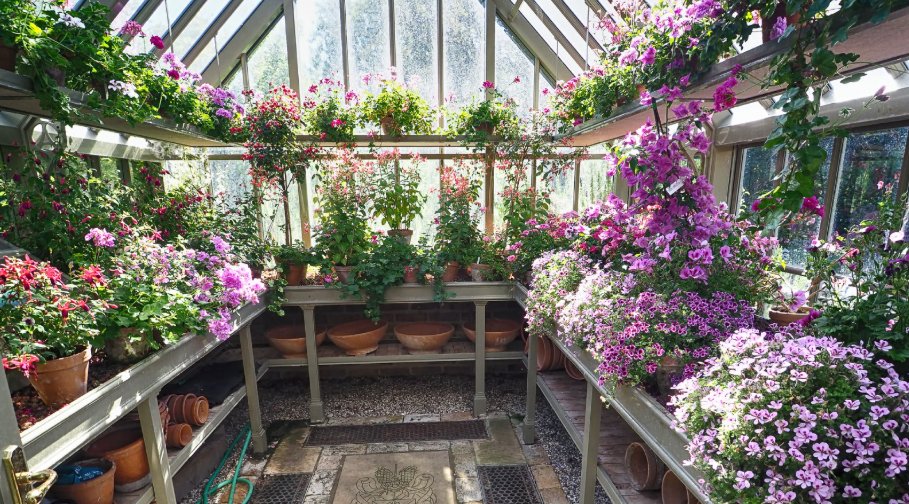
A greenhouse does for flowers roughly what it does for herbs: it removes winter cold as a limiting factor, which opens the door to tropical and tender flowering plants that simply can’t survive an outdoor frost anywhere near most of the country. Orchids, bougainvillea, hibiscus, and bird of paradise all become genuine year-round residents rather than seasonal container plants dragged in and out with the weather, and many of them bloom considerably more reliably under the controlled temperature and humidity a greenhouse provides than they ever would on a windowsill.
There’s a real exception worth understanding before assuming a greenhouse improves every flower’s performance, though. Tulips, daffodils, hyacinths, and several other classic spring bulbs actually need a genuine period of cold dormancy, technically called vernalization, to trigger their flowering cycle at all. A warm greenhouse that never drops below a certain temperature threshold can leave these bulbs sitting there indefinitely without ever producing a bloom, unless they’re deliberately pre-chilled in a refrigerator or an unheated space before being brought into the greenhouse to force into flower. Amaryllis and paperwhite narcissus, by contrast, need no such chilling and bloom readily in warm conditions, which is exactly why greenhouse growers reach for them so often for winter color.
A genuinely large share of the commercial cut-flower industry also relies on greenhouse production specifically to extend a flower’s natural outdoor season into the cooler months when field-grown blooms simply aren’t available. The American Orchid Society’s growing guides are a useful resource specifically for the orchid genera that make up such a large share of serious greenhouse flower collections. What follows covers 50 flowers well suited to greenhouse growing.
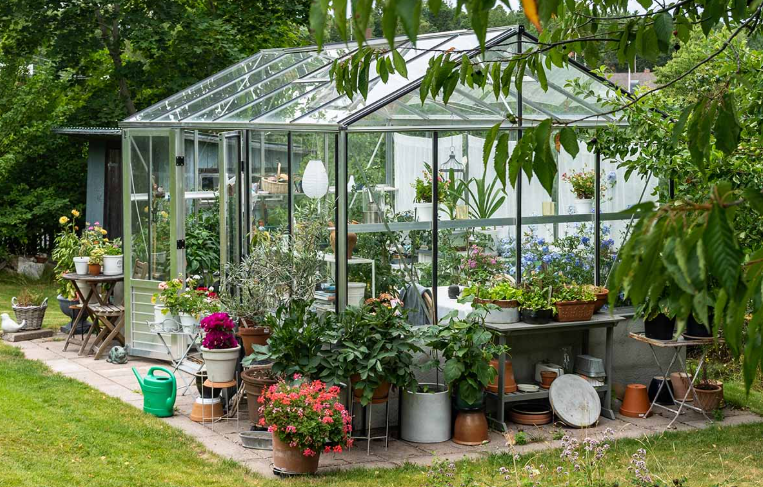
Phalaenopsis Orchid
Phalaenopsis orchid, often called the moth orchid, is among the most widely grown greenhouse orchids given its relatively forgiving temperature range and long-lasting blooms that can persist for months at a time. Its arching flower spikes make it a genuine showpiece even for a beginning greenhouse grower.
It wants bright, indirect light and consistent humidity, tolerating a somewhat wider range of home and greenhouse conditions than many other orchid genera.
Cattleya Orchid
Cattleya orchid produces large, often intensely fragrant flowers considered by many collectors to be the classic corsage orchid, requiring brighter light and more distinct day-night temperature swings than phalaenopsis. Its considerable flower size makes each individual bloom a genuine event.
It wants strong, filtered light and good air movement, benefiting from a real temperature drop at night that a well-ventilated greenhouse can provide more easily than an indoor windowsill.
Dendrobium Orchid
Dendrobium orchid produces long sprays of flowers along an upright cane, with considerable variation in care needs depending on the specific species within this genuinely large and diverse genus. Its blooms often last for weeks once open.
It wants bright light and a distinct seasonal rest period for many species, a temperature and watering cycle a greenhouse can manage more precisely than most indoor settings.
Vanda Orchid
Vanda orchid produces some of the most vividly colored orchid flowers available, typically grown in a hanging basket with its roots exposed to open air rather than potted in traditional orchid mix. Its considerable light requirements make it one of the more demanding orchid genera for a greenhouse grower.
It wants very bright light, high humidity, and excellent air circulation, thriving specifically in the kind of open, airy greenhouse conditions that suit few other orchid types as well.
Tropical Hibiscus
Tropical hibiscus produces enormous, vividly colored flowers continuously through the warm season, with individual blooms typically lasting just a single day before being replaced by new ones. Its constant flower turnover keeps color coming reliably in a heated greenhouse through winter.
It thrives in full sun and consistently moist, well-drained soil, blooming far more reliably under a greenhouse’s stable warmth than as an outdoor container plant hauled in seasonally.
Bougainvillea
Bougainvillea produces vivid papery bracts surrounding its actual small flowers, thriving in a greenhouse’s protected warmth where it can grow into a substantial, dramatic vine over several years. Its considerable color intensity comes specifically from those bracts rather than the true flowers themselves.
It wants full sun and can tolerate somewhat drier conditions than many other tropical greenhouse plants, actually blooming more heavily when slightly root-bound and under mild moisture stress.
Passionflower
Passionflower produces elaborate, intricate flowers on a vigorous climbing vine, thriving in a greenhouse’s protected warmth where it can be trained up a trellis or overhead structure. It also serves as a host plant for gulf fritillary and zebra longwing butterfly caterpillars if the greenhouse has any pollinator access.
It climbs vigorously given something to grow on, thriving in full sun to partial shade with regular moisture.
Plumeria
Plumeria produces intensely fragrant flowers in a range of colors, the same blooms traditionally used for Hawaiian leis, thriving in a greenhouse’s warm, frost-free conditions rather than surviving as a seasonal container plant elsewhere. Its considerable fragrance intensifies noticeably in the evening.
It wants full sun and excellent drainage, tolerating a genuine dry rest period through winter even within an otherwise warm greenhouse environment.
Bird of Paradise
Bird of paradise produces striking, crane-like orange and blue flowers on a substantial tropical plant that needs real greenhouse-scale space to reach flowering maturity. Its dramatic bloom shape has made it one of the most recognizable tropical flowers grown.
It wants bright light and consistent warmth, typically taking several years to reach blooming size even under ideal greenhouse conditions.
Anthurium
Anthurium produces glossy, heart-shaped flower spathes in vivid red, pink, or white, thriving in a greenhouse’s warm, humid conditions that closely mimic its native tropical rainforest understory habitat. Its unusually long-lasting individual blooms can persist for weeks at a time.
It wants bright, indirect light and high humidity, struggling considerably in the drier air common in most indoor home environments outside a greenhouse.
Bromeliad
Bromeliad produces bold, often vividly colored flower spikes emerging from a rosette of stiff, strappy leaves, thriving in a greenhouse’s warm, humid conditions. Many species flower only once before producing offset plants, called pups, that continue the display.
It wants bright, indirect light and consistent humidity, tolerating the greenhouse environment considerably better than the drier conditions of a typical home.
Gardenia
Gardenia produces intensely fragrant white flowers on a genuinely demanding evergreen shrub, requiring acidic soil, consistent moisture, and protection from cold to perform well, conditions a greenhouse can maintain far more reliably than an outdoor bed in a marginal climate. Its glossy foliage and legendary scent have kept it a greenhouse favorite despite the fuss.
It requires acidic, well-drained soil and consistent warmth, struggling considerably in alkaline conditions or any real temperature swing.
Camellia
Camellia produces elegant, rose-like flowers in fall through winter, a genuine rarity among flowering plants, and a greenhouse lets a grower extend its range well beyond where it could survive outdoors. Its glossy evergreen foliage provides handsome structure between bloom periods.
It requires acidic, well-drained soil and cooler greenhouse temperatures than many tropical plants prefer, since it actually needs a modest winter chill to bloom well.
Angel’s Trumpet
Angel’s trumpet produces enormous, pendant, trumpet-shaped flowers that release their strongest fragrance at night, thriving in a greenhouse’s frost-free warmth rather than surviving as a seasonal container plant. Every part of the plant is toxic if ingested, a genuine safety consideration.
It thrives in full sun to partial shade and consistent warmth, growing into a substantial specimen given the multi-year stability a greenhouse allows.
Mandevilla
Mandevilla produces large, trumpet-shaped flowers in shades of red, pink, or white on a vigorous climbing vine, thriving in a greenhouse’s warm, protected conditions where it can be trained up a trellis. Its glossy foliage stays attractive even between bloom flushes.
It wants full sun and consistent warmth, blooming considerably longer under stable greenhouse conditions than as an outdoor annual in a colder climate.
Arabian Jasmine
Arabian jasmine produces small, intensely fragrant white flowers, thriving in a greenhouse’s warm, humid conditions where its scent can fill the entire space. Its flowers are the traditional source of jasmine tea flavoring throughout parts of Asia.
It wants consistent warmth and humidity, tolerating the greenhouse environment considerably better than the drier conditions typical of an indoor home.
Ixora
Ixora produces dense, rounded clusters of small tubular flowers in vivid red, orange, or yellow, thriving in a greenhouse’s warm, humid tropical conditions. Its long bloom period provides reliable color through much of the year under stable warmth.
It wants full sun to partial shade and consistent warmth, struggling considerably with any real temperature drop.
Ginger Lily
Ginger lily, an ornamental relative of culinary ginger, produces dramatic, fragrant flower spikes on a substantial tropical plant thriving in a greenhouse’s warm, humid conditions. Its considerable size and bold tropical foliage make it a genuine statement plant.
It wants consistent warmth, humidity, and rich, moist soil, reflecting its origin in genuinely tropical understory habitat.
Heliconia
Heliconia produces bold, often brightly colored bracts in dramatic, sometimes lobster-claw-shaped arrangements, thriving in a greenhouse’s warm, humid tropical conditions. Its considerable size and vivid color have made it a favorite among serious tropical plant collectors.
It wants consistent warmth, high humidity, and rich, moist soil, struggling badly with any real cold exposure.
Torch Ginger
Torch ginger produces an enormous, dramatic flower head atop a tall stalk, thriving in a greenhouse’s warm, humid tropical conditions where it can reach its full considerable size. Its unusual flower structure is a genuine conversation piece.
It wants consistent warmth, high humidity, and rich, moist soil, needing real greenhouse-scale space to accommodate its substantial mature size.
Ranunculus
Ranunculus produces extraordinarily dense, tissue-paper-like layered petals in a wide range of colors, and greenhouse production has made it a genuine year-round cut flower staple rather than a narrow spring-only bloomer. Its considerable vase life has made it popular with florists and home gardeners alike.
It wants cool temperatures and consistent moisture, actually preferring the cooler end of what a greenhouse can offer rather than genuine tropical warmth.
Anemone
Anemone produces elegant, poppy-like flowers in vivid colors, and like ranunculus, greenhouse cultivation has extended its bloom season considerably into the cooler months when field-grown flowers aren’t available. Its striking dark center provides real visual contrast against its petals.
It wants cool temperatures and consistent moisture, thriving in the same cooler greenhouse conditions ranunculus prefers.
Snapdragon
Snapdragon produces tall spikes of tubular, hinged flowers, and greenhouse growers rely on it heavily as a cool-season cut flower crop that would bolt or struggle in genuine outdoor summer heat. Its considerable color range and long vase life make it a florist staple.
It wants cooler conditions than many other greenhouse flowers prefer, struggling through the most intense heat a poorly ventilated greenhouse can trap.
Stock
Stock produces dense spikes of fragrant flowers in shades of pink, purple, and white, a genuine cool-season cut flower crop that greenhouse growers use to fill the gap when field-grown blooms aren’t yet available. Its strong, clove-like fragrance is a genuine selling point.
It wants cool temperatures and consistent moisture, thriving in the same cooler end of greenhouse conditions as ranunculus and anemone.
Sweet Pea
Sweet pea produces fragrant flowers with a complex, hinged structure, and greenhouse growing lets cut-flower producers extend its naturally cool, brief outdoor season considerably. Its climbing habit needs a trellis or support structure to grow properly.
It climbs readily given something to grow on, thriving in cooler greenhouse conditions and struggling considerably once temperatures climb into genuine summer heat.
Lisianthus
Lisianthus produces elegant, rose-like flowers on a plant genuinely difficult to grow reliably outdoors given its slow, exacting germination requirements, making greenhouse production the practical standard for commercial cut-flower growers. Its considerable vase life has made it a florist favorite.
It wants consistent warmth and careful moisture management, benefiting enormously from the controlled conditions a greenhouse provides during its notoriously slow early growth stage.
Delphinium
Delphinium produces tall spikes of vivid blue, purple, pink, or white flowers, and greenhouse growing helps it avoid some of the heat and humidity stress that causes it to struggle in a genuinely hot outdoor summer climate. Its dramatic height and color have made it a classic cut-flower and border staple.
It thrives in cooler conditions and rich, well-drained soil, typically needing staking even within a greenhouse to keep its tall flower spikes upright.
Larkspur
Larkspur, an annual relative of delphinium, produces similarly tall spikes of blue, purple, or pink flowers, and greenhouse cultivation extends its naturally cool-season bloom window considerably. Its finer, more delicate texture distinguishes it from its perennial relative.
It wants cool conditions and well-drained soil, thriving in the same cooler greenhouse environment that suits several other cut-flower crops on this list.
Zinnia
Zinnia produces flat, daisy-like flowers in a huge range of colors, and greenhouse growing lets a cut-flower producer start plants earlier and extend the harvest season considerably beyond what outdoor timing alone would allow. Its long vase life and reliable performance have made it a garden and florist staple.
It thrives in full sun and warmth, tolerating the greenhouse’s protected environment well without needing the cooler conditions some other cut flowers on this list prefer.
Dahlia
Dahlia produces enormous, elaborate flowers in an extraordinary range of colors and forms, and greenhouse starting lets growers get tubers going considerably earlier than direct outdoor planting would allow in a cooler climate. Its considerable flower size and diversity have made it a favorite among serious cut-flower growers.
It wants warmth and consistent moisture to get started, though mature plants typically move outdoors once weather allows rather than staying in the greenhouse permanently.
Carnation
Carnation produces a dense, ruffled bloom with a strong, spicy fragrance, and greenhouse production has long been the commercial standard for year-round carnation availability regardless of outdoor season. Its considerable vase life has made it one of the most widely sold cut flowers in the world.
It wants cool to moderate temperatures and consistent moisture, thriving under the controlled conditions a commercial greenhouse maintains precisely for this purpose.
Freesia
Freesia produces fragrant, funnel-shaped flowers on wiry stems, a genuine greenhouse cut-flower specialty given how precisely its bloom timing can be controlled through careful temperature management. Its considerable fragrance is a genuine selling point beyond its delicate appearance.
It wants cool temperatures during its growing period, a requirement a greenhouse can manage far more precisely than an unpredictable outdoor season.
Gladiolus
Gladiolus produces tall spikes of trumpet-shaped flowers in a huge range of colors, and greenhouse starting lets growers stagger planting for a continuous, extended harvest rather than a single concentrated outdoor bloom window. Its dramatic height makes it a genuine florist and garden staple.
It wants warmth to get started and full sun, with corms typically planted in succession for a rolling harvest through the season.
Calla Lily
Calla lily produces elegant, trumpet-shaped flower spathes in white or vivid colors, and greenhouse cultivation lets growers force blooms well outside its natural outdoor season. Its sculptural, architectural form has made it a favorite for both cut-flower arrangements and container growing.
It wants consistent warmth and moisture, tolerating the greenhouse’s controlled humidity considerably better than an unpredictable outdoor climate.
Peony
Peony, though typically grown outdoors, is sometimes forced into early bloom within a greenhouse by manipulating temperature exposure after the plant has received its required winter chill outdoors. Its considerable fragrance and enormous, lush blooms make the forcing effort worthwhile for commercial cut-flower producers.
It requires a genuine cold dormancy period before forcing can succeed, making it one of the more technically demanding entries on this list to bring into bloom ahead of its natural season.
African Violet
African violet produces small, velvety flowers in shades of purple, pink, and white on a compact plant that thrives in a greenhouse’s stable warmth and humidity. Its considerable popularity as a houseplant has made it one of the most widely hybridized flowering plants available.
It wants bright, indirect light and consistent warmth, avoiding direct water on its fuzzy leaves, which can cause unsightly spotting.
Tuberous Begonia
Tuberous begonia produces large, often ruffled flowers in vivid colors, thriving in a greenhouse’s controlled humidity and protected warmth rather than surviving as an outdoor annual in a marginal climate. Its considerable flower size rivals a small rose in some cultivars.
It wants bright, indirect light and consistent moisture, going dormant through winter even within an otherwise warm greenhouse setting.
Cyclamen
Cyclamen produces distinctive, swept-back flower petals in shades of pink, red, and white, genuinely preferring the cooler end of what a greenhouse can offer rather than tropical warmth. Its attractively patterned foliage provides ornamental value even between bloom periods.
It wants cool temperatures and consistent moisture, struggling considerably if kept in the warmest, most humid section of a mixed greenhouse.
Primrose
Primrose produces cheerful, often multicolored flowers in very early spring, and greenhouse growing lets producers force an especially early bloom well ahead of its natural outdoor timing. Its compact size makes it a popular potted flowering gift plant.
It wants cool temperatures and consistent moisture, thriving in the cooler section of a greenhouse alongside several other spring-forced flowers.
Poinsettia
Poinsettia is the single most commercially significant greenhouse-forced flowering plant in the country, its red, pink, or white bracts requiring precisely controlled, uninterrupted darkness each night for a period of several weeks to trigger their color change ahead of the winter holiday season. Even brief exposure to stray light during that dark period can prevent the bracts from coloring properly.
It wants consistent warmth and, critically, that carefully controlled light and dark cycle, making it one of the most technically demanding greenhouse crops to produce successfully on a commercial timeline.
Cineraria
Cineraria produces dense clusters of vivid daisy-like flowers in a wide range of colors, genuinely preferring the cooler conditions a greenhouse can maintain rather than the heat that causes it to bolt or fail outdoors. Its bold color range has made it a popular potted flowering plant for late winter and early spring.
It wants cool temperatures and consistent moisture, struggling considerably in genuine summer heat even within an otherwise controlled greenhouse.
Pocketbook Plant
Pocketbook plant produces unusual, pouch-shaped flowers in vivid yellow, orange, or red, often speckled, thriving in a greenhouse’s cool, humid conditions. Its distinctive bloom shape gives the plant its common name.
It wants cool temperatures and consistent humidity, struggling considerably in genuine heat or dry air.
Cape Primrose
Cape primrose, also called streptocarpus, produces abundant trumpet-shaped flowers in a wide color range over a genuinely long bloom period, thriving in a greenhouse’s stable, moderate conditions. Its considerable rebloom reliability has made it increasingly popular among serious flowering-plant collectors.
It wants bright, indirect light and consistent moisture, avoiding the most intense, direct greenhouse sun exposure.
Fuchsia
Fuchsia produces pendant, tubular flowers in red, pink, and purple, thriving in a greenhouse’s protected, humid conditions considerably better than in an exposed outdoor hanging basket through a hot summer. Its cascading habit works particularly well suspended from a greenhouse structure.
It prefers cooler temperatures and consistently moist soil, struggling in genuine heat even within an otherwise favorable greenhouse environment.
Geranium
Geranium, more precisely pelargonium, produces showy flower clusters reliably through a greenhouse’s controlled conditions, extending its bloom season well beyond a single outdoor summer. Its scented foliage varieties add fragrance value beyond the flowers themselves.
It wants bright light and well-drained soil, tolerating the greenhouse environment about as easily as any flowering plant on this list.
Lantana
Lantana produces clusters of small, multicolored flowers continuously in a greenhouse’s warm, frost-free conditions, extending its bloom season indefinitely compared to the annual treatment it receives in a colder outdoor climate. Its long bloom period makes it a reliable pollinator draw if the greenhouse has any insect access.
It thrives in full sun and tolerates a range of soil conditions, asking for very little beyond consistent warmth and light.
Amaryllis
Amaryllis produces enormous, dramatic trumpet-shaped flowers on a tall stalk, needing no cold chilling period at all, which makes it one of the most reliable bulbs for genuine winter greenhouse color. A single large bulb can produce multiple flower stalks over its bloom period.
It wants warmth and bright light, blooming readily within weeks of being potted regardless of the season, a genuine contrast to bulbs that require pre-chilling.
Forced Tulip
Forced tulip requires a genuine period of cold dormancy, typically 12 to 16 weeks near freezing, before it will bloom at all, making pre-chilling an absolute prerequisite rather than an optional step for greenhouse forcing. Once that chilling requirement is met, moving the bulbs into a warm greenhouse triggers rapid, reliable flowering.
It needs that cold treatment completed before any warm greenhouse exposure, a sequence that can’t be skipped or shortened without sacrificing bloom quality.
Paperwhite Narcissus
Paperwhite narcissus, unlike its tulip and daffodil relatives, needs no cold chilling period whatsoever, making it one of the simplest bulbs to force into bloom in a warm greenhouse. Its intensely fragrant white flowers typically open within just a few weeks of potting.
It wants bright light and consistent warmth, blooming reliably without any of the pre-chilling complexity that several other classic forced bulbs require.
Impatiens
Impatiens produces continuous, flat-faced flowers in a wide range of colors, thriving in a greenhouse’s protected shade and humidity considerably better than in a hot, exposed outdoor bed. Its reliable, low-maintenance nature has made it a greenhouse bedding-plant staple.
It thrives in shade to partial shade, providing continuous color through a greenhouse’s controlled conditions regardless of outdoor season.
Key Takeaways
The best flowers for greenhouse growing can provide color and blooms in a controlled environment where temperature, humidity, light, and watering can be managed more closely. Many flowering plants benefit from greenhouse conditions because they can be protected from extreme weather and grown beyond their normal outdoor season.
Choosing suitable flowers depends on the greenhouse temperature, available light, humidity, space, and growing medium. Some flowers prefer warm and humid conditions, while others perform better in cooler temperatures or with good airflow. Considering each plant’s mature size and growing requirements can also help prevent overcrowding.
With proper care, greenhouse-grown flowers can produce healthy foliage and attractive blooms throughout much of the year. Maintaining suitable temperatures, providing adequate light, watering consistently, improving air circulation, and monitoring for pests and diseases can help support strong and productive plants.