Finding the best winter vegetable plants to grow in Australia means working with a genuinely different calendar than a gardener in the Northern Hemisphere is used to, since Australian winter runs from June through August rather than December through February. That reversal isn’t just a scheduling quirk, it fundamentally changes which vegetables actually belong to which season across the country.
In much of subtropical and tropical Australia, Queensland and northern New South Wales in particular, winter is genuinely the main vegetable-growing season rather than a secondary one, since the region’s real summer brings heat and humidity that would stress or outright kill many classic cool-season crops. A Melbourne or Hobart gardener growing broccoli through a genuinely cold winter and a Brisbane gardener growing the exact same crop during a mild, dry winter are both following the same seasonal logic, even though the actual temperatures they’re working with look completely different.
That regional variation means timing advice worth double-checking against local conditions rather than a single national planting calendar, since a frost-prone Canberra winter and a frost-free Darwin dry season call for real differences in approach despite both falling under the same “winter vegetable” heading. Even within that variation, though, a solid core of vegetables performs reliably across nearly every Australian winter climate zone.
The University of Sydney’s School of Life and Environmental Sciences has published cool-season crop research relevant to several of the vegetables covered here. What follows covers 25 of the best winter vegetable plants to grow in Australia, spanning brassicas, root vegetables, leafy greens, and a handful of cold-hardy legumes.
Broccoli
Broccoli performs reliably through an Australian winter, genuinely preferring the cooler, more consistent temperatures the season provides over the heat stress it faces in a full Australian summer further north. Its considerable tolerance for a light frost makes it a dependable choice even in the colder parts of the country.
It wants full sun and consistently moist, rich soil, forming a tighter, higher-quality head when grown through cool weather rather than rushed summer heat.
Cauliflower
Cauliflower shares broccoli’s genuine preference for cool conditions, struggling with the same heat sensitivity that makes a hot Australian summer a poor fit for reliable head formation almost anywhere in the country. Its slightly fussier nature compared to broccoli makes consistent moisture genuinely important through the growing period.
It wants full sun and rich, consistently moist soil, performing most reliably when the bulk of its growth happens during the cooler winter months.
Cabbage
Cabbage tolerates Australian winter cold remarkably well, genuinely capable of surviving a light frost without serious damage across the country’s cooler regions. Its considerable storage life after harvest also suits a household planning for extended use through the season.
It wants full sun and rich, well-drained soil, remaining one of the more cold-tolerant vegetables available across nearly every Australian climate zone.
Brussels Sprouts
Brussels sprouts need a genuinely long, cool growing season to mature properly, making Australian winter, particularly in the cooler southern states, well suited to their considerable maturity time. A light frost right before harvest genuinely sweetens their flavor.
They want full sun and rich, consistently moist soil, rewarding the patience their long maturity time requires with noticeably improved flavor after a cold snap.
Kale
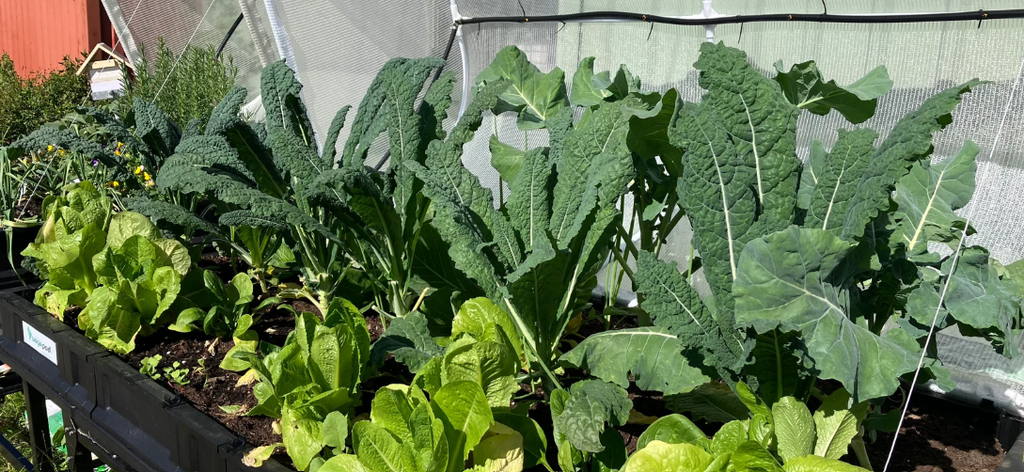
Kale tolerates Australian winter cold with real ease, genuinely improving in flavor after a light frost sweetens its leaves, making it one of the more forgiving vegetables for a variable winter climate. Its considerable cold hardiness means it can often be harvested continuously through the coldest stretch of the season.
It wants full sun to partial shade, tolerating cooler growing conditions better than almost any other leafy green on this list. The University of Adelaide’s School of Agriculture, Food and Wine has published brassica cold-tolerance research relevant to southern Australian winter conditions.
Carrots
Carrots grow well in Australia’s cooler winter soil, genuinely developing sweeter flavor after exposure to a light frost, particularly in the colder southern states. Loose, stone-free soil matters considerably for straight, well-formed roots regardless of which part of the country they’re grown in.
They tolerate light frost well, and the University of Melbourne’s School of Agriculture and Food has published root vegetable research relevant to Australian growing conditions specifically.
Beetroot
Beetroot tolerates Australian winter conditions well, offering both an edible root and genuinely nutritious greens from the same single planting. Its relatively quick maturity makes it a practical crop to fit into a winter garden bed alongside slower-growing brassicas.
It wants full sun and loose, well-drained soil, tolerating a light frost without serious damage to the below-ground root.
Turnips
Turnips mature quickly and tolerate cooler soil well, offering both a usable root and edible greens from a single winter planting. Their rapid growth makes succession planting a genuinely practical way to keep a continuous harvest coming through the season.
They tolerate light frost and a range of soil types, thriving in the same cool conditions that suit many of the other root vegetables on this list.
Parsnips
Parsnips need a genuinely long, cool growing season to develop their full flavor, with a light frost right before harvest sweetening the root considerably. Their slow germination rewards patience, since seed can take several weeks to sprout even under ideal conditions.
They tolerate significant cold and loose, well-drained soil, remaining one of the most cold-hardy root vegetables available for an Australian winter garden.
Radishes
Radishes mature faster than almost any other vegetable on this list, genuinely ready for harvest within just a few weeks of planting, making them a practical choice for quick results during an Australian winter. Their rapid cycle also makes succession planting every couple of weeks genuinely easy to manage.
They tolerate cool soil and a light frost well, thriving specifically in the mild, consistent conditions much of the Australian winter provides.
Swede
Swede is a genuine cool-climate classic across the cooler parts of Australia, tolerating cold remarkably well and actually improving in flavor after exposure to a real frost. Its considerable storage life after harvest has made it a traditional winter staple in colder regions of the country.
It tolerates significant cold and a range of soil conditions, remaining one of the most reliably productive root vegetables for a genuinely cold Australian winter.
Spinach
Spinach performs best during the cooler months across most of Australia, bolting quickly once genuine heat arrives in a way that makes it far better suited to winter than to summer almost anywhere in the country. Its considerable cold tolerance means it can be planted well before the coldest part of winter sets in.
It tolerates light frost well, thriving through the mild, consistent conditions much of an Australian winter provides.
Silverbeet
Silverbeet tolerates a wide range of Australian growing conditions, performing reliably through both a cold southern winter and a mild subtropical one in a way many other leafy greens can’t manage. Its colorful stems, in shades of red, yellow, and white depending on variety, add ornamental value alongside its productivity.
It tolerates partial shade and a range of soil types, remaining one of the more forgiving vegetables for a beginning winter gardener anywhere in the country.
Lettuce
Lettuce genuinely thrives during an Australian winter across most of the country, avoiding the bitterness and premature bolting that summer heat causes almost everywhere it’s grown. Its quick maturity also makes it a practical crop to fit into a smaller winter garden bed between other plantings.
It tolerates partial shade and cool conditions well, performing at its best specifically during the mild temperatures winter provides in most Australian regions.
Rocket
Rocket grows quickly and genuinely prefers cooler conditions, developing a milder, less bitter flavor during an Australian winter than it does in the heat of summer. Its rapid growth makes it a practical choice for a gardener wanting quick, continuous harvests through the cooler months.
It tolerates light frost and partial shade, remaining one of the fastest-maturing leafy greens available for a winter garden.
Asian Greens
Asian greens, including bok choy and similar varieties, perform reliably through an Australian winter, genuinely thriving in the cool, mild conditions the season provides across much of the country. Their fast growth makes them a practical, quick-turnaround addition to a winter vegetable bed.
They tolerate light frost and partial shade, and the University of Queensland’s School of Agriculture and Food Sciences has documented cool-season Asian vegetable performance relevant to the state’s mild winter climate.
Onions
Onions benefit from a genuine winter start in much of Australia, tolerating cool soil well during their early growth before bulbing up as days lengthen toward spring. Choosing a variety suited to the specific day-length conditions of a given region matters considerably for reliable bulb formation.
They want full sun and well-drained soil, tolerating a cold winter start better than the heat stress an attempted summer planting would bring in most parts of the country.
Garlic
Garlic is planted in the cooler months for harvest the following summer, genuinely one of the most reliable and low-maintenance crops available to an Australian gardener across nearly every climate zone. Its considerable cold tolerance makes a winter planting straightforward even in the country’s colder southern regions.
It wants full sun and well-drained soil, and mulching after planting helps protect developing roots through the coldest stretch of an Australian winter.
Leeks
Leeks need a genuinely long, cool growing season to reach full size, making an Australian winter planting well suited to their considerable maturity time. Their cold tolerance also means they can often be left in the ground and harvested well into the coldest part of the season.
They want full sun and rich, consistently moist soil, tolerating cooler conditions considerably better than many other vegetables on this list.
Spring Onions
Spring onions grow quickly and tolerate cool Australian winter conditions with real ease, offering a fast, reliable harvest without the longer maturity time full-sized onions require. Their compact growth habit also makes them a practical choice for a smaller winter garden bed.
They tolerate light frost and a range of soil conditions, thriving through the mild, consistent temperatures much of the Australian winter provides.
Peas
Peas genuinely prefer Australian winter conditions across much of the country, performing best during the cooler months rather than struggling through summer heat the way they would almost everywhere else. Their preference for cool temperatures means a winter crop typically outperforms any attempted summer planting.
They tolerate a light frost without serious damage, making them one of the more reliable legumes for a cool-season Australian garden.
Broad Beans
Broad beans are a genuine Australian winter staple, tolerating cold remarkably well and thriving specifically during the cooler months when many other legumes would struggle. Their considerable cold hardiness makes them one of the most dependable winter crops available across the country’s cooler regions.
They tolerate significant cold and a range of soil conditions, remaining a traditional winter garden fixture in much of southern Australia. The University of Western Australia’s Institute of Agriculture has studied broad bean cold-hardiness relevant to the country’s cooler growing regions.
Celery
Celery needs consistently cool, moist conditions to develop good flavor and texture, genuinely well suited to an Australian winter across most of the country rather than the heat stress a summer planting would bring. Its considerable water needs mean consistent moisture matters more than almost any other factor in its success.
It wants full sun to partial shade and rich, consistently moist soil, performing considerably better through a mild winter than through genuine summer heat.
Potatoes
Potatoes are genuinely grown as a winter crop in the warmer parts of Australia, particularly Queensland, where the cooler, drier winter conditions suit them far better than the region’s hot, humid summer would. Hilling soil up around the growing stems as the plant develops improves yield and protects developing tubers from sun exposure.
They want full sun and loose, well-drained soil, and the University of Tasmania’s School of Natural Sciences has documented potato variety performance relevant to Australia’s cooler growing regions specifically.
Fennel
Fennel grows well during an Australian winter, developing its characteristic anise-flavored bulb most reliably under the cool, consistent conditions the season provides rather than the bolting risk summer heat brings. Its feathery foliage also adds attractive texture to a winter vegetable bed.
It wants full sun and rich, well-drained soil, performing best when its bulb has time to develop slowly through consistently cool weather.
Key Takeaways
Winter vegetable plants in Australia include a wide range of cool-season crops that can grow during the colder months. Leafy greens, root vegetables, brassicas, onions, peas, and other frost-tolerant crops can provide fresh produce when many warm-season vegetables are no longer actively growing.
Choosing suitable winter vegetables depends on the region, local temperatures, frost risk, soil type, sunlight, and rainfall. Australia’s climate varies considerably between regions, so planting times and suitable crops can differ between southern, coastal, inland, and tropical areas. Checking local growing conditions can help determine the best planting window.
With proper planning and care, Australian gardeners can maintain productive vegetable gardens throughout winter. Preparing fertile, well-drained soil, providing adequate sunlight and moisture, protecting sensitive plants from severe frost, and harvesting crops at the right time can support healthy growth during the cooler season.