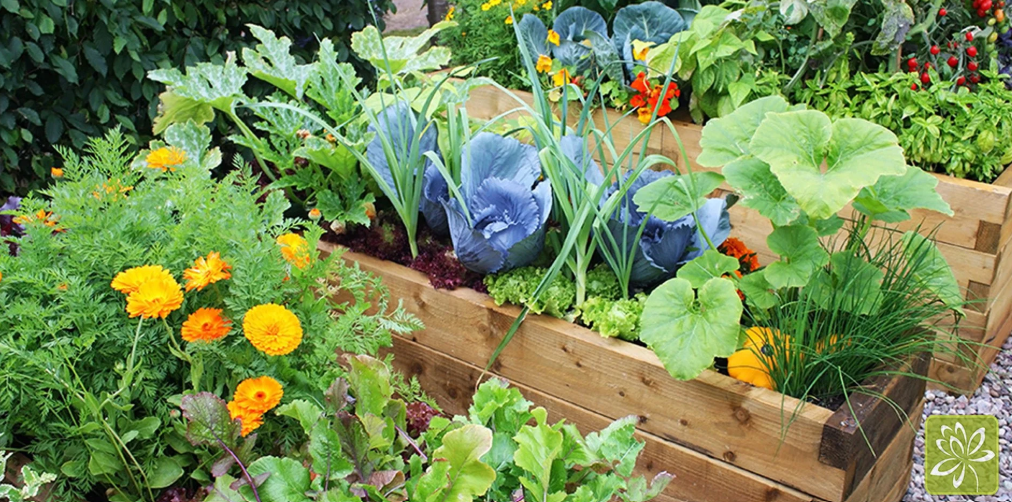
Choosing the best vegetables to grow in Ontario starts with accepting one basic fact about the province’s climate: the growing season is genuinely shorter and cooler than what a gardener further south takes for granted, and the plants that thrive here are the ones that either finish quickly or actively prefer the cooler stretches on either end of summer. Southern Ontario, around the Golden Horseshoe and along Lake Erie, gets a noticeably longer frost-free window than the province’s northern reaches, so timing and variety selection matter more here than in a milder climate where almost anything eventually catches up.
Ontario’s growing conditions aren’t uniformly difficult, though. The moderating effect of the Great Lakes genuinely extends the frost-free season in areas close to the shoreline, which is part of why Ontario supports such a substantial commercial vegetable industry, everything from processing tomatoes to one of the largest pumpkin crops in the country. A home gardener working with that same lake-moderated climate has real room to grow warm-season crops that would struggle further inland at the same latitude.
Soil across the province also varies considerably, from the heavy clay common in parts of southwestern Ontario to the sandier, faster-draining ground found elsewhere, and that variation shapes which root vegetables and deep-rooted crops perform best in a given yard. A quick soil test before planting saves considerable frustration compared to guessing.
What follows covers 28 of the best vegetables to grow in Ontario, spanning warm-season crops that need the province’s longest days, reliable cool-season staples, and a handful of genuinely cold-hardy perennials that come back on their own every year.
Tomatoes
Tomatoes remain one of the most popular vegetables grown in Ontario gardens, though the province’s shorter season makes early or short-season varieties genuinely worth seeking out rather than assuming any tomato variety will reliably ripen before fall frost. Starting seedlings indoors 6 to 8 weeks before the last frost gives plants a genuine head start on Ontario’s compressed summer.
They want full sun and consistently warm soil, and a gardener in the cooler northern parts of the province benefits considerably from choosing a variety bred specifically for a shorter maturity window. The University of Guelph’s vegetable production research covers variety trial data relevant to Ontario’s specific growing conditions.
Peppers
Peppers need consistently warm soil and air temperature to thrive, making them a genuinely rewarding but somewhat more demanding choice in Ontario compared to a warmer climate further south. Starting seedlings indoors well ahead of the last frost date is essentially non-negotiable given how slowly pepper seed germinates in cool conditions.
They benefit from a warm, sheltered microclimate, a south-facing wall or a raised bed that warms faster than open ground, genuinely useful advantages in a province where summer heat isn’t guaranteed every year.
Cucumbers
Cucumbers grow quickly once the soil genuinely warms, making them a practical choice even with Ontario’s compressed growing season, since they can be direct-seeded once the danger of frost has fully passed. Their vigorous vining growth rewards a trellis, both for space efficiency and for straighter, cleaner fruit.
They want full sun and consistent moisture, and a mulched bed helps retain the soil warmth cucumbers need to keep producing through a cooler Ontario summer.
Zucchini
Zucchini produces reliably and abundantly once established, genuinely one of the most forgiving warm-season vegetables for a first-time Ontario gardener to try. Its rapid growth means a single healthy plant or 2 is usually plenty for a typical household.
It wants full sun and rich, well-drained soil, tolerating the occasional cool night better than more temperature-sensitive crops like peppers or eggplant.
Pumpkins
Pumpkins are grown commercially across Ontario at a genuinely significant scale, the province ranking among Canada’s largest pumpkin producers, and the same conditions that support that industry work well for a home garden crop too. Their considerable space requirements mean they’re best suited to a larger yard or a dedicated garden bed.
They want full sun and consistently warm soil, needing the full length of Ontario’s growing season to properly mature before the first fall frost.
Winter Squash
Winter squash, including butternut and acorn varieties, stores considerably longer after harvest than a summer squash like zucchini, making it a genuinely practical choice for a gardener wanting food that lasts well into an Ontario winter. Its vigorous vines need real space to sprawl unless trained up a sturdy trellis.
It wants full sun and rich, well-drained soil, needing to be started early enough in spring to fully mature before fall frost arrives.
Sweet Corn
Sweet corn is grown extensively across southern Ontario’s commercial farmland, and the same warm, sunny conditions that support that industry make it a genuinely viable home garden crop as well. Planting in blocks rather than single rows improves pollination considerably, since corn relies on wind rather than insects.
It wants full sun and rich, well-drained soil, needing consistently warm soil to germinate reliably, which usually means waiting until Ontario’s soil has properly warmed in late spring.
Green Beans
Green beans grow quickly and reliably, genuinely one of the easiest vegetables for an Ontario gardener to succeed with on a first attempt. Both bush and pole varieties perform well, with pole types offering a higher yield per square foot for a gardener working with limited space.
They want full sun and well-drained soil, tolerating Ontario’s variable early-summer weather better than many other warm-season crops.
Peas
Peas genuinely prefer Ontario’s cool spring conditions, performing best when planted as early as the soil can be worked rather than waiting for warmer weather the way most other vegetables require. Their preference for cool temperatures means a spring crop often outperforms an attempted second summer planting.
They tolerate a light frost without serious damage, making them one of the first vegetables worth direct-seeding once Ontario’s ground has thawed and dried enough to work.
Lettuce
Lettuce thrives in Ontario’s cooler spring and fall conditions, genuinely struggling and turning bitter during the peak heat of summer, which makes succession planting in the cooler shoulder seasons the more reliable approach. Its quick maturity also makes it a practical crop to fit into a smaller garden bed between other plantings.
It tolerates partial shade, genuinely useful during a hot Ontario summer stretch when full sun would otherwise cause it to bolt prematurely.
Spinach
Spinach performs best in Ontario’s cool spring and fall windows, bolting quickly once summer heat arrives in a way that makes a midsummer planting largely impractical. Its considerable cold tolerance means it can often be planted weeks before the last expected frost.
It tolerates light frost well, and a fall planting frequently outlasts a spring one given how quickly rising temperatures can push it toward bolting.
Kale
Kale tolerates Ontario’s cold remarkably well, genuinely improving in flavor after a light frost sweetens its leaves, making it one of the more forgiving vegetables for the province’s variable fall weather. Its considerable cold hardiness means a fall crop can often be harvested well past the first frost.
It wants full sun to partial shade, tolerating Ontario’s cooler growing conditions better than almost any other leafy green on this list.
Swiss Chard
Swiss chard tolerates a wide range of Ontario growing conditions, performing reliably through both cooler spring weather and genuine summer heat in a way many other leafy greens can’t manage. Its colorful stems, in shades of red, yellow, and white depending on variety, add ornamental value alongside its productivity.
It tolerates partial shade and a range of soil types, remaining one of the more forgiving vegetables for a beginning Ontario gardener.
Broccoli
Broccoli performs best in Ontario’s cooler spring and fall conditions, genuinely struggling to form a tight, high-quality head during a hot summer stretch. Starting seedlings indoors for a spring crop, then again for a fall crop, takes advantage of both cool windows the province’s climate provides.
It wants full sun and consistently moist, rich soil, and the University of Guelph’s Department of Plant Agriculture has published cool-season crop research directly relevant to Ontario growing conditions.
Cauliflower
Cauliflower shares broccoli’s genuine preference for cool weather, struggling with the same heat sensitivity that makes a hot Ontario summer a poor fit for reliable head formation. Its slightly fussier nature compared to broccoli makes consistent moisture and steady growth genuinely important.
It wants full sun and rich, consistently moist soil, performing most reliably as a spring or fall crop timed around Ontario’s cooler stretches.
Cabbage
Cabbage tolerates Ontario’s cold remarkably well, genuinely capable of surviving a light frost without serious damage, making it a practical choice for both an early spring planting and a fall crop that extends the harvest season. Its considerable storage life after harvest also suits a gardener planning for winter use.
It wants full sun and rich, well-drained soil, remaining one of the more cold-tolerant vegetables available for Ontario’s variable spring and fall weather. Cornell University’s cool-season vegetable guidance covers frost-tolerance thresholds relevant to a similar northern climate.
Brussels Sprouts
Brussels sprouts need Ontario’s full growing season to mature properly, genuinely benefiting from a light frost that sweetens their flavor right before harvest. Starting seedlings indoors in early spring gives the plant enough time to develop before shorter fall days slow its growth.
They want full sun and rich, consistently moist soil, rewarding the patience their long maturity time requires with a genuinely improved flavor after autumn’s first cold snap.
Carrots
Carrots grow well in Ontario’s cooler soil, genuinely developing sweeter flavor after exposure to a light fall frost, making a fall harvest often preferable to a summer one. Loose, stone-free soil matters considerably for straight, well-formed roots, a real consideration given how much of southwestern Ontario has heavier clay ground.
They tolerate light frost well, and the University of Guelph’s root vegetable research has documented flavor and yield improvements from cool-season harvest timing specific to the region.
Beets
Beets tolerate Ontario’s cooler growing conditions well, offering both an edible root and genuinely nutritious greens from the same single planting. Their relatively quick maturity makes a second planting for fall harvest a practical option after an early crop finishes.
They want full sun and loose, well-drained soil, tolerating a light frost without serious damage to the below-ground root.
Radishes
Radishes mature faster than almost any other vegetable on this list, genuinely ready for harvest within just a few weeks of planting, making them a practical choice for a gardener wanting quick results in Ontario’s compressed spring window. Their rapid cycle also makes succession planting every couple of weeks genuinely easy to manage.
They tolerate cool soil and a light frost well, thriving specifically in the cooler stretches of Ontario’s spring and fall.
Onions
Onions need Ontario’s full growing season to reach a decent size, genuinely benefiting from an early start, either from sets or transplants, given how much day length affects bulb formation. Their tolerance for cool spring soil makes early planting both possible and genuinely advantageous.
They want full sun and well-drained soil, and choosing a long-day variety matters in Ontario given the province’s northern latitude and its effect on bulb development.
Garlic
Garlic is planted in fall for harvest the following summer, genuinely one of the most reliable and low-maintenance crops available to an Ontario gardener given how well it tolerates the province’s winter cold. Hardneck varieties in particular are well suited to Ontario’s climate, producing a flavorful bulb along with edible flower stalks called scapes in early summer.
It wants full sun and well-drained soil, and mulching after fall planting helps protect developing roots through Ontario’s genuinely cold winter. The University of Guelph’s garlic variety trials have specifically evaluated hardneck performance under Ontario winter conditions.
Potatoes
Potatoes grow reliably across Ontario, genuinely well suited to the province’s cooler summer temperatures compared to the heat-stressed conditions potatoes face further south. Hilling soil up around the growing stems as the plant develops improves yield and protects developing tubers from sun exposure.
They want full sun and loose, well-drained soil, tolerating Ontario’s variable spring weather better than many other vegetables on this list.
Rutabaga
Rutabaga is a genuine cool-climate classic across Ontario and much of Canada, tolerating cold remarkably well and actually improving in flavor after exposure to fall frost. Its considerable storage life after harvest has made it a traditional root cellar staple throughout the province’s history.
It tolerates significant cold and a range of soil conditions, remaining one of the most reliably productive root vegetables for Ontario’s cooler growing season.
Turnips
Turnips mature quickly and tolerate Ontario’s cooler soil well, offering both a usable root and edible greens from the same planting. Their rapid growth makes a fall crop, planted after an earlier vegetable finishes, a genuinely practical way to extend a garden’s productivity.
They tolerate light frost and a range of soil types, thriving in the same cool conditions that suit many of the other root vegetables on this list.
Asparagus
Asparagus is a genuine perennial vegetable, returning reliably for 15 years or more once established, and its considerable cold hardiness makes it well suited to Ontario’s winter conditions without any special protection. Patience matters here, since a new planting needs 2 to 3 years before its first real harvest.
It wants full sun and rich, well-drained soil, rewarding that initial patience with decades of reliable spring harvests once established.
Rhubarb
Rhubarb is among the most cold-hardy perennial vegetables available, genuinely thriving in Ontario’s climate and returning reliably each spring with minimal care once established. Its tart stalks are ready for harvest considerably earlier in the season than most other garden crops.
It tolerates significant cold and a range of soil conditions, and the University of Guelph’s perennial vegetable trials have documented its reliable long-term performance in Ontario’s climate specifically.
Leeks
Leeks need a genuinely long growing season to reach full size, making an early start indoors well worth the effort in Ontario given the province’s compressed summer. Their considerable cold tolerance also means they can often be left in the ground and harvested well into late fall.
They want full sun and rich, consistently moist soil, tolerating Ontario’s cooler fall conditions better than many other vegetables, which extends their practical harvest window considerably.
Key Takeaways
The best vegetables to grow in Ontario are those that can match the region’s seasonal temperatures, frost patterns, sunlight, and growing season. Cool-season crops such as leafy greens and root vegetables can tolerate cooler conditions, while warm-season crops generally need warmer soil and protection from late or early frosts.
Successful vegetable gardening in Ontario depends on choosing suitable planting times and varieties for the local area. Soil preparation, sunlight, moisture, spacing, and the length of the growing season should all be considered. Starting certain vegetables indoors can also help extend the growing season before outdoor conditions become favorable.
With careful planning, Ontario gardeners can grow a wide range of vegetables throughout the season. Monitoring weather conditions, providing consistent moisture, protecting plants from unexpected frost, and harvesting crops at the appropriate stage can help maintain healthy and productive vegetable gardens.