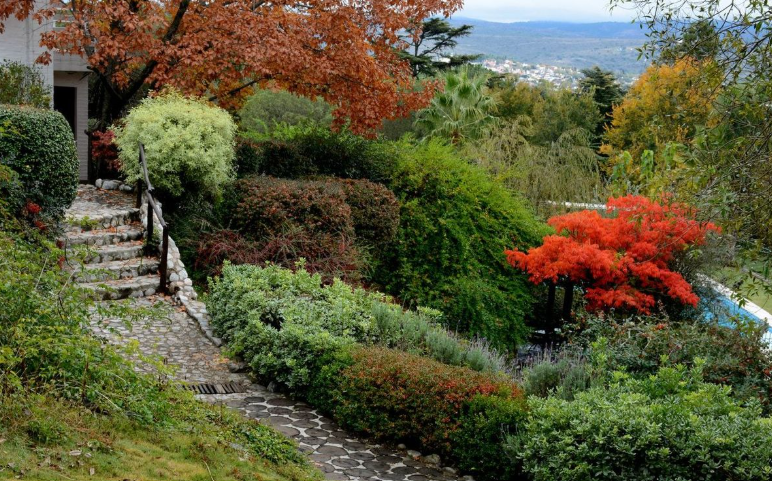
A sloped yard needs a genuinely different kind of root system than a flat garden bed does. Rain hits a slope and immediately starts moving downhill, carrying loose soil particles with it, and the plants that actually stop that erosion are the ones with roots dense and fibrous enough to physically bind the soil together, not just plants that happen to tolerate a hillside. A single deep taproot does far less erosion-control work than a shallow, spreading, interconnected root mat, which is why so many of the best slope plants are groundcovers and grasses rather than anything with a more conventional root structure.
It’s worth knowing that this exact category has a genuinely troubled history. Crown vetch, kudzu, and English ivy were all promoted specifically as erosion-control solutions through much of the 20th century, precisely because their aggressive, fast-spreading roots did the erosion-control job well, before anyone fully reckoned with how thoroughly that same aggression would let them escape into surrounding natural areas. Several plants on this list still carry that same tension today, genuinely effective at holding a slope while also genuinely capable of spreading somewhere they aren’t wanted, and it’s worth knowing which ones before planting.
A slope also often creates its own internal moisture gradient worth planning around, since water runs off the top and tends to collect and linger at the bottom, meaning the ideal plant for the crest of a hill isn’t always right for its base. The USDA Natural Resources Conservation Service’s plant materials program evaluates erosion-control plant performance in more regional, technical detail than a general list can. What follows covers 40 of the best plants for a sloped yard.
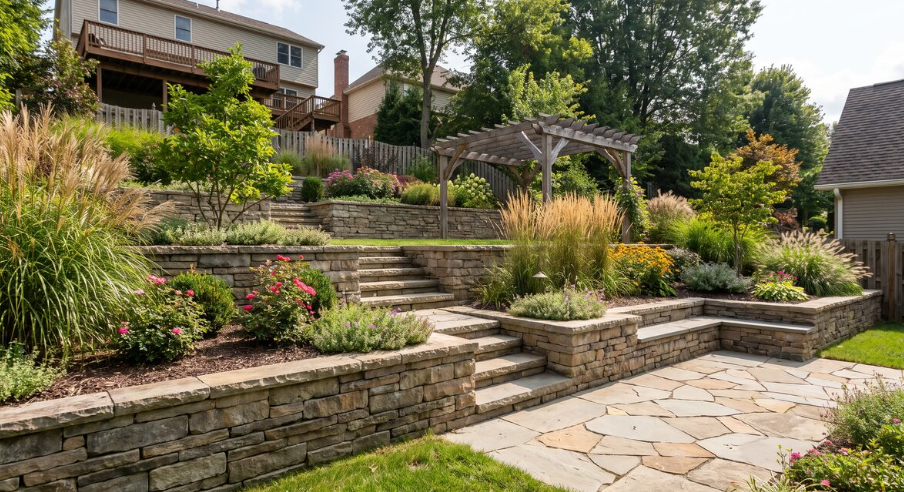
Creeping Juniper
Creeping juniper spreads into a dense, low evergreen mat that genuinely binds soil in place with its extensive root system, tolerating poor, rocky slope soil that would challenge many other groundcovers. Its needled foliage stays attractive through winter when many other slope plants have died back.
It tolerates full sun and drought well, thriving on a dry, sun-exposed slope where consistent moisture isn’t guaranteed.
Creeping Phlox
Creeping phlox forms a dense, mat-like groundcover that erupts into vivid pink, purple, or white flowers each spring, its spreading root system helping stabilize a sunny slope while providing genuine seasonal color. Its evergreen to semi-evergreen foliage holds the slope through winter as well.
It tolerates poor, rocky soil and full sun, thriving in exactly the lean conditions a slope often presents.
Periwinkle
Periwinkle, also called vinca, spreads readily via trailing stems that root as they touch soil, forming a genuinely dense evergreen mat that holds a shaded slope in place well. It’s become invasive in parts of the country, escaping into nearby woodland where it can crowd out native understory plants.
It tolerates significant shade and poor soil, though its spreading vigor is worth managing carefully near any adjacent natural area.
Pachysandra
Pachysandra spreads via underground rhizomes into a dense, evergreen groundcover well suited to a shaded slope where grass or sun-loving plants would struggle. Its glossy foliage provides consistent, low-maintenance coverage once established.
It tolerates significant shade and a range of soil conditions, taking a season or 2 to fill in completely before its erosion-control benefit is fully realized.
Creeping Thyme
Creeping thyme forms a low, fragrant, evergreen mat that tolerates poor, dry, rocky slope soil while releasing a pleasant scent when brushed against or walked on. Its fine root network helps bind loose, sandy or gravelly slope soil in place.
It wants full sun and excellent drainage, thriving on exactly the lean, dry conditions a sunny slope often provides.
Stonecrop Sedum
Stonecrop sedum spreads into a low, fleshy-leaved mat that tolerates genuine drought and poor soil, its shallow but dense root system holding a dry slope’s surface soil in place. Its considerable color and texture variety across different cultivars adds real visual interest beyond pure function.
It needs excellent drainage above nearly everything else, since standing water is a far greater threat to sedum than any amount of slope-related dryness.
Liriope
Liriope, also called lilyturf, forms dense, grass-like clumps that spread gradually to form a genuinely effective groundcover, its fibrous root system holding soil well on both sunny and partly shaded slopes. Its purple flower spikes in late summer add seasonal interest beyond its function.
It tolerates a wide range of light and soil conditions, making it one of the more flexible slope groundcover options available.
Ajuga
Ajuga, also called bugleweed, spreads quickly via runners into a dense, low mat, its aggressive growth habit genuinely useful for stabilizing soil on a slope where fast coverage matters. Its blue flower spikes in spring add a burst of color atop the foliage.
It tolerates shade and a range of soil conditions, spreading vigorously enough that it can escape a contained bed if not given a slope-sized space to fill.
Gro-Low Fragrant Sumac
Gro-Low is a low, spreading cultivar of fragrant sumac specifically bred for erosion control, its root system genuinely effective at holding a slope while its foliage turns a vivid orange-red each fall. Its low, wide habit keeps it from ever blocking a view the way a taller shrub would.
It tolerates poor, dry soil and full sun to partial shade, thriving on exactly the difficult conditions a slope commonly presents.
Rockspray Cotoneaster
Rockspray cotoneaster spreads its low, arching branches across a slope’s surface, rooting periodically where branches touch soil and genuinely helping bind the surface against erosion. Its small white spring flowers and red fall berries add seasonal interest.
It tolerates poor soil and drought well, needing minimal ongoing care once established across a sunny slope.
Kinnikinnick
Kinnikinnick, also called bearberry, forms a low, evergreen native groundcover mat particularly well suited to a sandy or rocky slope in a cooler climate. Its small red berries provide genuine winter food value for local wildlife.
It tolerates poor, acidic, sandy soil and full sun, thriving in exactly the lean conditions many other groundcovers would struggle with.
Sweet Woodruff
Sweet woodruff spreads into a fragrant, low, shade-tolerant groundcover mat, its fine root system helping hold soil on a shaded slope where sun-loving erosion-control plants wouldn’t perform. Its small white spring flowers add delicate seasonal interest.
It tolerates significant shade and consistently moist soil, thriving specifically in the damp, shaded conditions a north-facing slope often provides.
Switchgrass
Switchgrass sends roots deep into the soil, genuinely among the most effective erosion-control grasses available given its extensive underground root mass. Its considerable height and airy summer flower clusters also provide real visual interest on an open slope.
It tolerates full sun and a range of soil conditions, thriving in the same open, well-drained slope habitat as much of its native prairie range.
Little Bluestem
Little bluestem sends roots deep into slope soil, its genuinely dense root system holding ground effectively while its silvery-blue summer foliage turns a warm copper color each fall. Its moderate height keeps it from overwhelming a smaller residential slope.
It tolerates poor, dry soil and full sun, thriving on exactly the lean, well-drained conditions a slope commonly presents.
Blue Fescue
Blue fescue forms a tight, low clump of fine, silvery-blue foliage, its fibrous root system helping stabilize the surface soil on a smaller, sunny slope. Its compact size makes it a good fit where a taller grass would feel out of scale.
It needs excellent drainage and full sun, struggling in anything consistently damp or shaded.
Muhly Grass
Muhly grass produces a fine, airy clump topped with a dramatic cloud of pink-purple flower plumes each fall, its root system genuinely effective at holding a sunny slope in place. Its considerable seasonal color display makes it one of the more ornamentally striking slope grasses available.
It tolerates heat, drought, and poor soil well, thriving in full sun on exactly the kind of well-drained slope where many other flowering plants struggle.
Daylily
Daylily forms a dense, fibrous root mass that genuinely holds slope soil in place while producing reliable, colorful summer blooms with essentially no fuss. Its considerable toughness and low-maintenance nature have made it a classic slope stabilization choice for generations.
It tolerates a wide range of soil and light conditions, remaining one of the most forgiving, reliable perennials available for a difficult site.
Forsythia
Forsythia’s naturally arching branches root where they touch soil on a slope, gradually spreading into a dense, erosion-controlling mass while producing one of the earliest, most vivid yellow flower displays of spring. Its fast growth quickly establishes coverage on an otherwise bare hillside.
It tolerates a wide range of soil types and full sun to light shade, asking for very little beyond an occasional post-bloom pruning if shape control is wanted.
Rugosa Rose
Rugosa rose forms a dense, thorny, suckering shrub whose extensive root system genuinely helps stabilize a sunny slope, particularly in a coastal or sandy setting. Its fragrant flowers and large, vitamin-rich hips add both ornamental and practical value.
It tolerates poor, sandy soil and salt exposure remarkably well, making it a strong choice for a slope near the coast specifically.
Spreading Juniper Shrub
Spreading juniper shrubs, in their many low, wide-growing cultivars, tolerate poor, dry slope soil while their root systems genuinely bind the surface against erosion. Their evergreen structure provides year-round slope coverage that a deciduous plant can’t match through winter.
They tolerate full sun and considerable drought, thriving on exactly the kind of lean, exposed conditions a sunny slope commonly presents.
Spirea
Spirea’s dense, twiggy growth habit and fibrous root system genuinely help hold soil on a slope, while its reliable spring or summer flowering adds real seasonal color. Its considerable toughness and low-maintenance nature make it a practical slope choice.
It tolerates a range of soil conditions and full sun, requiring minimal pruning beyond an occasional post-bloom shaping.
Potentilla
Potentilla forms a compact, fibrous-rooted shrub that tolerates poor, rocky slope soil while producing small yellow flowers over a genuinely long summer bloom period. Its modest size keeps it from overwhelming a smaller residential slope.
It tolerates poor, rocky soil and full sun, needing minimal supplemental water or fertilizer once established.
Beach Plum
Beach plum forms a dense, suckering native shrub particularly well suited to stabilizing a sandy coastal slope or dune, its root system genuinely effective in exactly the loose, shifting soil many other plants can’t hold. Its white spring flowers and edible summer fruit add both ornamental and practical value.
It tolerates poor, sandy soil and salt exposure well, thriving in coastal conditions that would challenge most other slope shrubs.
Bayberry
Bayberry forms a dense, suckering native shrub tolerating poor, sandy soil and coastal exposure, its root system genuinely useful for stabilizing a difficult, exposed slope. Its aromatic, waxy berries have a long history of traditional candle-making use.
It tolerates a wide range of soil and moisture conditions, adapting well to both a dry upper slope and a damper lower section of the same hillside.
River Birch
River birch sends a genuinely extensive root system into the soil, making it one of the more effective larger trees for stabilizing a slope, particularly one with some moisture present. Its attractive, peeling bark provides real winter interest beyond its erosion-control function.
It tolerates wet soil better than most other birch species, making it a strong choice for the moister lower section of a sloped yard.
Weeping Willow
Weeping willow sends an extensive, fast-growing root system into the soil, genuinely effective at stabilizing a consistently moist slope near a pond or stream. Its considerable size and graceful, cascading form make it a real focal point once mature.
It tolerates consistently wet soil exceptionally well, thriving specifically at the base of a slope where water naturally collects.
Eastern Redcedar
Eastern redcedar sends deep roots into even poor, rocky slope soil, its considerable drought tolerance and evergreen structure making it a genuinely effective choice for a dry, sunny hillside. Its dense, informal form also provides real windbreak value on an exposed slope.
It tolerates poor soil and drought well, thriving on exactly the lean, exposed conditions many other trees would struggle with.
Black-Eyed Susan
Black-eyed Susan’s fibrous root system helps hold slope soil in place while producing cheerful yellow-orange flowers throughout a long summer bloom period. Its reliable, low-maintenance nature has made it a native slope-planting staple.
It tolerates a range of soil conditions and full sun, often self-seeding readily to fill in bare patches on a slope over time.
Purple Coneflower
Purple coneflower’s deep, fibrous root system genuinely helps stabilize slope soil while producing long-blooming purple flowers that draw pollinators throughout summer. Its considerable drought tolerance once established makes it a low-maintenance slope choice.
It tolerates poor, dry soil and full sun, thriving with considerable neglect once its root system is established.
Virginia Creeper
Virginia creeper, a native vine, spreads and roots along the ground as readily as it climbs, its extensive root network genuinely helping bind loose slope soil together. Its foliage turns a vivid red each fall, providing real seasonal color.
It tolerates a wide range of soil and light conditions, spreading vigorously enough that some active management keeps it within its intended slope boundary.
Creeping Raspberry
Creeping raspberry forms a low, evergreen groundcover mat, its spreading root system genuinely useful for holding soil on a shaded to partly sunny slope. Its small red fruit, while edible, is considered more ornamental than a genuine food crop.
It tolerates partial shade and a range of soil conditions, spreading readily enough to cover a slope within a couple of growing seasons.
Prostrate Rosemary
Prostrate rosemary spreads in a low, trailing form rather than growing upright, its woody root system genuinely helping stabilize a dry, sunny Mediterranean-style slope. Its aromatic foliage and small blue flowers add real sensory value beyond its erosion-control function.
It wants full sun and excellent drainage, thriving in exactly the lean, dry conditions a sun-baked slope commonly provides.
English Ivy
English ivy spreads aggressively via rooting stems into a genuinely dense, erosion-controlling mat, which is precisely why it was so widely promoted for slope stabilization through much of the 20th century. It’s become a serious invasive species in many regions, escaping into surrounding woodland and climbing and smothering mature trees.
It tolerates deep shade and poor soil, but its aggressive spread makes it a genuinely risky choice near any adjacent natural area, worth checking regional invasive status before planting.
Crown Vetch
Crown vetch spreads rapidly via both seed and rhizome into a dense, erosion-controlling mat, historically planted extensively along highway slopes and embankments specifically for that rapid coverage. It’s now widely discouraged and even banned in some states, having escaped into natural areas and crowded out native vegetation.
It tolerates poor soil and drought well, but its aggressive, difficult-to-control spread means it’s genuinely worth avoiding in favor of a less invasive alternative today.
Weeping Lovegrass
Weeping lovegrass forms a dense, arching clump that establishes and spreads quickly on poor, disturbed slope soil, which made it a popular erosion-control choice for decades. It’s not native to North America and has become invasive in parts of the country, escaping the sites it was originally planted to stabilize.
It tolerates poor soil and drought well, though its tendency to spread beyond its intended planting is worth weighing carefully before choosing it deliberately today.
Winged Euonymus
Winged euonymus, more commonly called burning bush, forms a dense shrub with a genuinely effective root system for slope stabilization, its foliage turning intensely saturated red each fall. It’s become invasive in parts of the country, and checking regional guidance before planting is worth doing.
It tolerates a wide range of soil and light conditions, requiring minimal pruning to maintain a tidy, rounded form on a slope.
Ornamental Strawberry
Ornamental strawberry spreads via runners into a genuinely effective low groundcover mat, its fibrous root system helping hold slope soil in place while producing small, decorative fruit. Its spreading habit fills in bare ground faster than many slower-establishing groundcovers.
It tolerates a range of soil conditions and full sun to partial shade, spreading readily enough to cover a modest slope within a season or 2.
Trumpet Vine
Trumpet vine’s aggressive, extensive root system genuinely helps stabilize a slope, its vigorous growth quickly covering bare ground while producing vivid orange-red hummingbird-favorite flowers. Its considerable vigor can become a genuine management challenge if it isn’t given room to spread appropriately.
It tolerates poor soil and considerable neglect, climbing aggressively given any nearby structure, so it’s best reserved for a slope without a fence or building close by.
Coral Honeysuckle
Coral honeysuckle, a North American native distinct from the more commonly planted invasive Asian honeysuckle species, spreads and roots along a slope’s surface while climbing where it finds support, its extensive root network genuinely helping bind soil in place. Its coral-red tubular flowers draw hummingbirds throughout a long bloom season.
It tolerates a range of soil conditions in full sun to partial shade, offering genuine erosion control without the invasive concerns some of its relatives carry.
Big Bluestem
Big bluestem sends deep, extensive roots into slope soil, among the most effective erosion-control grasses available given its considerable underground root mass reaching several feet down. Its tall, dramatic summer growth and distinctive turkey-foot seed heads provide real visual interest on an open slope.
It tolerates full sun and a range of soil conditions, thriving in the same open, well-drained slope habitat as much of its native tallgrass prairie range.
Key Takeaways
The best plants for a sloped yard can help add color, texture, and structure while also helping hold soil in place. Ground covers, shrubs, ornamental grasses, and perennial flowers can be useful choices because their roots can help stabilize the soil and reduce surface runoff.
Choosing plants for a slope depends on the steepness of the yard, soil type, sunlight, rainfall, drainage, and local climate. Plants with strong or spreading root systems can be useful on slopes, while low-maintenance varieties may be easier to establish and maintain in areas that are difficult to access.
A well-planned sloped landscape can combine plants of different heights, textures, and flowering periods to create an attractive and functional space. Proper planting, mulching, watering during establishment, and attention to drainage can help plants develop strong root systems and maintain healthier soil over time.