Fragrance in a perennial actually comes from 2 genuinely different sources, and knowing which one a plant relies on changes where it makes sense to put it. Some perennials release scent passively from their blooms, filling the surrounding air on their own without any contact needed, the kind of plant worth placing near a patio, window, or walkway where the fragrance can simply drift over as people pass. Others, mostly aromatic herbs like catmint, salvia, and artemisia, keep their fragrance locked in the foliage until something brushes against or crushes a leaf, which means they’re better planted along the edge of a path where a pant leg or a hand will actually make that contact.
That distinction matters more than it might seem, since a genuinely fragrant-flowered perennial planted at the back of a border does considerably less sensory work than the same plant tucked beside a front door, and an aromatic-foliage plant placed somewhere nobody ever touches it might as well be scentless. A well-planned fragrant garden thinks about proximity and traffic patterns as much as it thinks about which species to include in the first place.
Bloom timing also spreads scent across the calendar in a way worth planning around, since peony and lily of the valley carry a garden’s fragrance in late spring, phlox and daylily take over through summer, and a handful of fall bloomers extend that scent right up to frost. The Chicago Botanic Garden’s fragrant plant guide is a useful reference for planning that kind of seasonal fragrance succession. What follows covers 40 fragrant perennial flowers, spanning both scented blooms and aromatic foliage.
Peony
Peony produces lush, often intensely fragrant blooms in late spring, with a scent ranging from a classic rose-like sweetness to a spicier note depending on the specific variety. Its brief but spectacular bloom period makes it a genuine annual event worth planning a garden around.
It thrives in full sun and rich, well-drained soil, returning reliably for decades once established in the right spot.
Lily of the Valley
Lily of the valley produces small, intensely fragrant white bell-shaped flowers on a low, spreading groundcover, with a scent considered one of the most recognizable in all of gardening. Its considerable fragrance carries surprisingly far from such a diminutive flower.
It tolerates significant shade and consistently moist soil, spreading readily enough to fill in a shaded bed within a couple of seasons.
Bearded Iris
Bearded iris produces large, elaborate flowers, and many varieties carry a genuine fragrance often described as grape- or fruit-like, a pleasant surprise for anyone who hasn’t smelled one up close. Its considerable color range makes fragrance a genuine bonus alongside its visual drama.
It thrives in full sun and well-drained soil, requiring division every few years to maintain vigorous flowering.
Hyacinth
Hyacinth produces dense spikes of tightly packed flowers carrying one of the most powerful fragrances of any spring bulb, capable of perfuming an entire room from a single cut stem. Its intensity has made it a popular choice for forcing indoors during winter.
It grows from a bulb planted in fall, tolerating a range of soil conditions with essentially no ongoing care required.
Sweet Woodruff
Sweet woodruff spreads into a fragrant, low, shade-tolerant groundcover mat, its small white spring flowers carrying a sweet, hay-like scent that intensifies as the foliage dries. Its fragrance has a traditional use flavoring May wine in parts of Europe.
It tolerates significant shade and consistently moist soil, thriving specifically in the damp, shaded conditions many other fragrant perennials can’t handle.
Sweet Violet
Sweet violet produces small, deep purple flowers with a genuinely distinctive fragrance that historically inspired an entire category of perfume. Its low, spreading habit makes it a useful fragrant groundcover for a shaded woodland edge.
It tolerates partial shade and consistently moist soil, often naturalizing readily once established in a favorable spot.
Jonquil Daffodil
Jonquil-type daffodils carry a genuine sweet fragrance that standard trumpet daffodil varieties generally lack, clustering several smaller blooms per stem rather than the single large flower typical of other types. Their fragrance makes them a worthwhile addition alongside less scented daffodil varieties.
It grows from a bulb planted in fall, tolerating a range of soil conditions with minimal ongoing care once established.
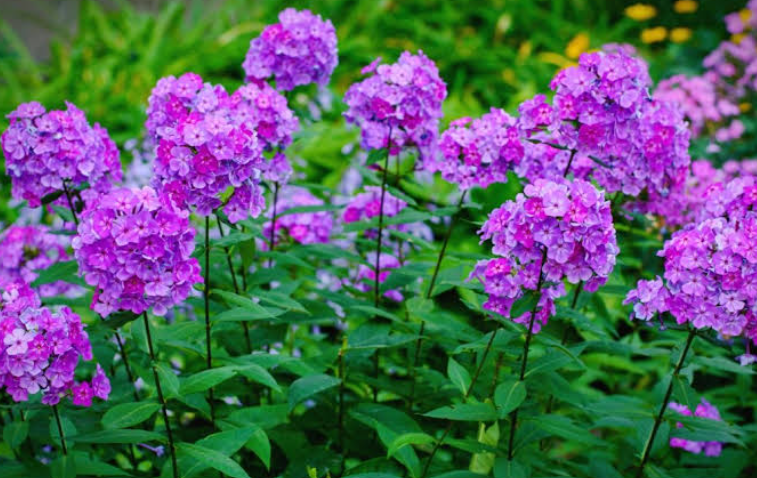
Garden Phlox
Garden phlox produces large, genuinely fragrant flower clusters in a range of colors, with a sweet scent that carries well across a summer border. Its considerable height and reliable performance have made it an English border classic for generations.
It tolerates full sun to partial shade and consistently moist soil, benefiting from good air circulation to avoid powdery mildew.
Fragrant Daylily
Fragrant daylily varieties, particularly older species types, carry a genuine sweet scent that many modern hybrids bred primarily for flower size and color have lost. Seeking out a specifically fragrant cultivar is worth the extra research if scent matters as much as bloom appearance.
It tolerates a wide range of soil and light conditions, remaining one of the most reliable perennials available regardless of fragrance.
Bee Balm
Bee balm produces aromatic foliage that releases a distinctive minty scent when brushed or crushed, alongside its shaggy, tubular flower heads that draw hummingbirds and butterflies. Its foliage has a long history as a traditional herbal tea ingredient.
It tolerates a range of soil conditions and full sun to light shade, benefiting from good air circulation to avoid powdery mildew.
Catmint
Catmint produces aromatic gray-green foliage that releases a distinctive scent when brushed, alongside long-blooming spikes of small lavender-blue flowers. Its fragrant foliage is a genuine bonus beyond its already reliable flowering.
It thrives in full sun and well-drained soil, often reblooming with a simple midsummer shearing.
English Lavender
English lavender produces fragrant purple flower spikes on silvery foliage carrying its own subtle scent, one of the most universally recognized fragrances in all of gardening. Its predictable, tidy growth habit suits a sunny border particularly well.
It demands sharp drainage, since a wet spot poses more risk to lavender than summer heat ever does.
Russian Sage
Russian sage produces aromatic, silvery foliage that releases a sage-like scent when brushed, alongside tall, airy spikes of small purple-blue flowers. Its long bloom period and fine texture make it a popular structural border choice.
It wants full sun and well-drained soil, and cutting it back hard each spring keeps its naturally sprawling growth habit tidy.
Yarrow
Yarrow produces finely cut, aromatic foliage carrying a distinctive herbal scent when crushed, topped with flat clusters of tiny flowers in white, yellow, or pink. Its drought tolerance makes it a genuinely low-maintenance addition to a fragrant border.
It tolerates poor, dry soil and full sun, thriving on neglect once established in lean, well-drained ground.
Fragrant Hosta
Fragrant hosta varieties, most notably those derived from Hosta plantaginea, produce genuinely scented white flowers in late summer, a real departure from the mostly unscented blooms typical of most hosta cultivars. Its bold foliage provides substantial structure even outside the bloom period.
It tolerates partial to full shade and consistently moist soil, remaining one of the most popular shade perennials for a reason beyond just its foliage.
Oriental Lily
Oriental lily produces enormous, intensely fragrant flowers considered among the most powerfully scented of any garden perennial, capable of perfuming an entire yard from a single mature plant. Its considerable flower size matches its equally considerable fragrance.
It thrives in full sun to partial shade and well-drained, slightly acidic soil, growing from a bulb that returns reliably year after year.
Tuberose
Tuberose produces waxy white flowers carrying one of the most celebrated fragrances in the perfume industry, intensifying noticeably after dark to attract night-flying pollinators. Its considerable fragrance has made it a favorite for both garden and cut-flower use.
It behaves as a genuine perennial only in a frost-free or lightly frost-prone climate, typically grown as a tender bulb dug up and stored for winter elsewhere.
Dianthus
Dianthus produces small, fragrant, often fringed flowers carrying a distinctive clove-like scent in shades of pink, red, and white. Its compact size and reliable fragrance have made it a cottage garden staple for generations.
It tolerates full sun and well-drained soil, tolerating considerable heat once established.
Cheddar Pink
Cheddar pink, a distinct dianthus species, produces a particularly strong clove fragrance on a low, mat-forming plant well suited to a rock garden or border edge. Its considerable fragrance intensity sets it apart even among the already fragrant dianthus family.
It tolerates poor, rocky soil and full sun, thriving in exactly the lean conditions many other fragrant perennials struggle with.
Perennial Sweet Pea
Perennial sweet pea, distinct from its more famous annual relative, produces clusters of pink or white flowers with a milder but genuine fragrance on a vigorous, long-lived climbing vine. Its perennial nature means it returns reliably each year without needing replanting.
It climbs readily given a trellis or fence, tolerating a range of soil conditions in full sun to partial shade.
Garden Mum
Garden mum foliage releases a genuinely pungent, herbal scent when brushed against, a distinctive fall fragrance quite different from the sweeter scents typical of spring and summer bloomers. Its abundant fall flowers extend the garden’s color well into cooler weather.
It thrives in full sun and well-drained soil, benefiting from a spring pinch back to encourage bushier, more floriferous fall growth.
Artemisia
Artemisia produces finely cut, silvery, genuinely aromatic foliage releasing a distinctive herbal scent when brushed or crushed. Its foliage color and fragrance both provide value well beyond its relatively inconspicuous flowers.
It wants full sun and excellent drainage, generally requiring very little supplemental water once its root system is established.
Lamb’s Ear
Lamb’s ear produces soft, velvety, silver-gray leaves carrying a mild, genuinely pleasant scent when touched, alongside its famously tactile texture. Its combination of fragrance and touch appeal makes it a favorite in a sensory garden.
It tolerates poor, dry soil and full sun, spreading readily enough to need occasional division to keep it tidy.
Anise Hyssop
Anise hyssop produces tall spikes of small purple flowers atop aromatic, licorice-scented foliage that releases fragrance readily when brushed. Its considerable height provides real structure in a pollinator-focused fragrant border.
It thrives in full sun and well-drained soil, tolerating considerable heat and drought once established.
Salvia
Salvia, in many of its species and cultivars, produces genuinely aromatic foliage releasing a sage-like scent alongside spikes of tubular flowers. Its combination of fragrant leaves and long bloom period makes it a reliable fragrant border staple.
It thrives in full sun and well-drained soil, tolerating heat and drought considerably better than many other flowering perennials.
Bergenia
Bergenia produces bold, large, rounded leaves with a mild, earthy fragrance when crushed, alongside pink or white flower clusters emerging in early spring. Its foliage often takes on a bronze-red tint through winter.
It tolerates partial shade and a range of soil conditions, thriving with minimal ongoing care once established.
Lenten Rose
Lenten rose produces nodding, cup-shaped flowers in late winter through early spring, with some varieties carrying a subtle, pleasant fragrance best appreciated up close given the flowers’ typically downward-facing habit. Its considerable cold tolerance means it’s often blooming while snow is still nearby.
It tolerates significant shade and a range of soil conditions, requiring minimal ongoing care once established.
Garden Heliotrope
Garden heliotrope produces clusters of small flowers carrying a genuinely distinctive vanilla-like fragrance, considerably different from the more common floral scents found elsewhere in a perennial border. Its unusual scent profile makes it a genuine conversation piece.
It tolerates a range of soil conditions and full sun to partial shade, thriving with minimal ongoing care once established.
Fragrant Solomon’s Seal
Fragrant Solomon’s seal produces small, dangling white flowers along an arching stem, carrying a subtle sweetness distinct from the largely unscented flowers of some related Solomon’s seal varieties. Its graceful, architectural form provides genuine structure in a shaded fragrant garden.
It tolerates consistently moist soil and shade, spreading slowly by rhizome into an attractive colony over time.
Chocolate Cosmos
Chocolate cosmos produces deep maroon flowers carrying a genuinely convincing chocolate fragrance, one of the more surprising and memorable scents available in a perennial border. Its unusual color and fragrance combination make it a genuine novelty worth including.
It behaves as a true perennial only in a mild, frost-free climate, typically grown as a tender tuber dug up and stored for winter elsewhere.
Lemon Balm
Lemon balm produces bright, citrus-scented foliage that releases fragrance readily when brushed, making it a favorite for both its scent and its use in tea. Its vigorous, spreading growth habit needs some management to keep it contained.
It tolerates a range of soil conditions and full sun to partial shade, spreading enough that occasional division helps keep it in bounds.
Peppermint
Peppermint produces intensely aromatic foliage releasing a genuinely cooling, menthol scent the moment it’s touched, among the most immediately recognizable fragrances in any garden. Its vigorous spread via underground runners makes container growing a genuinely wise precaution.
It tolerates more shade and moisture than many other fragrant herbs, thriving in a damp, partly shaded spot other aromatic perennials would struggle with.
Angelica
Angelica produces tall, architectural foliage and stems carrying a distinctive, slightly musky, aromatic scent when brushed or cut. Its considerable height makes it a genuine structural anchor in a fragrant border.
It tolerates partial shade and consistently moist, rich soil, typically behaving as a biennial or short-lived perennial that self-seeds to continue the cycle.
Garden Sage
Garden sage produces silvery, velvety leaves with a robust, savory fragrance that releases readily with the lightest touch. Its considerable culinary value pairs naturally with its garden fragrance appeal.
It tolerates full sun and genuinely well-drained soil, since it’s considerably more likely to succumb to root rot than to any fragrance-related concern.
Wild Ginger
Wild ginger produces low, heart-shaped foliage carrying a mild, genuine ginger-like fragrance when the leaves or rhizome are bruised, an unusual scent source for a shade-loving woodland perennial. Its unassuming, ground-hugging habit makes it easy to overlook until its fragrance is discovered.
It tolerates significant shade and consistently moist, rich soil, spreading slowly to form an attractive groundcover over time.
Fragrant Joe Pye Weed
Fragrant Joe Pye weed varieties carry a genuine vanilla-like scent in their enormous, dome-shaped flower clusters, an unexpected fragrance from such a substantial native perennial. Its considerable scale makes it a real focal point in a larger fragrant border.
It tolerates consistently moist soil and full sun to partial shade, thriving particularly well near a rain garden or pond edge.
Meadowsweet
Meadowsweet produces fragrant, frothy clusters of white or pink flowers with a scent often compared to almond or wintergreen, historically used to flavor mead and other traditional beverages. Its fine, airy flower texture provides a softer look than many other fragrant perennials.
It tolerates consistently moist to wet soil and full sun to partial shade, thriving in a damp border or rain garden setting.
Valerian
Valerian produces clusters of small, genuinely fragrant white or pink flowers on a tall, cold-hardy perennial, with a scent considerably sweeter and more pleasant than the plant’s famously pungent root, traditionally used as a sleep aid. Its flowers carry none of the root’s stronger, less appealing odor.
It tolerates a range of soil conditions and full sun to partial shade, thriving with minimal ongoing care once established.
Siberian Iris
Siberian iris produces elegant purple, blue, or white flowers carrying a milder but genuine fragrance compared to its bearded iris relatives, on fine, grass-like foliage. Its refined texture suits both a formal border and a more naturalized planting.
It tolerates consistently moist soil and some standing water, though it also adapts reasonably well to a normal garden bed.
Sweet Autumn Clematis
Sweet autumn clematis produces a genuine cloud of small, intensely fragrant white flowers in late summer and fall, covering its vigorous climbing vine in a way few other fall-blooming perennials can match. Its fragrance and considerable bloom volume make it a real late-season highlight.
It climbs vigorously given a trellis, fence, or other support, tolerating a range of soil conditions in full sun to partial shade.
Key Takeaway
Fragrant perennial flowers can add both color and pleasant scents to gardens, borders, containers, and other landscapes. Their fragrances vary from sweet and floral to spicy or citrus-like, while flower color, size, foliage, bloom time, and growth habit also differ among species.
Identifying fragrant perennial flowers is easier when several features are considered together. Flower shape, scent, leaf arrangement, plant height, blooming period, and growth habit can help distinguish similar plants. Growing conditions such as sunlight, soil type, moisture, and climate can provide additional clues.
Choosing suitable fragrant perennials depends on the garden environment and the desired flowering season. Providing the right sunlight, soil, watering, and space can support healthy growth and stronger flowering, while planting species with different bloom times can help maintain fragrance and color across more of the growing season.