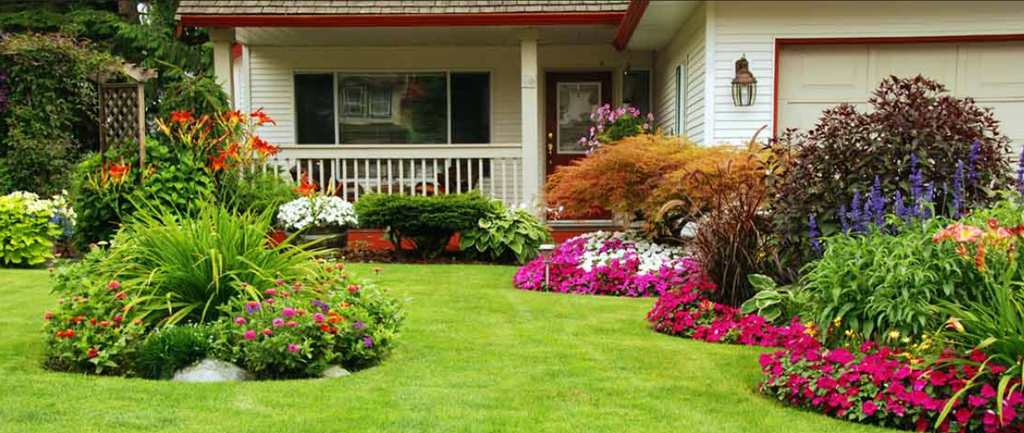
No grass actually grows anywhere, and it’s worth saying that plainly before recommending a single species. A grass built to survive a Florida summer will die in a Minnesota winter, and a grass bred for the Great Plains’ dry, open prairie will rot in a consistently soggy, shaded backyard. “Grows anywhere” is really shorthand for something narrower and more useful: a genuinely wide tolerance range within a given climate, one species that handles sun and a bit of shade, average soil and slightly poor soil, a dry spell and a wet one, better than most of its more specialized rivals.
Tall fescue is the closest thing turfgrass has to that ideal. It tolerates more soil types, more light conditions, and a wider temperature range than almost any other cool-season species, which is exactly why it’s the default recommendation whenever someone asks for one grass that won’t immediately fail if conditions turn out to be less than perfect. Bermudagrass plays a similar role in warm climates, tolerating drought, heat, poor soil, and heavy traffic about as well as any turfgrass can, provided it gets the full sun it absolutely requires.
It’s also worth knowing that a handful of plants genuinely do grow almost anywhere, and most of them are weeds nobody would deliberately plant. Crabgrass and Johnsongrass are about as close to universally adaptable as any grass gets, thriving in cracked pavement, poor soil, and neglected lots that would defeat every cultivated species on this list, which says more about why they’re such persistent problems than it does about anything worth intentionally planting. The USDA Natural Resources Conservation Service’s plant database is a useful tool for checking a specific species’ actual documented range and soil tolerance before assuming it will perform everywhere it’s marketed to. What follows covers 21 grasses that come closest to living up to the “grows anywhere” promise, along with 2 honest examples of what true universal adaptability actually looks like.
Tall Fescue
Tall fescue tolerates a genuinely wide range of soil types, sun exposure, and temperature extremes better than almost any other cool-season turfgrass, which is exactly why it’s so often the default recommendation for a difficult or unpredictable site. Its deep root system lets it handle both drought and periods of heavier moisture with more flexibility than shallower-rooted alternatives.
It does need at least a few hours of direct sun daily and won’t perform in genuinely deep shade, so its versatility has real limits even though they’re broader than most other species on this list.
Kentucky Bluegrass
Kentucky bluegrass adapts to a wide range of cool-climate conditions, tolerating everything from moderate drought to regular foot traffic once it’s established a mature root system. Its rhizome-based spreading habit also lets it repair itself across a broader range of disturbance than a purely bunch-type grass could manage.
It needs more water and fertilizer to maintain that adaptability than some lower-input alternatives, so its versatility comes with a genuine maintenance cost attached.
Perennial Ryegrass
Perennial ryegrass germinates and establishes across an unusually broad range of soil and light conditions, which is exactly why it’s so commonly used to get quick cover on a new or damaged site regardless of the specific local conditions. It tolerates everything from full sun to moderate shade during that establishment period.
Its relatively short lifespan limits how far that adaptability extends over time, since a stand relying on ryegrass alone will thin out within a few years even in genuinely ideal conditions.
Fine Fescue
Fine fescue, particularly hard fescue, tolerates poor soil, drought, and shade better than most other cool-season turf options, giving it real versatility across a range of difficult sites within its climate zone. It needs minimal fertilizer to perform reasonably well even where conditions aren’t ideal.
It doesn’t hold up to heavy foot traffic, so its broad tolerance for difficult soil and light conditions doesn’t extend to heavy use, a real limit on how versatile it actually is.
Bermudagrass
Bermudagrass adapts to an unusually wide range of soil types, tolerating everything from sandy coastal ground to heavy clay as long as drainage is reasonable and sun exposure is strong. Its aggressive growth habit lets it recover from nearly any kind of physical damage faster than most other warm-season turfgrass.
Its one non-negotiable requirement is full sun, and no amount of overall toughness compensates for shade, which is the clearest limit on how far its versatility actually extends.
Zoysiagrass
Zoysiagrass tolerates a genuinely broad range of soil conditions and moderate shade better than bermudagrass does, giving it real flexibility across different site conditions within the warm-season climate band it’s suited to. Its dense growth habit also resists weed invasion effectively once established.
Its slower establishment speed is the tradeoff for that broader tolerance, meaning a new zoysia planting takes longer to become genuinely resilient than a comparable bermudagrass planting would.
Buffalograss
Buffalograss tolerates an unusually wide range of soil types, from sandy to fairly heavy clay, as long as the site doesn’t hold standing water, and it needs dramatically less water and fertilizer than most turf alternatives to maintain that adaptability. Its native range across the Great Plains reflects genuine resilience to both drought and temperature swings.
It requires full sun and struggles in any meaningful shade, and it’s not well suited to genuinely high-rainfall regions where its low-water adaptations become less of an advantage.
Bahiagrass
Bahiagrass tolerates poor, sandy soil and low fertility about as well as any turfgrass available, making it a genuinely adaptable choice across a wide range of difficult sites within its warm-climate range. Its deep taproot lets it access moisture other species can’t reach in badly depleted soil.
Its shade tolerance is genuinely poor, limiting its versatility specifically to open, sunny sites regardless of how well it otherwise handles difficult soil.
Centipedegrass
Centipedegrass adapts well to the poor, acidic, sandy soil common throughout much of the Southeast, requiring minimal fertilizer to perform reasonably even where conditions are genuinely difficult. Its low-input nature gives it a kind of passive versatility, thriving specifically where more demanding species would need constant help.
It doesn’t tolerate cold, heavy traffic, or genuine drought nearly as well as its soil adaptability might suggest, so its versatility is real but narrower than it first appears.
Orchardgrass
Orchardgrass is one of the more widely adapted cool-season forage grasses grown anywhere in the world, tolerating a considerably wider range of soil types and light conditions, including real shade, than most other pasture grasses. That shade tolerance in particular sets it apart from timothy or smooth brome.
It’s coarser and less refined than a typical lawn grass, better suited to pasture and forage use than a manicured residential yard despite its genuine adaptability.
Timothy Grass
Timothy grass adapts to a broad range of cool, temperate climates across North America and Europe, tolerating moderate drought and a range of soil fertility levels reasonably well. Its long history as a forage crop reflects just how widely it’s been successfully grown across different regions and conditions.
It’s a bunch-type grass with limited traffic tolerance, making it a forage and hay species rather than something suited to a lawn or high-use area.
Smooth Brome
Smooth brome tolerates an unusually broad range of soil and climate conditions across the Great Plains and much of temperate North America, spreading by rhizome in a way that gives it real resilience against disturbance. It’s been used for pasture, erosion control, and roadside stabilization across a genuinely wide geographic range.
Its coarse texture and aggressive spread make it a poor choice for a refined residential lawn, better suited to agricultural and naturalized applications where its adaptability matters more than its appearance.
Kentucky 31 Tall Fescue
Kentucky 31 was historically valued specifically for its capacity to grow in nearly any soil and climate condition thrown at it, which is exactly why it became such a dominant pasture and roadside grass across huge swaths of the country. Its toughness comes partly from a naturally occurring fungal endophyte that improves pest resistance.
That same endophyte is toxic to grazing livestock in high concentrations, a genuine downside that’s pushed modern pasture recommendations toward newer, endophyte-free alternatives instead.
Reed Canary Grass
Reed canary grass tolerates an extraordinarily wide range of moisture conditions, thriving in both standing water and periods of relative dryness better than almost any other grass species. That flexibility has made it valuable for erosion control along unpredictable, variable wetland edges.
It’s also become an aggressive invasive species in many wetland ecosystems specifically because of that same broad tolerance, so it’s worth planting deliberately only where its potential to spread is genuinely being managed.
Weeping Lovegrass
Weeping lovegrass tolerates poor, disturbed soil and drought well enough that it’s been used for erosion control across a wide range of difficult, damaged sites where little else would establish reliably. Its rapid germination and establishment reinforce that same broad adaptability.
It’s not native to North America and has become invasive in parts of the country, so its genuine toughness comes with the same caveat as reed canary grass: useful for a specific erosion-control purpose, risky as a general-purpose planting choice.
Bermudagrass Overseeded with Tall Fescue
Combining bermudagrass with an overseed of tall fescue creates a genuinely adaptable transition-zone lawn system, with bermudagrass handling summer heat and drought while tall fescue provides better cold tolerance and shade performance than bermudagrass alone could offer. It’s a practical way to cover a wider range of conditions than either species manages on its own.
Managing the balance between the 2 species over time takes real attention, since overly aggressive tall fescue seeding can gradually crowd out the bermudagrass base in a shadier or cooler section of the yard.
All-Purpose Sun and Shade Seed Mix
A commercial sun-and-shade seed blend, typically combining Kentucky bluegrass, perennial ryegrass, and fine fescue, is marketed specifically for yards with genuinely mixed light conditions rather than a single uniform site. Each species in the blend covers a different portion of the light spectrum a real yard might present.
The finished lawn won’t look perfectly uniform, since the fescue-dominant patches in shade look and feel different from the bluegrass-dominant patches in full sun, a reasonable tradeoff for genuine adaptability across a variable site.
Crested Wheatgrass
Crested wheatgrass tolerates an unusually wide range of dry, cold, and poor-soil conditions across the Great Plains and intermountain West, making it one of the more broadly adapted introduced grasses used for rangeland and erosion control. Its drought tolerance rivals or exceeds most native alternatives in the same region.
It’s coarse and bunch-forming, better suited to rangeland restoration than a residential lawn despite its genuine climate and soil adaptability.
Western Wheatgrass
Western wheatgrass tolerates alkaline, saline, and heavy clay soil better than most other cool-season grasses, spreading by rhizome across a genuinely broad range of difficult site conditions throughout the Great Plains. It stays green through more of the year than many of its warm-season prairie neighbors.
It’s more commonly used in naturalized and restoration plantings than a conventional lawn, valued for resilience across variable, difficult soil rather than for polish or appearance.
Johnsongrass
Johnsongrass genuinely grows almost anywhere, colonizing roadsides, agricultural fields, disturbed lots, and nearly any other open ground across a huge range of soil types and climates. That’s precisely the problem: it’s considered one of the most economically damaging invasive weeds in American agriculture, not a plant anyone should deliberately introduce.
Its inclusion here is a cautionary example rather than a recommendation, illustrating that true universal adaptability in a grass usually signals an aggressive weed rather than a desirable garden or lawn species.
Crabgrass
Crabgrass may be the single most genuinely universal grass in North America, germinating and thriving in cracked sidewalks, compacted lawns, gravel lots, and nearly any other disturbed ground regardless of soil type or climate. It’s the plant every homeowner is actually trying to prevent rather than establish.
Like Johnsongrass, it’s included here purely to make the point honestly: the grass that comes closest to actually growing anywhere is a weed nobody wants, which says something real about what “grows anywhere” actually costs a plant in terms of the traits people usually want from a lawn.
Conclusion
There is no single grass that will grow equally well in every location, because grasses have different requirements for temperature, sunlight, soil, moisture, and drainage. However, some adaptable varieties can tolerate a wider range of conditions and may perform well when their basic needs are met.
Choosing a suitable grass depends on the local climate, soil type, available sunlight, rainfall, and intended use of the lawn. Some grasses tolerate drought or poor soil better than others, while certain varieties are more suitable for shade, heat, cold, or heavy foot traffic. Improving soil conditions can also make establishment easier.
With the right grass selection and basic care, many difficult lawn areas can support healthy turf. Proper watering, mowing, fertilization, drainage, and soil management can help adaptable grasses establish stronger roots and remain attractive across changing growing conditions.