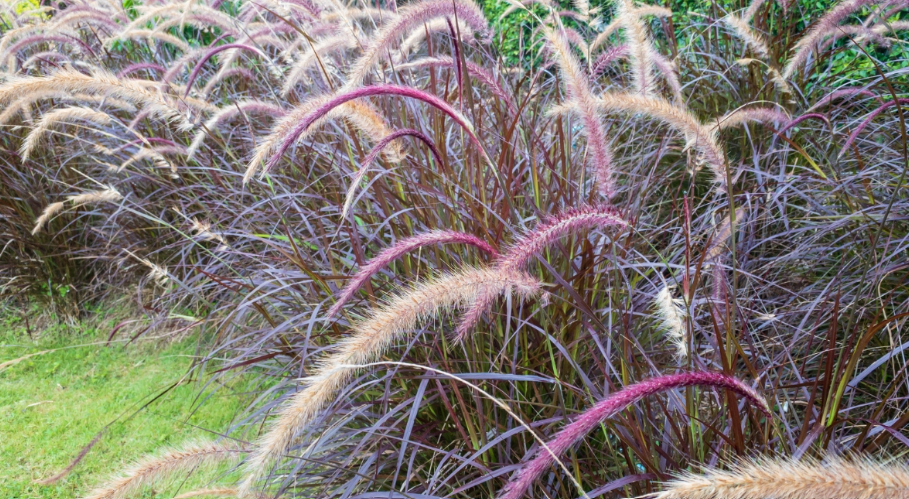
Full sun isn’t just the absence of shade, it’s a genuine requirement for most of the grasses people actually want in a lawn or garden. Turf breeders have spent decades chasing shade tolerance specifically because it’s the harder trait to build into a grass, and most species still default to needing 6 to 8 hours of direct light a day to grow dense, produce good color, and resist disease. Plant one of these species in real shade instead of full sun and the problem usually isn’t that it dies outright, it’s that it thins out, stretches for light, and slowly loses the fight to weeds that don’t share its light requirements.
That sun-hungry group actually splits into a few genuinely different categories once you look past turfgrass. Warm-season lawn species like bermudagrass and zoysiagrass are the classic full-sun workhorses, built for heat and direct light in equal measure. Cool-season species like Kentucky bluegrass do best in full sun too, even though they’re more associated with milder climates than the warm-season group. And a whole separate category of native prairie and ornamental grasses, the little bluestems and switchgrasses and fountain grasses of the world, evolved on open, treeless ground where full sun was simply the only condition available.
The practical upside of a genuinely sunny yard is that it opens up nearly every option on the market, since sun tolerance is the default rather than the exception. The real decision becomes about heat, water, and maintenance level rather than whether a given grass can handle the light at all. The University of Georgia Extension’s turfgrass selection guide is a solid resource for narrowing that broader decision down by climate and use. What follows covers 28 grasses that genuinely thrive in full sun, spanning lawn turf and ornamental garden species.
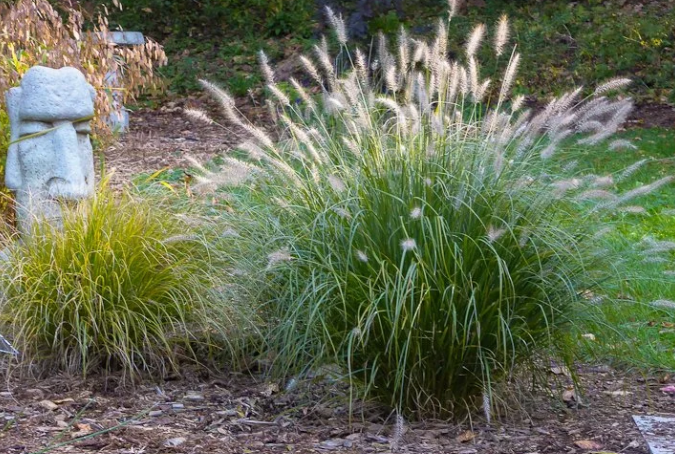
Bermudagrass
Bermudagrass is about as sun-hungry as turfgrass gets, thriving in full, unbroken light and actually declining in density and color the moment meaningful shade enters the picture. Its aggressive growth in a sunny spot lets it recover from heavy foot traffic and wear faster than almost any other lawn species available.
That same intensity works against it in shade, where it thins out and becomes vulnerable to weed invasion within a single season, so it’s genuinely a poor choice for anything but a wide-open, sun-drenched yard.
Zoysiagrass
Zoysiagrass performs best in full sun, developing the dense, tight turf it’s known for only when it gets consistent direct light throughout the day. It tolerates somewhat more shade than bermudagrass, but its best density and color still show up in the sunniest parts of a yard.
Its slow, steady establishment actually benefits from full sun’s consistent energy input, filling in more quickly than it would in a partially shaded planting of the same size.
St. Augustinegrass
St. Augustinegrass has a reputation for shade tolerance relative to other warm-season grasses, but it still performs best in full sun, where its thick, carpet-like growth habit reaches its fullest density. In genuinely sunny conditions it also resists the fungal diseases that tend to show up more readily in shadier, damper turf.
Its water needs are a bit higher than some other full-sun species, so consistent irrigation matters even in an otherwise ideal sunny spot.
Also Read: Best Grass for Clay Soil
Bahiagrass
Bahiagrass thrives in full sun and struggles noticeably in shade, reflecting its origin as an open-pasture and roadside species rather than anything adapted to tree cover. Its deep taproot lets it pull moisture from well below the surface, a real advantage during a sunny, hot summer stretch.
That root system is part of why bahiagrass tolerates drought and poor soil so well in full sun, conditions that would stress out a shallower-rooted grass considerably faster.
Centipedegrass
Centipedegrass does best in full sun to light shade, with its lowest input needs showing up specifically when it gets consistent direct light throughout the growing season. Its naturally lighter green color is sometimes mistaken for a nutrient problem, but it’s simply the species’ normal appearance in good sun.
It requires minimal fertilizer in a sunny spot, and overfeeding it can actually cause more harm than leaving it alone, an unusual trait among turf species.
Buffalograss
Buffalograss requires full sun to perform well, and it’s one of the more dramatic examples of a grass that simply won’t tolerate shade at all, going thin and patchy at the first sign of consistent tree cover. Its native range across the open shortgrass prairie reflects exactly that full-sun-only adaptation.
Its extremely low water needs make it a strong choice for a sunny, low-maintenance yard, particularly in drier regions where full sun and low rainfall tend to go together.
Seashore Paspalum
Seashore paspalum performs best in full sun along coastal properties, where it combines strong light tolerance with genuine salt tolerance for beachfront or brackish-irrigated ground. Its density and color both improve noticeably with more consistent direct light.
It requires more specialized fertility management than mainstream turf species, generally installed and maintained by professionals experienced with the particular demands of coastal, full-sun turf.
Kikuyugrass
Kikuyugrass spreads aggressively in full sun, developing a dense, vigorous turf that can become a genuine maintenance challenge if it escapes into a neighboring garden bed. Its heat and drought tolerance in a sunny spot rivals or exceeds most other warm-season turf species.
That same vigor makes it a poor choice near delicate plantings, since its runners will happily invade adjacent beds given enough sun and warmth to fuel the spread.
Kentucky Bluegrass
Kentucky bluegrass performs best in full sun, developing the dense, self-repairing turf it’s known for far more reliably there than in any degree of shade. Its rhizome-based spreading habit lets a sunny bluegrass lawn recover from wear and thin spots on its own.
It needs more water in full sun during peak summer heat than in a partially shaded spot, so irrigation planning matters even for a species this well suited to direct light.
Perennial Ryegrass
Perennial ryegrass germinates quickly in full sun and is commonly used to establish quick cover on a new or damaged lawn before longer-lived species take over. It tolerates partial shade reasonably well, but its fastest, most vigorous growth happens in direct light.
Its relatively short lifespan means a sunny stand seeded with ryegrass alone will thin out within a few years, making it better suited to a supporting role in a broader seed mix.
Tall Fescue
Tall fescue performs well across a range of light conditions but reaches its best density, color, and drought tolerance in full sun. Its deep root system, already an advantage in difficult soil, becomes even more effective at drawing up moisture when the plant has full access to sunlight to fuel that growth.
It handles heat and dry stretches in full sun better than Kentucky bluegrass does, making it a common substitute in transition-zone climates where summer sun is intense.
Bentgrass
Creeping bentgrass demands full sun to tolerate the extremely low, precise mowing it’s typically subjected to on a golf green, since any shade stress on top of that mowing height would kill the turf quickly. Its fine texture and tight growth habit require intensive management to maintain even under ideal sunny conditions.
It’s genuinely impractical for an ordinary residential lawn regardless of how sunny the yard is, given the daily watering and mowing schedule it demands to survive.
Blue Grama
Blue grama, Colorado’s official state grass, requires full sun and struggles in anything approaching real shade, reflecting its evolution on open prairie ground. Its low water needs pair naturally with the sunny, often dry conditions it’s adapted to.
Left unmowed in a sunny bed, it develops distinctive, eyebrow-curved seed heads that add genuine ornamental interest beyond its function as a low-water turf alternative.
Also Read: Best Grass for Sandy Soil
Little Bluestem
Little bluestem thrives in full sun, developing the silvery-blue summer color and coppery fall color it’s prized for only when it gets consistent direct light throughout the season. In shade, it grows leggy and floppy, losing the upright, structured form that makes it valuable in a garden bed.
Its deep root system draws real benefit from full sun’s steady energy supply, helping it tolerate both drought and poor soil considerably better than a shade-grown specimen ever could.
Big Bluestem
Big bluestem, a dominant tallgrass prairie species, requires full sun to reach its full mature height and produce the distinctive turkey-foot seed heads it’s known for. It tolerates the same open, sunny conditions found across its native range from Texas to Canada.
Its considerable height, often 5 to 8 feet in ideal sunny conditions, makes it a genuine architectural presence in a naturalized planting rather than a background groundcover.
Indiangrass
Indiangrass needs full sun to mature properly, flowering and setting seed later in the season than switchgrass or big bluestem while sharing their overall reliance on open, unshaded ground. Its golden-bronze fall color is at its most vivid specifically when the plant has received consistent direct light all season.
It’s moderately difficult to establish from seed even in ideal full-sun conditions, generally needing a full season or two before a planting reaches real density.
Switchgrass
Switchgrass performs best in full sun, developing the airy, pink-tinged flower clusters and strong upright form it’s known for far more reliably there than in partial shade. Its deep, fibrous root system also becomes more effective at drawing up moisture and stabilizing soil with consistent sun exposure.
Its considerable drought tolerance in full sun has made it economically significant as both a forage crop and a biofuel feedstock, reflecting just how well it performs under exactly the open, sunny conditions it needs.
Prairie Dropseed
Prairie dropseed requires full sun to develop its neat, fountain-like form and the distinctive, sweet, popcorn-like fragrance it releases when flowering in late summer. It grows noticeably looser and less attractive in anything less than consistent direct light.
Its slow growth rate means a sunny planting takes a few years to reach full maturity, but the eventual payoff is a genuinely graceful, well-behaved specimen that holds its shape without staking or support.
Sideoats Grama
Sideoats grama, the state grass of Texas, needs full sun to perform well, producing its distinctive oat-like seed spikes most reliably under consistent direct light. It shares blue grama’s tolerance for poor, rocky soil as long as sun exposure remains strong.
It works particularly well in a naturalized meadow planting alongside other full-sun prairie natives, where its seed spikes add visual texture without competing for the same narrow light conditions a shade-tolerant species would need.
Blue Fescue
Blue fescue needs full sun to hold its striking silvery-blue foliage color, fading toward a duller green in anything less than consistent direct light. Its tidy, compact clump form also stays tighter and more attractive in full sun than in shade, where it tends to open up and flop.
It demands excellent drainage on top of its sun requirement, since a shaded, damp spot is close to the worst possible combination of conditions for this particular grass.
Karl Foerster Feather Reed Grass
Karl Foerster performs best in full sun, developing the tall, upright form and feathery golden seed heads that have made it one of the most widely planted ornamental grasses in the country. It tolerates a bit more shade than many other ornamental grasses, but its strongest, most vertical growth still depends on consistent direct light.
Its narrow, columnar shape holds up well in full sun without flopping or splaying, a genuine advantage over bushier ornamental grasses in a tight border planting.
Fountain Grass
Fountain grass needs full sun to produce its signature arching form and fuzzy, bottlebrush flower spikes in real abundance. In shade, it grows sparser and often fails to flower with the same fullness it shows in a sunny bed.
Its graceful movement in wind, one of its most appealing garden traits, is really only visible when the plant has grown dense and full under adequate sun, since a shade-stressed specimen simply doesn’t produce enough foliage to move dramatically.
Maiden Grass
Maiden grass, the common name for various Miscanthus sinensis cultivars, requires full sun to produce its silky flower tassels reliably each fall. It tolerates a modest amount of shade without dying, but flowering becomes noticeably sparser as light decreases.
Newer cultivars bred for sturdier stems still depend on full sun to hold that improved structure, since a shaded specimen tends to grow floppier regardless of how it was bred.
Pampas Grass
Pampas grass demands full sun to reach its enormous, dramatic scale and produce the large, plume-like flower heads it’s grown for. It performs poorly in anything less than consistently strong light, staying smaller and less floriferous in a partially shaded spot.
Its considerable mature size, several feet wide and tall, makes a genuinely sunny, open location essential just from a practical space perspective, aside from its actual light requirements.
Blue Oat Grass
Blue oat grass needs full sun to hold its steel-blue foliage color and tight, rounded form, fading and loosening up in anything shadier. Its drought tolerance in a sunny bed is genuinely strong once established, needing minimal supplemental water through a dry summer.
It shares blue fescue’s need for sharp drainage alongside full sun, since a shaded, damp spot combines 2 conditions this grass handles poorly at the same time.
Mexican Feather Grass
Mexican feather grass needs full sun to produce its signature fine, wispy, constantly moving foliage in real abundance. In shade, it grows sparser and loses much of the airy, flowing texture that makes it popular in the first place.
Its tolerance for poor, dry soil pairs naturally with full sun conditions, since the 2 traits tend to show up together in the arid, open habitats this grass is originally adapted to.
Pink Muhly Grass
Pink muhly grass requires full sun to produce its famous cloud of pink-purple flower plumes each fall, with shaded specimens flowering far more sparsely if at all. Its heat and humidity tolerance in a sunny Southern garden bed is genuinely excellent once established.
That fall flower display is really the entire point of growing this particular grass, so skimping on sun exposure defeats the purpose of planting it in the first place.
Zebra Grass
Zebra grass, a distinctively banded Miscanthus cultivar, needs full sun to develop and hold its horizontal gold banding pattern clearly, since the coloring fades and becomes less distinct in shadier conditions. It shares standard maiden grass’s general size, hardiness, and light requirements.
Its unusual variegation pattern is the main reason to choose it over a plain green or vertically striped Miscanthus type, so full sun exposure is worth prioritizing to get the most visual impact from that specific trait.
Conclusion
Choosing the best grass for full sun exposure depends on the local climate, soil type, rainfall, temperature, and intended use of the lawn. Grasses that tolerate strong sunlight and heat can generally perform well in open areas when they receive adequate moisture and nutrients.
Different grass varieties have varying levels of heat tolerance, drought resistance, maintenance needs, and seasonal growth. Selecting a grass suited to the local conditions can help it develop strong roots and maintain healthy coverage, while proper soil preparation can further improve establishment.
With the right grass and consistent care, areas exposed to full sun can support a healthy and attractive lawn. Appropriate watering, mowing, fertilization, and soil management can help the selected grass withstand periods of intense sunlight and remain productive throughout its growing season.