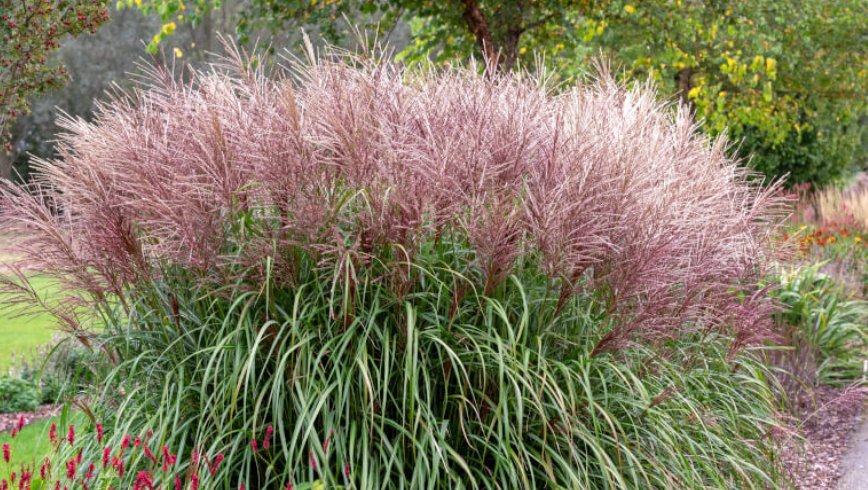
Clay soil gets blamed for a lot of lawn failures that are actually caused by compaction rather than the clay itself. Clay particles are simply smaller and pack together more tightly than sand or loam, which means clay soil drains slowly, cracks when it dries out, and turns into something close to concrete under repeated foot traffic or heavy equipment. But clay also holds onto water and nutrients better than sandy soil ever will, which is exactly why the right grass can actually thrive in it once the soil structure itself isn’t fighting against the plant.
The grasses that do best in clay tend to share one trait: a genuinely deep, aggressive root system capable of pushing through compacted layers rather than staying shallow and fighting the same battle every season. That’s part of why so many native prairie grasses handle clay so well, since they evolved in exactly that kind of heavy Midwestern soil long before anyone thought to mow it. Turf-type grasses bred more recently for lawns can still perform well in clay, but they usually need a little help getting established, typically core aeration before seeding and patience during that first difficult season while roots work their way down.
Drainage, more than the clay itself, is usually the deciding factor in whether a given species will actually work. A grass tolerant of heavy soil can still fail in a low spot that holds standing water for days after every rain, while the same species does fine in clay that simply drains slowly rather than not at all. The Purdue University Extension guide to lawn establishment on difficult soils is a solid reference for working out drainage and aeration needs before choosing seed. What follows covers 15 grasses that hold up well in clay soil, spanning common turf species and native alternatives.
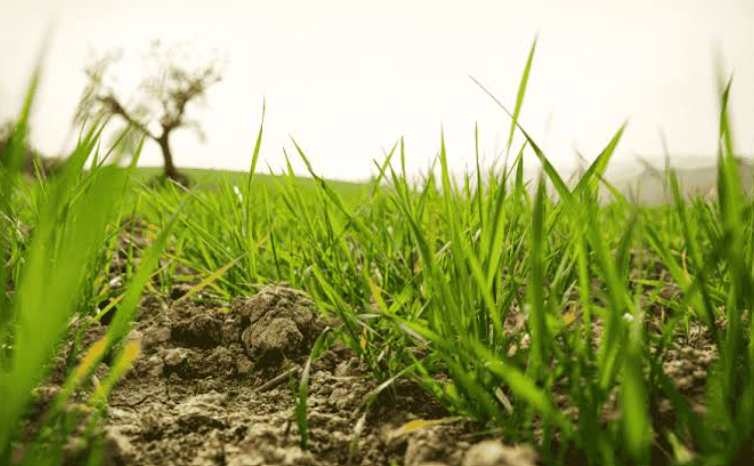
Tall Fescue
Tall fescue’s deep, coarse root system is genuinely one of the best-suited among common turf grasses for pushing through compacted clay, which is part of why it’s so often recommended for a difficult lawn renovation. It also tolerates the periods of standing moisture that heavy clay tends to produce after a hard rain better than most cool-season alternatives.
It’s a bunch-type grass rather than a spreader, so a thin stand in clay soil will need reseeding to fill in rather than repairing itself.
Kentucky Bluegrass
Kentucky bluegrass handles clay reasonably well once established, and its rhizome-based spreading habit actually works in its favor here, letting it gradually fill in areas where compaction has thinned the turf. Getting it established in heavy clay takes more patience than in looser soil, since germination and early root growth are both slower.
Regular core aeration makes a genuine difference for a bluegrass lawn on clay, relieving compaction faster than the grass could work through it alone.
Zoysiagrass
Zoysiagrass tolerates clay soil well once it’s had time to establish a dense root system, and its slow, steady spread eventually produces a genuinely tight, weed-resistant turf even on difficult ground. The tradeoff is time, since zoysia is slower to fill in on clay than it already is on better-draining soil.
It handles occasional waterlogging from clay’s slow drainage better than many warm-season alternatives, provided the soil doesn’t stay saturated for extended periods.
Bermudagrass
Bermudagrass’s aggressive, vigorous root system pushes through compacted clay about as well as any common turfgrass, and its rapid above-ground spread via stolons helps it recover quickly from the traffic damage that heavy soil makes worse. It’s a strong choice for a clay lawn that also sees regular foot traffic or sports use.
It needs full sun and doesn’t tolerate standing water well, so a persistently soggy clay low spot will still cause problems regardless of the grass’s overall toughness.
Buffalograss
Buffalograss’s deep, extensive root system lets it tolerate heavy clay reasonably well, provided the soil isn’t prone to holding standing water for long after rain. Its low water and fertility needs make it a practical option for a clay lawn where minimal ongoing input is the priority.
It performs best in full sun and struggles in the kind of poorly drained, consistently wet clay found in a low-lying yard.
Perennial Ryegrass
Perennial ryegrass germinates quickly even in less-than-ideal clay soil, making it a useful component in a seed mix meant to establish some green cover while slower, longer-lived species take root underneath. On its own, it doesn’t have the root depth to handle severe compaction long-term.
It’s best used as a nurse grass alongside tall fescue or Kentucky bluegrass on a clay renovation project rather than relied on as the primary species.
Centipedegrass
Centipedegrass tolerates the poor, often clay-heavy, acidic soils common throughout the Southeast, requiring minimal fertilizer to perform reasonably well even where soil conditions are genuinely difficult. Its low-input nature makes it a practical match for a clay lawn where a homeowner doesn’t want to fight the soil constantly.
It doesn’t tolerate heavy traffic or drought as well as some other options here, so it works best on a clay lawn used mainly for appearance rather than regular activity.
St. Augustinegrass
St. Augustinegrass tolerates heavy, compacted clay reasonably well in the warm, humid climates where it’s typically grown, spreading via stolons that help it recover from the traffic damage clay soil tends to amplify. Its thick growth habit also helps suppress weeds that might otherwise exploit thin spots in a compacted lawn.
It needs consistent moisture and doesn’t handle the driest, most severely compacted clay as gracefully as some of the deeper-rooted native options on this list.
Bahiagrass
Bahiagrass’s deep taproot is genuinely effective at breaking through a compacted clay hardpan over time, giving it access to moisture and nutrients well below where a shallower-rooted grass would be stuck. It tolerates poor soil fertility about as well as any common turf species.
It’s a full-sun grass with poor shade tolerance, so its clay-busting root system won’t help much in a shaded, compacted spot under a tree.
Big Bluestem
Big bluestem evolved in the heavy clay soils of the tallgrass prairie, and its deep, extensive root system remains one of the most effective at breaking up compacted ground of any grass on this list. It’s better suited to a naturalized planting or meadow than a mowed lawn, given its considerable mature height.
It tolerates both the periodic wetness and the dry cracking typical of clay soil through the changing seasons.
Little Bluestem
Little bluestem shares big bluestem’s deep-rooted clay tolerance on a considerably smaller, more garden-friendly scale, staying compact enough to work in a native plant border rather than requiring an open meadow. It handles compacted, heavy soil about as well as any ornamental grass available.
Its fine, upright form and fall color make it a genuinely attractive choice for a clay area being converted from lawn to a native planting.
Switchgrass
Switchgrass’s deep, fibrous root system tolerates both heavy clay and the periods of wetness that come with it, making it one of the more flexible native grasses for genuinely difficult, poorly drained ground. It’s commonly used in erosion control and restoration work specifically because of that root system’s soil-holding capacity.
Its considerable mature height makes it a better fit for a naturalized area or rain garden than a conventional mowed lawn.
Western Wheatgrass
Western wheatgrass is native to the heavy clay soils of the Great Plains, spreading by rhizome and tolerating both compaction and the alkaline conditions that often accompany clay in that region. It stays green through more of the year than many warm-season prairie natives, since it’s a cool-season species.
It’s more commonly used in a naturalized or restoration planting than a manicured residential lawn, though it can work as a low-input turf alternative.
Canada Wildrye
Canada wildrye tolerates heavy clay and some shade better than many other native prairie grasses, making it a useful option for a wooded, compacted area where turf grasses generally struggle. Its arching seed heads add visual interest beyond simple ground cover.
It’s a bunch-type grass best suited to a naturalized planting rather than a lawn meant to be mowed regularly.
Indiangrass
Indiangrass rounds out the classic tallgrass prairie trio alongside big bluestem and switchgrass, sharing their deep, clay-breaking root systems and tolerance for both wet and dry extremes. It matures later in the season than its prairie relatives, extending the visual interest of a native planting into fall.
Like the other tallgrass species here, it’s suited to a meadow or restoration setting rather than a conventional lawn, given its height and bunching growth habit.
Conclusion
Choosing the best grass for clay soil depends on the local climate, sunlight, moisture levels, drainage, and intended use of the lawn. Clay soil can hold water and become compacted, so grasses that tolerate heavier soil conditions may establish more successfully when other growing requirements are also met.
Preparing the soil can make an important difference in lawn establishment and long-term growth. Improving drainage where necessary, reducing compaction, selecting suitable grass varieties, and providing appropriate watering can help roots develop more effectively. Mowing at the correct height and avoiding excessive foot traffic can also support healthier turf.
With the right grass and proper soil management, lawns growing in clay soil can remain healthy and attractive. Matching the grass to the local growing conditions and addressing drainage or compaction problems can reduce maintenance challenges and help create a more durable lawn over time.