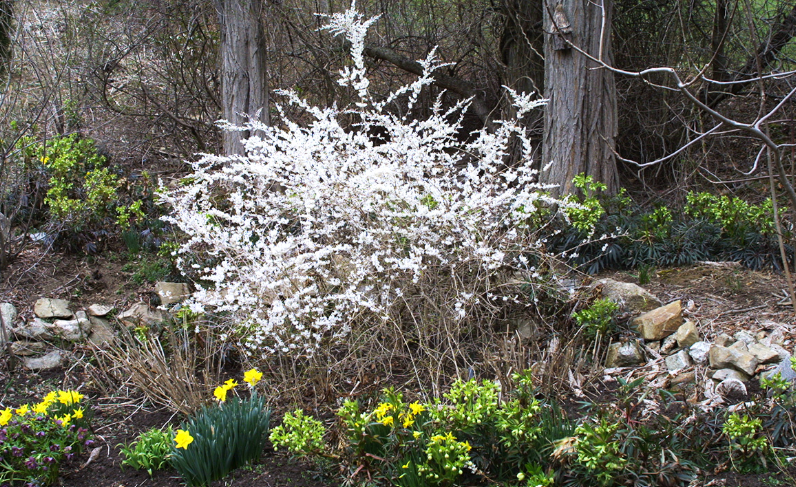
Blooming in winter is a genuinely strange evolutionary bet. Most flowering plants time their blooms to coincide with peak insect activity, but a shrub that flowers in January is doing the opposite, opening its petals during exactly the months when almost no pollinators are around to visit them. The plants that pull this off tend to compensate with an unusually intense fragrance, strong enough to draw in the few bees that do venture out on an unseasonably warm winter afternoon, since visual color alone isn’t doing much work against a gray winter backdrop.
That’s part of why so many winter-blooming shrubs are grown as much for scent as for appearance. Wintersweet, winter daphne, and witch hazel all carry a reputation for filling an entire garden with fragrance from a single well-placed shrub, a genuine practical response to a season when a flower’s usual visual competition has largely disappeared. Some petals in this group also produce natural antifreeze-like compounds that keep the bloom from freezing solid overnight, letting the same flower reopen the next day once temperatures climb again.
True winter bloomers remain a genuinely small category compared to the huge number of spring and summer flowering shrubs, so several genera on this list, particularly witch hazel, camellia, and winter hazel, show up multiple times as distinct, well-documented cultivars rather than as filler. The North Carolina Extension Gardener Plant Toolbox is a solid resource for checking a specific winter-blooming cultivar’s actual hardiness zone before planting. What follows covers 50 shrubs that bloom in winter, spanning true midwinter bloomers and a handful of reliable late-winter performers.
Witch Hazel
Witch hazel produces spidery, fragrant flowers in yellow, orange, or red on bare branches in late fall or winter, blooming when almost nothing else in the garden is active. Its unusual bloom timing alone makes it worth the minimal care it requires.
It tolerates a range of soil and light conditions, needing only occasional light shaping rather than any real structural pruning.
Arnold Promise Witch Hazel
Arnold Promise is a witch hazel cultivar producing large, bright yellow, spidery flowers considered among the most reliably profuse bloomers in the genus. Its late winter bloom timing extends the witch hazel season into the very tail end of the cold months.
It tolerates a range of soil conditions and full sun to partial shade, needing minimal pruning to maintain its naturally spreading form.
Diane Witch Hazel
Diane produces deep red, spidery winter flowers, among the darkest-colored witch hazel cultivars commonly available, offering a bolder alternative to the more common yellow varieties. Its fall foliage also turns a striking red before dropping.
It tolerates a range of soil and light conditions, sharing the broader witch hazel genus’s minimal care requirements.
Also Read: Shrubs That Bloom All Summer
Jelena Witch Hazel
Jelena produces copper-orange, spidery winter flowers with a genuinely strong fragrance, considered one of the more distinctively colored witch hazel cultivars available. Its warm color sets it apart from both the yellow and red ends of the witch hazel spectrum.
It tolerates a range of soil conditions and full sun to partial shade, needing minimal ongoing care once established.
Pallida Witch Hazel
Pallida produces pale, soft yellow, intensely fragrant winter flowers considered among the most fragrant of all witch hazel cultivars. Its lighter color reads almost luminous against a bare winter landscape.
It tolerates a range of soil and light conditions, sharing the broader genus’s minimal pruning needs.
Vernal Witch Hazel
Vernal witch hazel, a distinct North American species, blooms even earlier than many Asian witch hazel hybrids, sometimes opening flowers as early as January in a mild climate. Its small, ribbon-like petals curl inward during a hard freeze and reopen once temperatures rise.
It tolerates a range of soil conditions and full sun to partial shade, needing minimal ongoing care once established.
Chinese Witch Hazel
Chinese witch hazel, one of the parent species behind many popular hybrid cultivars, produces fragrant yellow flowers on bare branches during the coldest months. Its genetics form the backbone of much of the modern witch hazel breeding available today.
It tolerates a range of soil and light conditions, requiring minimal pruning to maintain an attractive natural form.
Winter Jasmine
Winter jasmine produces bright yellow flowers along bare, arching green stems from December through March, among the most reliably early and cheerful winter bloomers available. Its cascading habit works particularly well spilling over a wall or bank.
It tolerates a range of soil conditions and full sun to partial shade, needing only an occasional post-bloom pruning to control its size.
Wintersweet
Wintersweet produces small, intensely fragrant, translucent yellow flowers on bare branches in the depths of winter, filling an entire garden area with scent from a single well-placed shrub. Its unassuming flower appearance belies just how far its fragrance travels on a still winter day.
It tolerates a range of soil conditions and full sun to partial shade, needing minimal ongoing care once established.
Winter Honeysuckle
Winter honeysuckle produces small, intensely fragrant white flowers along its branches from January through March, drawing early foraging bees on any unseasonably warm afternoon. Its fragrance is often compared to citrus blossom.
It tolerates a range of soil conditions and full sun to partial shade, growing into a substantial, somewhat sprawling shrub if left unpruned.
Winter Daphne
Winter daphne produces intensely fragrant pink and white flower clusters in late winter, with a scent considered among the most captivating of any garden plant regardless of season. Its relatively modest size suits a smaller garden bed near a path or entryway where the fragrance can be appreciated.
It demands excellent drainage and can be genuinely temperamental about being disturbed once planted, so choose its spot carefully from the start.
Sweet Box
Sweet box produces small, intensely fragrant white flowers in late winter on an evergreen shrub well suited to deep shade where few other flowering plants perform at all. Its glossy, dark green foliage stays attractive year-round between bloom periods.
It tolerates dry shade better than almost any other flowering evergreen, making it a genuine solution for a difficult, low-light winter garden spot.
Winter Heath
Winter heath produces low mats of small, bell-shaped flowers in shades of pink, white, and purple through the coldest months, providing rare ground-level winter color. Its evergreen, needle-like foliage stays attractive year-round.
It tolerates poor, acidic soil and full sun, needing minimal ongoing care once established.
Paperbush
Paperbush produces clusters of fragrant, tubular yellow flowers in late winter on bare branches, with a distinctive papery bark that’s historically been used to make traditional paper. Its unusual, umbrella-like branching structure provides genuine winter architectural interest even before flowering.
It tolerates partial shade and consistently moist, well-drained soil, struggling in genuinely harsh winter exposure.
Viburnum x Bodnantense
Viburnum x bodnantense produces clusters of intensely fragrant pink flowers on bare branches from November through March, among the most reliable and longest-blooming true winter shrubs available. Its extended bloom window often means flowers are present continuously through the entire winter season.
It tolerates a range of soil conditions and full sun to partial shade, needing minimal pruning to maintain an attractive natural form.
Dawn Viburnum
Dawn is a bodnantense viburnum cultivar producing particularly rich pink, intensely fragrant winter flower clusters, considered one of the more floriferous selections available. Its considerable fragrance carries well beyond the immediate planting area.
It tolerates a range of soil conditions and full sun to partial shade, sharing the parent hybrid’s reliable winter bloom timing.
Also Read: Evergreen Shrubs For Outdoor Planting
Deben Viburnum
Deben is a bodnantense viburnum cultivar producing paler pink flowers that open from deeper pink buds, creating a subtle 2-toned effect through its long winter bloom period. Its fragrance matches its more richly colored relatives.
It tolerates a range of soil conditions and full sun to partial shade, needing minimal ongoing care once established.
Viburnum Farreri
Viburnum farreri, one of the parent species behind the bodnantense hybrid, produces its own fragrant pink and white winter flower clusters on bare branches. Its genetics form the backbone of much of the winter-flowering viburnum breeding available today.
It tolerates a range of soil conditions and full sun to partial shade, requiring minimal pruning to maintain an attractive natural form.
Camellia Sasanqua
Camellia sasanqua blooms earlier than most other camellia species, typically from fall into winter, producing smaller but more abundant flowers on a genuinely sun-tolerant evergreen shrub. Its earlier bloom timing extends the camellia season considerably into the coldest months.
It tolerates more sun than other camellia types, though it still wants the same acidic, well-drained soil to thrive.
Yuletide Camellia
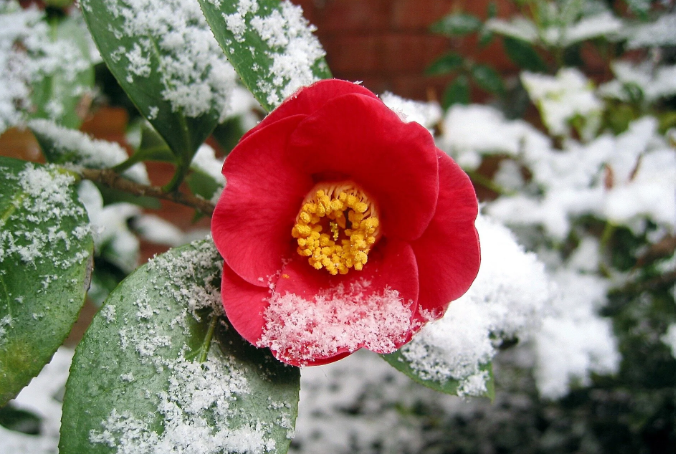
Yuletide is a sasanqua camellia cultivar producing single red flowers with prominent yellow stamens, timed to bloom right around the winter holidays as the name suggests. Its bold color makes it a genuine focal point in an otherwise quiet winter garden.
It requires acidic, well-drained soil and partial shade, struggling in alkaline conditions or a hard freeze.
Winter’s Interlude Camellia
Winter’s Interlude is a cold-hardy sasanqua camellia cultivar bred for improved winter survival compared to older varieties, extending reliable camellia bloom into colder regions than the species typically tolerates. Its soft pink flowers provide gentle winter color.
It requires acidic, well-drained soil, tolerating more cold than many other camellia cultivars while still needing genuine winter protection in the harshest climates.
Setsugekka Camellia
Setsugekka is a sasanqua camellia cultivar producing large, ruffled white flowers with a soft pink blush, considered one of the more elegant winter-blooming camellia selections available. Its considerable flower size makes it a genuine specimen plant.
It requires acidic, well-drained soil and partial shade, sharing the broader sasanqua group’s earlier bloom timing.
Camellia Japonica
Camellia japonica produces elegant, rose-like flowers in late winter through early spring on a substantial evergreen shrub once established in acidic, well-drained soil. Its glossy foliage provides handsome year-round structure between bloom periods.
It requires partial shade and consistently moist, acidic soil, struggling in full sun or alkaline conditions.
Debutante Camellia
Debutante is an early-blooming camellia japonica cultivar producing soft pink, peony-like flowers that open earlier in the season than many other japonica varieties. Its considerable flower fullness makes it a genuine standout among winter-blooming camellias.
It requires acidic, well-drained soil and partial shade, sharing the broader japonica group’s care requirements.
Mahonia
Mahonia produces spiky clusters of yellow winter flowers and dark blue berries on a genuinely low-maintenance evergreen shrub tolerating deep shade better than most flowering alternatives. Its bold, architectural foliage provides year-round structure.
It tolerates poor soil and considerable neglect, needing minimal pruning beyond removing an occasional damaged cane.
Leatherleaf Mahonia
Leatherleaf mahonia produces spiky clusters of yellow winter flowers on a genuinely low-maintenance evergreen shrub, sharing standard mahonia’s shade tolerance and architectural presence. Its bold, spiny leaves provide texture and a degree of security value year-round.
It tolerates poor soil and considerable neglect, needing minimal pruning beyond removing an occasional damaged cane.
Chinese Mahonia
Chinese mahonia produces fragrant yellow winter flower spikes on a substantial evergreen shrub, one of several mahonia species contributing to the genus’s broad winter-blooming reputation. Its considerable eventual size makes it a genuine architectural presence.
It tolerates shade and poor soil well, needing minimal pruning once established in the right spot.
Also Read: Perennial Shrubs With Purple Flowers
Skimmia
Skimmia produces glossy evergreen leaves and fragrant flower clusters in late winter, followed by bright red berries, tolerating shade better than most other broadleaf evergreens. Its compact size suits a shaded foundation planting.
It requires a male and female plant nearby for reliable berry production and tolerates acidic, well-drained soil best.
Pieris
Pieris, also called andromeda, produces cascading clusters of small, bell-shaped flowers in late winter to early spring alongside glossy evergreen foliage that often emerges in vivid red new growth. Its early bloom timing provides genuine late-winter color.
It tolerates partial shade and acidic soil, needing minimal ongoing care beyond an occasional light shaping.
Silk-Tassel Bush
Silk-tassel bush produces long, dangling, silvery-gray catkins through winter, an unusual bloom form that provides genuine textural interest rather than conventional flower color. Its evergreen foliage stays attractive year-round between these winter catkin displays.
It tolerates a range of soil conditions and partial shade, needing minimal pruning to maintain its naturally graceful, drooping form.
Japanese Apricot
Japanese apricot produces fragrant pink or white flowers on bare branches in late winter, well before most other flowering trees or shrubs begin their spring show. Its early bloom has made it a traditional symbol of hope and renewal in East Asian culture.
It tolerates a range of soil conditions and full sun, needing minimal pruning beyond maintaining its natural form.
Winter-Flowering Cherry
Winter-flowering cherry produces delicate pink or white flowers intermittently from fall through winter and into spring, an unusual bloom pattern that sets it apart from the single concentrated spring flush typical of most flowering cherries. Its extended, if scattered, bloom period provides welcome color across several seasons.
It tolerates a range of soil conditions and full sun, growing into a substantial small tree over time.
Cornelian Cherry Dogwood
Cornelian cherry dogwood produces small, bright yellow flower clusters on bare branches in very late winter, well before its leaves emerge and before most other dogwood species even begin to bud. Its edible red fruit follows in summer.
It tolerates a range of soil conditions and full sun to partial shade, eventually growing into a substantial large shrub or small tree.
Star Magnolia
Star magnolia produces fragrant, star-shaped white flowers on bare branches in very late winter, among the earliest magnolia species to bloom each year. Its relatively compact size suits a smaller garden better than many larger magnolia species.
It tolerates a range of soil conditions and full sun to partial shade, needing minimal pruning to maintain its naturally attractive form.
Flowering Quince
Flowering quince produces clusters of red, pink, or orange flowers in very late winter, often before its leaves have even emerged, providing an early nectar source for the first foraging bees of the season. Its thorny branches also offer some nesting protection for early-arriving birds.
It tolerates a range of soil conditions and full sun to partial shade, requiring minimal pruning beyond an occasional post-bloom shaping.
Camellia Oleifera
Camellia oleifera produces small, fragrant white flowers in late fall through winter, notably more cold-tolerant than many other camellia species and used in breeding programs specifically to extend camellia hardiness. Its oil-rich seeds have also been traditionally pressed for cooking oil.
It tolerates more cold than most other camellia species, though it still wants acidic, well-drained soil to thrive.
Fatsia
Fatsia produces rounded clusters of small white flowers in late fall through early winter on a bold, tropical-looking evergreen shrub valued as much for its dramatic, glossy foliage as for its blooms. Its considerable shade tolerance suits a difficult, low-light corner.
It tolerates significant shade and a range of soil conditions, needing minimal pruning to maintain its naturally bold form.
Camellia Sinensis
Camellia sinensis, the source of true tea, produces small, fragrant white flowers in late fall through winter on an evergreen shrub grown throughout history primarily for its leaves rather than its blooms. Its winter flowering is a genuine bonus beyond its practical use.
It tolerates acidic, well-drained soil and partial shade, sharing the broader camellia genus’s general care needs.
Rosemary
Rosemary produces small blue flowers sporadically through a mild winter in a genuinely warm climate, alongside its more familiar role as a culinary herb. Its evergreen, needle-like foliage stays attractive and aromatic year-round.
It needs full sun and excellent drainage, since wet soil threatens it far more than winter cold ever does in a suitably mild climate.
Fragrant Tea Olive
Fragrant tea olive, also called osmanthus, produces small, intensely fragrant flowers intermittently through fall and into winter in a mild climate, perfuming an entire garden area. Its dense, glossy evergreen foliage provides year-round structure between bloom flushes.
It tolerates partial shade and a range of soil types, needing minimal pruning to maintain an attractive natural form.
Corylopsis
Corylopsis, also called winter hazel, produces dangling clusters of fragrant pale yellow flowers on bare branches in late winter, closely resembling witch hazel’s timing despite belonging to an entirely different genus. Its delicate, pendant flower clusters provide a softer look than witch hazel’s spidery blooms.
It tolerates partial shade and consistently moist, well-drained soil, needing minimal pruning to maintain its naturally graceful form.
Fragrant Winter Hazel
Fragrant winter hazel produces particularly sweet-smelling pale yellow flower clusters in late winter, considered one of the more fragrant species within the broader winter hazel genus. Its bare-branch bloom display provides delicate winter color before the leaves emerge.
It tolerates partial shade and consistently moist soil, sharing the genus’s general preference for a sheltered planting site.
Buttercup Winter Hazel
Buttercup winter hazel produces small, buttery yellow flower clusters on a notably compact, slow-growing shrub, among the more diminutive winter hazel species available for a smaller garden. Its dwarf stature makes it a practical choice where larger winter hazel species wouldn’t fit.
It tolerates partial shade and well-drained soil, needing minimal pruning given its naturally compact growth habit.
Spike Winter Hazel
Spike winter hazel produces longer, more elongated flower clusters than some of its winter hazel relatives, blooming on bare branches in late winter with a genuinely showy display. Its slightly larger scale suits a more prominent spot in the garden.
It tolerates partial shade and consistently moist, well-drained soil, needing minimal ongoing care once established.
Chinese Fringe Flower
Chinese fringe flower, also called loropetalum, produces distinctive, spidery pink or white flowers in late winter into spring in a mild climate, with several cultivars offering rich burgundy foliage year-round. Its unusual bloom shape provides genuine winter interest beyond typical flower forms.
It wants full sun to partial shade, tolerating considerably drier conditions than its lush appearance suggests.
Confederate Rose
Confederate rose, botanically a hibiscus rather than a true rose, produces large flowers that often continue blooming into early winter in the mildest parts of the Deep South, well after most other flowering shrubs have finished for the year. Its considerable size makes it more of a large shrub or small tree.
It tolerates full sun and a range of soil types, thriving in the warm, humid conditions typical of the Deep South.
Oregon Grape
Oregon grape produces bright yellow flower clusters in late winter to early spring on a genuinely low-maintenance native evergreen shrub, followed by dark blue, grape-like berries later in the season. Its spiny, holly-like leaves provide texture and a degree of security value year-round.
It tolerates shade and poor soil well, needing minimal pruning once established in the right spot.
Winter Camellia
Winter camellia is a general term for early-blooming camellia hybrids selected specifically to flower during the coldest stretch of the season, bridging the gap between fall-blooming sasanqua types and the later japonica varieties. Breeders continue to develop new hybrids specifically targeting this narrow midwinter bloom window.
It requires acidic, well-drained soil and partial shade, sharing the broader camellia genus’s general care requirements.
Algerian Tea Olive
Algerian tea olive, a hardier osmanthus relative, produces small, fragrant flowers intermittently through the cold months in a climate too harsh for standard fragrant tea olive to reliably survive. Its dense, holly-like evergreen foliage provides year-round structure between bloom flushes.
It tolerates partial shade and a range of soil types, extending osmanthus’s fragrant winter bloom into a somewhat colder growing region.
Chimonanthus Nitens
Chimonanthus nitens, a wintersweet relative, produces similarly fragrant pale flowers on bare branches through the coldest months, sharing its better-known relative’s reputation for filling a garden with scent. Its evergreen foliage, unlike standard wintersweet’s deciduous habit, provides additional year-round structure.
It tolerates a range of soil conditions and full sun to partial shade, needing minimal ongoing care once established.
Also Read: Types of Deciduous Shrubs
Conclusion
Shrubs that bloom in winter can bring welcome color and interest to gardens during a season when many other plants are dormant. Depending on the variety, these shrubs may produce colorful flowers, fragrant blooms, or attractive stems that brighten the landscape during the colder months.
Choosing the right winter-blooming shrub depends on the local climate, hardiness, sunlight, soil conditions, and available space. Some varieties flower in late winter, while others can begin blooming earlier in the season. Understanding the flowering period and growing requirements can help gardeners select suitable plants.
With proper selection and care, winter-blooming shrubs can provide valuable seasonal interest and complement other plants in the landscape. Planting several shrubs with different flowering times can also help extend the display of blooms and keep the garden attractive throughout the winter season.