Butterflies want something genuinely different from a flower than either bees or hummingbirds do. A hummingbird hovers and probes a narrow tube with its bill, and a bee crawls into a flower’s interior chasing pollen, but a butterfly needs somewhere to actually land, which is exactly why flat-topped or clustered composite flowers, the coneflowers, zinnias, and asters of the world, dominate nearly every serious butterfly garden. A butterfly’s proboscis can reach nectar from a moderately deep flower, but it still needs a stable landing platform to work from first.
A genuinely complete butterfly garden also needs 2 different categories of plant that most people don’t realize are separate, nectar sources and host plants, and skipping the second category is the single most common mistake. Nectar plants feed the adult butterfly, but host plants are what a caterpillar actually eats, and the relationship is often astonishingly specific: monarch caterpillars eat only milkweed, and several swallowtail species depend on parsley, dill, or fennel almost exclusively. A garden full of beautiful nectar flowers but no host plants will draw passing adult butterflies without ever letting them complete a life cycle there.
One quick correction worth making while on the subject: goldenrod, a genuinely excellent native butterfly plant, gets blamed every fall for hay fever it doesn’t actually cause. Its pollen is heavy and insect-carried rather than airborne; ragweed, which blooms at the same time and looks nothing like goldenrod once you know what to check, is the real culprit. The Xerces Society’s pollinator plant lists break down nectar and host plants by region in more detail than a general list like this one can. What follows covers 55 flowers that attract butterflies, spanning both categories.
Butterfly Bush
Butterfly bush produces long, arching clusters of fragrant flowers that draw butterflies in genuinely large numbers throughout an extended summer bloom period. Its considerable nectar volume per flower cluster makes a single mature shrub a significant feeding stop.
Some regions consider it an invasive concern given its prolific self-seeding, so checking regional guidance before planting extensively is worth doing.
Zinnia
Zinnia produces flat, daisy-like flowers in a huge range of colors, offering butterflies exactly the stable landing platform they need alongside an accessible nectar reward. Single and semi-double varieties draw considerably more butterfly traffic than fully doubled types.
It thrives in full sun and well-drained soil, blooming reliably from summer through the first frost with minimal maintenance.
Purple Coneflower
Purple coneflower produces a large, raised central cone surrounded by drooping purple petals, a shape that gives butterflies a genuinely stable perch while they feed from the densely packed florets in the cone itself. Its long bloom period spans much of summer into fall.
It tolerates poor, dry soil and full sun, thriving with considerable neglect once established.
Also Read: Shrubs That Bloom All Summer
Black-Eyed Susan
Black-eyed Susan produces cheerful yellow-orange daisy-like flowers with a dark central cone, a classic composite shape that butterflies land on readily throughout a long summer bloom period. Its reliable, low-maintenance nature has made it a native garden staple.
It tolerates a range of soil conditions and full sun, often self-seeding readily once established.
New England Aster
New England aster produces abundant purple-pink flowers specifically in late summer and fall, providing a crucial late-season nectar source just as many butterflies are fueling up for migration or preparing for winter. Its considerable height makes it a genuine back-of-border plant.
It tolerates a range of soil conditions and full sun, benefiting from a midsummer pinch back to encourage bushier, more floriferous growth.
Coreopsis
Coreopsis produces abundant small, daisy-like yellow flowers over a genuinely long bloom period, offering butterflies a reliable, easy-to-land-on nectar source from early summer well into fall. Its fine, airy foliage adds delicate texture to a border.
It tolerates poor, dry soil and full sun, blooming most heavily with occasional deadheading.
Blanket Flower
Blanket flower produces vivid red and yellow bicolor daisy-like blooms on a genuinely drought-tolerant plant, offering butterflies both a stable landing platform and a long bloom season. Its warm color combination draws attention from a considerable distance.
It tolerates poor, sandy soil and full sun, thriving on neglect once its root system is established.
Autumn Joy Sedum
Autumn Joy sedum produces large, flat clusters of tiny pink flowers specifically in late summer and early fall, a crucial nectar source timed exactly when butterflies are preparing for migration or winter. Its succulent foliage provides attractive structure through the rest of the season.
It tolerates poor, dry soil and full sun, needing minimal water or fertilizer once established.
Verbena
Verbena produces dense, flat-topped clusters of small tubular flowers in red, purple, and pink, offering butterflies an ideal landing surface alongside an accessible nectar reward. Its low, spreading habit works well massed along a border edge.
It thrives in full sun and well-drained soil, tolerating heat and drought considerably better than many other bedding plants.
Lantana
Lantana produces clusters of small, multicolored flowers continuously from spring through the first frost, tolerating heat and drought about as well as any flowering plant available. Its long bloom period makes it one of the most reliable butterfly magnets throughout an entire growing season.
It thrives in full sun and poor to average soil, often grown as an annual in colder climates where it can’t survive winter.
Garden Phlox
Garden phlox produces large, fragrant flower clusters in a range of colors that provide butterflies a substantial, easy-to-land-on nectar source throughout a long midsummer bloom period. Its considerable height and reliable performance have made it a border staple for generations.
It tolerates full sun to partial shade and consistently moist soil, benefiting from good air circulation to avoid powdery mildew.
Joe Pye Weed
Joe Pye weed produces enormous, dome-shaped clusters of small pink-purple flowers on a tall native perennial, a genuine butterfly magnet given both its considerable nectar volume and its stable, flat landing surface. Its impressive scale makes it a real focal point in a larger border.
It tolerates consistently moist soil and full sun to partial shade, thriving particularly well near a rain garden or pond edge.
Ironweed
Ironweed produces clusters of deep purple flowers on a tall native perennial, blooming specifically in late summer when many butterflies are actively feeding ahead of migration. Its considerable height suits a larger, more naturalized planting.
It tolerates a range of soil conditions, including consistently moist ground, thriving in full sun.
Liatris
Liatris, also called blazing star, produces tall, dense spikes of purple flowers that open from the top down, offering butterflies a genuinely reliable nectar source over an extended bloom period. Its unusual upright spike form stands out among the flatter composite flowers on this list.
It tolerates a range of soil conditions and full sun, growing from a corm that multiplies readily once established.
Yarrow
Yarrow produces flat clusters of tiny flowers in white, yellow, or pink atop fine, fern-like foliage, providing butterflies an ideal stable landing platform throughout a long summer bloom period. Its drought tolerance makes it a genuinely low-maintenance choice.
It tolerates poor, dry soil and full sun, thriving on neglect once established in lean, well-drained ground.
Salvia
Salvia, in its many species and cultivars, produces spikes of tubular flowers that butterflies visit readily alongside hummingbirds, particularly in red, purple, and blue varieties. Its long bloom period spans much of the growing season.
It thrives in full sun and well-drained soil, tolerating heat and drought considerably better than many other flowering perennials.
Marigold
Marigold produces dense, long-blooming flower heads in warm shades of orange and yellow, offering butterflies a reliable, easy-access nectar source from summer through the first frost. Its strong scent is sometimes credited with deterring certain garden pests as well.
It thrives in full sun and average soil, blooming reliably with minimal care required.
Cosmos
Cosmos produces airy, daisy-like flowers on tall, delicate stems, offering butterflies a genuine landing platform combined with a light, graceful garden presence. Its long bloom period and easy care have made it a cottage garden staple.
It thrives in full sun and average to poor soil, often self-seeding readily once established.
Pentas
Pentas produces dense, star-shaped flower clusters in red, pink, purple, or white, a genuine butterfly magnet given its clustered, easy-to-land-on structure and continuous summer bloom. Its reliable, long-lasting color has made it a popular butterfly garden staple.
It thrives in full sun and well-drained soil, often grown as an annual outside its genuinely frost-free native range.
Mexican Sunflower
Mexican sunflower produces bold, vivid orange-red daisy-like flowers on a tall, fast-growing annual that draws butterflies and hummingbirds in equal measure. Its considerable height makes it a genuine back-of-border plant.
It thrives in full sun and average to poor soil, tolerating heat and drought considerably better than many other showy annuals.
Sunflower
Sunflower produces a large, flat central disk surrounded by bright petals, offering butterflies an enormous, stable landing platform and a substantial nectar and pollen reward in a single bloom. Its considerable height and bold presence make it a genuine garden centerpiece.
It thrives in full sun and well-drained soil, growing quickly from seed each season.
Also Read: Flowers That Naturally Attract Hummingbirds
Globe Thistle
Globe thistle produces distinctive, perfectly spherical blue flower heads that butterflies visit readily despite the plant’s otherwise prickly, thistle-like foliage. Its unusual, architectural form provides genuine textural contrast in a border.
It tolerates poor, dry soil and full sun, thriving on considerable neglect once established.
Sweet William
Sweet William produces dense, flat clusters of small, fragrant flowers in a range of colors, offering butterflies both an easy landing surface and a genuine scent draw. Its old-fashioned charm has kept it a garden favorite for generations.
It tolerates full sun to partial shade and well-drained soil, often behaving as a biennial or short-lived perennial.
Dianthus
Dianthus produces small, fragrant, often fringed flowers in shades of pink, red, and white, drawing butterflies with both scent and color throughout a long spring and summer bloom period. Its compact size suits a border edge or rock garden.
It thrives in full sun and well-drained soil, tolerating considerable heat once established.
Sweet Alyssum
Sweet alyssum produces dense clusters of tiny, fragrant white or purple flowers that form a low, spreading mat, offering butterflies an easy, low-growing nectar source. Its honey-like scent is a genuine draw for pollinators of all kinds.
It thrives in full sun to partial shade and well-drained soil, often self-seeding readily once established.
Nasturtium
Nasturtium produces bold, brightly colored flowers on a sprawling or climbing plant, drawing butterflies readily despite its spurred flower shape being better suited to a longer-tongued pollinator overall. Both its flowers and leaves add a peppery flavor to salads if harvested.
It thrives in average to poor soil and full sun, tolerating considerable neglect once established.
Calendula
Calendula produces bright orange or yellow daisy-like flowers over a genuinely long bloom period, offering butterflies a reliable, easy-access nectar source from spring through fall in a cooler climate. Its edible petals have a long history of culinary and medicinal use.
It thrives in full sun and average soil, often self-seeding readily once established in a favorable spot.
Pincushion Flower
Pincushion flower produces distinctive, domed blooms studded with protruding stamens that genuinely resemble a pincushion, offering butterflies an easy landing surface and accessible nectar throughout a long summer bloom period. Its unusual texture adds genuine visual interest to a border.
It thrives in full sun and well-drained soil, blooming most reliably with regular deadheading.
Ageratum
Ageratum produces dense, fuzzy clusters of small blue or purple flowers, offering butterflies an easy landing platform in a color they perceive particularly well. Its low, mounding habit works well along a border edge.
It thrives in full sun to partial shade, blooming reliably from summer through the first frost.
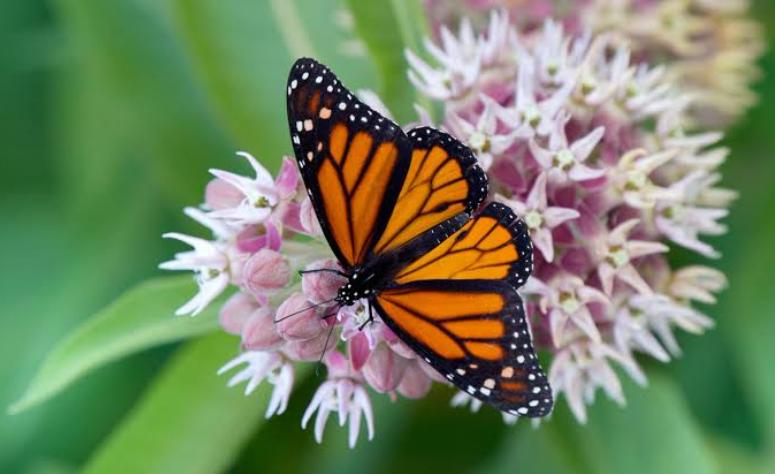
Milkweed
Milkweed is both a nectar source and, critically, the only plant monarch caterpillars can eat, making it arguably the single most important butterfly plant in North America. Its fragrant flower clusters draw a wide range of other butterfly species as adult nectar sources as well.
It tolerates a range of soil conditions depending on the specific species, generally thriving in full sun with minimal ongoing care once established.
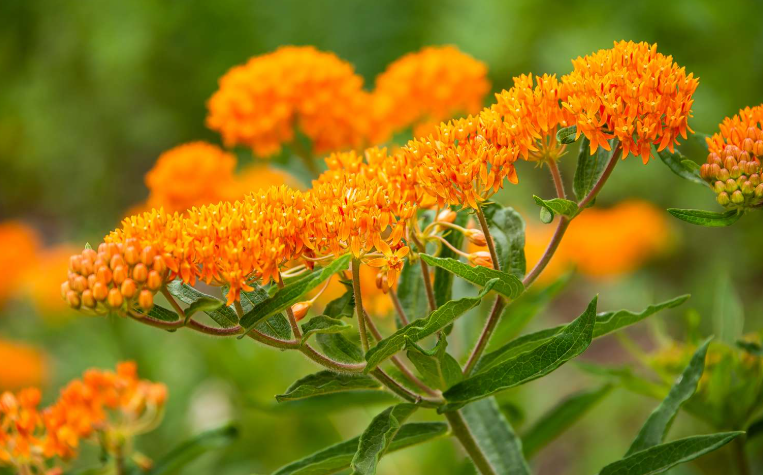
Butterfly Weed
Butterfly weed, a milkweed relative, produces clusters of vivid orange flowers that serve double duty as both a nectar source and a monarch caterpillar host plant. Its considerable drought tolerance once established makes it a genuinely low-maintenance choice.
It thrives in full sun and well-drained, even poor soil, tolerating considerable neglect once its deep taproot is established.
Parsley
Parsley serves as a genuine host plant for several swallowtail butterfly species, whose caterpillars feed on its leaves specifically, making it a worthwhile addition to a butterfly garden even though its own flowers are relatively inconspicuous. Letting a few plants go to flower rather than harvesting every leaf supports that caterpillar population.
It tolerates full sun to partial shade and consistently moist soil, growing as a biennial that flowers in its second year.
Also Read: Flowers That Do Not Attract Bees
Dill
Dill serves as another reliable host plant for swallowtail caterpillars, which readily strip its feathery foliage, an intentional tradeoff worth accepting if butterfly support is the actual gardening goal. Its small yellow flower clusters also provide some adult nectar value.
It thrives in full sun and well-drained soil, self-seeding readily once established in a favorable spot.
Fennel
Fennel, closely related to dill, serves as another dependable swallowtail host plant, with caterpillars feeding on its finely divided, aromatic foliage. Its own small yellow flower clusters provide a secondary adult nectar source.
It thrives in full sun and well-drained soil, growing into a substantial perennial in a mild climate.
Rue
Rue serves as a host plant for the giant swallowtail and several other swallowtail species, whose caterpillars feed on its blue-green, aromatic foliage. Its own small yellow flowers provide modest additional nectar value.
It tolerates poor, dry soil and full sun, though its foliage can cause skin irritation in some people, worth handling with care.
Spicebush
Spicebush serves as the primary host plant for the spicebush swallowtail, whose caterpillars feed exclusively on its aromatic leaves. Its small, fragrant yellow spring flowers provide an early-season nectar source before the leaves emerge.
It tolerates partial shade and consistently moist soil, thriving in a woodland understory setting.
Pawpaw
Pawpaw serves as the exclusive host plant for the zebra swallowtail, whose caterpillars feed only on its leaves, making it an essential inclusion for supporting that specific species. Its unusual maroon flowers and edible tropical-tasting fruit provide additional garden interest.
It tolerates partial shade and rich, well-drained soil, eventually growing into a substantial small tree.
Passionflower
Passionflower serves as the host plant for gulf fritillary and zebra longwing caterpillars, whose larvae feed on its distinctive leaves, while its elaborate, intricate flowers also provide genuine adult nectar value. Its unusual bloom structure is a genuine garden conversation piece.
It climbs vigorously given a trellis or fence, thriving in full sun to partial shade in a warm climate.
Violet
Violet serves as the host plant for several fritillary butterfly species, whose caterpillars feed specifically on its low-growing leaves. Its small, unassuming flowers provide modest early-spring nectar value alongside their host plant role.
It tolerates partial shade and consistently moist soil, often naturalizing readily in a woodland or lawn setting.
Pipevine
Pipevine serves as the exclusive host plant for the pipevine swallowtail, whose caterpillars feed only on its leaves and sequester toxic compounds from the plant that make the adult butterfly unpalatable to predators. Its unusual pipe-shaped flowers give the plant its common name.
It climbs vigorously given a trellis or fence, thriving in full sun to partial shade in a range of soil conditions.
Hollyhock
Hollyhock serves as a host plant for the painted lady butterfly among others, whose caterpillars feed on its broad leaves, while its tall spikes of large flowers also provide substantial adult nectar value. Its considerable height makes it a genuine backdrop plant.
It thrives in full sun and well-drained soil, often self-seeding readily once established.
Senna
Senna serves as the host plant for several sulphur butterfly species, whose caterpillars feed on its compound leaves, while its own bright yellow flowers provide additional nectar value. Its considerable heat tolerance suits a warm-climate butterfly garden.
It thrives in full sun and well-drained soil, tolerating heat and drought considerably well once established.
Clover
Clover serves as a host plant for several butterfly and skipper species, whose caterpillars feed on its leaves, while its small flower heads also provide a genuine, easily accessible nectar source. Its low-growing habit makes it a practical lawn or meadow inclusion.
It tolerates a wide range of soil conditions and light levels, often thriving with essentially no active management at all.
Plantain
Plantain, often dismissed as a common lawn weed, serves as a host plant for the buckeye butterfly, whose caterpillars feed specifically on its broad, ribbed leaves. Leaving a patch unmowed in a corner of the yard can genuinely support this otherwise overlooked relationship.
It tolerates poor, compacted soil and considerable foot traffic, thriving in exactly the disturbed conditions most ornamental plants can’t handle.
Also Read: Plants With Purple Leaves and Red Flowers
Snapdragon
Snapdragon serves as a host plant for the buckeye butterfly among others, whose caterpillars feed on its foliage, while its tall flower spikes also provide genuine adult nectar value. Its cool-season preference makes it a spring and fall bloomer in a hot climate.
It thrives in full sun and well-drained soil, often struggling through the most intense heat of a genuinely hot summer.
Lavender
Lavender produces fragrant purple flower spikes that draw butterflies reliably throughout a long summer bloom period, combining genuine scent appeal with an accessible nectar reward. Its silvery, aromatic foliage provides year-round structure beyond the bloom period.
It demands full sun and sharp drainage, struggling in anything consistently damp.
Bee Balm
Bee balm produces shaggy, tubular flower heads that draw butterflies alongside its better-known hummingbird visitors, blooming reliably through much of summer. Its aromatic foliage has a long history as a traditional herbal tea ingredient.
It tolerates a range of soil conditions and full sun to light shade, benefiting from good air circulation to avoid powdery mildew.
Catmint
Catmint produces long-blooming spikes of small lavender-blue flowers that draw butterflies steadily throughout summer, tolerating heat and drought with real ease. Its aromatic, gray-green foliage provides attractive texture even between bloom flushes.
It thrives in full sun and well-drained soil, often reblooming with a midsummer shearing.
Russian Sage
Russian sage produces tall, airy spikes of small purple-blue flowers continuously from mid-summer through fall, offering butterflies a long, reliable nectar season on silvery, aromatic foliage. Its long bloom period and fine texture make it a popular xeriscape border plant.
It wants full sun and well-drained soil, and cutting it back hard each spring keeps its naturally sprawling growth habit tidy.
Rock Rose
Rock rose produces papery, crepe-like flowers continuously through late spring and summer on a compact, drought-tolerant Mediterranean shrub that draws steady butterfly traffic. Its resinous, aromatic foliage stays evergreen through mild winters.
It wants full sun and lean, well-drained soil, tolerating genuine neglect once established.
Cleome
Cleome produces airy, spidery flower clusters atop tall stems that butterflies visit readily throughout a long summer bloom period. Its unusual flower form and considerable height provide genuine textural interest in a border.
It thrives in full sun and average soil, often self-seeding readily once established.
Tall Verbena
Tall verbena, botanically Verbena bonariensis, produces small clusters of purple flowers atop remarkably thin, wiry stems reaching several feet tall, creating a genuinely airy, see-through effect in a border while still drawing steady butterfly traffic. Its unusual height and delicate structure set it apart from bushier bedding verbena types.
It thrives in full sun and well-drained soil, often self-seeding readily once established in a favorable spot.
Anise Hyssop
Anise hyssop produces tall spikes of small purple flowers with an aromatic, licorice-scented foliage, drawing butterflies reliably throughout a long summer bloom period. Its considerable height provides real structure in a pollinator-focused border.
It thrives in full sun and well-drained soil, tolerating considerable heat and drought once established.
Goldenrod
Goldenrod produces dense, plume-like clusters of tiny yellow flowers specifically in late summer and fall, providing an excellent nectar source right when many butterflies most need to fuel up before migration or winter. Its pollen is heavy and insect-carried rather than airborne, so it isn’t actually responsible for the hay fever symptoms often blamed on it.
It tolerates poor, dry soil and full sun, thriving on considerable neglect once established in a naturalized planting.
Shasta Daisy
Shasta daisy produces classic white, yellow-centered daisy flowers that offer butterflies an ideal flat landing platform throughout a long early to midsummer bloom period. Its clean, simple form has made it a cottage garden staple for generations.
It tolerates a range of soil conditions and full sun, blooming most reliably with regular deadheading.
Also Read: Best Flowering Vines for Hummingbirds
Conclusion
Flowers that attract butterflies can add color, movement, and seasonal interest to gardens while providing valuable sources of nectar. Different flowers vary in color, shape, scent, and blooming period, giving gardeners many options for creating attractive butterfly-friendly spaces.
Choosing suitable flowers depends on the local climate, sunlight, soil, available space, and flowering season. Planting a variety of species that bloom at different times can provide nectar over a longer period, while including native plants can help support local butterfly species.
With proper plant selection and basic care, a garden can become a welcoming habitat for butterflies throughout the growing season. Avoiding unnecessary pesticide use and providing a diverse range of flowering plants can also help create a healthier environment for butterflies and other beneficial pollinators.